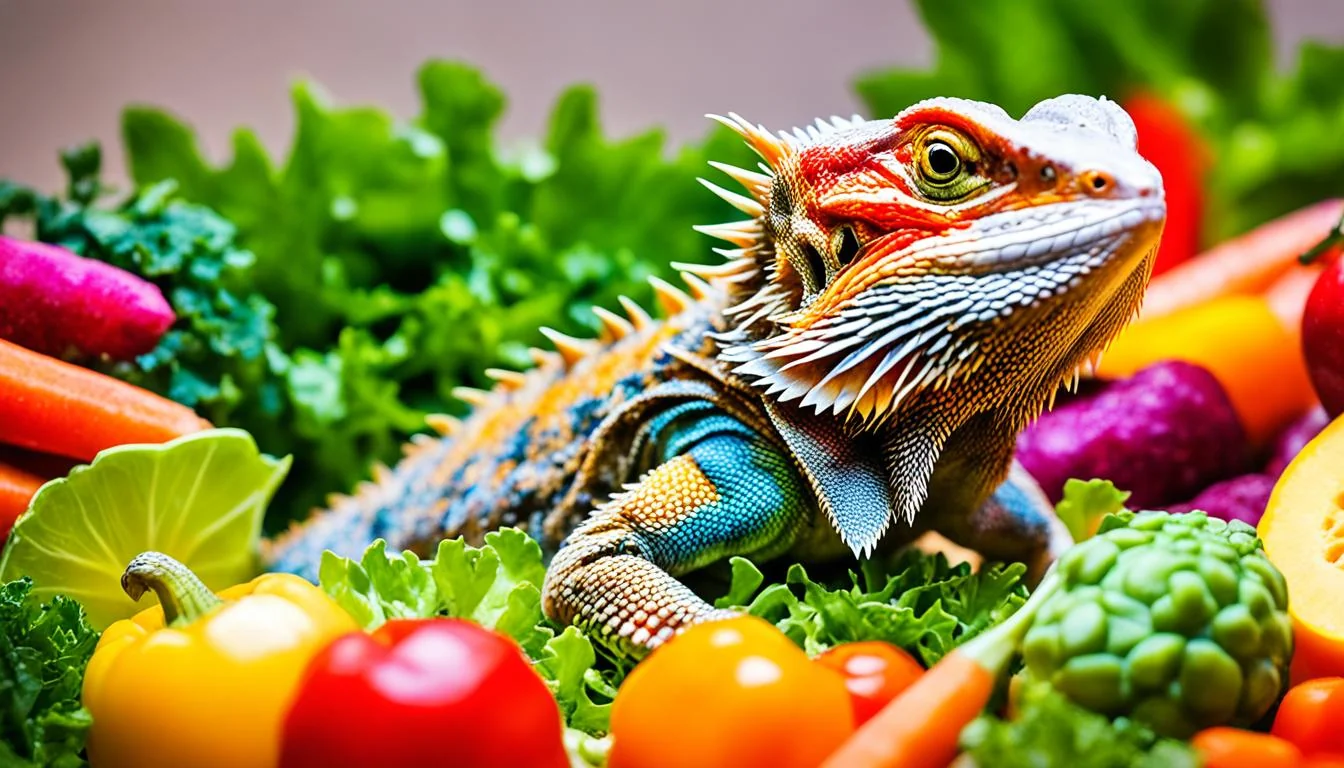
Understanding Bearded Dragon Bone Health
Bearded dragons, like all living creatures, require strong and healthy bones to thrive. Their skeletal structure supports their bodies, enables movement, and protects vital organs. However, unlike mammals, reptiles have unique needs that require specific care and attention to their diet and environment. Ensuring your bearded dragon’s bone health is paramount for their overall well-being, longevity, and the prevention of serious health issues. This involves understanding the critical role of nutrition, the importance of UVB lighting, and the essential nutrients that contribute to robust bone development. This guide will provide a comprehensive look at how you can ensure your bearded dragon has strong and healthy bones for a happy and active life.
Why is Nutrition Critical for Strong Bones in Bearded Dragons?
Nutrition forms the foundation of a bearded dragon’s bone health. The foods your dragon eats directly impact their ability to absorb essential nutrients, which are crucial for bone development and maintenance. A well-balanced diet provides the building blocks for a strong skeleton, allowing your pet to move, explore, and interact without discomfort. Poor nutrition, on the other hand, can lead to metabolic bone disease (MBD), a common and often fatal condition in captive reptiles. MBD can manifest as weak bones, deformities, and impaired mobility, significantly impacting their quality of life. Providing the correct balance of calcium, phosphorus, vitamin D3, and other vital elements through a carefully planned diet is the most effective way to prevent MBD and ensure your bearded dragon’s bones remain strong and healthy throughout their life.
Key Nutrients for Bearded Dragon Bone Health

Several key nutrients are essential for maintaining healthy bones in bearded dragons. These nutrients work in concert to facilitate bone growth, density, and overall skeletal function. The most important include calcium, vitamin D3, and phosphorus, which must be present in the correct ratio to prevent health issues. Furthermore, other vitamins and minerals contribute to bone health indirectly by supporting overall metabolic processes. Understanding the roles of each of these nutrients can help in crafting a diet plan for your pet that supports optimal bone health. It’s also important to remember that the right balance is important; too much or too little of any nutrient can lead to health problems, so it is essential to research the specific needs of bearded dragons before planning their diet.
Calcium Importance for Bearded Dragons

Calcium is the primary structural component of bones, making it the most important mineral for bearded dragons. It gives bones their strength and rigidity. Calcium also plays a vital role in numerous physiological processes, including muscle function, nerve transmission, and blood clotting. Insufficient calcium in the diet can lead to calcium deficiency, resulting in the weakening of bones and eventually leading to metabolic bone disease. Providing calcium-rich foods or supplementing the diet with calcium powder is crucial for ensuring that your bearded dragon gets the necessary amount of this important mineral, particularly for growing dragons and females laying eggs. It is important to dust insects and vegetables with calcium supplements, especially for younger dragons and those not receiving enough UVB exposure.
Vitamin D3 Role in Bone Development
Vitamin D3 is vital for the absorption of calcium. Without adequate vitamin D3, a bearded dragon cannot properly absorb calcium from its food, even if the diet is calcium-rich. The primary source of vitamin D3 for bearded dragons is UVB light, which they convert into vitamin D3 within their skin. This is why it is essential to have a proper UVB light setup in their enclosure. Vitamin D3 helps regulate calcium and phosphorus levels in the blood, which are critical for bone mineralization. Supplementing vitamin D3 can be beneficial if UVB lighting is inadequate, but it is important to avoid over-supplementation, as too much vitamin D3 can lead to health problems. Therefore, it is vital to combine an adequate source of UVB light and a balanced diet to ensure optimal absorption and use of calcium.
Phosphorus and Its Effects on Bearded Dragon Bones
Phosphorus is another important mineral in bone health. It works alongside calcium to form and maintain the bone structure. However, the ratio of calcium to phosphorus is critical. An imbalance, particularly too much phosphorus compared to calcium, can hinder calcium absorption. This is because phosphorus can bind with calcium in the gut, preventing it from being absorbed into the bloodstream. This imbalance can eventually lead to MBD. Many foods naturally contain phosphorus, but it is essential to balance this with calcium-rich foods or calcium supplements. When feeding your bearded dragon, it is important to maintain a calcium-to-phosphorus ratio of approximately 2:1 to promote optimal bone health. Monitoring your dragon’s diet to maintain this balance is crucial for long-term health and bone strength.
Essential Foods for Bearded Dragon Bone Strength
A balanced diet is the foundation of your bearded dragon’s bone health. This includes a combination of insects, vegetables, and, occasionally, fruits. The specific foods you offer should provide the necessary nutrients like calcium, vitamin D3, and a balanced calcium-to-phosphorus ratio. The ratio is the most important factor to consider. It is crucial to offer a variety of foods to ensure your dragon receives a broad spectrum of nutrients. Regularly assess your dragon’s diet and adjust as needed, always prioritizing their overall health and well-being. This includes rotating food options to prevent nutritional deficiencies or excesses. Be mindful of the overall nutritional profile of each food item to ensure a diet that promotes strong, healthy bones.
Calcium-Rich Vegetables for Bearded Dragons
Vegetables are a staple in a bearded dragon’s diet and should constitute the majority of their food intake. Many vegetables are rich in calcium and other essential nutrients that support bone health. Some excellent options include collard greens, turnip greens, mustard greens, dandelion greens, and kale. These greens offer high calcium-to-phosphorus ratios, making them ideal for promoting bone health. Other vegetables, such as butternut squash and bell peppers, also contribute beneficial nutrients. While spinach is nutritious, it contains oxalates that can bind with calcium, reducing its bioavailability, so it should be offered in moderation. Always wash vegetables thoroughly before feeding them to your bearded dragon to remove any pesticides or contaminants.
Best Insect Choices for Bone Health in Bearded Dragons
Insects provide essential protein and contribute to a balanced diet. When selecting insects, it’s important to consider their nutritional content, particularly the calcium-to-phosphorus ratio. Some of the best insect choices for bone health include crickets, dubia roaches, and black soldier fly larvae (also known as “calciworms”). These insects provide a good source of protein while offering a more favorable calcium-to-phosphorus ratio. Waxworms and mealworms are high in fat and low in calcium, so they should be offered sparingly. Gut-loading insects with nutritious foods before feeding them to your bearded dragon can further enhance their nutritional value, ensuring your pet receives maximum benefit from their insect-based meals. Always ensure that insects are sourced from reputable suppliers to minimize the risk of parasites or contaminants.
Vitamin D3 Supplements for Bearded Dragons
While UVB lighting is the primary source of vitamin D3, some situations may require supplementation. If your bearded dragon isn’t getting adequate UVB exposure, either due to a faulty bulb or an enclosure design flaw, a vitamin D3 supplement may be necessary. However, it is essential to use these supplements cautiously. Over-supplementation of vitamin D3 can lead to toxicity, causing health problems. Supplements should be administered based on the advice of a qualified veterinarian who can assess your dragon’s individual needs and advise on the appropriate dosage. When using supplements, ensure they are specifically formulated for reptiles and follow the instructions carefully. Always prioritize UVB lighting as the main source of vitamin D3 and use supplements only when necessary and under professional guidance.

Setting Up a Balanced Diet for Bearded Dragons


Creating a balanced diet is crucial for maintaining your bearded dragon’s bone health. A well-structured diet considers the dragon’s age, size, and activity level. This also involves offering a variety of foods from different categories. Young, growing dragons need a higher protein intake, while adult dragons require more vegetables and a lower ratio of insects. A good rule of thumb is to offer approximately 80% insects and 20% vegetables for juvenile dragons, and then shift to approximately 80% vegetables and 20% insects for adults. Always ensure that the food is fresh and of high quality, and that the portions are appropriate to avoid overfeeding. Regularly monitor your dragon’s weight and body condition to adjust the diet as needed, and always prioritize variety and balance.
Feeding Frequency and Portion Sizes

Feeding frequency and portion sizes should also be customized to the age and the activity level of your bearded dragon. Young, growing dragons require more frequent feeding, often several times a day. Adults can typically be fed once a day or every other day. Portion sizes should be based on the dragon’s age, size, and appetite. Overfeeding can lead to obesity, which can cause health problems. Observe your dragon to gauge their appetite and adjust the portions accordingly. Remove uneaten food promptly to prevent spoilage and maintain hygiene in the enclosure. Clean water should be readily available. Providing a consistent feeding schedule and portion control supports the healthy development and growth of your bearded dragon.
Avoiding Common Dietary Mistakes
Several common mistakes can undermine your bearded dragon’s bone health. One of the most frequent errors is an improper calcium-to-phosphorus ratio. Failing to dust insects and vegetables with calcium supplements can also lead to deficiencies. Insufficient UVB lighting is another prevalent issue, as it prevents the proper synthesis of vitamin D3. Feeding your dragon a diet that is too high in oxalates (found in spinach) or offering too many fatty insects (like mealworms) can also lead to problems. Finally, a lack of variety in the diet can create nutritional deficiencies. Avoiding these common pitfalls requires ongoing research and diligence in caring for your pet, as well as consulting with a veterinarian experienced in reptile care to prevent problems and ensure optimal bone health.
Recognizing Signs of Bone Problems in Bearded Dragons
Early detection of bone problems is critical for effective treatment. Recognizing the signs of metabolic bone disease (MBD) or other bone-related issues can help ensure your bearded dragon receives the necessary care quickly. Look for telltale signs of the disease, such as lethargy, a loss of appetite, and weakness in their limbs. Deformities such as a bowed legs, a misshapen jaw, or swelling of the limbs are strong indicators of bone issues. Muscle tremors or twitching can also signal MBD. If you observe any of these signs, seek veterinary care immediately. Prompt diagnosis and treatment significantly improve the prognosis and can prevent irreversible damage. Regular check-ups with a qualified reptile veterinarian are important to help ensure the ongoing health of your dragon.
Importance of UVB Lighting for Bearded Dragon Bones

UVB lighting is perhaps the most critical aspect of bone health in bearded dragons. It plays a key role in the synthesis of vitamin D3, which is essential for calcium absorption. Without adequate UVB exposure, your dragon cannot effectively utilize the calcium in its diet, leading to weak bones and MBD. The proper UVB light setup involves using a high-quality UVB bulb designed for reptiles, such as a T5 or T8 UVB fluorescent tube. The bulb should be placed at the correct distance from the basking spot, as specified by the manufacturer. Regularly replace the UVB bulb, typically every 6-12 months, as its effectiveness diminishes over time. Provide a basking spot where your dragon can regulate its body temperature, and ensure proper UVB exposure throughout the day is provided. This setup is essential for optimal bone health.
In conclusion, providing optimal nutrition and environmental care are the foundations of strong and healthy bones in your bearded dragon. By understanding the importance of key nutrients like calcium and vitamin D3, ensuring proper UVB lighting, and avoiding common dietary mistakes, you can significantly improve the well-being and longevity of your pet. Regularly monitoring your dragon for any signs of bone problems and consulting with a qualified reptile veterinarian are also essential steps in providing comprehensive care. With the right knowledge and dedication, you can ensure that your bearded dragon lives a long, active, and healthy life.