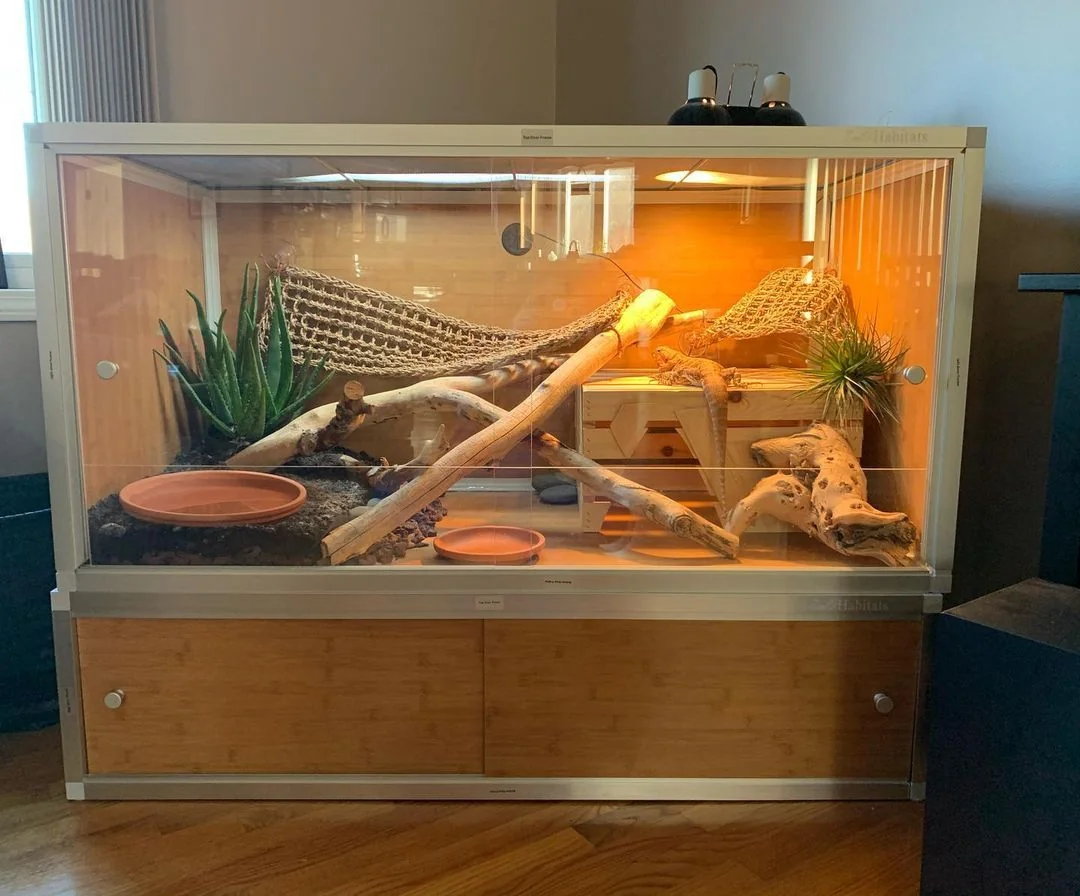
Understanding Bearded Dragon Lighting Needs
Creating the right lighting setup is crucial for the health and well-being of your bearded dragon. These fascinating reptiles are ectothermic, meaning they rely on external sources to regulate their body temperature. Proper lighting not only provides the necessary heat for digestion, metabolism, and activity but also delivers essential UVB rays for calcium absorption and overall vitality. A poorly designed lighting system can lead to serious health problems like metabolic bone disease and lethargy. This guide is designed to help you set up an energy-efficient lighting system that keeps your bearded dragon thriving while minimizing energy consumption.
The Importance of UVB Lighting
UVB lighting is arguably the most important aspect of your bearded dragon’s lighting setup. UVB rays are essential for the synthesis of Vitamin D3, which is vital for calcium absorption. Without sufficient UVB exposure, bearded dragons cannot properly process calcium, leading to metabolic bone disease (MBD), a painful and debilitating condition. MBD can cause bone deformities, paralysis, and ultimately, death. The right UVB lighting mimics the natural sunlight that bearded dragons would receive in their native habitat, enabling them to stay healthy. It’s crucial for their overall health and longevity, impacting their growth, appetite, and overall vitality.
Choosing the Right UVB Bulb
Selecting the correct UVB bulb is paramount. There are various types of UVB bulbs available, and it’s essential to choose one that is specifically designed for reptiles. Compact fluorescent bulbs, linear fluorescent tubes (T5 or T8), and mercury vapor bulbs are common options. T5 linear fluorescent bulbs are generally considered to be the most effective because they provide a stronger UVB output and have a longer lifespan compared to T8 bulbs. Always check the UVB output percentage of the bulb; a bulb with 10-12% UVB output is generally recommended for bearded dragons. Be sure to research reviews and choose a reputable brand known for producing quality reptile lighting, such as Zoo Med or Arcadia. Consider the size of your enclosure when choosing the bulb, as you’ll want to ensure the entire enclosure is adequately covered.
UVB Bulb Placement and Distance

The distance between the UVB bulb and your bearded dragon is crucial. UVB output diminishes significantly with distance. Place the UVB bulb according to the manufacturer’s recommendations to ensure your dragon is receiving the correct amount of UVB exposure. Generally, a T5 bulb should be placed 12-18 inches from the basking spot, while a T8 bulb should be closer, around 6-12 inches. Avoid placing the bulb too far away, as your dragon won’t get enough UVB. Avoid placing the UVB bulb behind glass or plastic, as these materials block UVB rays. This also means the bulb should be placed inside the enclosure, or directly above a screen top that doesn’t filter out UV rays. Regularly check your dragon’s behavior for signs of insufficient UVB, such as lethargy or loss of appetite, and adjust the setup as needed.
The Role of Heat Lamps
Heat lamps are essential for providing the necessary warmth for your bearded dragon. These reptiles need a temperature gradient within their enclosure, with a basking spot that reaches a high temperature (around 100-110°F or 38-43°C) and cooler areas for thermoregulation. Heat lamps, often in the form of incandescent bulbs or ceramic heat emitters, supply this crucial heat. The proper heat allows bearded dragons to efficiently digest their food, regulate their metabolism, and stay active. Without appropriate heat, they can become sluggish and may experience health problems. It is important to choose the right type and wattage of heat lamp to maintain the necessary temperature gradient.
Selecting Energy-Efficient Heat Lamps
While traditional incandescent heat lamps are effective, they consume a significant amount of energy. To conserve energy, consider alternative heat sources. Ceramic heat emitters (CHEs) are a good option as they emit heat without producing light, which can be beneficial during nighttime. They use less energy than traditional incandescent bulbs and can be paired with a thermostat to regulate temperature accurately. Other energy-efficient options include halogen bulbs, which are more energy-efficient than standard incandescent bulbs and provide a good level of heat. When choosing, prioritize the correct temperature over the lowest wattage to ensure your bearded dragon’s needs are met. Always check that the chosen heat lamp is safe for reptile use.
Optimizing Heat Lamp Wattage
The wattage of your heat lamp will depend on the size of your enclosure, the ambient temperature of your room, and the desired basking temperature. Start with a lower wattage bulb and monitor the temperature in the basking area using a digital thermometer. Increase the wattage gradually until you achieve the correct temperature range. It’s better to start with a lower wattage bulb and gradually increase it, rather than starting with a high-wattage bulb that could overheat the enclosure. Regularly monitor the temperature and adjust the wattage or the distance of the lamp as needed. A thermostat is an essential tool for managing temperature and preventing overheating, allowing you to save energy by preventing excessive heat production.
Energy Saving Tips for Bearded Dragon Lighting
There are several easy and effective ways to conserve energy with your bearded dragon’s lighting setup. Use a timer to control the lights, ensuring they are only on for the required 12-14 hours per day. This prevents unnecessary energy consumption and mimics natural day-night cycles. Choose energy-efficient bulbs, such as T5 UVB bulbs or halogen heat lamps. Regularly clean the bulbs to ensure maximum light and heat output, as dust can diminish their effectiveness. Consider insulating your enclosure to prevent heat loss and reduce the amount of energy needed to maintain the correct temperature. By implementing these simple practices, you can significantly reduce energy use and save on electricity costs.

Using Timers for Lighting


Using timers is one of the most effective ways to save energy with your bearded dragon’s lighting setup. Timers automatically turn the lights on and off at set times, ensuring your lights are only on when needed. This prevents you from forgetting to turn the lights off and wasting electricity. Digital timers offer more precision and flexibility than mechanical timers, allowing you to set exact on/off times. Choose a timer that is suitable for the type of lighting you are using and can handle the wattage of your bulbs. Place the timer in a safe location, away from moisture and potential hazards. Proper use of a timer not only saves energy but also helps establish a consistent day-night cycle for your bearded dragon, which is crucial for its health and well-being.
Regular Bulb Maintenance and Replacement
Regular maintenance and timely replacement of bulbs are essential for both your bearded dragon’s health and energy efficiency. UVB bulbs have a limited lifespan and gradually lose their effectiveness over time, even if they still produce light. Replace your UVB bulb every 6-12 months, depending on the manufacturer’s recommendations. Regularly clean the bulbs and reflectors to remove dust and debris, which can reduce light and heat output. Check the bulbs for any signs of damage or flickering, which indicates they need to be replaced. Keep a schedule of bulb replacements and stick to it to ensure your bearded dragon always receives the necessary UVB exposure. Proper maintenance extends the life of your bulbs and maximizes their energy efficiency.
Alternative Lighting Solutions
Explore alternative lighting solutions to reduce energy consumption. LED bulbs are an energy-efficient alternative for both UVB and heat lamps. While the initial cost of LED bulbs may be higher, they have a longer lifespan and consume significantly less energy than traditional bulbs. Another option is to use natural sunlight, but be extremely cautious. Direct sunlight can overheat an enclosure, so it’s important to monitor the temperature closely and provide shade. Consider using a solarium or a well-ventilated outdoor enclosure on warm days, but always supervise your bearded dragon closely. If using natural sunlight, be extremely careful to avoid exposure to cold drafts or sudden temperature changes.

LED Lighting for Bearded Dragons
LED lighting offers a sustainable and energy-efficient lighting solution for bearded dragons. LED UVB bulbs and heat lamps are becoming increasingly available. These bulbs use significantly less energy than traditional fluorescent or incandescent bulbs and have a much longer lifespan, reducing the need for frequent replacements. LED bulbs also produce less heat, which can help regulate the temperature in the enclosure more efficiently. When selecting LED bulbs, look for options specifically designed for reptiles and ensure they provide the necessary UVB output and heat. LED technology can drastically cut down on energy usage and lower your electricity bills while providing a suitable environment for your pet. Research different brands and products to find the most appropriate and energy-efficient LED solution for your bearded dragon.
Monitoring Temperature and Humidity
Regularly monitoring the temperature and humidity levels inside your bearded dragon’s enclosure is essential for both their health and energy conservation. Use digital thermometers to accurately measure the temperature in the basking area, the cool side, and the overall ambient temperature. A hygrometer is necessary to monitor humidity levels, which should typically be between 30-40%. Record the temperature and humidity readings daily to identify any fluctuations and adjust your lighting and heating accordingly. By keeping track of these measurements, you can ensure your bearded dragon’s enclosure is providing a suitable environment and avoid wasting energy by overheating or underheating the enclosure. Proper monitoring allows you to optimize the lighting setup for both your pet’s well-being and energy efficiency.
Conclusion

Creating an energy-efficient lighting setup for your bearded dragon is an important step in responsible pet ownership. By understanding the lighting needs of your reptile, choosing the right bulbs, and implementing energy-saving practices, you can significantly reduce your energy consumption and save money on your electricity bill. Remember that a properly lit enclosure not only saves energy but also provides the vital UVB and heat necessary for your bearded dragon’s health, growth, and overall well-being. Regularly review your lighting setup, make adjustments as needed, and always prioritize the health of your pet. Making informed choices about lighting is an investment in your bearded dragon’s happiness and your commitment to environmental sustainability.