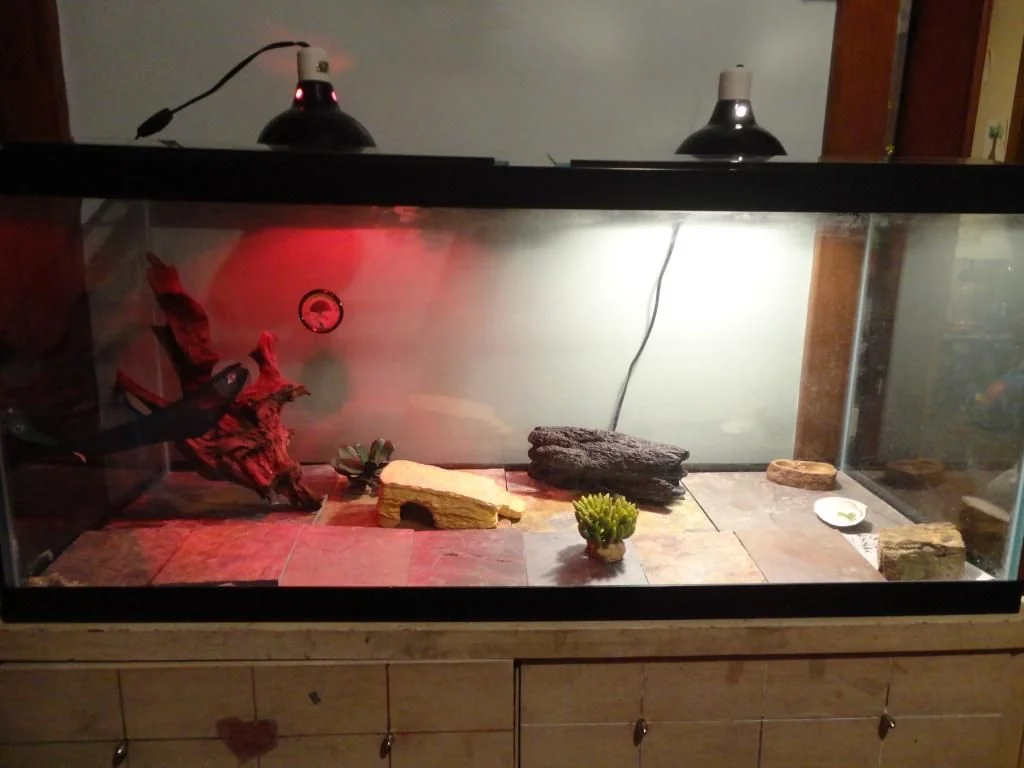
Understanding Bearded Dragon Lighting Needs
Lighting is a crucial aspect of caring for a bearded dragon. They are diurnal reptiles, meaning they are active during the day, and their bodies are designed to absorb UVB light for essential bodily functions. A properly lit enclosure is vital for their overall health and well-being, including digestion, bone development, and immune system function. Improper lighting can lead to metabolic bone disease, a life-threatening condition. This guide will break down the key components of lighting, including UVB, heat, and how to provide it in an energy-efficient manner. Providing the correct lighting is not just about providing light, it’s about creating an environment that mimics their natural habitat, allowing them to thrive.
The Importance of UVB Lighting
UVB light is essential for bearded dragons as it enables them to synthesize vitamin D3, which is crucial for calcium absorption. Calcium is essential for strong bones, healthy growth, and various metabolic processes. Without adequate UVB, bearded dragons cannot properly absorb calcium, leading to metabolic bone disease (MBD). The correct UVB bulb and setup is paramount. The UVB spectrum helps with the production of Vitamin D3 in the skin, supporting calcium absorption from their food. It also contributes to their overall behavior and appetite, mirroring natural sunlight. Without this, they can experience serious health issues and become lethargic. Choosing the right bulb and ensuring it’s properly placed is the foundation of a healthy bearded dragon habitat.
Choosing the Right UVB Bulb
Selecting the right UVB bulb is not just a matter of picking any bulb; it involves understanding the different types and their output levels. There are fluorescent tube bulbs (T5 and T8), compact fluorescent bulbs, and mercury vapor bulbs. T5 bulbs are generally preferred because they offer a higher UVB output and last longer than T8 bulbs. The UVB percentage (e.g., 5%, 10%, or 12%) is also crucial, as the required percentage depends on the distance between the bulb and the dragon. For instance, a higher percentage is needed if the bulb is further away. Researching the specific needs of your bearded dragon based on its enclosure size and setup is essential for choosing the right bulb. Always consult with a reptile specialist or vet for personalized recommendations.
Placement and Distance of UVB Bulbs
The placement and distance of the UVB bulb are critical for its effectiveness. The UVB rays need to reach the dragon to provide the necessary benefits. The distance depends on the bulb type and UVB percentage. T5 bulbs generally need to be placed closer to the basking area than T8 bulbs. Place the bulb over the basking spot where your dragon spends the most time. Remember that UVB output decreases over time, so regular replacement is required. Following the manufacturer’s guidelines and using a mesh top to prevent the UVB rays from being blocked is important. Improper placement can lead to insufficient UVB exposure, hindering the benefits and causing health problems.
Monitoring UVB Bulb Output
Even with the correct bulb and placement, UVB output decreases over time. Regular monitoring is essential to ensure the dragon receives adequate UVB. Replace bulbs as recommended by the manufacturer, usually every 6-12 months, depending on the bulb type. Consider using a UVB meter to measure the UVB output, providing more accurate insights. Regular observation of your dragon’s behavior can also help detect issues. Signs of insufficient UVB include lethargy, loss of appetite, and a hunched posture. Monitoring and adjusting the setup accordingly ensures that your bearded dragon consistently receives the necessary UVB exposure, supporting its long-term health.
Understanding Bearded Dragon Heating Needs

Bearded dragons are ectothermic, relying on external heat sources to regulate their body temperature. Providing a proper temperature gradient is essential for their well-being, allowing them to move between warmer and cooler zones to regulate their body temperature. They need a basking spot for heat and digestion. The heating system should allow them to maintain a suitable body temperature for metabolic processes, digestion, and activity levels. Failing to provide correct heating will affect their appetite, digestion, activity, and their overall health. Understanding and providing proper heating for your bearded dragon is as important as providing UVB lighting.

Choosing the Right Heat Source
Several heat sources are available for bearded dragons. The choice depends on enclosure size and preferences. The best options include basking bulbs, ceramic heat emitters (CHE), and heat mats. Basking bulbs provide both heat and light, ideal for creating a basking spot. CHEs emit heat without light, suitable for nighttime heating. Heat mats can be used as a secondary heat source, but they shouldn’t be the primary source of heat. Each heat source offers different advantages, and the best option often involves a combination to create the optimal environment. Using a thermostat is critical to regulate the temperature. Always monitor temperatures to ensure the dragon has access to the required temperature gradient.
Basking Bulbs and Their Role

Basking bulbs are essential for bearded dragons, providing both heat and light to create a basking spot. The basking spot is critical because it allows them to regulate their body temperature and digest food properly. These bulbs come in various wattages. The correct wattage is based on enclosure size and ambient temperature. Position the basking bulb at an appropriate distance from the basking spot to create the ideal temperature. Regularly monitor temperatures in the basking spot to ensure it stays within the recommended range. It’s important to choose a bulb that’s specifically designed for reptile use. Replacing bulbs when they burn out is crucial to maintaining the necessary temperatures for your dragon’s health.
Ceramic Heat Emitters (CHE)
Ceramic Heat Emitters (CHE) are an excellent option for providing heat without light. They are particularly beneficial for nighttime heating because they do not disrupt the dragon’s sleep cycle. CHEs are often used in conjunction with a basking bulb to ensure the appropriate temperature gradient. They provide a steady and consistent heat source, ensuring the enclosure maintains the correct temperatures. When using a CHE, it’s critical to use a thermostat to prevent overheating. Position the CHE safely within the enclosure, and always ensure it has a protective covering to avoid burns. Using CHEs appropriately helps create a stable, comfortable environment for your bearded dragon.
Heat Mat Options
Heat mats can be used as a secondary heat source, but they should not be the primary heat source for bearded dragons. Heat mats provide bottom heat, which can be beneficial, but they don’t provide the necessary air temperature gradient. They can be placed under a portion of the enclosure, but they should not cover the entire floor. When using a heat mat, a thermostat is crucial to regulate the temperature and prevent burns. Regularly monitor the temperature to make sure it’s within the recommended range. Since they provide heat from the bottom, heat mats may not be as effective at raising the overall air temperature. They are most suitable for supplemental heating. Always ensure there’s adequate ventilation and that the dragon has access to appropriate basking spots and temperature gradients.
Temperature Gradient Creating a Comfortable Environment
Establishing a proper temperature gradient is crucial for your bearded dragon’s health. This involves creating a range of temperatures within the enclosure. This allows the dragon to regulate its body temperature by moving between warmer and cooler areas. The basking spot should be the hottest part of the enclosure, while the cooler side offers a safe space to cool down. A well-designed temperature gradient supports digestion, metabolism, and overall activity levels. Ensuring a temperature gradient allows them to thermoregulate and stay in their ideal temperature range. Having the correct temperature gradient is key to a happy and healthy bearded dragon.
Optimal Temperature Zones
The ideal temperature zones depend on the dragon’s age and size. Generally, the basking spot should be 95-110°F (35-43°C) for adults, while the cool side should be around 75-85°F (24-29°C). Provide a daytime temperature gradient and allow for a slight drop at night. For hatchlings and juveniles, slightly higher basking spot temperatures may be required. Always ensure the temperatures are monitored consistently with reliable thermometers. Creating these temperature gradients is essential to support their ability to properly digest their food, boost their immune system, and stay active and healthy.

Using Thermometers to Monitor Temperatures
Using thermometers is essential for monitoring temperatures within the enclosure. Place the thermometer in different zones of the enclosure. Digital thermometers with probes and infrared thermometers are highly recommended. A probe thermometer can be placed directly under the basking spot to measure the basking temperature. Using an infrared thermometer allows you to measure the surface temperature of the basking spot and other areas. Monitoring the temperatures allows you to make appropriate adjustments to the heating and lighting setup. Regularly checking the temperature readings ensures the proper temperature gradient. This is an essential step for maintaining optimal conditions for your bearded dragon.
Energy Efficiency Tips for Heating and Lighting
Optimizing your bearded dragon’s lighting and heating system doesn’t just benefit your pet—it can also save energy and reduce costs. Simple adjustments and smart choices can lead to significant energy savings. By implementing a few strategies, you can create an energy-efficient habitat for your dragon without compromising their health and well-being. These small changes add up over time, making a big difference in your energy bill and reducing your environmental footprint. Finding the right balance ensures that your dragon remains healthy and happy while minimizing energy consumption.

Using Timers and Smart Plugs
Timers and smart plugs are incredibly useful for automating your bearded dragon’s lighting and heating schedule. Timers allow you to set specific on and off times for your lights and heat sources, ensuring that your dragon receives the correct day and night cycle. Smart plugs take this a step further, enabling you to control the lighting and heating remotely via your smartphone. This is particularly beneficial for monitoring and adjusting the environment. Setting up schedules based on the seasons will also ensure your dragon has the correct light and heat. Using timers and smart plugs helps you save energy. They also reduce the risk of accidentally leaving lights or heat sources on, improving safety and lowering energy costs.
Insulating the Enclosure
Insulating the enclosure can significantly improve energy efficiency by reducing heat loss. Use materials like foam insulation or reflective tape on the sides and back of the enclosure to prevent heat from escaping. This helps maintain a consistent temperature within the enclosure, reducing the need for the heat source to work as hard. Proper insulation can minimize energy consumption and lower your heating costs. This is particularly important during colder months, when the ambient room temperature may be lower. Insulating your enclosure is a simple yet effective way to create a more energy-efficient environment for your bearded dragon.
Choosing Energy-Efficient Bulbs

Choosing energy-efficient bulbs is another way to save energy. While UVB and basking bulbs are essential, opt for energy-efficient versions when available. LED bulbs can be a good alternative to traditional incandescent bulbs. LED bulbs use less energy and last longer. Look for bulbs with low wattage and high light output. Even small changes, such as using energy-efficient bulbs, add up to significant energy savings over time. This not only reduces energy costs but also helps to reduce your environmental impact. Being mindful of the energy consumption of your reptile’s lighting system supports both their health and your budget.
Regular Maintenance and Cleaning
Maintaining a clean and well-cared-for enclosure is important. Cleaning the enclosure regularly, replacing bulbs, and ensuring everything functions correctly are crucial. Regular maintenance prevents problems. A well-maintained habitat also contributes to the overall health and happiness of your bearded dragon. Consistent care ensures the longevity of your dragon’s lighting and heating system, creating a more efficient and healthier environment for your pet.
Cleaning and Replacing Bulbs
Regular cleaning is essential for maintaining a healthy environment for your bearded dragon. Clean the enclosure regularly, removing any waste and soiled substrate. Dust and debris can reduce the efficiency of UVB and heat bulbs, so regularly cleaning the bulbs helps ensure they function effectively. Replace UVB bulbs and other bulbs as recommended by the manufacturer. This practice ensures the right amount of UVB radiation and heat. A clean enclosure promotes optimal health. A clean habitat helps your bearded dragon thrive. Proper maintenance increases the lifespan of the equipment and provides your dragon with the best possible living conditions.

Maintaining Optimal Temperatures
Regularly monitor the temperatures in the enclosure to ensure they remain within the recommended range. Use thermometers. Check the basking spot, cool side, and the ambient temperature. Adjust the heat sources as needed to maintain the correct temperature gradient. Ensure that the heating and lighting systems are functioning correctly. A stable and appropriate temperature gradient is essential for your bearded dragon’s health. Regular temperature monitoring helps identify and address potential problems early. A consistent environment helps maintain the health and well-being of your bearded dragon.
In conclusion, establishing the right lighting and heating balance is fundamental to the health of your bearded dragon. From understanding their needs to implementing energy-efficient practices, you can create an optimal living environment while minimizing energy consumption. By following the guidelines outlined in this guide, you can ensure that your bearded dragon thrives, and you can save money on your energy bills. Regular monitoring, maintenance, and a commitment to your pet’s well-being will contribute to a long and healthy life for your bearded dragon. By following the information in this guide, you are taking the first step toward a happy and healthy life for your bearded dragon.