Understanding Bearded Dragon Egg Incubation
Incubating bearded dragon eggs is a fascinating process that requires careful attention to detail. The success of hatching healthy baby bearded dragons hinges on providing the correct environmental conditions, with temperature being the most critical factor. This guide delves into the specifics of bearded dragon egg incubation, offering insights into the essential aspects of temperature control, humidity management, and the overall process to maximize your chances of a successful hatch. It’s a rewarding experience, but it demands a commitment to understanding and maintaining the optimal conditions for these delicate eggs. Proper incubation ensures the healthy development of the embryos, leading to robust and vibrant hatchlings. Failing to do so can lead to various issues, from underdeveloped babies to complete failure of the eggs to hatch.
The Importance of Temperature
Temperature is the cornerstone of successful bearded dragon egg incubation. It dictates the rate of embryonic development and significantly influences the health and viability of the hatchlings. Too low, and development slows or stops. Too high, and the eggs may perish or the hatchlings could be born with deformities. The ideal temperature range provides the perfect environment for the embryos to grow and mature, ensuring their chances of survival. Precise temperature control is not just important; it is an absolute necessity for healthy incubation. Fluctuations, even minor ones, can negatively affect the incubation process and the resulting hatchlings. Therefore, careful monitoring and maintenance of the incubation temperature are paramount throughout the entire incubation period.
Ideal Temperature Range for Bearded Dragon Eggs
The generally accepted ideal temperature range for incubating bearded dragon eggs is between 82°F and 88°F (28°C and 31°C). This narrow window provides the optimal conditions for embryonic development. Maintaining temperatures within this range is crucial to preventing developmental issues and ensuring a healthy hatch. Anything outside of this range can lead to abnormalities or failure. Keep in mind that slight variations might be acceptable, but it is generally best to aim for the middle of the range. Consistent temperature management is more important than trying to hit a specific degree at all costs. A stable temperature environment is better than fluctuating, though within the acceptable range.
The Specific Temperature Requirements
While the general temperature range is known, understanding the specific temperature requirements involves considering both the average temperature and the consistency of the environment. The key is to maintain a stable temperature. Wide temperature swings can be more detrimental than slightly off-target, stable temperatures. Even small fluctuations can stress the developing embryos. A thermometer with a consistent reading is therefore more useful than a thermometer that gives a slightly different, but consistent, reading. Furthermore, the location of the eggs within the incubator can affect temperature. Ensure that the temperature is consistent throughout the incubator, using multiple thermometers to verify this. Check for hot spots or cold spots, and make adjustments as needed to create a uniform thermal environment. This uniform environment will provide the best chance of success.
Maintaining Consistent Incubation Temperature
Consistent temperature is achieved through a combination of a reliable incubator and diligent monitoring. Incubators specifically designed for reptiles are recommended because they have built-in temperature controls and insulation to maintain a stable environment. Place the incubator in a location where temperature fluctuations are minimal, away from direct sunlight, drafts, and other external factors that can impact the internal temperature. Regularly check and adjust the incubator’s settings to keep the temperature within the ideal range. Investing in a high-quality incubator with accurate temperature control is a worthwhile investment. It’s also advisable to periodically calibrate your incubator’s thermometer against a trusted source to ensure its accuracy. This ensures you are not unintentionally putting the eggs in the wrong environment.
Methods for Monitoring Temperature
Accurate temperature monitoring is essential. Use a digital thermometer with a probe inside the incubator. The probe should be positioned near the eggs to get an accurate reading of the immediate environment. Consider using two thermometers – one as the primary and another as a backup. This allows you to cross-check readings and identify any discrepancies that might indicate a problem with your equipment. Keep a temperature log, recording the readings at least once or twice daily. This log will help you track any temperature fluctuations and identify any potential issues with your incubator. This record keeping is particularly helpful for identifying patterns or deviations from the norm. Consider also utilizing a thermometer with a high/low memory function. This is useful for detecting overnight temperature changes or potential issues.
Choosing the Right Incubator


When choosing an incubator, opt for one that is specifically designed for reptile egg incubation. These incubators typically offer precise temperature control, consistent heat distribution, and insulation to maintain a stable environment. Look for features such as digital temperature displays, adjustable temperature settings, and reliable temperature sensors. The size of the incubator should accommodate the number of eggs you plan to incubate. Also consider the ease of use and maintenance of the incubator. A clear, easy to understand display is useful. Reviews can give you an understanding of the product’s reliability. Finally, consider the incubator’s ability to maintain humidity levels, which is another crucial factor in successful incubation.
Setting Up Your Incubator
Proper setup is crucial for optimal performance. Place the incubator on a stable surface, away from direct sunlight or drafts. Ensure the incubator is level to prevent uneven heat distribution. Follow the manufacturer’s instructions for setting the desired temperature. Before placing the eggs inside, allow the incubator to run for several hours or even a day to ensure the temperature stabilizes. Position the thermometer probe correctly, as described above. Use a container with a substrate suitable for egg incubation, such as vermiculite or perlite, to maintain humidity. Once the incubator is set up and stable, you can gently place the eggs inside, taking care not to rotate them. Careful initial setup can prevent issues later.
Dealing with Temperature Fluctuations
Temperature fluctuations can be detrimental to the development of bearded dragon eggs. If you notice fluctuations, immediately take steps to address the issue. Check the incubator’s settings and adjust them if necessary. Ensure the incubator door is sealing properly and that the ambient room temperature is stable. If the fluctuations persist, consider upgrading to a more reliable incubator. If the issue is external, move the incubator to a location with more stable temperature. Avoid opening the incubator unnecessarily, as this can cause temperature drops. Monitoring the incubator is a necessary step towards preventing any temperature fluctuations from damaging your chances of successful hatching. Furthermore, be sure to document any temperature fluctuations, as this may help you diagnose the cause later on.

Identifying and Addressing Temperature Problems
Regularly monitor the temperature and watch for any deviations from the ideal range. If the temperature is too high, adjust the incubator’s settings or move it to a cooler location. If the temperature is too low, try to insulate the incubator or move it to a warmer place. Check the thermometer for accuracy and replace it if necessary. If the incubator is not maintaining temperature, it may need to be repaired or replaced. If you notice any signs of problems, such as eggs that are not developing properly, or the eggs begin to mold, it’s essential to take immediate action. Prompt intervention is often the key to salvaging eggs. In some cases, the issue might be a simple adjustment; in others, you may need to seek advice from an experienced breeder or reptile veterinarian.
Humidity and Incubation
Besides temperature, humidity plays a vital role in successful incubation. Humidity helps maintain the correct moisture levels within the eggs, preventing them from drying out. It also facilitates the gas exchange necessary for the developing embryos. A humidity level between 60-70% is typically recommended for bearded dragon eggs. This range promotes proper development without encouraging mold growth. Too little humidity can cause the eggs to dry out, while too much can lead to bacterial or fungal infections.
The Role of Humidity in Egg Hatching
The right humidity level ensures the eggs maintain the necessary moisture balance for embryonic development. This moisture prevents the eggs from becoming brittle and allows for proper gas exchange, vital for the developing embryos. High humidity, however, can lead to mold growth, which can be fatal to the eggs. Therefore, maintaining optimal humidity requires careful management and monitoring throughout the incubation period. Regular misting, utilizing a humidity gauge, and the use of appropriate substrates inside the incubator are methods that can assist in humidity control. The correct humidity levels, combined with proper temperature management, is crucial for maximizing your chances of a successful hatch.
Maintaining Optimal Humidity Levels
To maintain optimal humidity, use a hygrometer to monitor the humidity levels within the incubator. Place a water source inside the incubator, such as a shallow dish of water or a damp sponge, to increase humidity. The substrate in the incubation container also plays a key role in humidity. Use a substrate that retains moisture, such as vermiculite or perlite. Mist the substrate or the inside of the incubator with distilled water as needed to maintain the desired humidity level. Avoid over-misting, as this can lead to excessive humidity. Also, ensure proper ventilation to prevent mold growth. Regular monitoring and adjustments are essential for maintaining the correct humidity throughout the incubation process. Some incubators have built-in humidity controls that can simplify this process.

Incubation Timeline and What to Expect
Bearded dragon eggs typically take around 55-75 days to hatch, depending on the incubation temperature. As the eggs develop, you may notice changes, such as an increase in size, the appearance of veins, and the formation of a small air pocket. Candling the eggs (shining a bright light through them) can help you observe the developing embryos and assess their viability. However, candling should be done carefully and sparingly, as excessive handling can be detrimental. Near the end of the incubation period, you may observe the eggs starting to sweat, indicating that hatching is imminent. Be patient and avoid disturbing the eggs during the hatching process. Once the baby bearded dragons hatch, they need immediate care, including proper lighting, temperature, and feeding.
The Incubation Process A Step by Step Guide
The process can be simplified into steps. First, prepare the incubator, set it to the correct temperature, and allow it to stabilize. Prepare an incubation container with an appropriate substrate like vermiculite, making sure it’s damp but not waterlogged. Place the bearded dragon eggs gently on the substrate. Monitor temperature and humidity daily, making adjustments as needed. Candle the eggs periodically to observe development. Avoid disturbing the eggs unnecessarily. As the hatching period nears, prepare a separate enclosure for the hatchlings, ensuring it has proper lighting, temperature gradients, and a food source. Finally, when the baby bearded dragons hatch, remove them from the incubator, place them in their enclosure, and provide the necessary care. These steps, followed diligently, improve the chances of healthy hatching.
Signs of Healthy Egg Development
Healthy eggs will show distinct signs of development throughout the incubation period. Initially, the eggs will appear opaque. As the embryo develops, you may see the formation of blood vessels through candling. The eggs should increase slightly in size as the embryos grow. Avoid any signs of discoloration or mold growth, as these are indicative of problems. The eggs should also feel firm but not rock hard. The development of the embryo should be visible within the egg when candled. Watch for any issues with the eggshell’s appearance. Keep a close watch on how each egg develops, and note any potential issues that may arise.

Potential Incubation Problems

Several problems can arise during incubation. Temperature fluctuations are a common issue, and can lead to developmental issues. Excessive or insufficient humidity can also cause problems, leading to either dehydration or mold growth. Contamination from bacteria or fungi can also affect the eggs. Infertile eggs will not show any signs of development and will eventually collapse or rot. Eggs that are not properly incubated may fail to hatch. It is vital to monitor the eggs closely and take action at the first sign of trouble. Awareness of these problems helps to ensure that you can take preventative measures to resolve them.
Troubleshooting Incubation Issues

If you encounter any problems, it’s important to take immediate action. If the temperature is fluctuating, adjust the incubator settings or move the incubator to a more stable environment. If the humidity is too low, add more water to the incubator or mist the substrate. If the humidity is too high, improve ventilation. For any signs of mold, remove the affected eggs immediately to prevent the spread. If the eggs are not developing, it may indicate that they are infertile or the conditions are not suitable. Consulting with an experienced reptile breeder or veterinarian can also provide valuable assistance and guidance. The goal is to take quick steps to correct the issue.
Common Issues and Solutions
One common issue is temperature fluctuations. Ensure your incubator is functioning correctly and is placed in a stable environment. Another common issue is humidity imbalances. Monitor humidity levels and adjust accordingly. Mold growth is another concern, so remove affected eggs and improve ventilation. If eggs fail to develop, they may be infertile or the incubation conditions are not right. Always monitor the process and take steps to address problems. Quick action and careful observation can significantly improve the chances of hatching healthy hatchlings. Seeking expert advice can further assist in identifying and resolving any issues that may occur. Furthermore, maintain accurate records to track issues and identify potential causes.
Post-Incubation Care for Baby Bearded Dragons
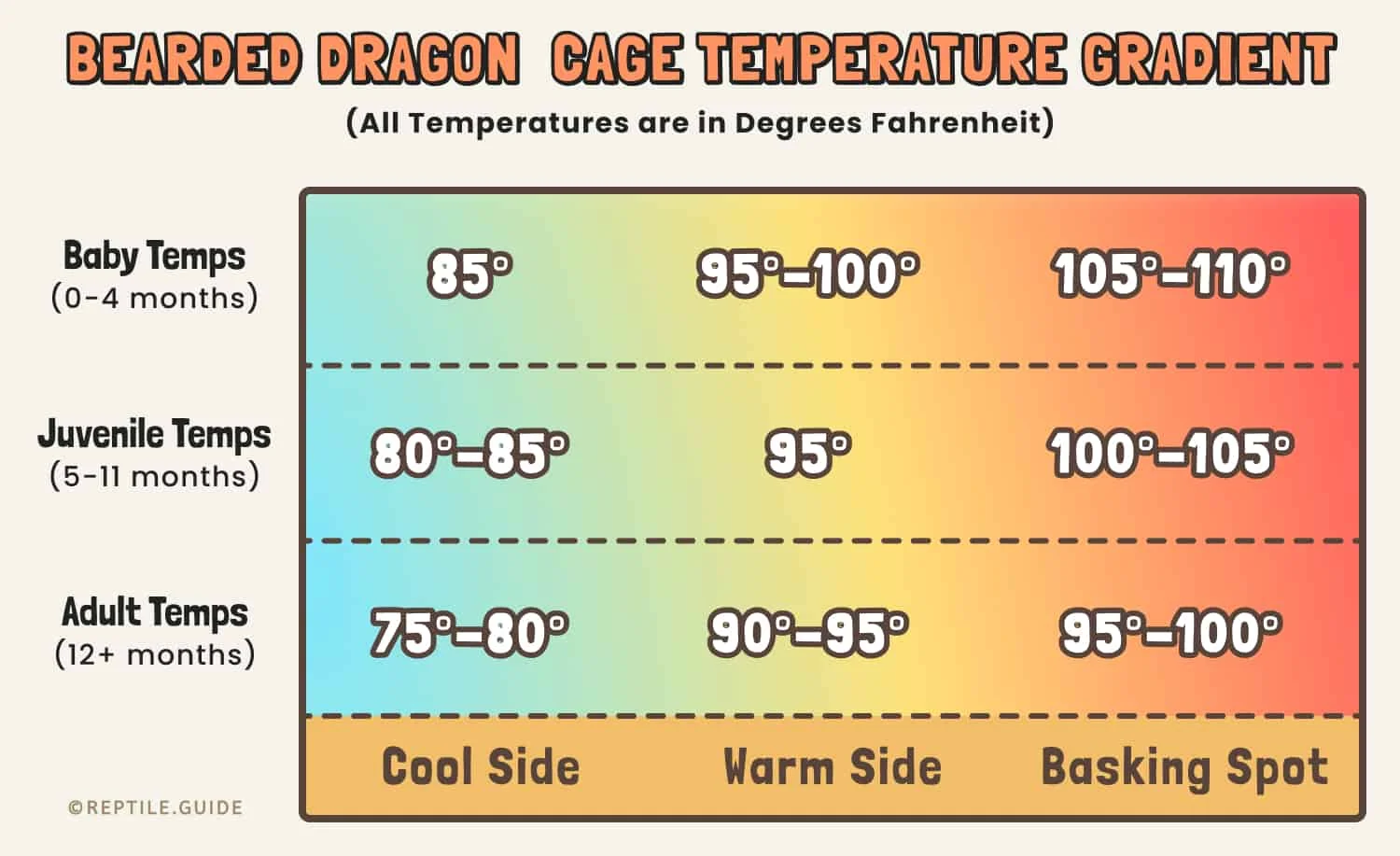
Once the baby bearded dragons hatch, they need a special environment to thrive. Set up a separate enclosure with proper lighting, a temperature gradient, and a substrate suitable for young dragons. Provide access to fresh water and a balanced diet of small insects and finely chopped vegetables. Monitor the hatchlings for any signs of illness or stress, and seek veterinary care if needed. Handle them gently, and allow them to acclimate to their new surroundings. A suitable environment helps them grow and develop normally. Proper post-incubation care will give your new baby dragons the best start in life.