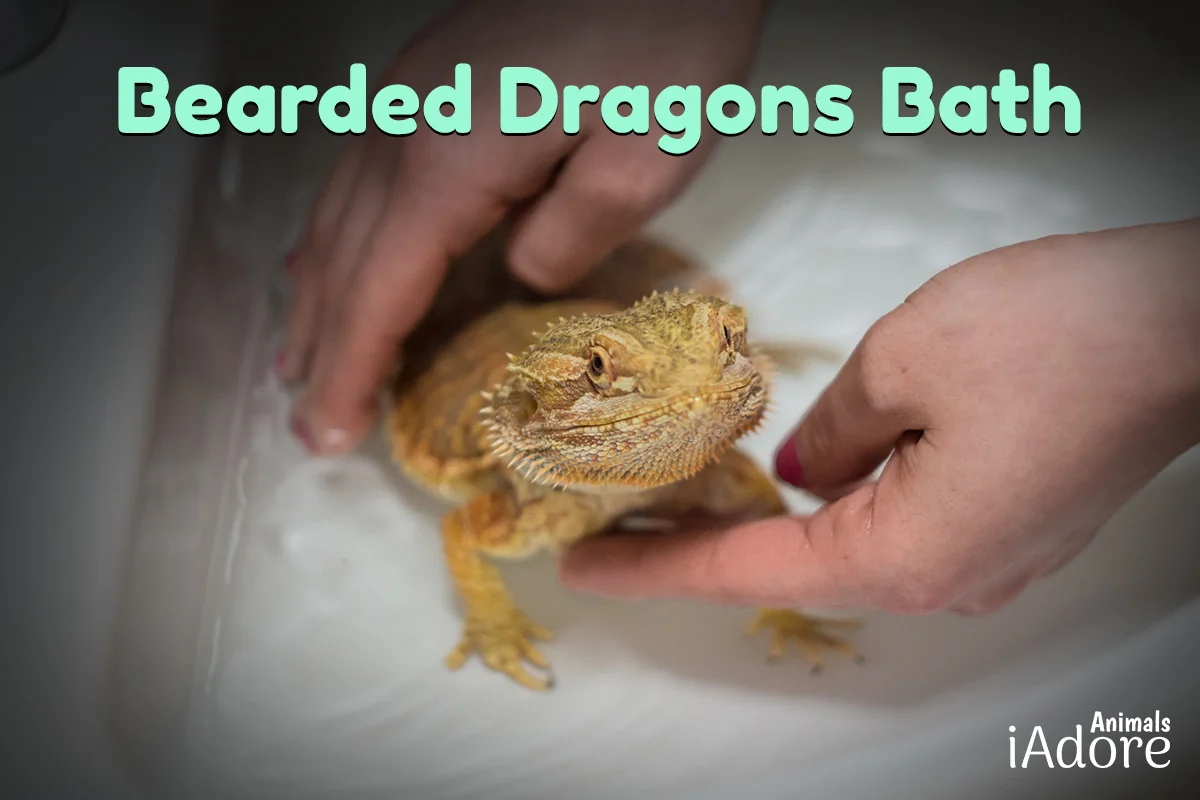
The Importance of Hydration for Bearded Dragons
Bearded dragons, native to the arid regions of Australia, have unique hydration needs. Proper hydration is not merely about survival; it’s crucial for their overall health and well-being. Dehydration in bearded dragons can lead to a range of health problems, from mild lethargy to severe organ damage and even death. Understanding the importance of hydration is the first step in providing optimal care for your scaly companion. This guide will help you understand the key aspects of hydration to keep your bearded dragon thriving.
Why Hydration Matters
Hydration is vital for numerous physiological processes in bearded dragons. Water aids in digestion, nutrient absorption, and waste elimination. It also helps regulate body temperature and supports the proper function of vital organs, including the kidneys and liver. When a bearded dragon is adequately hydrated, its skin is supple, its eyes are bright, and it exhibits normal activity levels. Dehydration disrupts these essential functions, making the animal susceptible to various health complications. A well-hydrated dragon is a healthy and happy dragon, and that’s the ultimate goal.
Signs of Dehydration in Bearded Dragons
Recognizing the signs of dehydration is critical for timely intervention. Common indicators include sunken eyes, wrinkled skin, and a loss of skin elasticity – when you gently pinch the skin, it doesn’t bounce back quickly. Other signs are lethargy, loss of appetite, and dry or sticky feces. In severe cases, the dragon may exhibit labored breathing or paralysis. If you observe any of these signs, immediate action is necessary. Consult with a veterinarian and adjust your care practices to ensure your bearded dragon receives the hydration it needs. Early detection can make all the difference.
The Top 5 Must-Knows for Bearded Dragon Hydration
Fresh Water is a Must
Providing fresh, clean water daily is the cornerstone of proper hydration. Bearded dragons often don’t drink from standing water, but it’s still essential to have it available. Always use a shallow water bowl to prevent accidental drowning. Clean the bowl daily to prevent bacterial growth. Consider the size and material of the water bowl, ensuring it’s stable and won’t tip over easily. The location of the water bowl matters; place it away from the basking spot to prevent the water from evaporating too quickly. A reliable water source is a fundamental requirement for your pet’s survival.
Water Bowl Selection and Placement
Choose a water bowl that is easy to clean and made from a non-toxic material. Ceramic bowls are a good choice because they are stable and won’t tip easily. Glass bowls are also suitable, provided they are not too fragile. The bowl should be shallow enough to prevent accidental drowning, especially for juveniles. Place the bowl in a cooler area of the enclosure, away from the basking spot, to prevent the water from evaporating too quickly. Regularly inspect the bowl for cleanliness and replace the water daily to maintain its freshness.
How Often to Change the Water
Change the water in your bearded dragon’s bowl daily. This ensures that the water remains clean and free of bacteria. Even if the water appears clear, it can harbor harmful microorganisms. Regularly changing the water also helps to maintain the humidity levels in the enclosure. If you have multiple dragons in the same enclosure, increase the frequency of water changes. Consider using filtered water to provide the best possible hydration for your pet.
Offer Fresh Vegetables Daily

In addition to water, bearded dragons obtain hydration from their diet. Fresh, water-rich vegetables are a crucial component of a balanced diet. These vegetables not only provide hydration but also essential vitamins and minerals. Vary the vegetables you offer to ensure your dragon receives a wide range of nutrients. Avoid vegetables that are high in oxalates, which can interfere with calcium absorption. A diverse diet contributes significantly to your dragon’s overall health and hydration.
Best Vegetables for Hydration

Several vegetables are particularly beneficial for hydration due to their high water content. Examples include dark leafy greens like collard greens, mustard greens, and turnip greens. Other excellent choices are bell peppers (especially red and yellow), zucchini, and cucumbers. Always wash vegetables thoroughly before offering them to your dragon. Chop the vegetables into small, manageable pieces to make them easier to eat. Introducing a variety of these vegetables into the diet provides necessary hydration and supports optimal health.
How to Ensure They Eat Vegetables
Some bearded dragons can be picky eaters. To encourage vegetable consumption, try different strategies. Offer vegetables alongside their favorite insects. Chop the vegetables finely and mix them with insect food. You can also try different types of vegetables until you find those your dragon enjoys most. Ensure the vegetables are fresh and of good quality. If your dragon still refuses to eat vegetables, consult with a veterinarian or reptile specialist. Proper nutrition is crucial for healthy hydration.
Misting is Your Friend
Misting your bearded dragon’s enclosure can help increase humidity and provide an additional source of hydration. Use a spray bottle filled with dechlorinated or filtered water. Mist the enclosure lightly, avoiding direct spraying of the dragon’s face. Misting mimics natural rainfall, encouraging the dragon to drink. Observe your dragon’s behavior to determine the optimal misting frequency. Misting can be especially helpful during shedding, when dragons need extra hydration.

Misting Frequency and Techniques
Misting frequency depends on the humidity levels in the enclosure and your dragon’s individual needs. A good starting point is to mist the enclosure once or twice a day. Use a fine mist and aim for the enclosure walls and plants, allowing water droplets to form. Observe your dragon’s behavior; if it appears to enjoy misting, you can increase the frequency. However, don’t over-mist, as excessive humidity can lead to respiratory issues and other health problems. Always use dechlorinated or filtered water for misting.

Avoid Over-Misting
While misting is beneficial, over-misting can create an environment that promotes bacterial and fungal growth, leading to respiratory infections. Monitor the humidity levels in the enclosure using a hygrometer. The ideal humidity range is usually between 30% and 40%. If the humidity is consistently above this range, reduce the misting frequency. Ensure adequate ventilation in the enclosure to prevent humidity buildup. Over-misting can be counterproductive and harmful to your bearded dragon.
The Role of Humidity
Humidity plays a significant role in a bearded dragon’s hydration. Low humidity can lead to dehydration and difficulty shedding. High humidity can lead to respiratory problems and fungal infections. Maintaining the correct humidity level is, therefore, crucial. Humidity affects the dragon’s ability to regulate its body temperature and can impact its overall well-being. Monitoring and maintaining humidity is a key aspect of proper reptile care.
Ideal Humidity Levels
The ideal humidity level for a bearded dragon enclosure typically ranges between 30% and 40%. During shedding, a slightly higher humidity level (around 50%) can be beneficial. However, always prioritize preventing high humidity. Use a hygrometer to measure the humidity levels accurately. Adjust your misting and enclosure setup to maintain the optimal range. Keeping these levels consistent will help your bearded dragon thrive.
Humidity Monitoring
Invest in a reliable hygrometer to monitor the humidity levels in the enclosure. Digital hygrometers are generally more accurate than analog ones. Place the hygrometer in the middle of the enclosure, away from direct heat sources and water sources, to get an accurate reading. Regularly check the hygrometer and adjust your misting practices and ventilation as needed. Monitoring humidity is a fundamental aspect of responsible bearded dragon care.
Proper Lighting and Heat
Proper lighting and heat are essential for bearded dragon hydration. UVB lighting aids in calcium absorption, which is essential for overall health. Adequate heat encourages the dragon to bask, which aids in digestion and metabolism. These factors indirectly contribute to hydration. A well-lit and properly heated enclosure provides a healthy environment where your bearded dragon can efficiently utilize nutrients and stay hydrated.

How Lighting Affects Hydration
UVB lighting is essential for calcium absorption, which impacts the dragon’s overall health and hydration. Without proper UVB, the dragon can’t properly process calcium, which leads to health problems. Ensure the UVB bulb is of the correct type and strength and is replaced regularly, as the UVB output diminishes over time. Place the UVB light appropriately to allow your dragon to bask and receive the necessary UVB exposure for healthy hydration.
Temperature and Dehydration Risk
The correct temperature gradient in the enclosure is essential. A basking spot with the right temperature is crucial for digestion and metabolism. If the enclosure is too cold, the dragon may not eat or drink properly, increasing the risk of dehydration. Provide a temperature gradient, with a warm basking spot and a cooler area where your dragon can regulate its body temperature. Monitor the temperature using a thermometer. Ensure a consistent temperature gradient for optimal health and hydration.

Conclusion
Providing optimal hydration is a fundamental aspect of bearded dragon care. By understanding the importance of hydration and implementing these top 5 must-knows, you can significantly improve your bearded dragon’s health and well-being. Remember to provide fresh water daily, offer water-rich vegetables, mist the enclosure as needed, monitor humidity, and ensure proper lighting and heat. Your dedication to these practices will help your scaly companion thrive. Proper hydration leads to a happy, healthy bearded dragon, and a happy dragon is a rewarding companion. If you have any concerns, consult with a veterinarian specializing in reptiles.