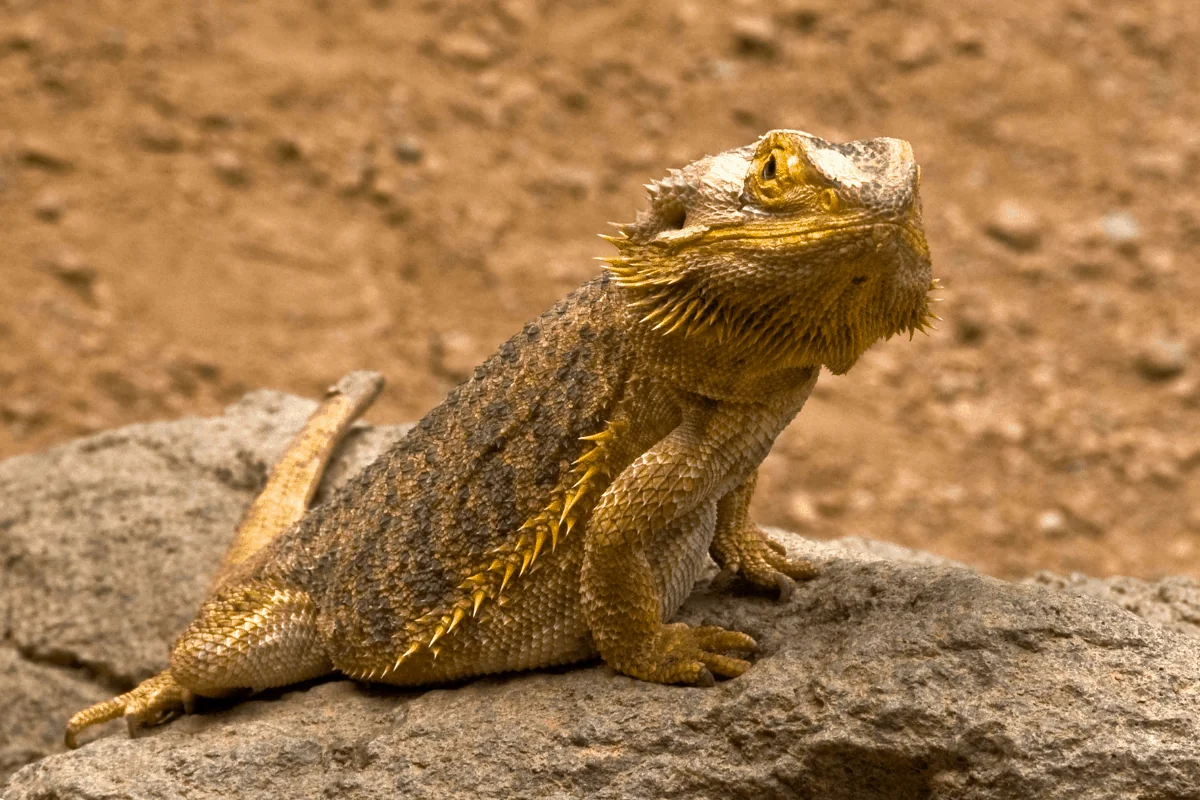
Understanding Humidity Needs for Bearded Dragons
Bearded dragons, originating from the arid and semi-arid regions of Australia, have specific environmental needs to thrive in captivity. A critical aspect of their well-being is maintaining the correct humidity levels within their enclosure. These reptiles are ectothermic, meaning they rely on external sources to regulate their body temperature. Humidity plays a significant role in their ability to shed their skin properly, stay hydrated, and maintain overall health. The delicate balance of humidity is especially important for bearded dragons kept in desert environments, which naturally have low humidity levels. Replicating the correct humidity levels is essential to prevent health problems like respiratory infections and shedding difficulties.
Why Humidity Matters for Bearded Dragons
Humidity directly affects several physiological processes in bearded dragons. It assists in shedding, where the outer layer of skin is replaced. Proper humidity keeps the skin supple, allowing for a smooth and complete shed. Insufficient humidity can lead to retained sheds, where pieces of old skin remain attached, particularly around the toes, tail, and head. This can restrict blood flow and potentially cause infections. Moreover, humidity influences a dragon’s hydration. While bearded dragons primarily absorb water through their diet and by drinking, the humidity in the air can affect their hydration levels, especially in arid climates. It also impacts their respiratory health, reducing the risk of infections and ensuring the proper function of their lungs. Correct humidity is critical for the optimal health of your pet.
Humidity and Respiratory Issues
Improper humidity levels can significantly impact a bearded dragon’s respiratory health. Low humidity can dry out the respiratory passages, making them more susceptible to infections. High humidity, on the other hand, can create an environment conducive to bacterial and fungal growth, which can also lead to respiratory infections. Symptoms of respiratory infections include labored breathing, wheezing, mucus discharge from the nose or mouth, and lethargy. Maintaining the correct humidity range is therefore crucial for preventing such issues and ensuring your bearded dragon’s respiratory system functions optimally. Regular monitoring of the enclosure’s humidity levels is a key aspect of preventive care.
Signs of Improper Humidity Levels
It’s important to recognize the signs of incorrect humidity levels to promptly address any issues. Low humidity can lead to dry, flaky skin, incomplete shedding, and dehydration. You might observe your bearded dragon rubbing against objects in its enclosure to try and remove stuck shed. High humidity, conversely, might manifest as skin infections, lethargy, and an overall lack of energy. Watch for changes in your dragon’s behavior, such as a loss of appetite or unusual breathing. If you notice any of these signs, it is crucial to check the humidity levels in the enclosure and make the necessary adjustments. Early detection and intervention are vital to prevent more serious health problems.
Bearded Dragon Dehydration Symptoms
Dehydration is a serious concern for bearded dragons, and improper humidity can exacerbate this issue. Symptoms of dehydration include sunken eyes, wrinkled skin, lethargy, and loss of appetite. The dragon’s droppings may also appear drier and more concentrated. Dehydration can quickly lead to other health complications, so it’s vital to address the issue immediately. Ensuring that your bearded dragon has access to fresh water and that the humidity levels are correct can help prevent dehydration. If you suspect your dragon is dehydrated, consulting with a veterinarian specializing in reptiles is essential to determine the best course of action.
Humidity Levels in Desert Environments
Replicating a desert environment in captivity can be challenging, but it’s essential for your bearded dragon’s well-being. Deserts are characterized by low humidity, typically ranging from 20% to 40%. The ambient humidity in your home might be very different, especially in climates that are naturally more humid. Therefore, it is important to regularly monitor the humidity levels within the enclosure and make necessary adjustments to mimic their natural habitat as closely as possible. This careful attention to the environment will contribute significantly to your dragon’s comfort and health. The key is to strike a balance; too much humidity can be as harmful as too little.
Ideal Humidity Range for Bearded Dragons
The ideal humidity range for a bearded dragon is generally between 30% and 40%. However, it’s important to consider that these reptiles need a slight increase in humidity during shedding. A short-term increase, up to 50%, can be beneficial during shedding to aid the process. However, constant exposure to humidity above 50% can lead to health issues. Maintaining this narrow range requires careful monitoring and adjustments based on your dragon’s needs and the environmental conditions. Always aim for consistency and prioritize your dragon’s health over convenience. A consistent environment is crucial for a healthy and happy pet.
Adjusting Humidity in Your Bearded Dragon’s Enclosure
Adjusting the humidity in your bearded dragon’s enclosure requires a proactive approach. This typically involves using a combination of tools and techniques to ensure that you can closely monitor and regulate the environment. You’ll need to monitor and adjust the enclosure to find the right balance for your pet. It’s a dynamic process and may need fine-tuning based on your local conditions and your dragon’s individual needs. The methods you choose should aim to increase or decrease humidity depending on what your measurements indicate.
Using a Hygrometer
A hygrometer is an essential tool for monitoring humidity levels within the enclosure. Choose a digital hygrometer with a clear display for accurate readings. Place the hygrometer in a central location within the enclosure, away from direct heat sources and water sources, to get an accurate reading of the overall humidity. Hygrometers provide crucial information to manage your dragon’s environment effectively. It’s better to invest in one that gives you both humidity and temperature readings for the best results. Make sure you check and calibrate it regularly to ensure accuracy.
Placement of Hygrometer
The placement of the hygrometer is crucial for obtaining reliable readings. Position the hygrometer at the level of the bearded dragon, usually in the middle of the enclosure. This is where the dragon spends most of its time. Avoid placing it too close to heat lamps or water dishes, as this can skew the readings. A good rule of thumb is to put it in a place that is representative of the overall environment. Some owners place more than one hygrometer in different zones within the enclosure to understand any variations in humidity. Consistency is key; check the readings at the same time each day.
Humidity Control Methods
Various methods can be used to control humidity levels in a bearded dragon’s enclosure. These methods can be applied individually or in combination depending on your specific needs. The key is to understand the conditions of your environment and what your dragon’s enclosure needs to maintain healthy humidity levels. Whether you need to increase or decrease the humidity, there are several tools and techniques that can help. Remember that the goal is to create the ideal environment for your pet.

Misting and Spraying Techniques
Misting or spraying the enclosure with a spray bottle filled with dechlorinated water is a common method to increase humidity temporarily, particularly during shedding. However, be cautious not to over-mist, as excessive moisture can lead to bacterial growth and respiratory issues. Mist the enclosure once or twice a day, allowing the water to evaporate. Focus the mist on the cooler side of the enclosure. Make sure the enclosure has adequate ventilation to prevent moisture from building up. Monitor the humidity levels carefully with a hygrometer to ensure that you are not exceeding the desired range. This is a quick fix but should not be the only method used for controlling humidity.
Using a Humidifier
A humidifier can be a beneficial tool for maintaining consistent humidity levels. Choose a humidifier specifically designed for reptile enclosures or a cool-mist humidifier. Place the humidifier outside the enclosure, directing the mist towards the enclosure to prevent excessive moisture build-up. Regular cleaning of the humidifier is essential to prevent the growth of mold and bacteria. Monitor the enclosure’s humidity levels closely and adjust the humidifier’s settings accordingly to achieve the desired range. Start with low settings and make adjustments as needed. Humidifiers offer a more controlled way to maintain humidity compared to misting, especially in dry climates.
Benefits of a Humidifier
Humidifiers offer several advantages in maintaining optimal humidity levels. They provide a consistent and controlled method for increasing humidity, which is especially beneficial in dry climates. They help to prevent respiratory problems, aid in shedding, and promote overall health. Unlike misting, humidifiers often have settings that you can regulate to easily control humidity. Choosing the right humidifier ensures your bearded dragon’s comfort and health. Ensure you clean the humidifier regularly to prevent the spread of bacteria. When the humidity is controlled effectively, your bearded dragon will thrive.
Providing a Humidity Hide

A humidity hide is a small, enclosed space within the enclosure that provides a localized area of higher humidity. This can be particularly beneficial during shedding. Use a plastic container with a small opening and fill it with damp sphagnum moss, paper towels, or other absorbent material. The humidity hide should be placed on the cooler side of the enclosure. It allows your bearded dragon to regulate its own hydration and facilitates the shedding process. Regularly check the humidity hide to ensure the material remains damp but not overly wet. This offers a safe place for your dragon to seek comfort and humidity when needed.
Choosing the Right Substrate
The substrate, or bedding, you choose for your bearded dragon’s enclosure can also impact humidity levels. Some substrates absorb more moisture than others. The best substrates for desert environments allow for proper drainage, helping to maintain the ideal humidity. The substrate you choose is crucial to maintaining the overall environment. Use substrates that allow for good drainage. Choose a substrate that is easy to clean and replace to maintain a healthy environment. Consider the impact of substrate on overall air quality, too.
Substrates to Avoid

Some substrates can trap moisture and increase humidity, leading to problems. Avoid substrates like wood shavings, which can mold quickly in a humid environment. Also, avoid using sand-based substrates, as these can potentially cause impaction if ingested. Consider substrates that offer good drainage and are easy to clean. The right substrate makes it easy to control your dragon’s environment and keep it healthy. Choose substrates that don’t contribute to the enclosure’s humidity levels and make it easy to maintain the ideal levels.

Monitoring and Maintaining Humidity
Regular monitoring and consistent maintenance are key to ensuring optimal humidity levels. It’s not enough to set up your equipment and hope for the best; you need to be proactive. Regular checks and adjustments will help ensure a healthy environment for your bearded dragon. This consistent effort will contribute significantly to your pet’s well-being. Remember that the environment is dynamic, so you should check the humidity levels at least once per day, even twice if the humidity is difficult to manage.

Daily Humidity Checks

Make it a routine to check the humidity levels in your bearded dragon’s enclosure daily. Note the readings from the hygrometer and make any necessary adjustments. Check the humidity levels at the same time each day to ensure consistency. This will allow you to identify any trends or fluctuations in humidity levels. Daily monitoring allows for prompt intervention if humidity levels are outside the desired range. Keeping a log of your humidity readings and adjustments will help you to track and understand your bearded dragon’s environment.
Seasonal Adjustments
Be prepared to make seasonal adjustments to humidity levels. The humidity in your home can vary depending on the time of year, especially in desert environments. You may need to increase humidity during dry winter months. Similarly, you may need to decrease humidity during humid summer months. Consider the local conditions and how these will impact the enclosure. Keep an eye on your bearded dragon and make adjustments based on their specific needs. Your bearded dragon’s health and comfort are the priority, so adjust as needed.
Common Mistakes to Avoid
There are several common mistakes that can lead to humidity problems. One is neglecting to monitor humidity levels regularly. Another is over-misting or using excessively humid substrates, which can promote bacterial growth. Conversely, underestimating the importance of humidity can lead to serious issues. Not having a reliable hygrometer is a mistake that can also create issues. Correcting these mistakes is simple, so you can easily adjust to help your bearded dragon thrive.
Bearded dragons require a delicate balance of humidity to thrive, especially in desert environments. By understanding the role of humidity, using appropriate monitoring tools, and making necessary adjustments, you can create a healthy and comfortable environment for your pet. Regular monitoring, attention to detail, and a proactive approach are key to ensuring your bearded dragon’s health and happiness.