Top 5 Heating Options for Bearded Dragons
Providing the correct heating is not just important for a bearded dragon’s well-being, it’s absolutely essential for their survival and happiness. As cold-blooded creatures, these reptiles depend entirely on external heat sources to regulate their body temperature, digest food, and maintain a healthy metabolism. This comprehensive guide will delve into the top heating options for your bearded dragon, ensuring you can create a safe and thriving environment for your scaly companion. This post will explore five of the most effective and popular heating solutions, each with its own set of advantages and considerations. You’ll learn about basking bulbs, ceramic heat emitters, under-tank heaters, infrared heat lamps, and heat mats. By understanding these options, you’ll be well-equipped to make informed decisions and provide the best possible care for your bearded dragon.
Why Proper Heating Is Crucial for Bearded Dragons
Bearded dragons are ectothermic, meaning they rely on external heat sources to regulate their body temperature. Unlike mammals that can generate their own heat, bearded dragons require a warm environment to function properly. If a bearded dragon is kept in an environment that is too cold, it can lead to a range of health issues, including slowed digestion, weakened immune system, respiratory infections, and lethargy. Adequate heating allows them to digest food efficiently, absorb essential nutrients like calcium and vitamin D3, and maintain a healthy immune system. Moreover, appropriate temperatures promote activity, helping the bearded dragon to eat, play and enjoy a high quality of life.
Understanding the Importance of Temperature Gradients
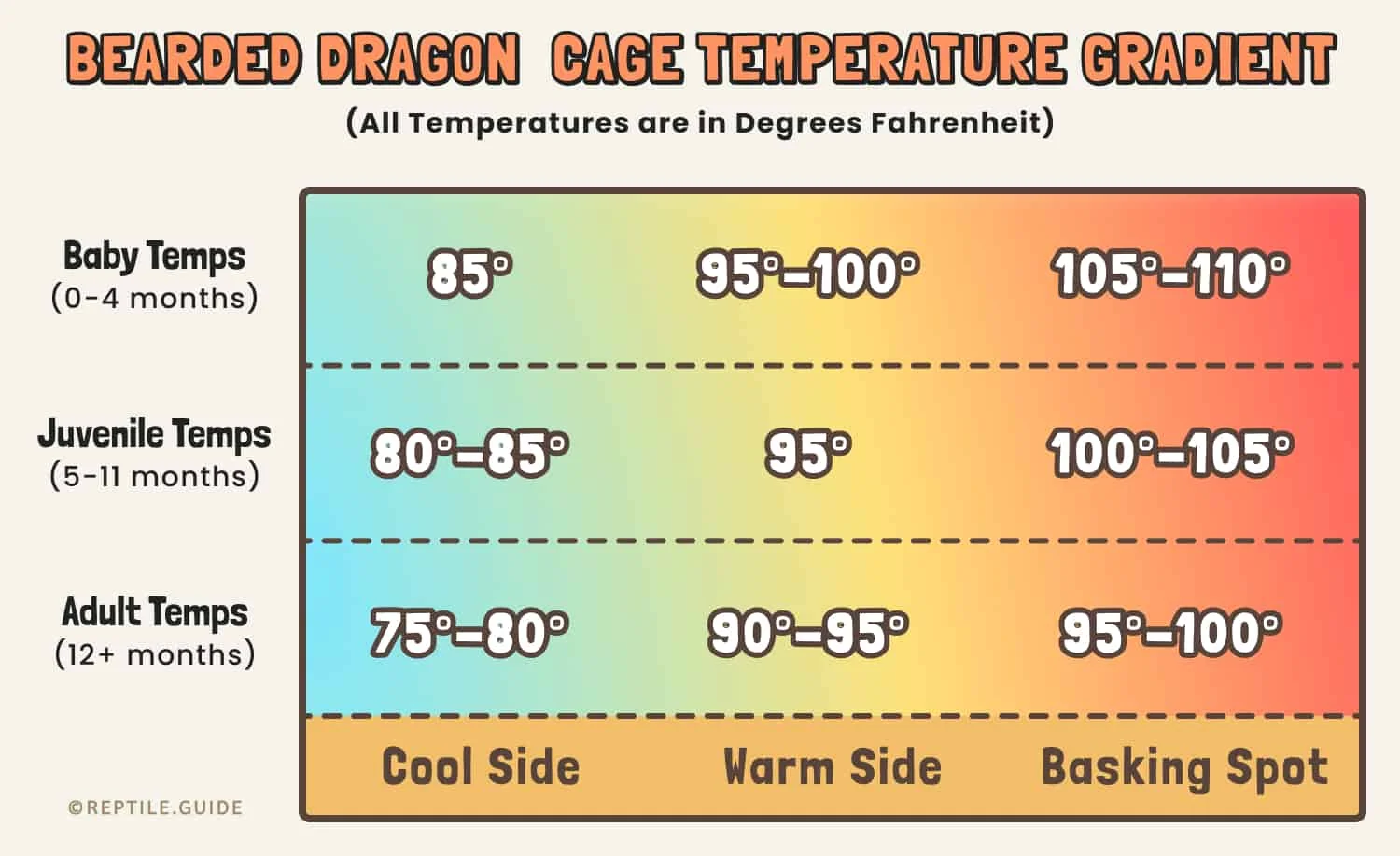
A temperature gradient is a crucial element in a bearded dragon’s enclosure. This means that the enclosure should have different temperature zones, allowing the dragon to choose the area where they feel most comfortable. A proper setup includes a basking area (around 100-110°F or 38-43°C), a warm side (around 85-95°F or 29-35°C), and a cool side (around 75-80°F or 24-27°C). This gradient is not just for comfort; it’s essential for their health. The basking spot allows them to absorb heat for digestion and other metabolic processes. The cooler side provides a refuge where they can retreat to avoid overheating. This gradient also assists with thermoregulation, allowing the dragon to maintain its optimal body temperature and stay healthy. Without it, they may struggle to regulate their body temperature, leading to health complications.
Best Heat Sources for Bearded Dragons
Choosing the right heat sources is vital to provide these temperature gradients. There are several heating options available, each with its own pros and cons. The best approach often involves combining different types of heat sources to ensure a well-regulated and safe environment. In the following sections, we’ll delve into the specifics of five popular heating options, comparing their benefits and drawbacks to help you choose the most suitable options for your bearded dragon.
Basking Bulbs
Basking bulbs are one of the most common and effective ways to provide heat for bearded dragons. They offer direct heat and light, mimicking the natural sunlight that bearded dragons would experience in their native habitats. These bulbs create a basking spot where the dragon can absorb heat, which is essential for digestion and vitamin D3 synthesis. Basking bulbs usually come in different wattages, and the correct choice depends on the size of the enclosure and the ambient temperature of your home. It is important to position the bulb correctly to achieve the desired basking temperature without overheating the dragon. Furthermore, make sure you’re using a bulb specifically designed for reptiles, with appropriate UV output for optimal health.
Choosing the Right Wattage
Selecting the right wattage is a key factor in ensuring your bearded dragon’s enclosure maintains the appropriate temperature gradient. The wattage of the basking bulb will determine how much heat is produced. Consider the size of the enclosure; a larger enclosure will typically require a higher wattage bulb to achieve the desired basking temperature. Also take into consideration the ambient temperature of the room where the enclosure is located. In cooler environments, you may need a higher wattage bulb than in a warmer room. Always monitor the temperatures with a reliable thermometer and thermostat, and adjust the wattage or the distance of the bulb from the basking spot as needed.

Ceramic Heat Emitters
Ceramic heat emitters (CHEs) are another excellent option for heating bearded dragon enclosures. Unlike basking bulbs, CHEs do not emit light, but only heat. This is a great advantage if you want to maintain a consistent temperature without disrupting the dragon’s day-night cycle. CHEs are made of ceramic material and produce infrared heat, which is very effective for warming the air in the enclosure. They are particularly useful at night or in situations where you need to provide supplemental heat without light. You can use CHEs as the primary heat source, or in combination with a basking bulb to create a proper heat gradient.
Benefits of Ceramic Heat Emitters
The main benefit of CHEs is their ability to provide consistent heat without emitting light. This makes them an excellent choice for maintaining the temperature at night, preventing the enclosure from getting too cold and affecting the dragon’s metabolism. Because they don’t produce light, CHEs won’t disrupt the bearded dragon’s sleep cycle. CHEs are long-lasting and durable, often lasting for several years. They also distribute heat evenly, which helps create a consistent temperature gradient within the enclosure, benefiting the dragon. For these reasons, CHEs are popular for reptile owners.
Under Tank Heaters
Under-tank heaters (UTHs) are often used to provide supplemental heat, especially in the cool side of the enclosure or for young dragons. They work by heating the bottom of the tank, which then radiates heat upward. While they can be a good supplemental heat source, they should never be the primary source, as the bearded dragon needs a basking spot with a higher temperature. UTHs are easy to install and can be a cost-effective option, but you should always use them cautiously. They are available in various sizes and wattages, allowing you to choose the one that best suits the dimensions of the enclosure.
Precautions with Under Tank Heaters
It’s critical to use UTHs safely and properly. The heater should be placed on the outside bottom of the tank, and you must use a thermostat to regulate the temperature. Without a thermostat, the UTH can overheat and burn the dragon, causing serious injury. Never place a UTH directly inside the enclosure. Make sure the substrate used on the bottom of the tank is appropriate for the UTH; materials like reptile carpet, ceramic tile, or a thin layer of sand are generally suitable. Avoid using loose substrates directly on the UTH, as they can cause excessive heat buildup and potentially burn your bearded dragon.
Infrared Heat Lamps
Infrared heat lamps offer another way to provide heat, and often are designed to mimic natural sunlight. They provide both heat and light, and come in red, blue, or clear varieties. The colored bulbs often emit a softer light, which can be helpful at night, while the clear ones provide a brighter basking spot. When choosing an infrared heat lamp, consider the wattage and the size of your enclosure. Make sure the bulb is positioned safely, and that the dragon cannot come into direct contact with it to prevent burns. Pair the infrared heat lamp with a thermostat to maintain a consistent temperature.

Advantages of Infrared Heat Lamps

Infrared heat lamps offer several advantages, including their ability to provide both heat and light in a single fixture. This simplifies the setup and reduces the number of fixtures you need. The light emitted by these lamps can create a natural-looking environment for the bearded dragon, simulating sunlight. The red or blue varieties can be used at night, allowing you to observe your dragon without disturbing its natural sleep cycle. They offer great versatility and can be adjusted based on the dragon’s specific needs. When used with proper temperature monitoring, these lamps contribute significantly to a healthy and comfortable environment.

Heat Mats
Heat mats are similar to UTHs, but they are often smaller and can be used for smaller enclosures. They are placed under the tank or along the side and provide a gentle source of heat. Heat mats are most appropriate for young bearded dragons or those in smaller enclosures, as they don’t provide the intensity of heat needed for larger dragons. Always use a thermostat with a heat mat to prevent overheating, and ensure the mat is placed safely outside of the enclosure.
Heat Mat Safety Considerations


Heat mats, like UTHs, require careful use to ensure the safety of your bearded dragon. Always use a thermostat to monitor and regulate the temperature. Never place the heat mat directly inside the enclosure, and make sure the dragon cannot come into contact with it. Choose the right size mat that covers only a portion of the enclosure to maintain a temperature gradient. Monitor the temperature of the warm side of the enclosure with a thermometer, and adjust the settings of the thermostat to achieve the desired temperature. Regular checks and safety measures are vital for the wellbeing of your bearded dragon.

Monitoring and Maintaining Proper Temperatures
Temperature monitoring is crucial for ensuring a safe and healthy environment for your bearded dragon. Using a thermometer and a thermostat is essential. Place thermometers at both the basking spot and the cool side of the enclosure to monitor the temperature gradient. A thermostat regulates the heat source, preventing overheating and maintaining the desired temperature. This combination of accurate monitoring and control ensures that the environment within the enclosure is ideal for your bearded dragon.
Using Thermometers and Thermostats
Thermometers are crucial for monitoring the temperatures within the enclosure. Digital thermometers with probes are recommended, as they provide more accurate readings. Place a thermometer at the basking spot and on the cool side to ensure the temperature gradient is correct. Thermostats are essential for regulating the heat sources and preventing overheating. There are different types of thermostats available, including on/off thermostats and proportional thermostats. Choose a thermostat that suits your needs and heat sources, and always calibrate it for accurate temperature control. Regularly check the thermometers and thermostats to ensure they are functioning correctly, and that the enclosure is providing a safe and comfortable habitat for your bearded dragon.
Creating a Safe Heating Environment
Safety should always be your top priority when setting up a heating system for your bearded dragon. Regular inspections of all heating equipment are critical to identify any potential hazards. Choose appropriate wattage bulbs and heating elements to avoid burns, and never place heating devices inside the enclosure where the dragon could come into direct contact with them. Always follow the manufacturer’s instructions and use the appropriate accessories to maintain a safe environment. By taking these steps, you can create a secure and healthy habitat that will enable your bearded dragon to thrive.
Avoiding Common Heating Hazards
There are several common hazards to avoid when providing heat for your bearded dragon. One is the risk of burns from direct contact with heating elements. Make sure all heat sources are positioned outside of the enclosure. Overheating is another major hazard, so ensure the temperature is properly regulated by a thermostat. Avoid using rocks or other items that can trap heat beneath a basking bulb. Make sure all electrical components are properly installed and safe from moisture. By being aware of these hazards and implementing safety precautions, you can protect your bearded dragon from potential injuries.
Final Thoughts Choosing Heating for Your Bearded Dragon
Choosing the right heating options is an important aspect of caring for your bearded dragon, and will significantly influence their health, activity, and overall well-being. Consider factors such as enclosure size, ambient room temperature, and your dragon’s specific needs when choosing heating options. By understanding the different options available, from basking bulbs and ceramic heat emitters to under-tank heaters and heat mats, you can create a safe, comfortable, and enriching environment for your pet. Prioritize safety by using thermostats, monitoring temperatures, and regularly inspecting all heating equipment. By creating a properly heated enclosure with a temperature gradient, you’re helping your bearded dragon live a long, healthy, and happy life. With careful planning and attention to detail, you can provide your bearded dragon with an environment that supports their unique needs.