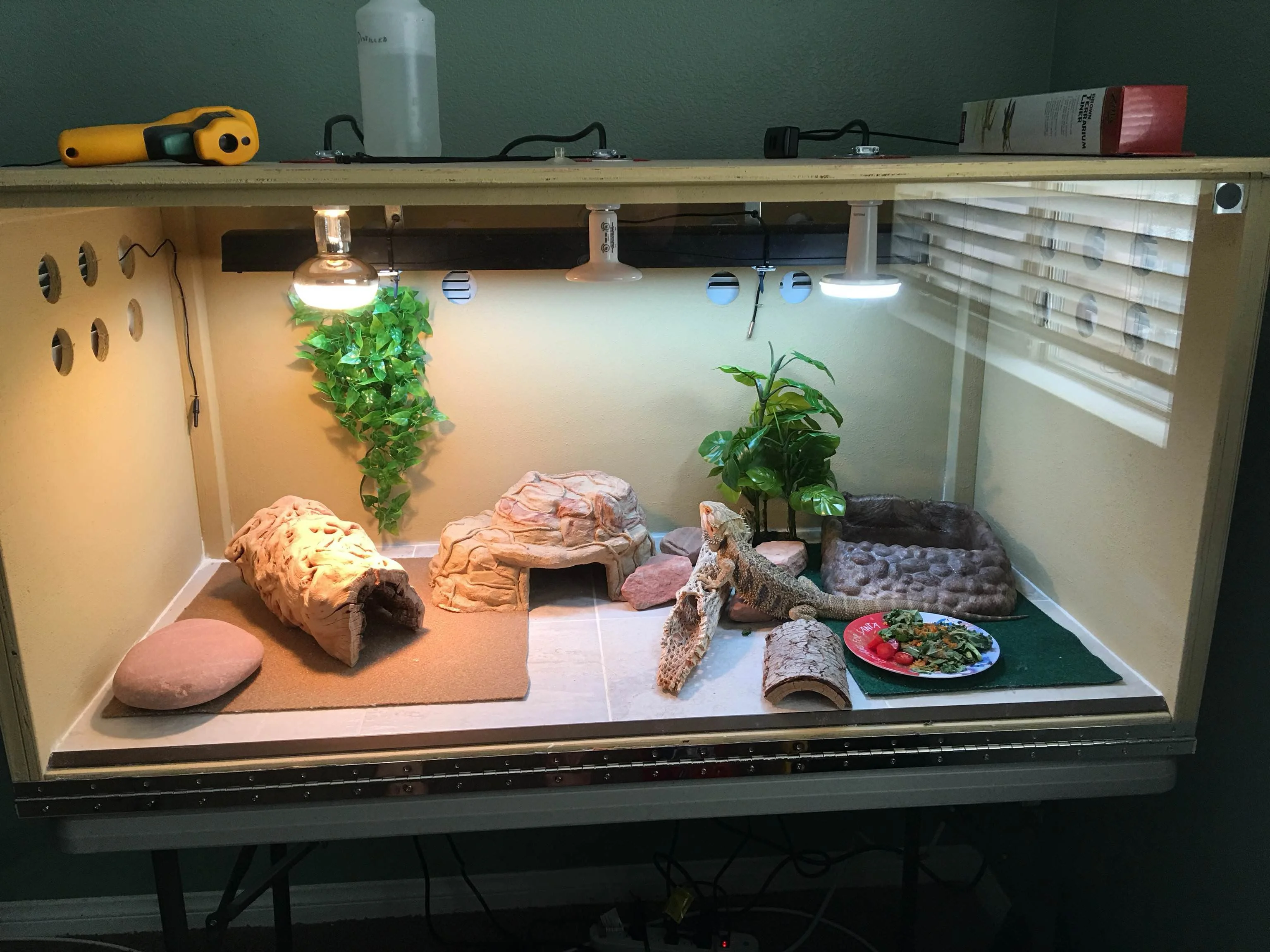
Choosing Bearded Dragons Heating Options
Providing proper heating is one of the most critical aspects of caring for a bearded dragon. These fascinating reptiles are ectothermic, meaning they rely on external heat sources to regulate their body temperature. Without adequate heating, a bearded dragon cannot properly digest food, maintain a healthy immune system, or exhibit normal activity levels. Choosing the right heating options is therefore essential for their well-being and longevity. This guide explores the best heating solutions available, taking into account different enclosure sizes and the specific needs of your pet. Understanding the fundamentals of heating is the first step in ensuring your bearded dragon thrives in its environment.
Understanding the Importance of Heating
The correct temperature range is vital for all aspects of a bearded dragon’s health. They require a basking spot for thermoregulation, with temperatures ranging from 95-110°F (35-43°C), and a cooler side of the enclosure to allow them to regulate their body temperature. The temperature gradient allows your bearded dragon to move to areas that satisfy their needs. A consistent temperature in the enclosure throughout the day and night is also essential, with slightly lower temperatures at night but never below 65°F (18°C). When a bearded dragon is too cold, its metabolism slows down, and it is unable to digest food properly, leading to health issues. Inadequate heating can also suppress their immune system, making them more susceptible to illness. Therefore, creating and maintaining the right thermal environment is one of the most important aspects of bearded dragon care.
Different Enclosure Sizes and Heating Needs
The size of your bearded dragon’s enclosure is a primary factor in determining the appropriate heating solutions. Smaller enclosures require less powerful heating elements and careful monitoring to prevent overheating, while larger enclosures require more robust systems to maintain the desired temperature gradient. Considerations include the size of the basking spot, the overall ambient temperature, and the placement of the heating elements. It is also important to consider the material of the enclosure as glass and wood, retain heat differently. Choosing the right heating solutions depends on the enclosure material. Selecting suitable heating equipment is essential to ensure your bearded dragon’s comfort and health.

Small Enclosure Heating Options (20-40 Gallons)
For smaller enclosures, which typically house juvenile bearded dragons, the goal is to provide a focused heat source without overheating the entire space. A smaller tank means the temperature can fluctuate significantly. The choice of heating options is crucial for the well-being of the reptile. It is essential to monitor the temperatures regularly. This avoids potential health problems and ensures the reptile’s comfort. Several heating devices can work well for small enclosures, but they must be selected and placed carefully to avoid overheating. The type and wattage of the heating devices selected should match the enclosure size. Selecting the wrong heating options could be dangerous.

Basking Bulbs for Small Enclosures
Basking bulbs are a great choice for small enclosures because they provide a concentrated source of heat and often include UVB radiation, which is essential for vitamin D3 synthesis. Using a low-wattage bulb (50-75W) is usually sufficient to create a basking spot of the correct temperature. Correct placement is critical; ensure the bulb is positioned above a basking rock or platform, where your bearded dragon can easily access it. This is to ensure the reptile can absorb the heat it needs. It is essential to monitor the temperature closely with a digital thermometer to prevent overheating. Also, place the bulb at an appropriate distance from the basking area to prevent burns.
Ceramic Heat Emitters (CHE) for Small Enclosures
Ceramic Heat Emitters (CHE) provide a constant source of heat without producing light, making them suitable for nighttime heating. They are available in various wattages, so choose one appropriate for your enclosure size. A CHE is a good choice when you need to maintain nighttime temperatures, but you must still provide a separate UVB source during the day. You will need a thermostat to control the temperature, which is critical for preventing overheating. CHEs should be used in conjunction with other heating options to maintain a healthy temperature gradient. It ensures that bearded dragons can regulate their body temperature effectively.
Under Tank Heaters (UTH) for Small Enclosures

Under Tank Heaters (UTHs) can be used to provide supplemental heat, particularly for the cooler side of the enclosure. However, they should never be the primary heat source, as they may not provide a sufficient basking spot temperature. If using an UTH, place it on the underside of the tank, covering only about a third of the floor space. This will create a warm area for your bearded dragon to rest, but make sure that the surface temperature of the glass is appropriate. Always use a thermostat with an UTH to prevent the glass from getting too hot and causing burns. UTHs are best used in conjunction with basking bulbs or CHEs to create a suitable temperature gradient.
Medium Enclosure Heating Options (40-75 Gallons)

Medium-sized enclosures offer more flexibility in heating options, but the goal remains the same create a thermal gradient that allows your bearded dragon to regulate its body temperature. The larger space requires a slightly higher wattage and more careful consideration of placement. It is also important to monitor the temperature using thermometers. The correct temperature is essential for the proper care of a bearded dragon. Using the right methods, you can ensure the comfort of your reptile. These options should create a balanced and healthy environment for your bearded dragon.
High-Wattage Basking Bulbs for Medium Enclosures
For medium enclosures, a higher wattage basking bulb (75-100W or higher) is often needed to achieve the desired basking spot temperature. Look for bulbs that provide both heat and UVB radiation. Correct placement is critical to ensure your bearded dragon can access the heat without overheating. Consider the distance between the bulb and the basking area to maintain the proper temperatures. The basking spot should be positioned to allow your bearded dragon to access it easily. It is important to monitor the temperature with a thermometer. Make sure the bulb is replaced when necessary to ensure optimal UVB output.
CHE for Medium Enclosures
CHEs are a good choice for maintaining nighttime temperatures or providing supplemental heat in medium-sized enclosures. Choose a wattage appropriate for the enclosure size. Combine it with other methods of heating to provide an optimal temperature gradient. Make sure the CHE is placed in the enclosure in a way that protects your bearded dragon. It must be placed securely, and never directly accessible. It is essential to regulate the temperature with a thermostat, so you avoid overheating. For the comfort of your bearded dragon, it is important to place the CHE correctly.
Considerations for CHE Placement and Safety
When using CHEs, safety is paramount. Always use a ceramic fixture to mount the CHE and ensure it is securely fastened to prevent it from falling. Make sure the fixture is rated for the wattage of the CHE. Position the CHE above the enclosure or inside a protective cage to prevent burns. Always use a thermostat to regulate the temperature and prevent overheating. Place the CHE carefully, and monitor temperatures regularly with a digital thermometer. Safety measures will ensure that you create a secure and healthy environment for your reptile. Prevent burns, by taking the right precautions and making the best choices.
Large Enclosure Heating Options (75+ Gallons)
Large enclosures require more powerful heating solutions to create an effective temperature gradient and provide adequate basking temperatures. Larger spaces need extra care and attention to ensure that there is a safe and healthy environment. The right choices will benefit the health of the bearded dragon. The heating methods you select can make a big difference to the well-being of the animal. With the correct approach, you can ensure a great environment for your pet. Many options are available to cater to a range of needs. The correct options will make a positive difference in the life of your reptile.
Mercury Vapor Bulbs (MVB) for Large Enclosures
Mercury Vapor Bulbs (MVBs) are an excellent option for large enclosures, as they provide heat, UVB, and UVA radiation. They are often more effective than separate bulbs at providing all three necessities. MVBs offer a single-source solution. Choose the correct wattage for your enclosure size to ensure the basking spot temperature is correct. This makes them ideal for larger habitats. Remember to provide a basking spot at the correct distance from the bulb to prevent burns and allow your bearded dragon to benefit from its exposure to the light. Always monitor the temperature carefully. You should replace MVBs according to the manufacturer’s instructions to maintain optimal UVB output.

Dual Bulb Setups for Larger Spaces
For particularly large enclosures, a dual-bulb setup might be necessary to create a sufficiently large basking area and maintain the correct temperature gradient. This typically involves using a high-wattage basking bulb in conjunction with a separate UVB bulb. The basking bulb provides heat, while the UVB bulb provides the necessary radiation for vitamin D3 synthesis. This can be particularly effective in maintaining both heat and UV levels across a larger space. This is an excellent way to give your bearded dragon everything it needs. Properly positioning the bulbs to create a basking area and the temperature gradient is key to providing a comfortable and healthy environment.
Temperature Gradient and its Importance
Creating a temperature gradient is crucial for your bearded dragon’s health. This means having a warm basking spot (95-110°F/35-43°C), a cooler side of the enclosure (75-85°F/24-29°C), and a slightly cooler nighttime temperature (65-75°F/18-24°C). This range allows your bearded dragon to regulate its body temperature by moving between the different zones. The temperature gradient also helps in digestion, immune function, and overall well-being. Without it, your bearded dragon is unable to thermoregulate properly, which leads to health problems. The correct temperature gradient is essential to create a healthy habitat.
Monitoring and Maintaining Correct Temperatures
Regular monitoring of temperatures is essential to ensure your bearded dragon’s environment is within the appropriate range. Use a digital thermometer with a probe to measure the basking spot temperature accurately. Also, use a thermometer to measure the temperature on the cooler side. A thermostat is essential to regulate the temperature of your heating devices. The thermostat will maintain a stable and consistent environment. Make sure that all heating devices are functioning correctly and have adequate ventilation. If temperatures fluctuate, you must immediately adjust the heating setup to maintain the correct environment. Regularly monitor your bearded dragon’s behavior to check for any signs of discomfort or overheating. Constant monitoring and adjustments are necessary to create a perfect environment for your pet.
Using Thermometers and Thermostats
Using reliable thermometers and thermostats is crucial for effective temperature management. Place the thermometer probe directly in the basking spot and on the cooler side of the enclosure. This allows you to measure the temperature accurately and make any necessary adjustments. Thermostats, on the other hand, regulate the temperature of your heating devices. There are different types of thermostats, including on/off thermostats and proportional thermostats. Choose a thermostat appropriate for the type of heating device you are using. It is important to regularly check the accuracy of the thermometers and thermostat. These devices help ensure you provide a safe, healthy environment for your bearded dragon.
Troubleshooting Heating Issues
Even with the best setup, you may encounter heating issues. Overheating is a common problem. Signs include panting, lethargy, or staying away from the basking spot. If you suspect overheating, immediately turn off the heat source and ventilate the enclosure. Underheating is also a problem. This results in lethargy, loss of appetite, and slow digestion. Increase the wattage of your basking bulb or add a CHE to combat underheating. Regular maintenance of your heating equipment is very important. Replace bulbs regularly. Check connections, and adjust your setup as needed to maintain the proper temperatures. Identifying and resolving heating issues is essential for maintaining a healthy environment for your bearded dragon.

Common Heating Problems
Several common problems can disrupt proper heating. Bulbs burning out prematurely, thermostats failing, or incorrect bulb wattage are some of the frequent problems. Problems can arise from faulty equipment, which can be addressed by regular inspection. Other problems include improper placement of heating elements. Bulbs placed too close to the basking spot can cause burns. If the heating elements are not positioned correctly, the temperature gradient is disrupted. You will need to check and adjust the setup to fix these issues. Regular troubleshooting can help you detect problems early and keep the enclosure safe.

Safety Precautions and Tips
Prioritize safety when setting up and maintaining your bearded dragon’s heating system. Always use a ceramic fixture for CHEs and other heat sources to prevent fires. Make sure the heat sources are not directly accessible to your bearded dragon to prevent burns. It is essential to use a thermostat to regulate the temperature of your heat sources. Prevent burns by regularly checking the temperature. Always use high-quality equipment from reputable brands to minimize the risk of malfunction. Proper installation and maintenance will help ensure your bearded dragon’s enclosure is safe and comfortable. Constant vigilance and adherence to safety guidelines are crucial to protect your reptile from injury and harm.
Preventing Burns and Overheating
To prevent burns and overheating, the correct setup of the heating system is key. Always ensure that the basking spot temperature does not exceed 110°F (43°C). Use a digital thermometer to monitor the temperature of the basking spot. Never place heating elements directly on the substrate; always use a protective barrier or fixture. Make sure the basking area is large enough. The bearded dragon should be able to move away from the heat if necessary. Make sure you have good ventilation in the enclosure to prevent overheating. Regular monitoring and adjustments can help you prevent potential problems and provide a safe and healthy environment.
Top 10 Heating Options for Bearded Dragons Reviewed
Choosing the best heating options for your bearded dragon depends on your enclosure’s size, your budget, and the specific needs of your reptile. Here’s a summary of the top 10 options discussed: Basking Bulbs are the best choice for creating a basking spot and producing UVB radiation. Ceramic Heat Emitters (CHE) are good for night time heating, without producing light. Mercury Vapor Bulbs (MVB) produce heat, UVB and UVA. Under Tank Heaters (UTHs) provide supplemental heat from below. Remember to always use thermostats. Select the correct wattage and place everything appropriately. Careful selection of heating options is essential to ensure your bearded dragon thrives in its environment.