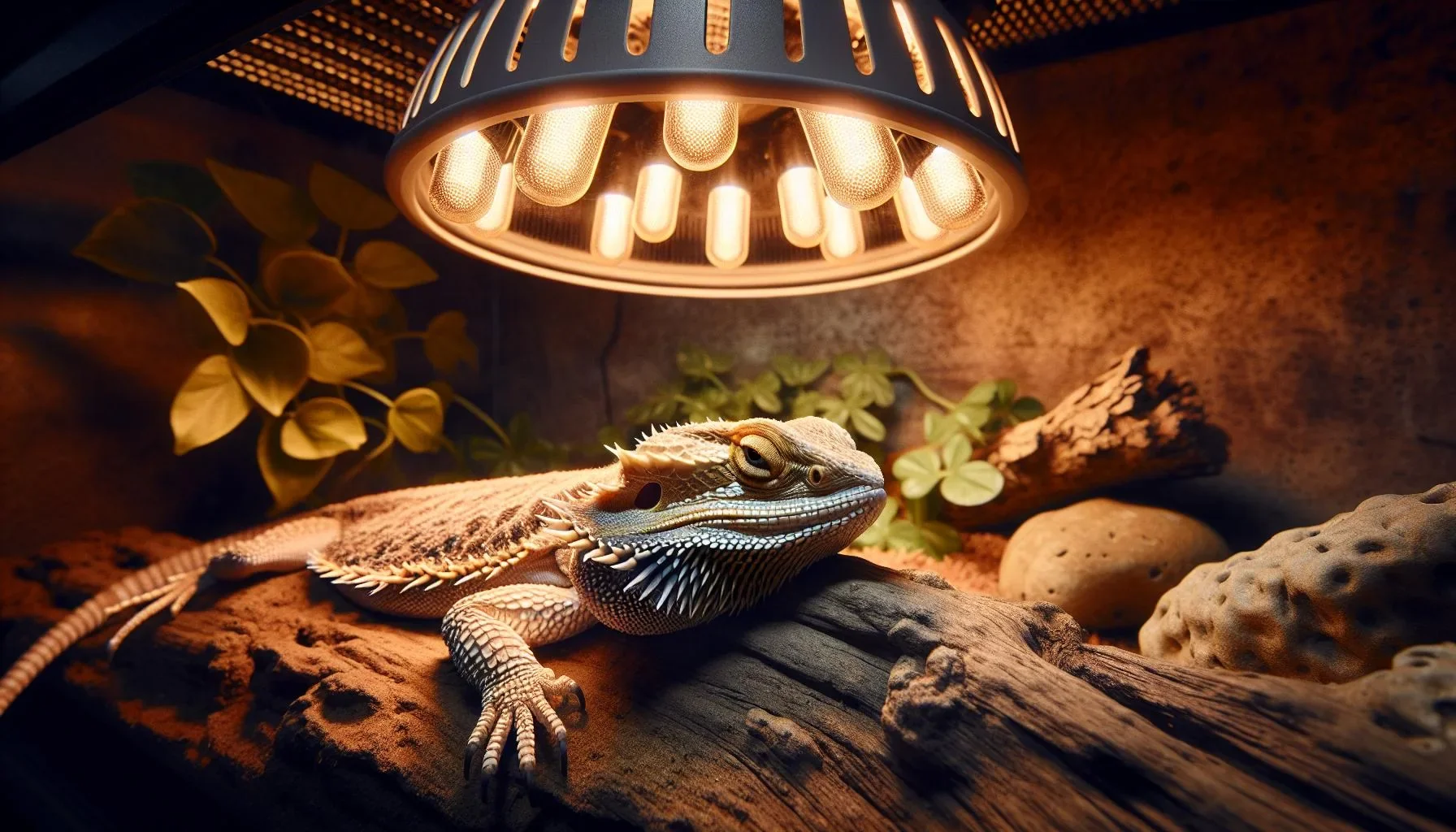
Understanding Bearded Dragon Heating Needs
Providing the right temperature gradient is absolutely essential for the health and well-being of your bearded dragon. As cold-blooded reptiles, bearded dragons rely entirely on external heat sources to regulate their body temperature and carry out essential bodily functions. Without proper heating, they cannot digest food effectively, their immune systems weaken, and they become susceptible to a range of health problems. Understanding the specific heating needs of your bearded dragon is the first, and most critical, step in providing optimal care.
Why Proper Heating is Crucial
Optimal heating supports several vital aspects of a bearded dragon’s health. It enables efficient digestion, allowing them to absorb nutrients from their food. The right temperature also boosts their metabolism, promotes healthy activity levels, and supports a strong immune system. Furthermore, proper heating is essential for calcium absorption, which is critical for bone health. A well-heated enclosure replicates the dragon’s natural environment and promotes normal behaviors, such as basking, eating, and mating. It is a cornerstone of a long and healthy life for your pet.
Health Benefits of Optimal Heating
When provided with the correct heat, bearded dragons experience a range of health benefits. They digest their food properly, leading to better nutrient absorption and overall health. A healthy metabolism helps them maintain energy levels and engage in natural behaviors. Adequate heat also supports a strong immune system, making them less susceptible to diseases. Additionally, it aids in the proper shedding of skin and helps in the production of vitamin D3, which is essential for calcium absorption. In essence, a well-heated environment contributes significantly to a long, happy, and healthy bearded dragon.
Consequences of Incorrect Heating

Insufficient or excessive heat can lead to various health problems. Insufficient heat can slow down digestion, leading to impaction or constipation. It weakens the immune system, making the dragon vulnerable to illnesses like respiratory infections and metabolic bone disease. Lethargy, loss of appetite, and abnormal behaviors are also common symptoms. Conversely, overheating can cause dehydration, heatstroke, and organ damage. Consistently incorrect temperatures can significantly shorten a bearded dragon’s lifespan and diminish its quality of life. Therefore, maintaining the proper temperature gradient is not just important; it is crucial for survival.
Different Bearded Dragon Heating Methods
Several methods are available for heating your bearded dragon’s enclosure. Each method has its own set of benefits and drawbacks, making it important to understand the options and select the best fit for your dragon’s needs. Common methods include heat lamps, ceramic heat emitters (CHE), and under-tank heaters (UTH). Combining different methods can often create the ideal temperature gradient, ensuring your dragon’s comfort and well-being. Let’s explore each option in more detail to understand how they work and when they’re most useful.
Using Heat Lamps

Heat lamps are a popular choice for providing basking spots and overall warmth. They mimic the sun and create a temperature gradient within the enclosure. They are designed to emit both heat and light, providing essential UVB rays that are crucial for the absorption of vitamin D3 and calcium. Heat lamps are usually positioned above the basking area, allowing the dragon to regulate its body temperature by moving closer or farther from the heat source. Proper wattage is important to avoid overheating.
Types of Heat Lamps
There are different types of heat lamps available, including incandescent, halogen, and mercury vapor lamps. Incandescent bulbs are the most basic and affordable, providing heat and some light. Halogen lamps offer a more focused heat source and can be more efficient. Mercury vapor lamps combine heat and UVB output, making them a convenient all-in-one solution, although they require careful monitoring due to their higher intensity. The choice depends on your enclosure size, your dragon’s needs, and your budget.
Pros and Cons of Heat Lamps
Heat lamps offer the benefit of providing both heat and light, which is essential for bearded dragons. The focused heat allows for the creation of a basking spot where the dragon can regulate its body temperature. However, the downside is that they may require frequent bulb replacements. Some heat lamps may also produce too much visible light, which can disrupt a dragon’s sleep cycle if used at night (unless a nighttime heat lamp is used). It is important to carefully monitor the temperature and choose the correct wattage for your enclosure size to prevent overheating.
Using Ceramic Heat Emitters (CHE)
Ceramic Heat Emitters (CHE) are a great option for providing a constant source of heat without emitting light. They are particularly useful for nighttime heating or maintaining a consistent ambient temperature throughout the enclosure. CHEs come in various wattages and are typically screwed into a ceramic base fixture. They do not produce any visible light, which is beneficial for maintaining a normal day-night cycle for your dragon. CHEs are durable and long-lasting, offering a reliable heat source.
How CHEs Work
CHEs work by converting electrical energy into infrared heat. This heat is radiated into the enclosure, warming the air and creating a comfortable environment for the dragon. They do not produce light, which makes them ideal for nighttime use without disrupting the dragon’s sleep cycle. They should be used with a thermostat to regulate temperature and prevent overheating. The heat from a CHE gently warms the air, making it a less intense heat source compared to heat lamps, and suitable for maintaining a consistent ambient temperature.
Benefits and Drawbacks of CHEs
The primary benefit of CHEs is their ability to provide a consistent heat source without emitting light. This makes them ideal for nighttime heating or for maintaining a steady ambient temperature. They are also long-lasting and energy-efficient. However, CHEs do not provide UVB rays, which are essential for vitamin D3 synthesis and calcium absorption, so a separate UVB source (like a UVB tube) is necessary. They also don’t create a specific basking spot, so they are best used in combination with other heating methods.
Using Under Tank Heaters (UTH)
Under Tank Heaters (UTHs) are a good option for providing belly heat, which can aid digestion and create a warm area within the enclosure. UTHs are flat heating pads that attach to the underside of the tank. They are especially useful for maintaining a slightly warmer temperature on the enclosure floor, which can benefit young or sick dragons. It’s crucial to use a thermostat with an UTH to prevent overheating and ensure the dragon’s safety.
UTH Setup and Considerations
When setting up an UTH, it should cover approximately one-third of the tank’s floor area, allowing the dragon to move to cooler areas if needed. UTHs must be used with a thermostat to control the temperature and prevent burns. They should be placed on the outside bottom of the glass or plastic enclosure. For safety, ensure there is a slight gap between the UTH and the substrate inside the enclosure. Regularly check the temperature with a digital thermometer to confirm the heat output is appropriate for your dragon’s needs.
UTH Advantages and Disadvantages
UTHs provide belly heat, which can be beneficial for digestion, particularly during the night or in cooler environments. They are easy to install and relatively inexpensive. The primary drawback is that they do not provide UVB and don’t always heat the ambient air within the enclosure effectively. Overheating is a significant risk if a thermostat is not used, and a dragon’s belly can burn. UTHs work best when combined with other heating solutions to create a full temperature gradient.
Comparing Heating Methods
Choosing the right heating methods involves weighing the pros and cons of each option. Heat lamps provide both heat and light, including beneficial UVB rays, making them ideal for basking. CHEs are excellent for maintaining a consistent ambient temperature without light, and UTHs offer belly heat for digestion support. The best approach often involves using a combination of methods to create the ideal temperature gradient within the enclosure, ensuring your bearded dragon can thermo-regulate effectively. Considering your enclosure size, the dragon’s age, and environmental factors is essential when making a selection.
Heat Lamp vs CHE
Heat lamps and CHEs offer distinct advantages. Heat lamps provide a basking spot and UVB, which are essential for health. CHEs provide constant ambient heat without emitting light. The choice depends on the primary need: if creating a basking spot is the priority, a heat lamp is a better choice. If maintaining consistent nighttime temperatures is key, a CHE is the better option. Many keepers use both, with a heat lamp for daytime basking and a CHE for maintaining the temperature overnight.
Heat Lamp vs UTH
Heat lamps and UTHs serve different purposes. Heat lamps create a focused basking spot and provide light and UVB. UTHs provide belly heat. A heat lamp is more effective for creating a temperature gradient throughout the enclosure, including a basking area. An UTH is best when supplemental belly heat is necessary, particularly for young dragons or during digestion. The primary disadvantage of UTH is its lack of UVB, requiring another source to ensure that the dragon gets the light and heat necessary for its health.
CHE vs UTH
Comparing CHEs and UTHs, CHEs are best for maintaining a steady ambient temperature throughout the enclosure, especially at night. UTHs, on the other hand, provide belly heat and are often used for younger or sick dragons to help with digestion. Both require thermostats to prevent overheating. The choice depends on what part of the environment needs to be most heated. CHEs are most often combined with heat lamps to create a natural environment for the dragon, while UTHs can function in small enclosures as supplemental heat sources.
Choosing the Right Heating Method
Selecting the appropriate heating method requires careful consideration of your bearded dragon’s specific needs and your setup. There is no one-size-fits-all solution. The best approach often involves a combination of methods to create a comprehensive temperature gradient that meets all the bearded dragon’s needs. Factors to consider include the dragon’s age, enclosure size, and the environmental conditions where you live. Carefully monitor the temperature and adjust the setup as needed to provide the best possible care.
Factors to Consider

Several factors influence your decision. The dragon’s age, enclosure size, and environmental conditions all play a crucial role in determining the best heating setup. The dragon’s age determines the types of heating needed. Large enclosures require stronger heat sources than smaller ones to maintain proper temperature gradients. The ambient temperature of your living space will also impact the type of heating needed. Careful evaluation of these elements will help you make an informed decision that keeps your dragon healthy and thriving.
Bearded Dragon’s Age
Young bearded dragons require higher temperatures and a more stable thermal environment compared to adults. Babies and juveniles are more vulnerable to temperature fluctuations and need consistent heat to support growth and development. Providing a warm basking spot and a consistent ambient temperature helps them digest food, absorb nutrients, and maintain a strong immune system. Consider the type of heat source used based on the dragon’s age; some setups are more beneficial for younger dragons than older ones.
Enclosure Size
The size of the enclosure dictates the type and wattage of the heating equipment needed. Larger enclosures require higher wattage heat lamps or multiple heat sources to create an adequate temperature gradient. Smaller enclosures might require less powerful heating solutions to prevent overheating. Ensure the temperature gradient is correctly set up throughout the entire enclosure, not just in the basking area, so your dragon can move to a suitable temperature zone. Remember, the goal is to offer a thermal range the dragon can choose from based on its needs.
Environmental Conditions
The ambient temperature and humidity levels of your living space impact the type of heating needed. If you live in a colder environment, you’ll need more powerful heat sources to maintain the desired enclosure temperature. Consider the humidity levels as well; some heating methods, like ceramic heat emitters, can impact humidity levels. Adjust the heat and ventilation as needed to manage humidity and maintain a comfortable environment for your dragon. Regular monitoring and adjustment of the heat sources will maintain your bearded dragon’s health.
Monitoring and Maintaining Heat

Regular monitoring and maintenance are crucial for ensuring your bearded dragon receives the right amount of heat. Consistent temperature checks and adjustments based on your dragon’s behavior will guarantee that the heating setup is working correctly. Use reliable thermometers and thermostats to ensure the environment remains within the safe and optimal temperature range. A proactive approach to monitoring and maintaining the heating setup is vital for your dragon’s health and well-being.
Using a Thermometer
Using a thermometer is essential for monitoring the temperature gradient within your bearded dragon’s enclosure. Place thermometers at both the basking spot and the cooler end of the tank to get an accurate reading of the temperature range. Position the thermometer probes in different areas to confirm the gradient. Regularly check the temperatures throughout the day to ensure the environment remains stable and within the recommended range. Consider using a digital thermometer with a probe for the most accurate readings.
Digital vs Analog Thermometers
Digital thermometers generally offer greater accuracy than analog thermometers, making them the preferred choice for reptile keeping. Digital thermometers often feature probes that can be placed at different spots within the enclosure, allowing for more precise temperature measurements. Analog thermometers, while less expensive, may be less accurate and harder to read. Choosing a reliable thermometer, whether digital or analog, will enable you to make informed decisions about adjusting your heating setup and ensuring the well-being of your dragon.
Using a Thermostat


A thermostat is an essential safety device for regulating the temperature of your heating elements, especially heat lamps, CHEs, and UTHs. Thermostats allow you to set a specific temperature and automatically turn the heating device on and off to maintain that temperature. This prevents overheating and ensures a stable environment for your bearded dragon. Choose a thermostat with a probe to measure the temperature accurately and place it close to the heating source to ensure it’s properly controlled. Always use a thermostat with any heat source.
Adjusting Heating Based on Behavior
Pay close attention to your bearded dragon’s behavior to gauge whether the heating setup is appropriate. If your dragon is spending too much time in the basking spot, it might be too cold in other areas. If it’s avoiding the basking spot, the temperature may be too high. Regular observation, combined with accurate temperature readings, will help you fine-tune the heating setup and ensure your dragon is comfortable and healthy. Watch for signs of overheating, such as panting or lethargy, and adjust the heating as needed.