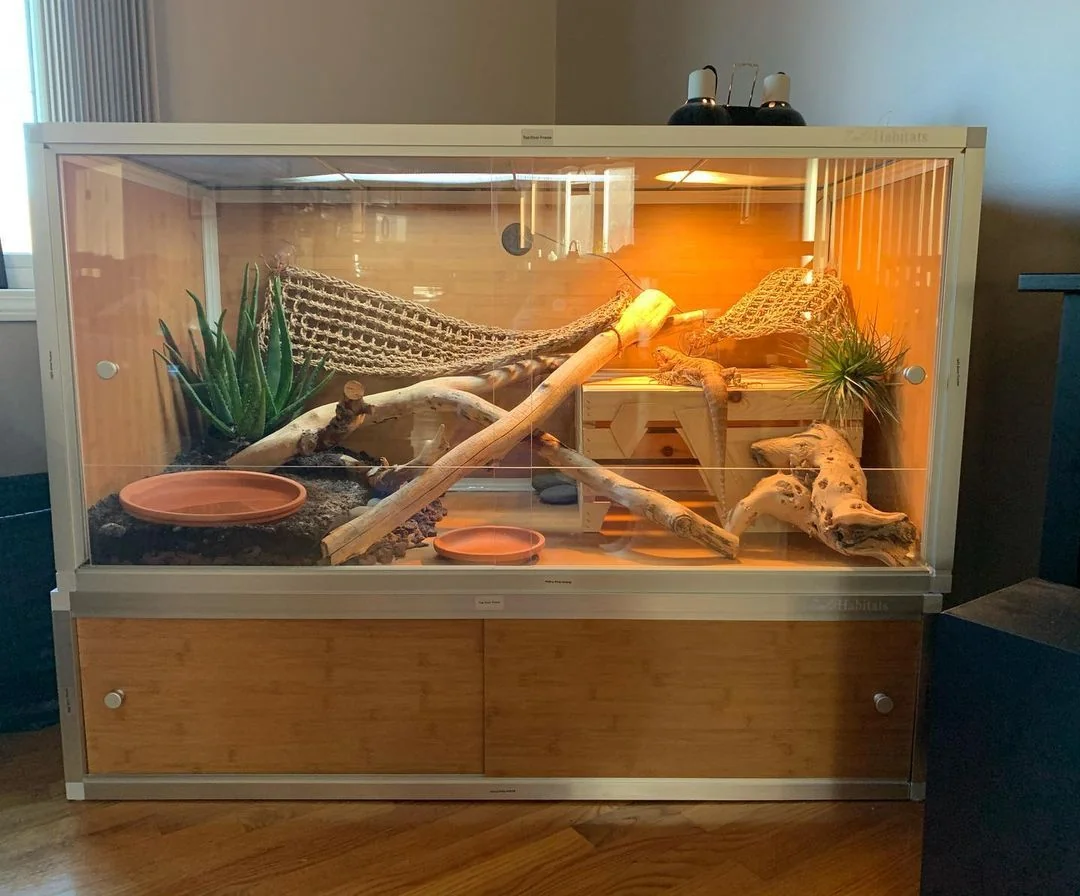
Providing consistent and appropriate heat is not just important for your bearded dragon, it is absolutely crucial for their survival and well-being. As cold-blooded reptiles, bearded dragons cannot regulate their own body temperature. They depend entirely on external heat sources to maintain their internal temperature. This guide dives into the essentials of heating for your bearded dragon, ensuring they thrive in a warm and healthy environment. From choosing the right equipment to troubleshooting common problems, we’ll cover everything you need to know to keep your scaly friend happy and healthy. With the right approach, you’ll create an environment where your bearded dragon can digest food properly, maintain a strong immune system, and exhibit its natural, active behaviors.
Why Consistent Heating is Vital for Bearded Dragons
Consistent heating is non-negotiable for bearded dragons. It’s the cornerstone of their health. Without it, they cannot function properly, making them vulnerable to several health issues. Understanding the ‘why’ behind proper heating is the first step in ensuring your pet lives a long, happy, and healthy life.
The Importance of Temperature Regulation
Bearded dragons require a thermal gradient, a range of temperatures within their enclosure. This allows them to move between cooler and warmer areas, regulating their body temperature. The basking spot, the warmest area, should reach around 95-110°F (35-43°C) for adults, while the cooler end of the enclosure should be around 75-85°F (24-29°C). This gradient is essential for proper digestion, metabolism, and overall health. If a bearded dragon is too cold, its metabolism slows down and it becomes lethargic. If they are too warm they may overheat and become fatally ill. Finding the correct balance is key.
Health Benefits of Proper Heating
Correct heating supports several vital functions. It ensures proper digestion, allowing your dragon to absorb nutrients from its food. It also boosts the immune system, helping to fight off infections. In addition, adequate heat encourages activity and promotes a healthy appetite. These benefits collectively contribute to a thriving, energetic dragon ready to interact with its environment. A warm dragon is a happy dragon, and a happy dragon is a healthy dragon.

Signs of Inadequate Heating
Recognizing the signs of inadequate heating is crucial. Lethargy, a lack of appetite, and hiding are common indicators. You might also notice your dragon spending excessive time under the basking light, trying to warm up. Other signs include slow digestion, which can lead to constipation, and an increased susceptibility to illnesses. If you observe these behaviors, it’s time to assess and adjust your heating setup to ensure your dragon’s well-being. Watch out for the subtle signs and ensure your scaly friend doesn’t suffer from a lack of necessary heat.

Choosing the Right Heating Equipment
Selecting the right heating equipment is vital for establishing the correct thermal gradient. There are several options available, each with its own pros and cons. The ideal setup typically includes a combination of heating elements to provide both a basking spot and overall ambient warmth. Consider the size of your enclosure, your budget, and your dragon’s specific needs when making your selections. Researching each option and understanding what each element contributes to your dragon’s health can help you make the best choice for your pet.
Basking Bulbs

Basking bulbs are essential for creating a hot spot, providing direct heat for basking. These bulbs often come in various wattages, so choose one appropriate for your enclosure size and desired temperature. It’s important to use a bulb specifically designed for reptiles, as they emit the correct spectrum of light and heat. Place the basking bulb above a secure basking platform, like a rock or a branch, where your dragon can comfortably bask. Make sure to use a reliable fixture and monitor temperatures regularly. The basking spot is the most important part of your enclosure, so make sure to get this right.
Ceramic Heat Emitters (CHE)
Ceramic heat emitters (CHE) are excellent for providing consistent, ambient heat without emitting light. They’re ideal for nighttime heating, as they don’t disrupt your dragon’s sleep cycle. CHEs come in various wattages and should be paired with a thermostat to regulate the temperature. Mount the CHE securely, following the manufacturer’s instructions, and ensure it’s out of your dragon’s reach. Always check the temperature with a digital thermometer to make sure it is operating in the correct range for your dragon’s specific needs.
Under-Tank Heaters (UTHs)

Under-tank heaters (UTHs) are designed to provide supplemental heat from below, which can be useful for maintaining the ambient temperature in smaller enclosures or during cooler months. Place the UTH on the outside of the tank, adhering to the manufacturer’s directions, and control it with a thermostat to prevent overheating. Be sure to use a digital thermometer to confirm that the correct temperatures are maintained inside the enclosure. UTHs are less suitable as the primary heat source but can be helpful in maintaining a stable temperature, particularly in the colder environment. They can also provide a gradient from the bottom of the enclosure.
Thermometers and Thermostats
Accurate temperature monitoring is critical for a healthy setup. Use digital thermometers with probes to measure the temperature at both the basking spot and the cooler end of the enclosure. Digital thermometers with probes are much more accurate than analog thermometers. A thermostat is essential for regulating the heat output of your CHEs or UTHs, preventing overheating. Place the probe of the thermostat near the heat source to ensure accurate temperature control. Invest in quality equipment, and check them regularly to ensure they are working properly. The correct monitoring equipment is essential to providing a safe, healthy, and thermally appropriate environment for your dragon.
Setting Up the Heating System
Setting up the heating system requires careful planning and execution. You’ll want to ensure the safety and comfort of your dragon. This setup should mimic the natural environment of the dragon, and provides a suitable thermal gradient within the enclosure. Properly setting up the heating system isn’t just about plugging in the equipment; it’s about creating a safe, functional, and comfortable environment for your dragon to thrive.
Placement of Heating Elements
Strategic placement of heating elements is key. The basking bulb should be positioned above a basking spot, creating a focal point for heat. Ceramic heat emitters should be placed to provide overall warmth, ensuring the ambient temperature is correct. Under-tank heaters should be placed on the outside bottom of the enclosure, providing a gentle warmth. Make sure all heating elements are securely mounted and out of your dragon’s reach to prevent burns. Think about the natural behaviors of the dragons when arranging the elements and ensure they have access to different temperature zones.

Maintaining Proper Temperature Gradients
Creating and maintaining a proper temperature gradient is essential. The basking spot should be the warmest area, with a cooler area at the opposite end of the enclosure. This gradient allows your dragon to thermoregulate, moving between different temperatures as needed. Monitor temperatures at both ends of the enclosure, as well as in the middle, to ensure an appropriate range is maintained. Adjust the positioning of heating elements or the wattage of your bulbs to achieve the ideal gradient for your dragon. Proper temperature gradients are critical for keeping your pet at its peak health.
Monitoring and Adjusting the System
Regular monitoring and adjustments are essential for keeping your system functioning correctly. Check the temperatures daily with a digital thermometer. Adjust the wattage of your bulbs or the settings on your thermostat as needed to maintain the correct temperature gradient. Observe your dragon’s behavior, looking for signs of overheating or cold. Make small changes, and monitor the impact of these adjustments to ensure your dragon’s well-being. Consistency is key. Maintaining optimal temperatures will keep your dragon healthy and content.
Troubleshooting Common Heating Issues
Even with careful planning, issues can arise. Being able to troubleshoot these problems will make you a better reptile parent. Common problems include overheating, cold spots, and equipment malfunctions. Promptly addressing any issues will help you create a secure and comfortable environment for your pet. Knowing what to look for will save you time and protect your dragon.
Overheating Problems
Overheating can be as dangerous as being too cold. Signs of overheating include panting, lethargy, and retreating to the coolest part of the enclosure. If you suspect overheating, immediately turn off the heat source and allow the enclosure to cool. Check the thermostat and the basking bulb to ensure they are functioning correctly. If you don’t find any issues with the equipment, and the overheating is still persistent, make sure to consult a veterinarian. If the situation escalates or your dragon is at risk, seek professional help immediately.
Dealing with Cold Spots
Cold spots are areas in the enclosure that are significantly cooler than the desired temperature. This can be caused by insufficient heating, poor placement of heating elements, or a malfunctioning heating device. If you find cold spots, adjust the positioning of your heating elements. In the event that they aren’t positioned right, or the setup itself isn’t heating the correct area, increase the wattage of your bulbs or add an additional heat source. Regularly checking for and eliminating cold spots helps to create a warm and safe environment for your dragon.

FAQ
How do I measure the temperatures?
Use digital thermometers with probe sensors placed in the basking spot and the cool side of the enclosure. Make sure to measure the temperatures a few inches above the basking spot, or ground to make sure it’s at the right levels.

Which is better for my dragon? UVB or CHE?
Both UVB and CHE (Ceramic Heat Emitters) serve different purposes. UVB is crucial for vitamin D3 synthesis and calcium absorption, while CHE provides ambient heat. You need both for a healthy bearded dragon. However, if you are limited in resources, prioritizing UVB is recommended. Always do what is best for your dragon, and discuss with your vet.
How can I save energy with heating?
Using a thermostat is the best way to save energy. By regulating the heat output, you can prevent energy waste. Also, ensure your enclosure is well-insulated to retain heat. If you are using a CHE, make sure you are using it only at night, so that the lights that emit UVB can provide daytime heat.
Conclusion
Mastering bearded dragon heating is key to providing a healthy and happy home for your pet. From choosing the right equipment to understanding the importance of a thermal gradient, this guide provides the essential knowledge you need to succeed. Remember to monitor temperatures regularly, make adjustments as needed, and always prioritize the health and well-being of your dragon. With the right setup and diligent care, you’ll create an environment where your bearded dragon can thrive for many years to come.