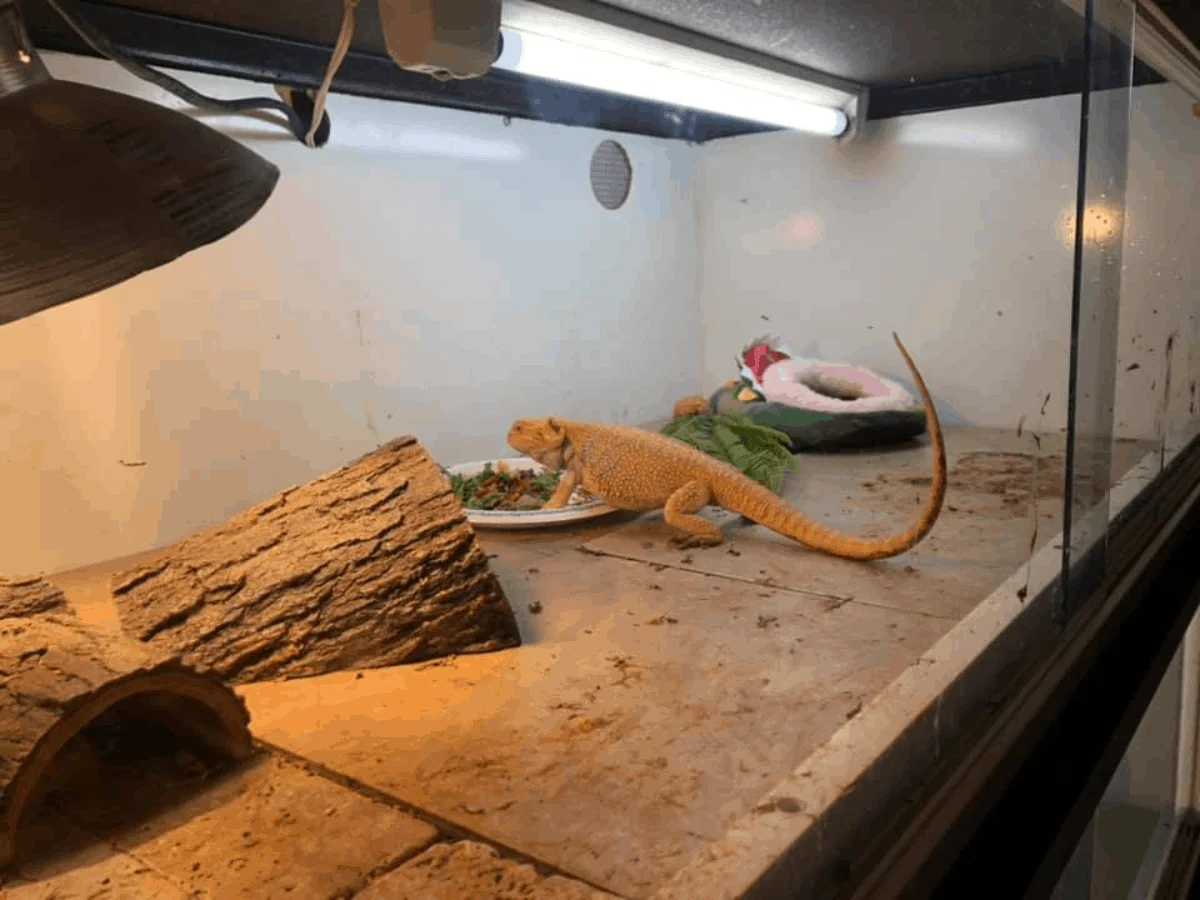
Understanding Bearded Dragon Heating Needs
Bearded dragons, native to the arid regions of Australia, are ectothermic reptiles. This means they rely on external heat sources to regulate their body temperature, unlike mammals which generate their own heat. Their metabolism, digestion, and overall health are profoundly influenced by their environment’s temperature. Providing the correct heating setup is, therefore, not just a comfort issue, but a fundamental requirement for their survival and well-being. A properly heated enclosure simulates their natural habitat, allowing them to thrive and exhibit natural behaviors, while inadequate heating can lead to a range of health issues. This guide will help you understand how to maintain the right temperature for your bearded dragon.
The Importance of Heat for Bearded Dragons
Heat plays a critical role in several aspects of a bearded dragon’s life. It directly impacts their metabolic rate, which is the speed at which their body processes food and nutrients. Adequate heat allows for efficient digestion, ensuring that your dragon can absorb essential vitamins and minerals from its diet. Furthermore, heat is crucial for the proper functioning of their immune system, helping them fight off infections and diseases. A well-heated environment also promotes activity levels, encouraging them to move around, explore their enclosure, and engage in natural behaviors like basking. Without sufficient heat, bearded dragons can become lethargic, lose their appetite, and become susceptible to various health problems, including metabolic bone disease (MBD). Maintaining the correct temperature is essential to keep your pet happy and healthy.
Why Proper Heating is Vital for Health
The health of your bearded dragon is directly linked to the quality of its environment, and proper heating is at the forefront of that. Insufficient heat leads to a slower metabolism, meaning their bodies are unable to process food efficiently. This can cause a loss of appetite and subsequently, malnutrition. Moreover, a cold environment can suppress their immune system, making them more vulnerable to illnesses like respiratory infections. Metabolic Bone Disease (MBD), caused by insufficient calcium absorption, is another serious consequence of inadequate heat. MBD weakens bones, causing deformities and mobility issues. Conversely, overheating can also be detrimental, leading to dehydration and heatstroke. Therefore, maintaining an optimal temperature range within the enclosure is absolutely essential to ensure your bearded dragon remains healthy, active, and comfortable. Regular monitoring and adjustments are needed to prevent any health risks.
Recognizing the Impact of Fluctuating Climates
Bearded dragons thrive in stable thermal environments. Fluctuating climates, typical in many regions, can present challenges to maintaining consistent temperatures within your dragon’s enclosure. Seasonal changes directly impact ambient temperatures, necessitating frequent adjustments to your heating setup. For example, colder months require more powerful heat sources and possibly increased wattage to maintain the necessary basking temperatures. Conversely, during hotter periods, you’ll need to be prepared to reduce heat output or provide additional cooling methods to prevent overheating. The primary impact of climate fluctuations includes difficulty maintaining optimal digestion, which can lead to nutrient deficiencies, impacting their overall health. Also, changes in activity levels, appetite, and susceptibility to illness are directly linked to climate-driven temperature variations. Constant vigilance and adjustments are crucial for your dragon’s health and comfort.
How Climate Affects Bearded Dragon Heating
The climate in your region or your home’s internal climate significantly impacts your bearded dragon’s heating requirements. For example, if you live in a location with cold winters, you’ll need more powerful heating equipment to maintain appropriate temperatures. The enclosure’s placement also matters; a tank located near a drafty window or door will lose heat more rapidly. Humidity levels, influenced by both the external climate and the environment within the tank, also affect the efficiency of your heating system. High humidity can increase the risk of respiratory infections, while low humidity can lead to dehydration. It is important to understand how these factors influence the temperature within the enclosure and make corresponding adjustments. This may mean using a thermostat to regulate heat output or shifting the enclosure’s location to avoid drafts or direct sunlight. Consistent monitoring of both temperature and humidity is crucial to providing the best environment for your bearded dragon’s health.
Essential Heating Equipment for Your Dragon

A reliable heating setup is fundamental to your bearded dragon’s well-being. The essential equipment includes a basking lamp, which provides a focused heat source for them to bask and regulate their body temperature. A good quality UVB lamp is also necessary for synthesizing vitamin D3, which is crucial for calcium absorption. A thermostat is crucial, as it helps regulate the temperature by controlling the power output of your heat source and prevents overheating. The enclosure requires at least two thermometers: one placed at the basking spot and another at the cool end of the tank. This allows you to track the temperature gradient, ensuring your dragon has the ideal environment. A digital thermometer/hygrometer is a good choice for monitoring both temperature and humidity. Always opt for equipment specifically designed for reptiles to ensure both safety and effectiveness. Choosing the right equipment will help in providing the ideal environment for your pet.
Choosing the Right Heat Source
Selecting the appropriate heat source is crucial for the overall health and happiness of your bearded dragon. The most common choice is a basking lamp, which creates a localized heat source for basking. These lamps are available in various wattages, so it is important to select one that matches the size of your enclosure and the ambient temperature of your home. Ceramic heat emitters (CHE) are another option, especially for nighttime heating, as they provide heat without emitting light. The ideal heat source should provide a temperature gradient within the enclosure, with a hot basking spot and a cooler area. This allows your dragon to thermoregulate, moving to different areas to adjust their body temperature. Ensure the heat source is positioned safely, away from flammable materials and out of reach of your dragon to prevent burns. Consider the energy efficiency and longevity of the different heat sources when making your choice.
Types of Heat Lamps for Bearded Dragons
There are several types of heat lamps available for bearded dragons, each with its own benefits. Halogen lamps are a popular choice because they provide both heat and light, mimicking natural sunlight. They are energy-efficient and available in various wattages. Mercury vapor bulbs (MVBs) offer a combination of heat, UVB, and UVA, which is great for creating a natural-feeling environment. However, they can be more expensive and require careful placement to avoid overexposure to UVB. Ceramic heat emitters (CHE) are best used for nighttime heating, as they emit heat without any light. These are a good choice if you need to maintain a constant temperature throughout the night without disturbing your dragon’s sleep cycle. When choosing a heat lamp, consider the size of your enclosure, the ambient temperature of your home, and your dragon’s specific needs. Always use a thermostat with any heat lamp to prevent overheating.
Measuring and Monitoring Temperatures

Regularly monitoring the temperature within your bearded dragon’s enclosure is crucial. The ideal setup includes a basking spot where the temperature should be approximately 100-110°F (37.7-43.3°C), and a cooler side, which should be around 75-85°F (23.8-29.4°C). These different temperature zones allow your dragon to thermoregulate effectively. Always use two thermometers to monitor the temperature; one should be placed at the basking spot, and the other at the cooler end of the tank. It’s crucial to ensure accuracy, so use digital thermometers with probes for more precise readings. Regular monitoring is key to identify any issues early, like a malfunctioning heat source or a draft, and make necessary adjustments promptly. Record the temperature readings daily and make notes regarding the temperature, so you can identify trends and potential problems before they have a negative impact on your dragon’s health. Consistent temperature monitoring helps in providing a stable and healthy environment.
Using Thermometers and Thermostats
Thermometers and thermostats are essential tools for regulating heat. As mentioned before, thermometers provide accurate temperature readings within the enclosure. Place a thermometer in both the basking and cool areas. Thermostats are used to regulate the heat output of your heat source. They work by monitoring the temperature and adjusting the power supplied to the heat lamp to maintain a consistent temperature. There are various types of thermostats available, including on/off thermostats and dimming thermostats. On/off thermostats simply turn the heat source on and off to maintain a set temperature, while dimming thermostats adjust the heat output. Thermostats are crucial to prevent overheating, especially in environments where the ambient temperature varies. Using a thermostat is an integral part of setting up and maintaining a safe and healthy environment for your bearded dragon. Careful monitoring ensures the health and well-being of your pet.
Adjusting Heat for Seasonal Changes
Bearded dragon heating needs to be adjusted throughout the year to accommodate seasonal changes. In winter, when temperatures drop, you will typically need to increase the wattage of your basking lamp or add a supplemental heat source, such as a ceramic heat emitter, to maintain the appropriate basking and ambient temperatures. During the summer, when temperatures rise, you may need to reduce the wattage of your heat lamp or increase ventilation within the enclosure to prevent overheating. If you live in a climate with extreme seasonal variations, you may need to make more frequent adjustments to the heating system. Consistent monitoring and adjustments will maintain optimal conditions. It’s best to observe your dragon’s behavior as they will show signs of being too hot or cold.
Winter Heating Adjustments
Winter presents unique challenges to maintaining optimal temperatures for your bearded dragon. As the ambient temperature in your home drops, the heat generated by the basking lamp will need to be more powerful to maintain the required temperature gradient. The easiest solution is to increase the wattage of your basking lamp. If that isn’t enough, you can add a ceramic heat emitter to the enclosure for nighttime heating. Ensure that the temperature at the basking spot remains within the recommended range (100-110°F or 37.7-43.3°C). Also, make sure the cooler side of the enclosure does not drop below 75°F (23.8°C). Winter months require more monitoring to ensure your bearded dragon is active and has a healthy appetite. During colder periods, the dragon’s metabolism will slow down, making digestion more challenging. Make sure to check regularly to prevent any health concerns.
Summer Heating Adjustments


In the summer, the primary concern is preventing your bearded dragon from overheating. If the ambient temperature in your home is high, you may need to decrease the wattage of your basking lamp. Make sure you maintain the right temperature gradient within the enclosure. If the basking spot becomes too hot, your dragon may exhibit signs of distress, such as panting or staying in the cooler end of the enclosure. Proper ventilation can help dissipate heat. You can improve ventilation by providing good air circulation, which also helps to maintain a suitable humidity level. Avoid placing the enclosure in direct sunlight during the hottest parts of the day, as this can quickly cause overheating. Reduce the heat exposure to keep your bearded dragon comfortable and prevent heatstroke.
Troubleshooting Common Heating Issues
Several problems can arise with your bearded dragon’s heating system. If you notice that your dragon is lethargic, has a poor appetite, or spends a lot of time in the cooler areas of the enclosure, it could indicate insufficient heat. First, check the temperature readings with a reliable thermometer and ensure that your basking spot and the cooler side of the enclosure are at the correct temperatures. If the basking spot is too hot, your dragon may exhibit signs of distress such as panting, or avoiding the basking spot entirely. Check that the thermostat is functioning correctly and that the heat source is not too close to the basking area. Another common problem is a malfunctioning heat source. Regularly inspect your lamps for any signs of damage or wear and replace them as needed. If you are unsure about any issues, consulting a veterinarian is best.
Overheating Problems and Solutions
Overheating can be a serious issue for bearded dragons, potentially leading to dehydration and heatstroke. Common signs of overheating include panting, lethargy, or remaining in the cooler areas of the enclosure. To prevent overheating, make sure the temperature at the basking spot does not exceed 110°F (43.3°C), and that the cool side remains at a reasonable temperature. The easiest solution is to lower the wattage of your basking lamp. Ensure proper ventilation in the enclosure. Ensure the enclosure is not placed in direct sunlight. Provide a water source and mist the enclosure regularly to help with hydration. If you suspect your dragon is suffering from heatstroke, remove it from the enclosure and consult a veterinarian immediately.
Dealing with Insufficient Heat
Insufficient heat is a more common problem than overheating and can have several negative consequences for your bearded dragon. If your dragon is not getting enough heat, its metabolism will slow down, causing loss of appetite, poor digestion, and decreased activity. The immune system may become suppressed, increasing the risk of illness. First, you must check your thermometer and ensure the basking spot and the cool side of the enclosure are at the correct temperature. If the temperature is too low, you may need to increase the wattage of your basking lamp or add a supplementary heat source, such as a ceramic heat emitter. Check the heat source to ensure that it is working correctly and not obstructed. Make sure the enclosure is properly insulated, and that it is not located near any drafts. If the problem persists, consult with a vet.
Creating a Comfortable Habitat
Beyond temperature, creating a comfortable habitat involves several other factors. The enclosure should be large enough for your bearded dragon to move around comfortably, with a minimum of 4ft x 2ft x 2ft for an adult. The substrate should be safe and non-toxic. Avoid using sand, as it can cause impaction if ingested. Good options include reptile carpet, ceramic tiles, or paper towels. Provide plenty of hiding spots, such as rocks, caves, or branches, to allow your dragon to feel safe and secure. A water dish with fresh water and a basking area where they can regulate their body temperature are also necessary. Proper lighting, including UVB light, which is essential for vitamin D3 synthesis and calcium absorption is also crucial. Maintain a clean environment, and make sure your dragon’s enclosure is well-maintained for both health and happiness.
Ideal Temperatures for Basking and Ambient Areas
Establishing the right temperature gradient within the enclosure is critical for your bearded dragon’s well-being. The basking spot should be at a temperature of 100-110°F (37.7-43.3°C), which is where your dragon will spend time to regulate its body temperature. The ambient temperature on the warm side of the enclosure should be around 85-95°F (29.4-35°C). The cool side of the enclosure should range from 75-85°F (23.8-29.4°C). This temperature gradient allows your dragon to move between areas with different temperatures, allowing them to regulate its body temperature effectively. Use a thermometer to ensure the correct gradient and check daily to maintain those temperatures. If the temperatures are not in the correct range, adjust the wattage of the heat source or the distance between the heat lamp and the basking spot.
Maintaining Humidity Levels

Besides the temperature, humidity is also essential for your bearded dragon’s health. The ideal humidity level for a bearded dragon’s enclosure is typically between 30-40%. Low humidity can cause dehydration and shedding problems, while high humidity can lead to respiratory infections. You can monitor humidity levels with a hygrometer. Adjust the humidity by misting the enclosure with water, especially during shedding, or adding a shallow water dish. The humidity needs to be consistent; too much moisture can be harmful. Maintain the proper temperature gradient and balance the humidity. Always ensure that the enclosure is well-ventilated to prevent humidity buildup. Consistent observation and maintenance will provide a healthy environment for your dragon.


The Role of UVB Lighting
UVB lighting is a crucial component of a bearded dragon’s habitat, as it helps the dragon to produce vitamin D3, which is essential for the absorption of calcium. Without adequate UVB exposure, bearded dragons can develop metabolic bone disease (MBD). It’s best to provide a UVB lamp specifically designed for reptiles, and make sure to replace the bulb regularly, as the UVB output decreases over time. The proper type and strength of the bulb depend on the size of the enclosure. Place the UVB lamp at the correct distance from the basking area, and ensure that the UVB light can reach your dragon without any obstructions. Make sure your dragon can bask in the UVB light for several hours daily. Always follow the manufacturer’s instructions for the UVB light and bulb replacement. Also, consider using a reflector to increase the UVB exposure.
Enhancing Your Dragon’s Well-being
Providing the right heating setup is just one aspect of caring for your bearded dragon. Feeding a balanced diet of insects and vegetables is also vital for their health. Offer a variety of insects, such as crickets, mealworms, and dubia roaches, supplemented with calcium and vitamin D3. Provide fresh vegetables daily, including leafy greens, and vegetables. Make sure to provide fresh, clean water daily. Regularly clean and disinfect the enclosure to prevent bacterial buildup. Observe your dragon’s behavior; a healthy dragon should be active, alert, and eating well. If you notice any signs of illness, such as lethargy, loss of appetite, or unusual behavior, consult a veterinarian specializing in reptiles. By paying close attention to all aspects of care, you can enhance your dragon’s overall well-being.