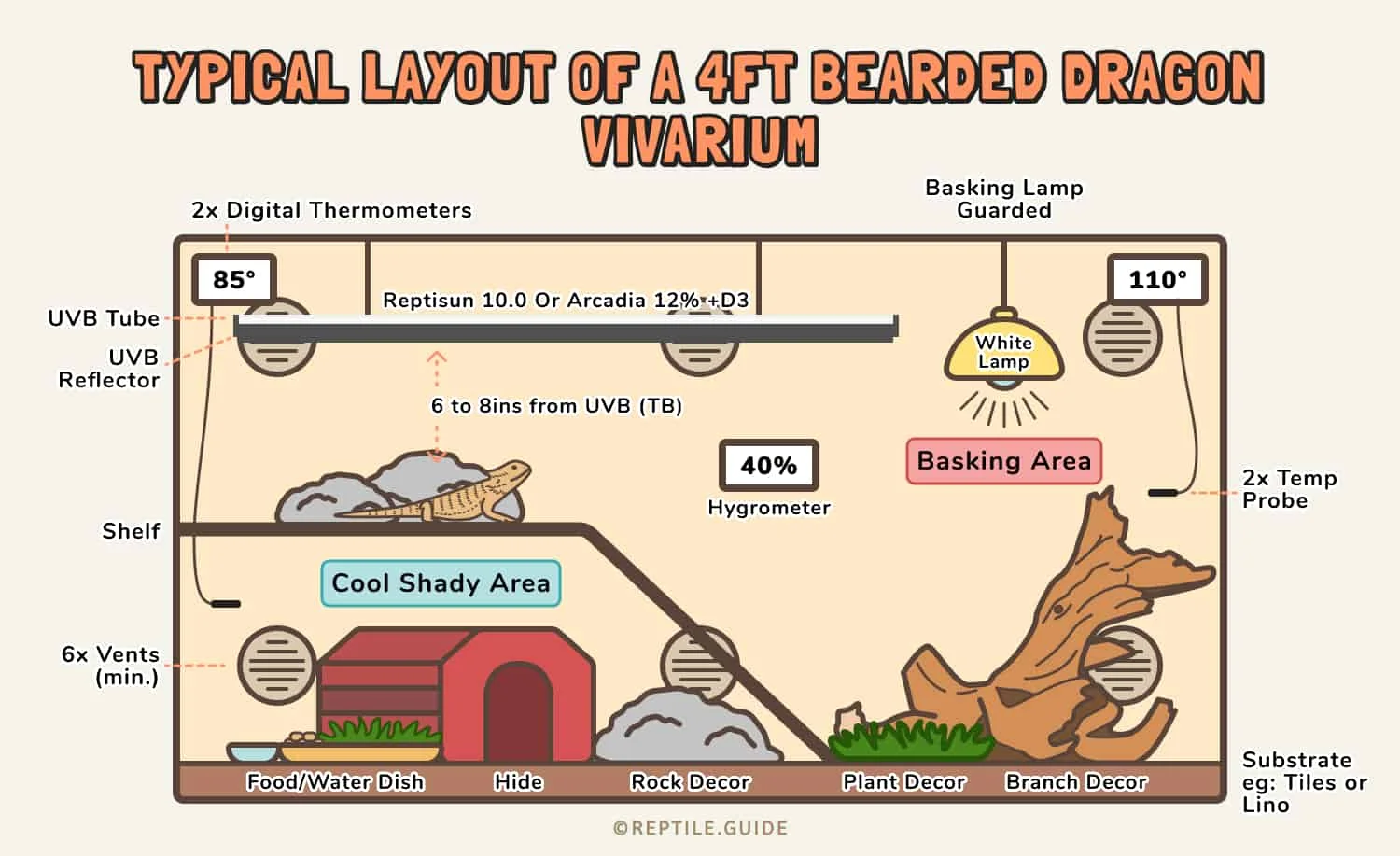
Bearded Dragons Heat Lamp Installation Overview
Caring for a bearded dragon involves providing a suitable environment that mimics their natural habitat. A critical aspect of this is maintaining the correct temperature gradient. This comprehensive guide provides a step-by-step approach to the safe and effective installation of a heat lamp for your bearded dragon. Proper heat lamp installation is not merely about keeping your reptile warm; it is a vital element in ensuring their health, well-being, and longevity. We’ll explore the necessary equipment, the ideal setup, and safety precautions to create a thriving environment for your pet. This guide will help you create an optimal habitat for your bearded dragon, promoting its overall health and happiness. It aims to equip you with the knowledge to create a safe and comfortable home for your scaled companion.
Understanding Bearded Dragon’s Heating Needs
Why Proper Heating is Crucial for Bearded Dragons
Bearded dragons are ectothermic, meaning they rely on external heat sources to regulate their body temperature. This is vital for their metabolism, digestion, and immune system. Without adequate heat, they cannot properly digest food, leading to health issues such as impaction and a weakened immune response. A warm environment also promotes activity levels, allowing them to bask, explore, and engage in natural behaviors. Providing the right temperature is not just about comfort it’s about survival. Correct heating supports all of their bodily functions, ensuring they live long, healthy lives. The correct temperature range allows them to absorb essential nutrients and vitamins, preventing deficiencies and diseases.


Risks of Improper Heating
Inadequate heating can lead to a host of health problems. A bearded dragon that is too cold will become lethargic, stop eating, and become susceptible to illness. Respiratory infections, metabolic bone disease (MBD), and digestive issues are common consequences of insufficient warmth. Conversely, overheating can be equally dangerous. High temperatures can cause dehydration, heatstroke, and organ damage. It’s crucial to monitor the temperature in your dragon’s enclosure carefully and adjust the heat source as needed. Constant monitoring is critical. Fluctuations can lead to stress, affecting their overall health and well-being. Careful attention to detail is necessary for a happy and healthy pet.
Choosing the Right Heat Lamp for Your Bearded Dragon
Types of Heat Lamps and Their Uses
There are several types of heat lamps available, each with its specific benefits. Incandescent heat lamps are a popular choice as they provide both heat and light, simulating the sun. Ceramic heat emitters (CHEs) are a good option for consistent, ambient heat, emitting no light, making them ideal for nighttime use. Mercury vapor bulbs provide heat and UVB rays in one bulb, but they can be more expensive and require careful placement. The best choice depends on your specific setup and your dragon’s needs. Consider the size of the enclosure, the ambient temperature in your home, and the dragon’s behavior when choosing a heat lamp. Experimenting with different types can help to find what is best for your bearded dragon.
Wattage Considerations and Tank Size
Selecting the correct wattage is crucial for maintaining the appropriate temperature gradient. A lamp that is too low in wattage may not provide enough heat, while a lamp that is too high can lead to overheating. The size of the enclosure greatly impacts the wattage needed. Smaller tanks require lower wattage bulbs, while larger tanks will need higher wattage to maintain the correct temperatures. It is important to measure the temperature in different areas of the enclosure to ensure the basking spot reaches the ideal temperature. Always start with a lower wattage bulb and gradually increase if needed. Careful monitoring prevents any potential problems and ensures your pet’s comfort.
Essential Equipment for Heat Lamp Installation
Before installing a heat lamp, gather the necessary equipment. This will include the heat lamp itself, a lamp holder designed for the type of bulb you are using, and a secure mounting fixture. The lamp holder should be able to withstand the heat generated by the bulb. Also, have a reliable thermostat to regulate the temperature, preventing overheating. Always select high-quality products from trusted brands. In addition, ensure that you have all the required safety equipment, such as a surge protector. Proper equipment is not only essential for the dragon’s health but also for your own safety, minimizing potential hazards.
Thermometer and Hygrometer Importance
A thermometer is a must-have tool for monitoring the temperature in the enclosure. Place one thermometer at the basking spot and another on the cooler side to ensure the temperature gradient is appropriate. A hygrometer, which measures humidity, is also important. While bearded dragons prefer low humidity, it’s important to monitor the levels to prevent respiratory infections. A digital thermometer/hygrometer combo is a convenient option. Regular monitoring allows you to make adjustments to the heat source and ventilation to maintain the correct environmental conditions. The data collected from these devices will greatly inform your caretaking practices, improving your pet’s well-being.
Appropriate Lamp Holder and Mounting Options
Choose a lamp holder that matches the heat lamp type and wattage. Ensure the lamp holder is made of heat-resistant material and designed to securely hold the bulb. There are various mounting options, including clamp lamps, pendant lamps, and dome fixtures. Clamp lamps are versatile and can be easily attached to the side of the enclosure. Pendant lamps hang from the top and can provide more focused heat. Always position the lamp holder in a way that prevents accidental contact with the bulb. The mounting system should be sturdy and safe. Careful selection of the right holder and mounting options will ensure both safety and efficient performance of the heat lamp.
Step-by-Step Heat Lamp Installation Guide
Preparing the Tank for Installation

Before you begin, unplug any electrical devices and ensure the tank is clean and dry. Position the tank in a location that provides easy access to an electrical outlet. Clear any decorations or items that might be near the intended placement of the heat lamp. Ensure the tank is on a stable surface to prevent accidental tipping. This pre-installation step is very important for safety. This preparation will allow you to easily handle the entire process. Double-check the enclosure’s surroundings for safety to prevent fire hazards. Planning ahead is the cornerstone of effective setup and safe operation.
Positioning the Heat Lamp
Carefully attach the lamp holder to the mounting fixture. Place the heat lamp over the basking spot, ensuring it’s positioned to create a temperature gradient. The basking spot should be the warmest area in the enclosure, with a temperature appropriate for the age of your bearded dragon. Ensure the lamp is not too close to the substrate or any decorations to prevent fire hazards. Experiment to find the optimal position for your particular setup, and always prioritize safety. The correct positioning of the heat lamp plays a significant role in the health and behavior of your bearded dragon. A properly positioned heat source is integral to creating a comfortable environment for your pet.
Ensuring Safe Distance from Substrate and Decorations

Maintain a safe distance between the heat lamp and the substrate and any decorations in the tank. This prevents burns and reduces the risk of fire. Follow the manufacturer’s instructions regarding the minimum safe distance for your specific heat lamp. Regularly inspect the enclosure to ensure nothing is too close to the heat source. Over time, items can shift, so it’s essential to check frequently. Safe distances are essential for the well-being of your reptile. Regularly assessing the layout of the habitat is necessary for maintaining a secure environment. The safety of your pet should always be the primary concern.
Connecting the Heat Lamp and Testing
Once the lamp is securely positioned, plug it into a surge protector or a power outlet connected to a thermostat. The thermostat will regulate the temperature by turning the lamp on and off. Set the thermostat to the desired temperature range based on your bearded dragon’s age and needs. After plugging it in, allow the lamp to warm up completely. Monitor the enclosure’s temperature using a thermometer placed at the basking spot. Initial testing allows you to observe the heating process and make any necessary adjustments. This testing phase is also useful for confirming the effectiveness and safety of your setup. The safety of your pet should always be the primary concern.
Checking Temperature Gradient
Use multiple thermometers to check the temperature gradient within the enclosure. The basking spot should be the hottest area, with a gradual decrease in temperature towards the cooler end. This gradient allows your bearded dragon to regulate its body temperature. Check the temperature in the cool side of the enclosure as well. The cooler side should provide a retreat from the heat, allowing your dragon to avoid overheating. Adjust the lamp’s position or wattage if needed to achieve the appropriate temperature zones. The correct temperature zones are vital for the health of your pet. Properly monitoring this gradient is essential for optimal reptile care.
Monitoring and Maintaining Optimal Temperatures
Ideal Temperature Zones for Bearded Dragons
The ideal temperatures vary based on the age of the bearded dragon. Babies and juveniles require higher basking temperatures than adults. The basking spot should be approximately 105-115°F (40-46°C) for babies and juveniles, and slightly lower for adults. The cool side of the enclosure should be around 75-85°F (24-29°C). Nighttime temperatures can drop to 65-75°F (18-24°C). Regularly check the temperature and adjust the heat source or enclosure setup as needed to maintain these ranges. The temperature requirements are critical for their health and well-being. Careful temperature monitoring is necessary for ensuring their optimal health.

Troubleshooting Common Heating Issues
Be prepared to troubleshoot common issues. If the enclosure is too cold, check the wattage of the heat lamp and ensure it is sufficient for the tank size. If the enclosure is too hot, the heat lamp might be too powerful, or the lamp may be too close to the basking spot. If the heat lamp is not working, check the bulb and the connections. Regular inspections are necessary for any potential issues. Problems can be readily resolved through thoroughness, and proactive maintenance is key to the health of your pet. Troubleshooting is a crucial aspect of owning a bearded dragon.
Overheating Signs and Solutions
Bearded dragons that are overheating may gape, hide in the cooler areas of the enclosure, or exhibit lethargy. In severe cases, they may show signs of heatstroke, such as labored breathing. If you notice any of these signs, immediately move your dragon to a cooler area. Reduce the heat output by turning off the heat lamp or moving it further away from the basking spot. Provide fresh water and ensure the dragon has access to a cool area to retreat to. Overheating can be avoided with careful observation. Rapid response is required to prevent dangerous outcomes, highlighting the need to monitor the enclosure daily.
Heat Lamp Placement for Optimal Health
Proper heat lamp placement is key for the well-being of your bearded dragon. Place the heat lamp in a way that creates a clear basking spot. The basking spot is where your dragon will regulate its body temperature. The lamp should be positioned so that it provides heat to the basking spot without overheating the rest of the enclosure. Avoid placing the heat lamp directly over the water bowl or food dish, as this can cause the water to evaporate quickly and dry out the food. It is essential to ensure that the dragon can access the heat source easily, promoting natural behaviors. Proper lamp placement is integral to creating a comfortable environment for your pet.
Importance of UVB Lighting
In addition to heat, bearded dragons require UVB lighting to synthesize vitamin D3, which is essential for calcium absorption and bone health. UVB lighting should be provided in conjunction with the heat lamp. Place the UVB lamp close enough to the basking spot to allow your dragon to benefit from the UVB rays. The type of UVB bulb and its placement are very important for your dragon’s health. Choose a UVB bulb designed for reptiles and replace it as recommended by the manufacturer. A consistent supply of UVB radiation is vital for the health of your pet. This light source is vital for its bone development and overall well-being.
Combining Heat and UVB Lamps Effectively
When combining heat and UVB lamps, the positioning is crucial. Position both lamps so that the bearded dragon can bask under them simultaneously. This will allow your dragon to absorb both heat and UVB rays, promoting optimal health. There are several options, including combining a basking bulb with a UVB tube or using a mercury vapor bulb that provides both. Ensure the lamps are positioned correctly and have a safe distance from the dragon to prevent burns. Careful setup of the lamps will ensure a well-balanced environment. Proper positioning of the heat and UVB lamps creates a healthier environment for your pet.

Regular Maintenance and Safety Checks
Regular maintenance and safety checks are essential for ensuring the continued health and safety of your bearded dragon. These checks will help to maintain the functionality of the heat lamp, ensuring it is working correctly and safely. Regular inspections are important for preventing any potential dangers. Regular maintenance is also important to detect potential problems and to make sure that your pet continues to enjoy the best possible conditions. Doing this will help you make sure that your dragon has a comfortable and healthy life.
Daily and Weekly Checks
Perform daily visual inspections of the heat lamp and the enclosure. Check for any unusual behavior from your bearded dragon. Ensure the lamp is functioning correctly and that the temperature gradient is maintained. Weekly, clean the enclosure and inspect the lamp for any signs of damage or wear. Make sure all electrical connections are secure. Keep the enclosure clean and free from debris to prevent any hazards. Doing this will increase your dragon’s safety, and ensure that your pet lives a long and happy life. Proper maintenance guarantees a safer and more comfortable environment for your pet.
Heat Lamp Replacement Schedule

Heat lamps, particularly UVB bulbs, have a limited lifespan. Replace the bulbs as recommended by the manufacturer. Typically, UVB bulbs need to be replaced every six to twelve months, even if they still emit light. The effectiveness of UVB bulbs decreases over time. Ceramic heat emitters and incandescent bulbs may last longer, but it’s a good idea to replace them annually. Keeping to the recommended replacement schedule is vital for the health and well-being of your pet. This ensures your dragon receives the optimal level of heat and UVB rays. This schedule guarantees that your bearded dragon gets the best care.