Bringing home a baby bearded dragon, or hatchling, is an incredibly rewarding experience. These fascinating reptiles require specific care during their initial growth phase to ensure they develop into healthy, thriving adults. This guide provides essential information on monitoring their growth and establishing a proper diet, giving your hatchling the best possible start. Careful attention to detail during this crucial period sets the foundation for a long and fulfilling life for your scaly friend. Proper monitoring and diet are not just about survival; they are about promoting optimal health, preventing common issues, and witnessing the incredible transformation from a tiny hatchling to a mature bearded dragon.
Bearded Dragons Hatchling Growth Monitoring
Monitoring the growth of your bearded dragon hatchling is crucial for ensuring its well-being. Regular checks allow you to identify any potential issues early on, providing the opportunity for timely intervention. Consistent tracking provides valuable insight into your hatchling’s health and development, helping you adjust care practices as needed. This proactive approach ensures your pet receives the best possible care, leading to a happier and healthier dragon. This section outlines the key aspects of monitoring your hatchling’s growth, from daily weight checks to observing physical changes.
Daily Weight Checks
Weighing your hatchling daily is one of the most effective ways to monitor its growth. Use a digital kitchen scale that measures in grams for accurate results. Note the weight in a journal or spreadsheet, allowing you to track progress over time. Significant weight loss or a failure to gain weight can indicate underlying health issues or insufficient food intake, requiring prompt attention. Regularly weighing your hatchling provides an early warning system, helping you to quickly address any potential problems before they escalate. Consistent monitoring ensures you have a clear picture of your dragon’s health and growth trajectory.
Measuring Length and Size

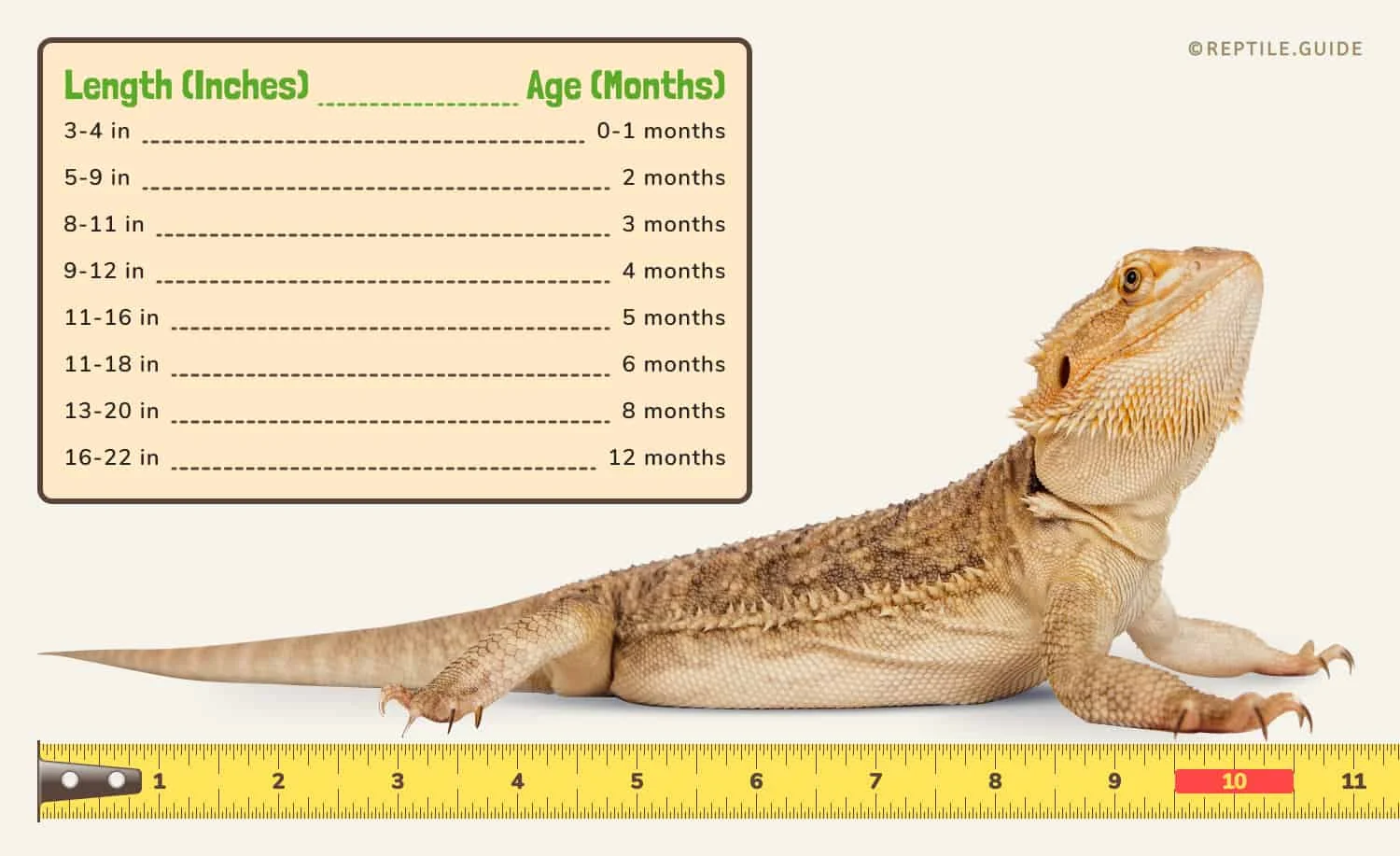
In addition to weight, regularly measure your hatchling’s length, from snout to tail tip. Use a soft measuring tape for accurate measurements. Record the measurements alongside the weight, giving you a more comprehensive view of growth. Note the measurements in a journal or spreadsheet, as this allows you to see how your bearded dragon is growing. Observe any changes in size that indicate an increase in length. This provides valuable information about their overall development and helps you identify any growth rate discrepancies. If you notice an issue, this should be brought to the attention of a veterinarian.
Observing Physical Development
Pay close attention to your hatchling’s physical appearance. Look for signs of healthy muscle development, a plump belly, and clear eyes. Observe its behavior, noting any lethargy, lack of appetite, or unusual movements. Monitor skin condition, looking for smooth, healthy scales and the absence of any lesions or discoloration. Regularly check for any signs of shedding problems, as this can indicate issues with humidity or overall health. Document all observations to identify changes and potential health issues. Physical development is a sign of your bearded dragon’s growth and health, so the more information you have, the better.
Recognizing Signs of Healthy Growth
Healthy hatchlings exhibit consistent weight gain, increasing length, and active behavior. Their eyes should be clear, and scales should appear smooth and vibrant. They should have a good appetite, readily consuming offered food. Healthy growth is associated with an overall positive demeanor. Regular shedding without difficulty is another sign of healthy development. The absence of these symptoms and behaviors is a sign of a health issue and the hatchling needs to see a professional.
Bearded Dragons Hatchling Diet Essentials
A proper diet is essential for the healthy growth and development of your bearded dragon hatchling. Hatchlings have different dietary needs than adult bearded dragons, requiring a diet rich in protein and specific nutrients. This section provides a comprehensive guide to the essentials of a hatchling’s diet, ensuring it receives the proper nourishment for optimal growth and well-being. It is necessary to establish good eating habits early on to set your hatchling up for success. What you do now, will determine your bearded dragon’s success later.
The Importance of a Balanced Diet
A balanced diet for a hatchling bearded dragon consists of a combination of live insects, leafy greens, and occasional fruits and vegetables. Protein from insects is crucial for their rapid growth, while leafy greens provide essential vitamins and minerals. A well-rounded diet supports healthy bone development, muscle growth, and overall immune function. Over time, a varied diet can also prevent nutritional deficiencies. It is important that you offer the hatchling a variety of foods so it can develop a taste for many things, increasing the chances that it eats a well-balanced diet throughout its life.
Types of Food for Hatchlings
Hatchlings require a diet primarily consisting of live insects, which should make up about 80% of their diet. The remaining 20% should consist of leafy greens and occasional vegetables. Avoid feeding your hatchling processed foods, and stick to natural, nutrient-rich options. Variety in food items is important to ensure your bearded dragon receives all the nutrients it needs. A mix of live insects and fresh produce is critical for a healthy and happy dragon. You can provide your hatchling with many different types of food.
Live Insects for Nutrition
Live insects are the cornerstone of a hatchling’s diet, providing essential protein for growth. Good insect choices include crickets, dubia roaches, and black soldier fly larvae (BSFL). Ensure the insects are gut-loaded with nutritious food before feeding them to your hatchling. The insects should be smaller than the space between the hatchling’s eyes, to avoid choking hazards. It is important to regularly provide fresh insects and to remove any uneaten insects from the enclosure, to prevent stress and disease. A variety of insects is best.
Leafy Greens and Vegetables
Leafy greens and vegetables provide essential vitamins, minerals, and fiber. Offer a variety of options, such as collard greens, mustard greens, and dandelion greens. Avoid iceberg lettuce, which has little nutritional value. Finely chop the greens to make them easier for hatchlings to eat. Introduce new vegetables gradually to gauge your hatchling’s preferences and avoid digestive upset. Varying the leafy greens and vegetables is vital for providing a well-rounded nutritional profile. Consider adding other vegetables, like squash and shredded carrots, in small quantities.
Supplementation of Vitamins and Minerals

Supplementing your hatchling’s diet with calcium and vitamin D3 is essential for bone health and calcium absorption. Dust insects with calcium and vitamin D3 powder before feeding them. Multivitamin supplements can also be used, but be careful not to over-supplement. Follow the instructions on the supplement packaging carefully. Consider consulting a veterinarian for recommendations on specific supplements and dosages. Supplementation is a way to make sure your bearded dragon gets the nutrition it needs to thrive.
Feeding Schedule and Portion Control
Hatchlings have a high metabolism and require frequent feedings, typically 2-3 times per day. Offer insects in small portions, allowing your hatchling to eat as much as it wants within a 10-15 minute period. Remove any uneaten insects to prevent stress and potential injury to your hatchling. Provide fresh water in a shallow dish at all times. Monitor the quantity of food offered and adjust the portions to maintain a healthy body weight. Feeding your hatchling the proper amount of food will help ensure it thrives.
Preventing Common Nutritional Deficiencies

Nutritional deficiencies can lead to serious health problems in hatchlings. Calcium deficiency, often referred to as metabolic bone disease (MBD), is a common issue. Ensure proper calcium and vitamin D3 supplementation. Vitamin A deficiency can cause eye and respiratory problems, so offer a varied diet rich in beta-carotene. Avoid overfeeding on any single type of food, and ensure your hatchling has access to a varied diet. A well-rounded diet and appropriate supplementation can significantly reduce the risk of these deficiencies.
Creating the Right Habitat for Growth
Creating the correct environment is essential for your bearded dragon hatchling’s growth. Proper temperature, humidity, and lighting are critical components of a healthy habitat. An appropriate enclosure size provides your hatchling with enough space to grow and thrive. This section will cover everything from the ideal temperature to the proper lighting, ensuring that your hatchling’s habitat supports its development. The environment that you provide will impact your dragon’s ability to grow and thrive.
Temperature and Humidity Control
Bearded dragons are ectothermic, meaning they rely on external heat sources to regulate their body temperature. Maintain a basking spot temperature of 100-110°F (37-43°C) and a cool side temperature of around 75-80°F (24-27°C). Use a thermometer to monitor the temperature accurately. Humidity levels should be maintained between 30-40%. Use a hygrometer to measure the humidity. High humidity can lead to respiratory infections, while low humidity can cause shedding problems. Regular monitoring and adjustment of these conditions are necessary to ensure your hatchling’s health. Make sure that you use the proper equipment to monitor both temperature and humidity, and make adjustments as needed.


UVB Lighting Requirements

UVB lighting is crucial for the synthesis of vitamin D3, which is essential for calcium absorption. Use a UVB bulb specifically designed for reptiles, and replace it every 6-12 months, as UVB output decreases over time. Place the UVB bulb at the correct distance from the basking spot, following the manufacturer’s recommendations. Provide a 12-14 hour light cycle to mimic natural daylight. UVB lighting is critical for healthy bone development. It is essential for your hatchling’s health and well-being.

Enclosure Size and Setup
Hatchlings require a smaller enclosure than adults, typically a 20-gallon long tank. As they grow, you will need to upgrade to a larger enclosure. Provide a secure and well-ventilated enclosure to prevent escapes. Choose a substrate that is safe for hatchlings, such as paper towels, reptile carpet, or tile. Avoid loose substrates like sand, which can be ingested and cause impaction. Include hides, climbing branches, and other enrichment items to provide a stimulating environment. A well-designed enclosure will help your hatchling thrive.
Common Health Issues in Hatchlings
Hatchlings are more susceptible to health problems than adult bearded dragons. Early detection and treatment are crucial for their survival and well-being. This section identifies common health issues and provides information on how to recognize and address them. The key to success is vigilance, and the best way to identify a problem early on is to know the signs of a healthy and happy dragon. The more you know, the better prepared you will be.
Signs of Illness
Watch for signs of illness, such as lethargy, loss of appetite, weight loss, and difficulty breathing. Look for unusual discharge from the eyes or nose, and check for changes in stool consistency. Swelling in the limbs or abdomen can also indicate health problems. If you observe any of these symptoms, consult with a veterinarian experienced in reptile care immediately. Early intervention is often the key to successful treatment. These signs can indicate a serious health issue.
Parasite Prevention and Treatment
Hatchlings are vulnerable to parasites, both internal and external. Regular fecal exams can help detect internal parasites. Quarantine new dragons before introducing them to existing ones to prevent the spread of parasites. Clean the enclosure regularly to minimize the risk of parasite infestation. If parasites are detected, follow your veterinarian’s recommendations for treatment. Proper hygiene and preventative measures are crucial for parasite control. Parasites can be deadly, so it is important to act quickly.
Seeking Veterinary Care
It is essential to find a veterinarian experienced in reptile care. Regular check-ups can help detect potential health issues early on. Consult with your veterinarian if you notice any signs of illness or if you have any concerns about your hatchling’s health. Provide your veterinarian with a detailed history of your hatchling’s care, including diet, enclosure setup, and any observed symptoms. Your veterinarian is a key partner in ensuring your bearded dragon’s long-term health and well-being. They will be able to provide guidance and solutions to keep your hatchling healthy.
Long-Term Care and Growth
As your bearded dragon hatchling grows, its care needs will evolve. Continuing to monitor its growth, adjust its diet, and maintain an appropriate habitat will be necessary throughout its life. This section provides insights into transitioning care practices and long-term care considerations. The more you know about the long term, the better prepared you will be to support your dragon.
Transitioning to Adult Diet
As your bearded dragon reaches adulthood (typically around 12-18 months), you will need to adjust its diet. Gradually reduce the proportion of insects in its diet and increase the proportion of vegetables. Continue to offer a variety of leafy greens and vegetables, and provide occasional fruits as treats. Adjust the feeding schedule to once or twice per day. Continue to monitor its weight and adjust the diet as needed. This transition should be slow and steady to avoid upsetting your bearded dragon’s system.
Caring for a bearded dragon hatchling can be a rewarding experience. By following the guidelines outlined in this guide, you can provide your hatchling with the best possible start in life. Remember to monitor its growth, provide a balanced diet, and maintain a proper habitat. With your dedication and care, your hatchling will thrive and bring you years of enjoyment. Consistent care and monitoring can help you ensure a healthy and happy life for your bearded dragon.