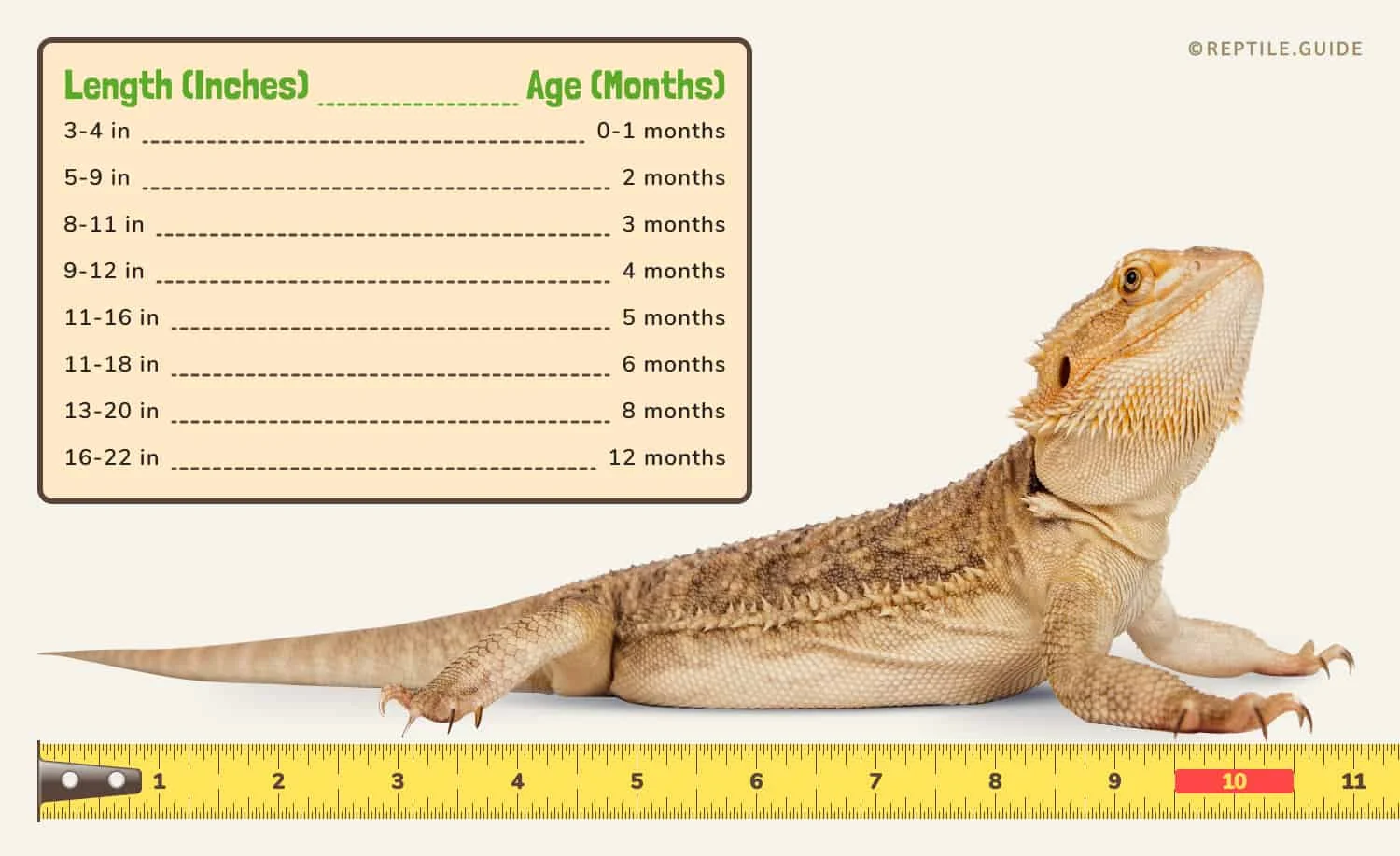
Bearded Dragons Hatchling Growth Chart Overview
Welcoming a bearded dragon hatchling into your home is an exciting experience. However, these tiny reptiles require specialized care to thrive. This ultimate guide provides everything you need to know about the bearded dragon hatchling growth chart and how to care for your new pet. Understanding their growth patterns and providing the right environment are key to ensuring a long and healthy life for your bearded dragon. This guide will walk you through all aspects of hatchling care, from setting up their enclosure to recognizing potential health issues. A comprehensive approach is essential, covering everything from genetics and nutrition to the importance of proper lighting and temperature regulation.
Understanding Hatchling Growth
Bearded dragon hatchlings grow rapidly during their first year. Their growth rate is influenced by various factors. This initial phase is critical, as it sets the stage for their future health and development. Growth is not linear; it can fluctuate based on multiple elements. Regularly monitoring their progress against a growth chart is a good practice to catch potential issues early. Recognizing the typical growth stages ensures you can provide appropriate care at each level. Tracking their weight and length provides valuable insights into their well-being. A healthy hatchling will show steady progress, but any deviation warrants investigation.
Factors Influencing Growth
Several factors significantly impact the growth of bearded dragon hatchlings. Understanding these influences allows you to optimize their environment and care. Genetics, nutrition, and environment all play critical roles. Each factor contributes to the overall health and development of the reptile. Paying close attention to these aspects is vital for fostering optimal growth.
Genetics
A hatchling’s genetic makeup influences its potential size and growth rate. Different breeds and lineages can have varying growth patterns. Researching the parentage of your bearded dragon can provide insights into its expected adult size. The genetic foundation sets the baseline for their growth, which is then influenced by environmental factors and care. Some dragons will naturally grow larger than others based on their genetics.
Nutrition
Proper nutrition is arguably the most critical factor in a hatchling’s growth. A balanced diet rich in essential nutrients supports rapid and healthy development. The diet should consist mainly of live insects, with a small portion of fresh vegetables and fruits. The quality of the food, including the use of gut-loaded insects, ensures that your hatchling receives vital vitamins and minerals. Supplementing with calcium and vitamin D3 is crucial for bone health and growth. Poor nutrition can lead to stunted growth and other health problems.
Environment
The environment plays a significant role in the growth of your bearded dragon hatchling. This includes temperature, humidity, and the overall setup of their enclosure. A well-designed enclosure helps the reptile feel safe and comfortable. Providing the right environment ensures they can effectively digest food, absorb nutrients, and thrive. Proper environmental conditions help avoid stress and encourage growth. An unsuitable environment can cause stress, which can inhibit growth.
Temperature
Temperature regulation is vital for the health and growth of bearded dragon hatchlings. They are ectothermic, meaning they rely on external heat sources to regulate their body temperature. A temperature gradient within the enclosure is crucial, with a warm basking spot, a cooler area, and a proper nighttime drop. The basking spot should be around 100-110°F (37-43°C), while the cooler end should be around 75-80°F (24-27°C). Nighttime temperatures can drop to about 70°F (21°C). Accurate temperature monitoring is essential. Maintaining the correct temperatures supports healthy digestion and metabolic functions.
Humidity
Humidity levels also affect your hatchling’s health and growth. While bearded dragons thrive in a relatively dry environment, some humidity is necessary for shedding and hydration. The ideal humidity range for hatchlings is typically between 30-40%. High humidity can lead to respiratory infections, while very low humidity can cause shedding problems. Regular misting of the enclosure or providing a shallow water dish can help maintain the correct humidity level. Monitoring the humidity using a hygrometer is essential for maintaining optimal conditions.
Monitoring Your Hatchling’s Growth
Regularly monitoring your hatchling’s growth is a crucial part of their care. Tracking their weight, length, and overall appearance can help identify potential health issues early on. Comparing the hatchling’s progress to a growth chart is a good practice. Consistent monitoring allows you to adjust care as needed. Proper tracking helps you to ensure your dragon grows at a healthy pace.
Weighing and Measuring
Weighing and measuring your hatchling should be done regularly, ideally weekly. Use a digital kitchen scale to weigh your dragon. Carefully measure from the tip of the snout to the tip of the tail. Record these measurements in a log to track progress over time. Regular monitoring helps you identify any anomalies in growth patterns. These records are helpful for your vet, too, in case of potential health concerns.
Keeping Records
Maintain a detailed log of your hatchling’s weight, length, and any observed health changes. Include dates, and note any changes in diet or environment. This record will be invaluable for monitoring their development and detecting any potential problems. Keeping records is beneficial to identify patterns and trends. Share these records with your veterinarian during routine checkups.
Comparing Growth to a Chart
Use a bearded dragon hatchling growth chart as a reference to compare your dragon’s measurements. These charts provide average growth rates for healthy hatchlings. It is important to remember that every dragon is different. Compare your dragon’s growth to the chart, noting any deviations from the expected range. Consult a veterinarian if you notice any significant discrepancies or have concerns about your hatchling’s growth rate.
Bearded Dragon Hatchling Care Guide
Beyond understanding growth, proper care is vital for your hatchling’s well-being. This includes setting up the right enclosure, providing appropriate lighting and heating, and feeding them a balanced diet. A well-cared-for hatchling is more likely to thrive. A consistent care routine helps prevent stress and promote healthy development. Proper care creates a secure environment that fosters growth.
Setting Up the Enclosure
Setting up the right enclosure is fundamental to your hatchling’s health. The setup should mimic the reptile’s natural habitat, providing a safe and comfortable environment. Ensure the enclosure meets the specific needs of a hatchling. Providing the right setup will help to ensure the health and happiness of your pet.
Tank Size
Start with an appropriate size tank for a hatchling, which is a 20-gallon long tank. As your bearded dragon grows, you will need to upgrade the enclosure. The proper tank size allows for a temperature gradient and space for activities. Overcrowding can lead to stress and hinder growth. Ensure adequate space is provided from the start to promote optimal development. A well-sized enclosure contributes to their physical and psychological well-being.
Substrate
The substrate you use at the bottom of the enclosure can significantly impact your hatchling’s health. Paper towels or reptile carpet are generally recommended for hatchlings because they are easy to clean and pose minimal risk of impaction. Avoid using substrates like sand or wood shavings. Clean the substrate regularly to maintain a healthy environment.
Lighting and Heating
Proper lighting and heating are essential for your bearded dragon hatchling. These elements create the right environment for your dragon to digest food, absorb nutrients, and thrive. The correct light and heat provide a comfortable and healthy environment for your reptile.
UVB Lighting
UVB lighting is crucial for bearded dragons, as it helps them synthesize vitamin D3, which is essential for calcium absorption and bone health. Use a UVB bulb designed specifically for reptiles and ensure it covers a sufficient area of the enclosure. Replace the UVB bulb every six months, as its effectiveness diminishes over time. Place the UVB bulb appropriately to allow for the proper distance from the basking spot. The correct UVB lighting can prevent metabolic bone disease.

Basking Spot
Provide a basking spot with a heat lamp to create a warm area where your hatchling can regulate its body temperature. The basking spot temperature should be around 100-110°F (37-43°C). Monitor the temperature with a digital thermometer and adjust the wattage of the heat lamp as needed to maintain the correct range. Avoid using heat rocks, which can cause burns. The basking spot is essential for digestion and overall health.

Feeding Your Hatchling
A proper diet is critical for the growth and development of your bearded dragon hatchling. Feeding them a balanced diet of insects, vegetables, and fruits will provide the necessary nutrients. Always ensure the food is of high quality to support healthy development. The right food ensures your hatchling receives the vitamins and minerals needed to grow and thrive.
What to Feed

The diet should be primarily composed of live insects, such as crickets, Dubia roaches, and mealworms. Dust the insects with calcium and vitamin D3 supplements. Offer a small portion of fresh vegetables and fruits, such as collard greens, mustard greens, and a bit of berries. Avoid feeding your hatchling iceberg lettuce and other foods that lack nutritional value. A varied diet ensures your hatchling receives a complete array of nutrients. Make sure the food you select provides necessary vitamins and minerals.
How Much to Feed
Hatchlings have a high metabolic rate, so they need to eat frequently. Offer insects as many times as they will eat in a 10-15 minute period, usually several times a day. Adjust the amount based on your hatchling’s appetite and growth rate. Monitor the weight and adjust the portions as needed. Avoid overfeeding, which can lead to obesity. Consistent feeding schedules help you ensure your dragon consumes the proper amount of food.
Feeding Frequency
Hatchlings should be fed 2-3 times per day, as they require a higher intake of food to support their rapid growth. Gradually reduce the frequency as they grow into juveniles. This feeding schedule ensures they receive adequate nutrition for development. Regular feeding schedules help your dragon maintain a healthy weight and body condition.

Water and Hydration
Providing clean water is important for your hatchling. The correct water ensures they can stay hydrated and healthy. Consistent access to fresh water is essential for good health. Clean water helps with all of the dragon’s bodily functions.
Providing Fresh Water
Provide a shallow water dish filled with fresh, clean water. Change the water daily to prevent the growth of bacteria. Place the water dish away from the basking spot to prevent the water from evaporating too quickly. Ensure your hatchling can easily access the water. A clean water source is essential for hydration and overall health.

Recognizing Dehydration

Watch for signs of dehydration, such as sunken eyes, wrinkled skin, and lethargy. If you suspect dehydration, increase the humidity in the enclosure and encourage your hatchling to drink water. You can also gently mist the dragon with water. Consult your veterinarian immediately if your hatchling shows severe signs of dehydration. Hydration is crucial for their health.
Common Hatchling Health Issues
Bearded dragon hatchlings are susceptible to various health issues. Early detection and treatment are vital for successful recovery. Understanding these common problems allows you to provide proper care. It also helps ensure your dragon’s long and healthy life.
Metabolic Bone Disease (MBD)
Metabolic Bone Disease (MBD) is a common and often serious condition caused by a deficiency in calcium, vitamin D3, or UVB light. Symptoms include soft bones, lethargy, and difficulty moving. Proper supplementation and UVB lighting are essential to prevent MBD. If you suspect MBD, seek veterinary care immediately. Early intervention increases the chances of recovery.
Parasites
Hatchlings can be susceptible to internal parasites like coccidia and worms. Symptoms include weight loss, diarrhea, and lethargy. Routine fecal exams by your veterinarian are recommended to detect and treat parasites. Always practice good hygiene when handling your dragon and cleaning the enclosure. Early treatment is essential to prevent serious health complications.
Respiratory Infections
Respiratory infections can result from improper temperature, humidity, or exposure to drafts. Symptoms include labored breathing, nasal discharge, and lethargy. Maintaining appropriate environmental conditions is vital for prevention. Consult a veterinarian if your hatchling shows signs of a respiratory infection. Early treatment is essential for successful recovery.
Preventative Care and Veterinary Visits
Preventative care is key to keeping your bearded dragon hatchling healthy. Regular veterinary checkups can help catch potential health issues. Preventative measures keep your dragon safe and happy. Routine visits and following the vet’s advice is key to a healthy dragon.
Schedule regular veterinary checkups for your hatchling to ensure overall health and well-being. Your veterinarian can provide essential care and advice. These visits can identify health concerns early on. Routine checkups also help with parasite prevention and treatment.
In conclusion, understanding the Bearded Dragons Hatchling Growth Chart and providing proper care is crucial for your pet’s health and well-being. By following the guidelines and tips in this guide, you can ensure your hatchling grows into a healthy, happy adult bearded dragon. Consistent monitoring and a commitment to their care will ensure a long, fulfilling life for your reptile companion.