Understanding Your Bearded Dragon’s Needs
Bearded dragons, fascinating reptiles native to Australia, have specific needs that must be met to ensure their well-being and a positive handling experience. Understanding these needs is the first step towards establishing a bond of trust and minimizing stress during interactions. They require a carefully controlled environment, including appropriate temperature gradients, UVB lighting, and a varied diet. They are also solitary creatures and generally prefer to be left alone. Respecting their space and understanding their preferences will significantly improve your ability to handle them successfully and enjoy a stress-free interaction. This understanding will help you interpret their behavior and respond appropriately, promoting a calm and relaxed pet.
Recognizing Signs of Stress in Bearded Dragons
Before you even think about picking up your bearded dragon, learn to recognize the signs of stress. A stressed bearded dragon is not a happy bearded dragon, and handling a stressed dragon can be a negative experience for both of you. Identifying these signs is crucial for responsible pet ownership. It allows you to adapt your approach, provide comfort, and avoid situations that might exacerbate their anxiety. This proactive approach contributes to the animal’s overall health and happiness. Knowing when to back off and give your pet space is just as important as knowing when it’s okay to interact. This includes the immediate reaction during a potential interaction and also the general state of the animal before any handling takes place.
Body Language Clues

Observe their body language closely. Flattening their bodies, puffing up their beards, or gaping their mouths are all signs of stress or aggression. Darkening of their beard and body color can also indicate a negative emotional state. A relaxed dragon will typically have a neutral color, a flat beard, and be alert but not tense. Rapid breathing or erratic movements can also signal distress. Furthermore, a dragon that is closing its eyes frequently while you are interacting with it may be trying to remove itself from the situation. By learning to interpret these subtle cues, you can avoid causing unnecessary anxiety and adjust your handling techniques accordingly. Always give a distressed dragon space.
Environmental Factors
The environment also plays a critical role. Ensure the habitat is at the correct temperature and humidity levels; a poorly maintained enclosure can contribute to stress. Make sure there are adequate hiding places where the dragon can retreat if it feels overwhelmed. Bright lights, loud noises, or sudden movements can also upset them. By paying attention to these environmental factors, you create a calmer, more secure habitat. A secure dragon is more likely to be receptive to handling. Check the enclosure regularly to ensure everything is working correctly, and make adjustments as needed to create a comfortable and stress-free environment.
Preparing for Handling
Before handling your bearded dragon, preparation is key. This involves ensuring the dragon’s environment is optimal and that you are approaching the interaction correctly. Rushing into handling without proper preparation can lead to unnecessary stress and make the experience less enjoyable for both you and your pet. Proper preparation demonstrates your commitment to your dragon’s well-being and contributes to a positive and trusting relationship. Take your time, observe your pet, and make sure you and your dragon are ready for the interaction before proceeding.
Creating a Safe Environment
Before reaching into the enclosure, make sure that the environment surrounding the habitat is safe and secure. The room should be free of potential hazards, such as open windows, other pets, or areas where the dragon could escape and get lost or injured. Consider closing doors and covering any gaps or openings. Ensure the enclosure itself is secure and that the dragon cannot squeeze through any openings. Clear the area around the enclosure so you have enough space to maneuver without making sudden movements that could startle your pet. A safe environment minimizes risks and allows you to focus on handling your pet calmly.
Washing Your Hands
Always wash your hands thoroughly with soap and water before handling your bearded dragon. This simple step reduces the risk of transmitting bacteria or chemicals to your pet. Avoid using scented soaps, as the fragrance can be irritating to the dragon. Ensure that you rinse your hands well and dry them completely before you approach your pet. Clean hands not only protect your pet’s health, but also help remove any lingering smells that might be confusing or distressing to your dragon. This is a simple but crucial part of responsible pet care.
The Right Approach
Approach your bearded dragon slowly and calmly. Sudden movements can startle them and create anxiety. Talk to your dragon in a soft, reassuring voice to let them know you are there. Avoid reaching down from above, as this can be perceived as a threat. Instead, approach from the side and allow the dragon to see you. This helps the animal feel secure. Respect their personal space, and only attempt to pick them up if they seem relaxed and receptive. Patience is key; never force an interaction. If your dragon displays any signs of stress, back off and try again later. Handling should be a positive experience; start slowly and build trust over time.
Gentle Pickup Techniques
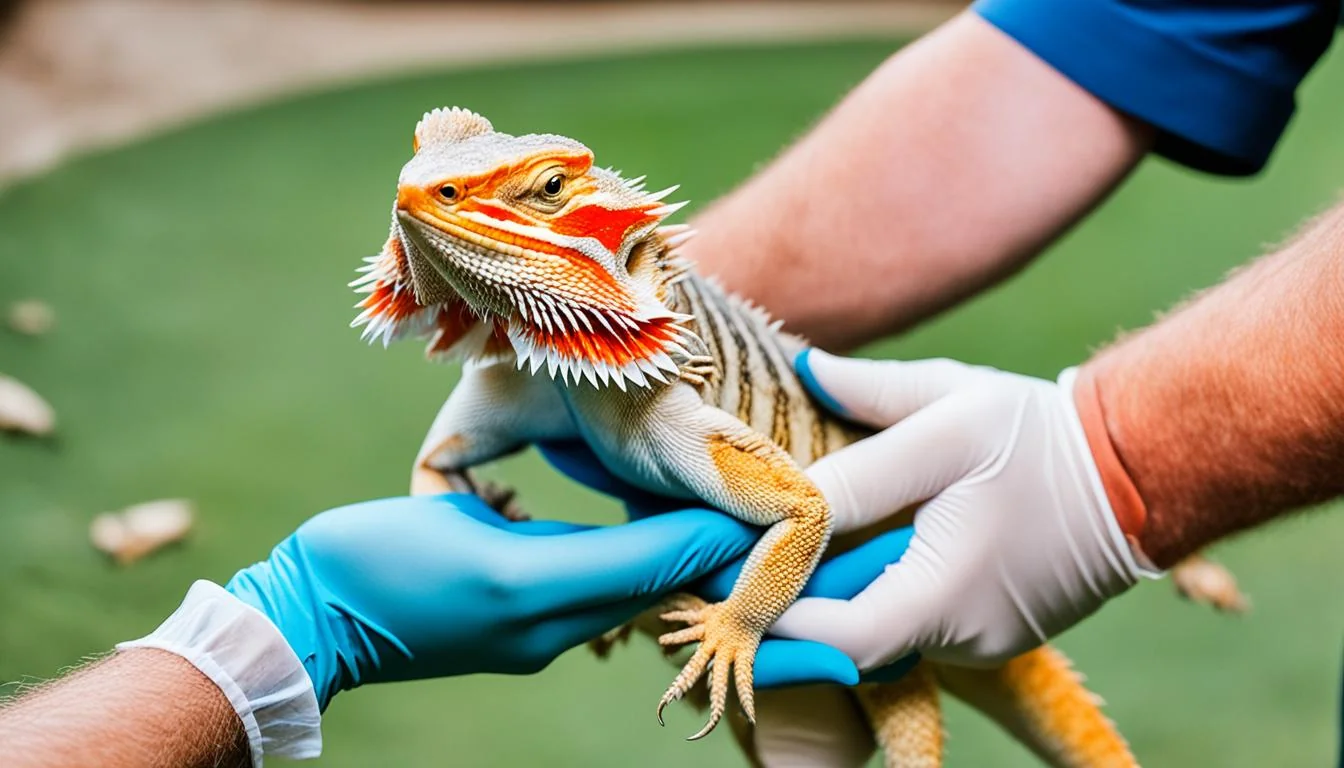
Use a gentle and supportive approach when picking up your bearded dragon. Slide one hand under their belly, supporting their chest and front legs, while the other hand gently supports their hindquarters. Avoid grabbing them from above, as this can be frightening. Lift them slowly and smoothly, ensuring they feel secure and supported. Never squeeze or grip them too tightly. A relaxed grip and smooth movements will help reassure your dragon. If your dragon is hesitant, try gently scooping them up from the side. This approach gives them a sense of control and reduces stress. Your goal is to make the dragon feel safe and comfortable in your hands.
Supporting the Body

Always support your bearded dragon’s body. Do not let them dangle or hang in the air. This can be frightening and uncomfortable. A well-supported dragon feels safer and is less likely to struggle. Use both hands to provide even support along their body. This will minimize their anxiety. Consider the size of your dragon; a small dragon might be comfortable being held in one hand, while a larger one will need the support of both. By providing proper support, you demonstrate that you care about their comfort and well-being, strengthening the bond between you and your pet.
Handling Duration and Frequency

Keep handling sessions short and sweet, especially when you are first starting. Aim for a few minutes at a time and gradually increase the duration as your dragon becomes more comfortable. Observe your dragon’s behavior throughout the session. If they start to show signs of stress, such as puffing up their beard or trying to escape, it’s time to end the interaction. Overhandling can lead to stress, so it is better to err on the side of caution and handle them less frequently. This will give your dragon time to rest and relax. Focus on quality, not quantity. A positive, brief interaction is better than a prolonged, stressful one.
Handling Do’s and Don’ts
DO handle your bearded dragon gently and support their body. DO wash your hands before and after handling. DO speak to your dragon in a calm, reassuring voice. DO provide a safe and secure environment. DO observe their body language and end the interaction if they show signs of stress. DON’T squeeze or grip your dragon tightly. DON’T make sudden movements or loud noises. DON’T handle them if they are shedding or have just eaten. DON’T force an interaction if they don’t seem receptive. DON’T allow young children to handle the animal without close supervision.
What to Do During Handling
During handling, keep interactions calm and predictable. Move slowly and deliberately. Let your dragon explore their surroundings. Allow them to perch on your shoulder or arm if they seem comfortable. If they start to show signs of stress, gently place them back in their enclosure. Provide gentle scratches under the chin, if they seem receptive. Talk to them in a calm voice to reassure them. Your goal is to provide a positive experience. Ensure their safety and security. Always be mindful of their body language and respond to their needs. Remember, patience and gentleness are crucial for building a strong relationship.
What Not to Do During Handling

Avoid any actions that could frighten or stress your bearded dragon during handling. Don’t make sudden movements, loud noises, or reach down from above. Don’t force interactions or try to handle them when they are showing signs of stress. Don’t let them fall or drop them. Do not allow other pets or children to interfere with the handling session. Do not offer them food during the interaction to force them to stay with you. Avoid using scents or perfumes that might irritate their sensitive senses. Never leave them unattended in an unsafe environment. Always prioritize their safety and comfort.
Building Trust and Positive Associations
Building trust is a critical aspect of a positive relationship with your bearded dragon. This involves consistent, gentle handling, and associating your presence with positive experiences. Start slowly, and make sure your dragon associates you with safety and comfort. Building trust isn’t about forcing interactions; it’s about creating a safe, predictable, and positive environment. This foundation of trust will make your bearded dragon more receptive to handling and strengthen the bond between you and your pet.
Positive Reinforcement
Use positive reinforcement to create a positive association with handling. Reward your bearded dragon with a small, healthy treat after a successful handling session. This could be a small piece of their favorite insect or a bite of a leafy green. Make sure the treat is something they enjoy, but don’t overfeed. The goal is to create a positive association with you and handling, not to encourage overeating. You can also use verbal praise, speaking to them in a calm and reassuring voice during the interaction. Be patient and consistent. Positive reinforcement will help your dragon learn to associate handling with positive experiences.

Consistent Handling Routines
Establish a consistent handling routine. Handle your bearded dragon at the same time each day. This will help them get accustomed to your presence and create a sense of predictability. If possible, make handling a part of your daily routine, such as after you’ve checked and cleaned their enclosure. However, be flexible and respect their needs. If they are not receptive on a particular day, don’t force the interaction. Keep the handling sessions short and positive. A consistent routine helps build trust and reduces stress. Remember, the goal is to create a relaxed and positive experience for both you and your pet. Consistency fosters predictability and helps your dragon feel more secure.
Handling and Health


Handling can also be an opportunity to monitor your bearded dragon’s health. Regularly check their body for any signs of illness or injury. Observe their skin, eyes, and overall condition. Gently examine their limbs and body. Become familiar with what is normal for your dragon, so you can easily identify any changes. This will enable you to detect any potential health issues early on. While handling, you can also check for parasites. If you notice anything unusual, consult with a reptile veterinarian. Early detection and treatment can significantly improve your pet’s health. Furthermore, handling helps you to get to know your pet and notice any changes in its overall health and behavior.
Handling During Shedding
During shedding, bearded dragons can be particularly sensitive and may experience increased stress. Their skin is itchy and uncomfortable during the shedding process. Minimize handling during this time. If you need to handle them, do so gently and briefly. Avoid pulling at any loose skin. This can be painful and cause injury. Provide a humid environment to help with the shedding process. A shallow dish of water or a light misting of their enclosure can help. Watch for any retained shed, and gently assist if necessary. If you notice that your bearded dragon has difficulty shedding, consult with a veterinarian for advice. Prioritize their comfort and well-being. Remember, shedding is a stressful process, and minimizing handling can help reduce their anxiety.
Handling After Feeding
Avoid handling your bearded dragon immediately after they have eaten. Digestion can be a delicate process, and handling can disrupt their digestive system, potentially leading to regurgitation or discomfort. Wait at least an hour or two after feeding before attempting to handle them. This allows them time to start digesting their food. Observe their behavior. If they seem sluggish or uncomfortable, it is best to postpone handling. It is a good idea to keep track of when your dragon eats, so you know when to avoid handling. This simple step helps ensure your dragon’s well-being and contributes to a positive handling experience.
Conclusion
Handling your bearded dragon can be a rewarding experience. By understanding your dragon’s needs, recognizing signs of stress, and employing proper handling techniques, you can foster a bond of trust and create positive interactions. Always prioritize your pet’s comfort and safety. Patience, consistency, and a gentle approach are key to building a happy, healthy relationship. Remember that every dragon is unique. Pay attention to your pet’s individual personality and preferences. With these guidelines, you can enjoy stress-free handling and a happy bearded dragon.