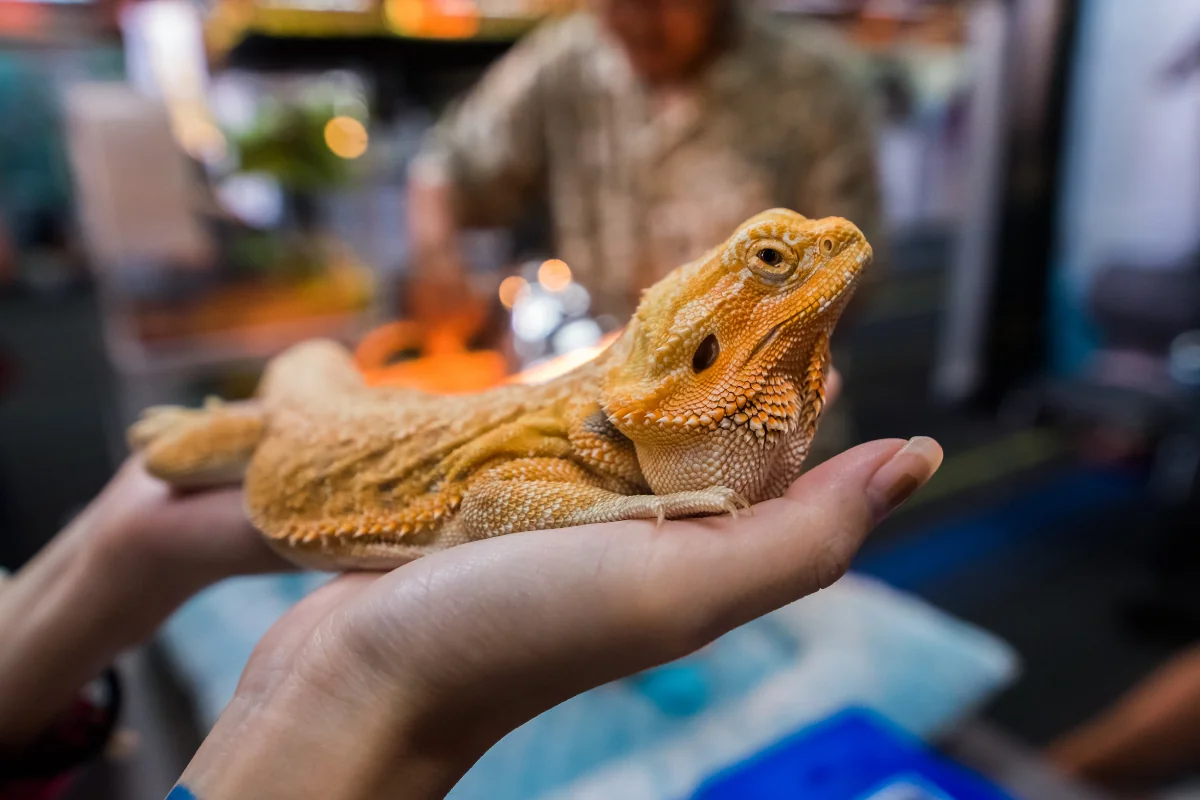
Bearded dragons are fascinating pets, known for their unique personalities and engaging interactions. However, successful bearded dragon ownership goes beyond providing food and shelter; it hinges on understanding and practicing proper handling techniques. This guide provides insights into interactive care, focusing on creating a positive experience for both you and your scaly friend. Learning to handle your bearded dragon properly not only strengthens your bond but also allows you to monitor its health and well-being effectively. This article aims to equip you with the knowledge and tools to provide the best possible care for your bearded dragon.
Understanding Your Bearded Dragon’s Behavior
Before handling your bearded dragon, it’s crucial to understand its body language. This awareness is the cornerstone of interactive care, helping you interpret your dragon’s mood and respond accordingly. Observing your pet’s behavior allows you to gauge their comfort level, ensuring that handling is a positive experience. A relaxed dragon is more likely to enjoy interaction, while a stressed one may become defensive. By paying attention to these subtle cues, you can build trust and a stronger bond with your pet. Understanding your dragon’s behavior minimizes stress during handling and enhances your overall relationship.
Signs of a Comfortable Bearded Dragon
A comfortable bearded dragon often exhibits relaxed behaviors that signal contentment. These signs are indicators that your handling techniques are working and that your dragon is enjoying the interaction. A relaxed dragon will typically have a soft, smooth appearance. They may also display a slow, deliberate gait and a calm demeanor when approached. Their beard will be relaxed, and their body posture will be open, without any tension. The dragon might also close its eyes, indicating it feels safe and secure. Such behaviors are indications that you are creating a positive experience for your pet. The dragon feels safe and secure in your care.
Signs of a Stressed Bearded Dragon
Conversely, recognizing signs of stress is equally important. A stressed bearded dragon will display certain behaviors indicating discomfort. These are important to recognize, so you can adjust your handling techniques. A stressed dragon may exhibit a darkened beard, puffed-up appearance, or gaping mouth. The dragon’s body posture will be rigid, and it may attempt to escape. It might also hiss or puff up its body in an attempt to appear larger and more intimidating. If your dragon displays these signs, it’s essential to reassess your handling methods and reduce handling time. Always prioritize your pet’s well-being and comfort. Taking action will ensure a positive and stress-free environment.

Top 5 Interactive Handling Tips for Bearded Dragons
Proper handling is an art that enriches your pet’s life and strengthens your bond. The following tips offer practical steps to create positive handling experiences, fostering trust and enjoyment for both you and your bearded dragon. These practices are the foundation of providing interactive care and ensuring a healthy relationship with your pet. The following tips are essential to a successful interaction between you and your bearded dragon.
Proper Hand Washing and Hygiene
Before interacting with your bearded dragon, it is essential to wash your hands thoroughly with soap and water. This simple step is critical to avoid transferring harmful bacteria or chemicals to your pet. Ensure that your hands are clean, removing any lotions or sanitizers that could be harmful. Consider using a reptile-safe hand sanitizer if soap and water are not available. Regularly washing your hands creates a safe environment for both you and your dragon. Prioritizing hygiene is a fundamental aspect of responsible pet ownership. Hand washing ensures that you create a healthy environment for your pet.
Approaching Your Dragon Gently

Approach your bearded dragon slowly and gently. Avoid sudden movements or loud noises that could startle your pet. Approach from the side, as coming from above might be perceived as a threat. Speak in a calm, reassuring tone to create a sense of security. Observe your dragon’s behavior to ensure they are comfortable with your presence. Allow your dragon to see your hand before attempting to pick them up. Patience and a gentle approach are key to building trust and establishing positive interactions with your dragon. By approaching your pet gently, you can minimize their stress and build trust.
Supporting the Body
When handling your bearded dragon, always support their entire body. Avoid grabbing or holding them by the tail, as this can cause injury. Place one hand under their chest and another supporting their hindquarters. This method provides a secure and comfortable hold, reducing stress and promoting a sense of safety. Ensure that your grip is gentle but firm enough to prevent them from falling. This technique is a fundamental part of providing safe and secure handling. Supporting the body allows for better interaction.
Avoiding Sudden Movements
Bearded dragons can be easily startled, so it is important to avoid sudden movements. Move slowly and deliberately when handling them. Avoid quick changes in direction or erratic movements that could frighten your pet. Avoid holding your dragon near loud noises or areas with high activity. Move smoothly to maintain their sense of security, and avoid placing your hand too close to your pet’s face. By minimizing quick movements, you create a calmer experience for your pet. This contributes to building trust.
Creating a Positive Handling Experience
Make handling sessions enjoyable and positive for your bearded dragon. Keep sessions short and frequent, especially when first starting. Talk to your dragon in a soft, reassuring tone. Allow them to explore a safe, enclosed area. Use positive reinforcement, like offering a favorite treat, to associate handling with something positive. Monitor their body language for signs of comfort or stress. Make each interaction a pleasant experience, and your dragon will soon associate handling with positive experiences. By prioritizing their comfort, you can create a strong and lasting bond.
Building Trust Through Regular Handling

Building trust with your bearded dragon is a process that requires consistency and patience. Regular handling is key to strengthening your bond and ensuring your pet feels safe and secure. By incorporating consistent practices into your routine, you can develop a harmonious relationship with your dragon. Establishing a routine and using positive reinforcement is essential for your success.

Establishing a Routine
Establish a consistent handling routine to help your bearded dragon feel secure. Choose specific times each day for interactions, creating a predictable schedule. This routine will help your dragon anticipate and become comfortable with handling. Keeping a regular schedule can significantly reduce stress and build a sense of trust. Stick to a regular schedule to communicate security to your pet. Consistency and predictability help your dragon feel safe.

Rewarding Positive Interactions
Reward your bearded dragon for positive interactions. Use treats, like insects or favorite greens, as a positive reinforcement. Always end the handling session on a positive note. By associating handling with rewards, you create a positive experience that encourages your dragon to look forward to interactions. Be sure to use healthy treats for a healthy pet. Using treats can make handling a more positive experience. Rewarding interactions leads to building trust.
The Importance of Proper Temperature and Lighting
Proper temperature and lighting are critical for the health and well-being of your bearded dragon. These environmental factors directly affect their behavior and comfort during handling. Before handling, it is important to ensure these aspects of the environment are in optimal condition. Maintaining appropriate temperatures and lighting is essential for your dragon’s health, which in turn affects their willingness to be handled. Taking the necessary steps to maintain these standards will ensure a thriving dragon.
Temperature Requirements
Bearded dragons are ectothermic, meaning they rely on external sources to regulate their body temperature. Provide a temperature gradient in their enclosure, with a basking spot of 95-110°F (35-43°C) and a cooler area of around 75-85°F (24-29°C). Proper temperature is vital for their metabolism, digestion, and overall health. Handling should ideally occur when they are at their optimal temperature. Handling your dragon when it is at its optimal temperature increases its comfort and willingness to be handled. Regular checking of temperatures is essential for your pet.
Lighting Requirements
Bearded dragons require both UVB and UVA light for their health and well-being. UVB light is crucial for the synthesis of vitamin D3, which aids in calcium absorption. UVA light helps regulate their behavior and appetite. Ensure your dragon has access to a proper UVB bulb, and replace it as recommended by the manufacturer, usually every 6-12 months, as the bulb’s effectiveness decreases over time. Proper lighting is essential to the overall well-being of your pet. Ensuring appropriate lighting is a vital part of providing the best care.
Common Handling Mistakes to Avoid
Avoiding common handling mistakes is crucial to ensuring a positive experience. These errors can cause stress, injury, and damage to your relationship with your bearded dragon. Recognizing and preventing these mistakes will help you become a more responsible pet owner and enhance your dragon’s overall well-being. Knowing these mistakes will help you to avoid them.
Grabbing or Pinching

Never grab or pinch your bearded dragon. This is a common mistake that can cause pain, injury, and create a negative association with handling. Always approach your dragon gently and support their body with both hands. Never pick up your dragon by their tail or legs. Grabbing or pinching can create stress in your pet. Always handle with care.
Handling During Shedding

Avoid handling your bearded dragon during shedding. Shedding is a stressful time for them. Their skin is sensitive, and they may feel uncomfortable. Minimize handling during this period to avoid causing stress or discomfort. If you must handle your dragon during shedding, do so gently and briefly. Avoiding handling during shedding is important to your pet’s health. Always prioritize the well-being of your pet.
Conclusion
Handling your bearded dragon is a rewarding experience that strengthens the bond with your pet. By following these best practices for interactive care, you can ensure a positive experience for both you and your dragon. Understanding their behavior, using gentle techniques, and creating a positive environment are essential. Prioritize creating a positive experience for your pet. Building trust through consistency and patience is key to enjoying a happy and healthy relationship with your bearded dragon. By prioritizing your dragon’s well-being and following these guidelines, you can enjoy a fulfilling relationship with your pet.