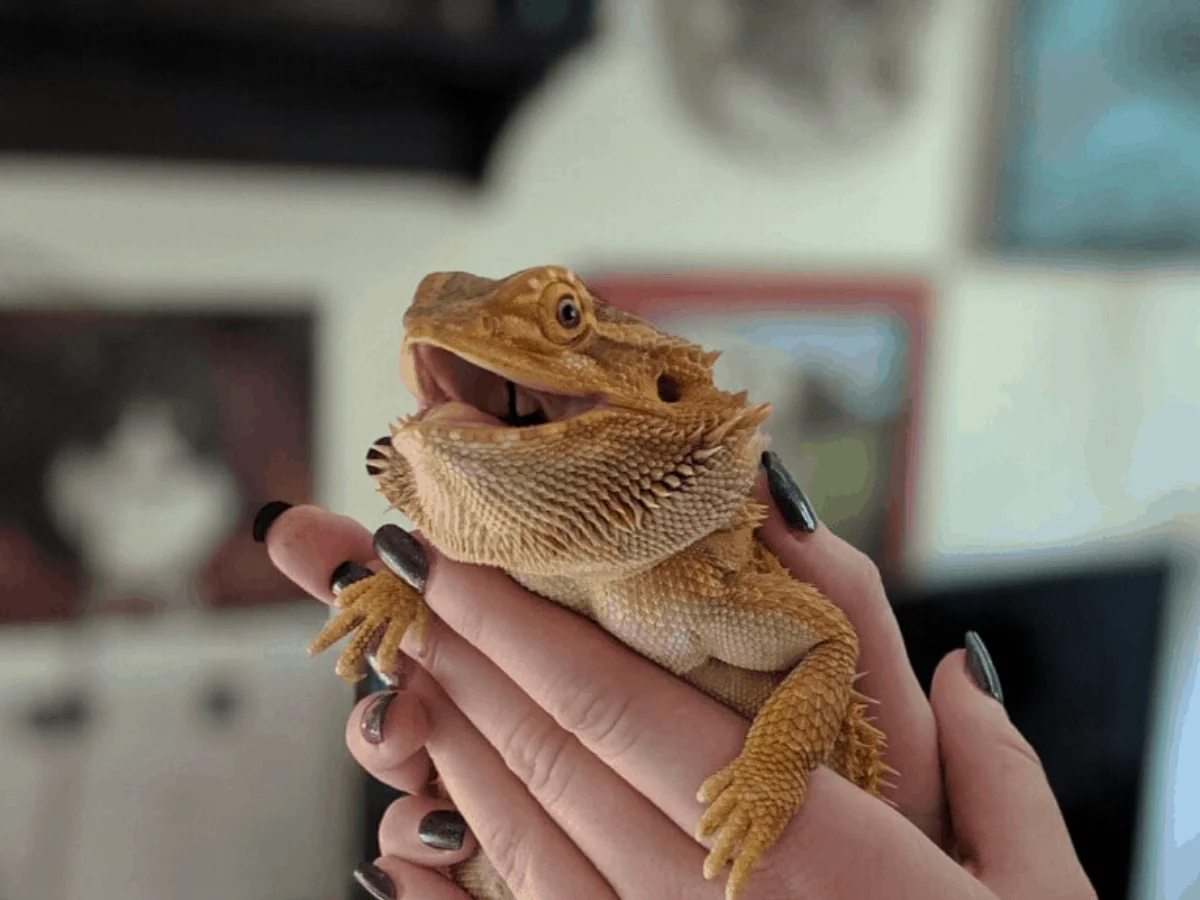
Understanding Bearded Dragon Anxiety
Bearded dragons, despite their tough appearance, are sensitive creatures capable of experiencing anxiety. Recognizing and addressing this anxiety is crucial for their well-being and for fostering a positive relationship between you and your pet. Anxiety in bearded dragons can stem from various factors, including environmental stressors, improper handling, and underlying health issues. Understanding the root causes of anxiety allows owners to create a more comfortable and secure environment for their scaly companions. Just like humans, bearded dragons thrive in environments where they feel safe and secure. This understanding forms the foundation for all handling and care practices and is essential for a happy, healthy bearded dragon. Addressing your dragon’s anxiety not only improves their quality of life but also strengthens the bond between you and your pet.
Signs of Anxiety in Bearded Dragons
Identifying the signs of anxiety in your bearded dragon is the first step towards providing effective care. Recognizing these behaviors allows you to adjust your handling techniques and environmental factors to alleviate their stress. Some common indicators of anxiety include dark stress marks on their beard and body, which are a clear visual cue. Rapid or heavy breathing, often indicated by a puffed-out beard, can signal distress. Other signs might involve changes in behavior, such as a refusal to eat or a tendency to hide more frequently than usual. Another sign to look out for is a change in basking habits; an anxious dragon might spend less time basking under its heat lamp, or spend more time hidden in their enclosure. Paying close attention to your dragon’s body language and daily routines will enable you to quickly detect any signs of anxiety, paving the way for prompt intervention and care. If your dragon is exhibiting multiple signs of anxiety, it is best to consult with an experienced reptile veterinarian to rule out any underlying health issues.
Common Handling Mistakes to Avoid
Many common handling mistakes can inadvertently contribute to or exacerbate anxiety in bearded dragons. Being aware of these pitfalls will enable you to handle your pet with greater care and confidence. Avoiding these errors will make your beardie feel safe and secure during interactions. It is vital to handle your dragon appropriately to avoid negative impacts on their well-being. Taking the time to learn these crucial points can significantly improve your bearded dragon’s health and happiness, strengthening the bond between you. Handle your bearded dragon with care and consideration to ensure it feels safe and secure.
Handling Too Often or Incorrectly
Overhandling is a frequent cause of stress in bearded dragons. New owners, excited to bond with their pets, sometimes handle them too frequently, overwhelming them and leading to anxiety. Handling should be limited, especially in the beginning and during stressful periods like shedding or after relocation. Improper handling techniques, such as grabbing the dragon from above or squeezing too tightly, can trigger fear and anxiety. Always approach your bearded dragon from the side and support their entire body to make them feel safe. Regular, but not excessive, handling sessions, coupled with gentle techniques, will build trust and reduce anxiety.
Sudden Movements or Loud Noises
Bearded dragons have a heightened sense of awareness and can be easily startled by sudden movements or loud noises. Quickly approaching your dragon or making unexpected movements can trigger their fight-or-flight response, leading to anxiety. Similarly, loud noises, such as slamming doors, shouting, or even the presence of noisy children or other pets, can upset them. When interacting with your dragon, always move slowly and deliberately. Create a calm environment where they feel secure and free from unexpected disturbances. This approach will help reduce anxiety and allow your dragon to feel safe and comfortable around you and within their environment.


Improper Support
Bearded dragons feel insecure when they are not properly supported during handling. Failing to support their entire body weight can cause them to feel like they are falling, leading to stress and anxiety. Always cradle your dragon, supporting their chest and belly with one hand and their rear legs with the other. This provides a sense of security and reduces their fear of falling. Avoid lifting your dragon high off the ground and handle them near a soft surface, such as a bed or couch, in case they accidentally jump or fall. Proper support minimizes anxiety and enhances the trust between you and your pet.
Proper Handling Techniques for Anxiety Reduction

Implementing specific handling techniques is key to reducing anxiety in bearded dragons and fostering a positive relationship. A mindful approach to handling will make the experience more pleasant for both you and your dragon. Patience, consistency, and a calm demeanor will help build trust and minimize stress. Incorporating these techniques into your daily routine will contribute to a healthier and happier bearded dragon. It will also enhance the bond you share, creating a secure and fulfilling connection. Consistent implementation will result in a more relaxed and friendly pet.
Creating a Calm Environment Before Handling
Preparing the environment before handling is crucial to creating a relaxed experience for your bearded dragon. Ensure the room is quiet and free from distractions, such as other pets, children, or loud noises. Adjust the temperature to a comfortable level, as cold temperatures can increase stress. Offer your dragon a short period to adjust before you begin handling. This preparation will help your dragon associate handling with a feeling of security and calm. By creating a conducive environment, you will set the stage for a stress-free handling session, making the experience enjoyable for your bearded dragon and building a strong bond based on mutual trust and respect. A calm environment is the first step in reducing anxiety.
Approaching Your Bearded Dragon Gently
The way you approach your bearded dragon significantly impacts their level of anxiety. Avoid sudden movements and loud noises, which can startle them. Instead, approach slowly and deliberately, speaking to your dragon in a calm, soothing voice. Allow them to see you coming and offer your hand for them to investigate. This gives your dragon a sense of control and reduces the chances of triggering their fight-or-flight response. Avoid reaching down from above, as this mimics a predator’s approach. Approach from the side and gently scoop them up, supporting their entire body. This technique will help your bearded dragon feel safe, secure, and comfortable, encouraging positive associations with you and minimizing handling-related anxiety.

Supporting the Body

Providing proper support is critical to minimizing anxiety during handling. Always support the entire body of your bearded dragon to prevent them from feeling insecure or like they are falling. Use one hand to support their chest and belly, and the other to support their rear legs and tail. This creates a secure and stable feel, reducing their fear and stress levels. Avoid squeezing or holding them too tightly, as this can make them feel trapped and anxious. Handle your dragon close to your body and avoid lifting them high off the ground, as this increases their sense of vulnerability. Proper support is a fundamental aspect of handling and essential for ensuring your bearded dragon’s comfort and well-being during interactions.
Positive Reinforcement
Positive reinforcement can be a powerful tool to reduce anxiety and build trust with your bearded dragon. Offer treats or praise when they exhibit calm behavior during handling. For example, if your dragon remains relaxed while being held, reward them with a small insect treat or verbal praise. Always associate handling with positive experiences, making your dragon more likely to associate it with safety and comfort. Avoid punishment, which can increase anxiety and damage the relationship. Positive reinforcement fosters a stronger bond and helps your dragon feel safe and secure around you. This approach makes handling a positive experience for your dragon and enhances the overall relationship between you and your pet.
Benefits of Regular Handling

Regular, consistent handling, done correctly, offers numerous benefits for both you and your bearded dragon. Building trust and creating a strong bond are key outcomes. Regular handling encourages your dragon to feel safe and secure. Positive interactions also help with health checks, as it allows for easier observation of physical condition and detection of potential health issues. Incorporating regular, gentle handling into your routine can significantly improve your bearded dragon’s quality of life. Regular interaction is essential for a happy, healthy pet. By prioritizing proper handling techniques, you cultivate a more fulfilling relationship with your reptile.
Building Trust and Bonding
Handling your bearded dragon regularly, with the right techniques, is essential for building trust and creating a strong bond. Consistent, positive interactions help your dragon associate you with safety and comfort. The more time you spend with your dragon, the more comfortable they will become with your presence and touch. Allow your dragon to become accustomed to your scent and voice, reinforcing positive interactions with treats and praise. This bonding process is beneficial for their psychological well-being. This solid foundation of trust will ensure your bearded dragon is happy and content when interacting with you. A strong bond benefits both you and your pet, enhancing their overall quality of life.

Health Benefits of Calm Handling
Regular, gentle handling not only benefits the relationship but also plays a vital role in your bearded dragon’s physical and mental health. Calm and relaxed handling sessions contribute to lower stress levels, which can enhance their immune system. Handling allows for easier health checks, enabling you to identify any potential problems, such as injuries or changes in behavior, early on. This proactive approach to healthcare ensures that you can provide appropriate care to your bearded dragon. Regular handling offers opportunities for exercise and environmental enrichment. Ensuring a relaxed and secure handling routine will contribute positively to your bearded dragon’s health. It fosters both physical health and psychological well-being.