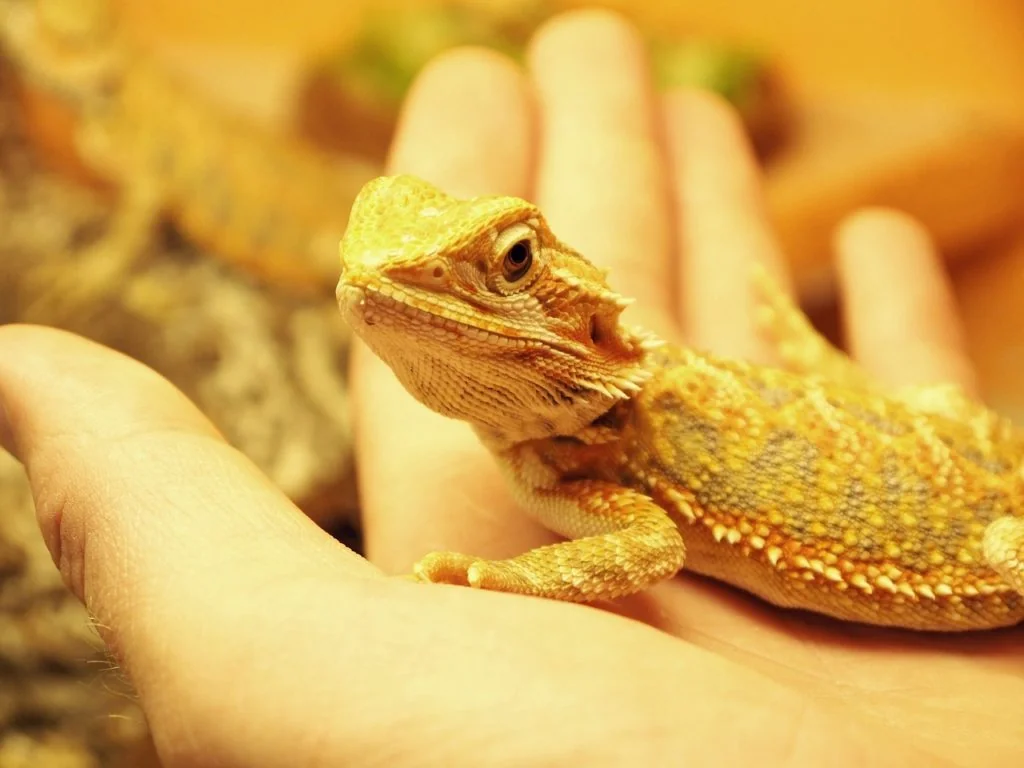
Understanding Bearded Dragons and Handling
Bearded dragons, with their docile nature and unique appearance, have become increasingly popular pets. Effective handling is crucial not just for the enjoyment of interacting with your dragon, but also for its overall well-being. This comprehensive guide provides essential insights into the best practices for handling your bearded dragon. From understanding their behavior to avoiding common mistakes, you’ll learn everything necessary to create a positive and enriching experience for both you and your scaly friend. Proper handling can strengthen your bond and contribute to your dragon’s health and happiness. It is essential to approach handling with patience, respect, and a commitment to learning.
Understanding Bearded Dragons Behavior
Before you even think about touching your bearded dragon, it’s important to understand their behavior. Bearded dragons are generally friendly, but they can be easily stressed if not handled correctly. They are known to display a range of behaviors, including puffing out their beards when feeling threatened, waving their arms to signal submission, and changing color to regulate their body temperature or show mood. Observe your dragon regularly to understand its personality. Learn to recognize signs of comfort and discomfort. A relaxed dragon will often have a loose posture, while a stressed one might flatten itself against the ground or try to escape. Understanding your dragon’s cues is the first step to handling it safely and building trust.
Recognizing Signs of Stress in Your Dragon

Handling a stressed bearded dragon can be detrimental. Learn to spot signs of stress to avoid causing undue anxiety. These signs can include a darkened beard, hissing, flattening against the ground, gaping, or attempts to escape. If your dragon exhibits any of these behaviors, it is best to stop handling immediately and allow it to calm down. It’s also important to assess the environment; are temperatures and humidity levels appropriate? Is the enclosure too bright or noisy? Minimizing these stressors will make handling easier. Patience and a gentle approach are key to helping your dragon feel secure. Build trust slowly and never force interaction.
Essential Equipment for Safe Handling

While handling a bearded dragon doesn’t require a lot of specialized equipment, a few things can make the process safer and more comfortable. Always wash your hands thoroughly before and after handling to prevent the spread of germs. It’s also a good idea to have a soft, clean surface nearby in case your dragon slips from your grasp. A small, clean towel can be used to gently scoop up the dragon if it’s skittish, making it feel more secure. Avoid wearing strong-smelling lotions or perfumes, as these can be overwhelming to a dragon’s sensitive senses. Having these simple tools ready ensures a more positive handling experience.
Preparing Your Environment for Handling
The environment plays a crucial role in a dragon’s comfort level. Ensure the enclosure’s temperature and humidity are optimal. The ideal basking spot temperature is between 95-110°F (35-43°C), with a gradient down to about 75°F (24°C) on the cool side. Humidity should be around 30-40%. A comfortable dragon is more likely to be receptive to handling. When you take your dragon out of its enclosure, make sure the room is safe. Close windows and doors to prevent escapes, and clear the area of hazards. Soft surfaces like a bed or couch are ideal. Consider dimming bright lights, as they can stress a dragon. A calm environment sets the stage for a positive handling experience.

Choosing the Right Time to Handle Your Dragon
Timing is everything when it comes to handling. Choose times when your dragon is most active and alert, typically during the day. Avoid handling your dragon immediately after feeding, as they may feel vulnerable and uncomfortable. Similarly, avoid handling during shedding, as their skin is sensitive. Be mindful of your dragon’s mood; if it seems tired or is hiding, it’s best to leave it alone. Consistent handling at regular intervals helps your dragon become accustomed to your presence. Consider short handling sessions at first, gradually increasing the duration as your dragon becomes more comfortable. Reading your dragon’s cues is the best way to determine when it’s the right time for interaction.
Handling Your Bearded Dragon Step-by-Step
Approach your dragon slowly and calmly. Avoid sudden movements that could startle it. Gently place one hand under its chest and the other supporting its rear. Lift it slowly, ensuring it feels secure. Never grab your dragon from above, as this can be perceived as a threat. Speak in a soft, reassuring voice. Initially, handling sessions should be brief, perhaps just a few minutes. Gradually increase the time as your dragon becomes more comfortable. Always supervise children when they are handling the dragon, and teach them how to handle the animal properly.
Approaching Your Dragon Gently
A gentle approach is the foundation of building trust. Before reaching for your dragon, let it see you. Place your hand in the enclosure and allow your dragon to approach you first. Avoid reaching directly over the dragon; instead, approach from the side. Speak in a calm, soothing voice to reassure your dragon. Allow the dragon to get used to your scent by letting it sniff your hand. Avoid quick movements, and always be patient. A relaxed dragon is more receptive to handling. If your dragon seems hesitant, try offering a small treat, like a worm, to associate your hand with positive experiences.
Lifting and Supporting Your Dragon
When you are ready to lift your bearded dragon, use both hands. Place one hand under its chest and support its belly, while the other hand supports its rear and tail. This provides a sense of security and prevents the dragon from feeling like it’s falling. Ensure your grip is firm but not tight. Always support the dragon’s weight. Never lift a dragon by its tail, as this can cause injury. If the dragon tries to escape, gently redirect it, rather than forcing it. Holding your dragon close to your body can also make it feel more secure. By using these techniques, you can make the handling process both safe and enjoyable.
Common Handling Mistakes to Avoid
Several common mistakes can negatively impact your dragon’s handling experience. Avoid grabbing your dragon quickly or from above, as this mimics a predator’s attack. Do not squeeze or hold your dragon too tightly. Avoid sudden movements or loud noises. Don’t handle your dragon if you have strong-smelling lotions or perfumes on your hands. Over-handling can also be a mistake; it’s better to have short, frequent sessions than long, infrequent ones. Forcing interaction when a dragon is stressed or in a bad mood is never a good idea. Patience and understanding are key to avoiding these mistakes and fostering a positive relationship with your dragon.
Ensuring a Positive Handling Experience
To make each handling session positive, focus on creating a comfortable and safe environment. Handle your dragon in a quiet room away from loud noises and distractions. Keep the handling sessions short and sweet, especially at the beginning. Speak in a soothing voice and move slowly. Reward positive behavior with a small treat, such as a favorite insect. Be patient and consistent. If your dragon seems stressed, end the session immediately and try again later. The goal is to associate handling with positive experiences, leading to a happier and more relaxed dragon. Remember, every dragon is different, so adjust your approach based on your pet’s personality.
Building Trust and Bonding with Your Dragon
Building trust is essential for a strong bond. Regular, positive interactions help your dragon learn that you are not a threat. Spend time near the enclosure, talking to your dragon. Offer treats by hand. As your dragon gets more comfortable, gradually increase the duration of handling sessions. Avoid forcing interaction if your dragon is not receptive. Allow the dragon to explore a safe area outside its enclosure under supervision. Over time, your dragon will learn to associate you with positive experiences, resulting in a stronger bond. Remember, patience, consistency, and positive reinforcement are key to building trust.
Maintaining a Comfortable Temperature
Bearded dragons are ectothermic, meaning they rely on external heat sources to regulate their body temperature. During handling, make sure the area is not too cold, which can stress your dragon. If the room feels cold to you, it will likely be uncomfortable for your dragon. Avoid handling your dragon in drafty areas or near air conditioning vents. If you have a warm, safe place for your dragon to sit while you handle it, like a soft blanket warmed by a heating pad (on low), it will be much more comfortable. Always monitor your dragon for signs of chilling, such as sluggishness or a darkened color. Maintaining a comfortable temperature ensures the dragon’s well-being during handling.
Regular Handling and Socialization

Regular handling and socialization are vital for your dragon’s well-being. Consistent interaction helps your dragon become accustomed to your presence and build trust. Aim for handling sessions several times a week, even if they are short. Socialization helps your dragon become less fearful and more comfortable in various situations. Introduce your dragon to different environments, like a supervised exploration in a safe room. This exposes your dragon to new sights and sounds, helping it develop confidence. Regular handling is beneficial for both physical and mental health. A well-socialized dragon is often more relaxed and easier to handle, leading to a more rewarding pet-owner relationship.
Benefits of Handling for Your Dragon
Handling provides numerous benefits for your bearded dragon. It allows for close inspection of its health, allowing you to catch any potential issues early. Regular handling can also improve your dragon’s temperament, making it less stressed and more comfortable around humans. It provides enrichment and stimulation, which can prevent boredom. Handling can also strengthen the bond between you and your dragon. Positive interactions can boost the dragon’s confidence. By making handling sessions enjoyable, you’re providing your dragon with a better quality of life and fostering a happier, healthier pet.
Health Benefits for Your Dragon
Regular handling is an excellent opportunity to check your dragon’s health. Examine its skin for any signs of injury, parasites, or infections. Observe its eyes, nose, and mouth for any discharge. Check its body condition; a healthy dragon should have a plump body. Being familiar with your dragon’s normal appearance makes it easier to detect changes that could indicate health problems. Early detection of health issues is crucial for providing timely treatment. Frequent handling lets you maintain a detailed record of your dragon’s health, ensuring it receives the best possible care.
Creating a Strong Bond with Your Dragon
Handling plays a vital role in forming a strong bond with your bearded dragon. Positive interactions create trust and familiarity. By associating your presence with positive experiences, you build a connection with your pet. Over time, your dragon will become more comfortable with you, seeking interaction and showing signs of affection. This bond makes the experience of owning a bearded dragon even more rewarding. Regular handling sessions are a testament to the care and affection you have for your dragon, fostering a loving and enriching relationship for years to come.
Troubleshooting Handling Issues
If your dragon shows signs of stress or aggression during handling, take steps to troubleshoot the issue. Review your handling techniques and make adjustments as needed. Ensure your dragon’s environment is appropriate, with the right temperature and humidity levels. Consider the timing of your handling sessions; is it right after a meal or during shedding? If your dragon is consistently aggressive, consult a veterinarian or a reptile specialist. They can offer expert advice and help you identify and address any underlying issues. Remember to be patient and persistent, as it can take time to build trust and overcome handling challenges.
Addressing Fear and Aggression


If your dragon displays fear or aggression, address it with patience and a gentle approach. Avoid forcing interaction. Instead, focus on building trust by offering treats or allowing the dragon to get used to your presence in a non-threatening way. Review your handling techniques. Are you moving too quickly or making sudden noises? Make sure your dragon has a safe retreat in its enclosure. Reduce stressors, such as bright lights or excessive noise. If the problem persists, seek advice from a veterinarian or a reptile specialist. They can help determine the cause and recommend strategies to address the fear or aggression. Remember, it’s often a gradual process that requires consistent, positive interactions.
Seeking Professional Advice
If you encounter consistent challenges or have concerns about handling your bearded dragon, don’t hesitate to seek professional advice. A veterinarian specializing in reptiles can provide valuable insights into your dragon’s health and behavior. A reptile specialist can offer advice on handling techniques and address any specific concerns. They can also help you identify any underlying medical issues that may be contributing to behavioral problems. Consulting with an expert ensures your dragon receives the best possible care. Early intervention can prevent potential health issues and improve the overall well-being of your pet. Seeking professional help is a sign of a responsible pet owner.