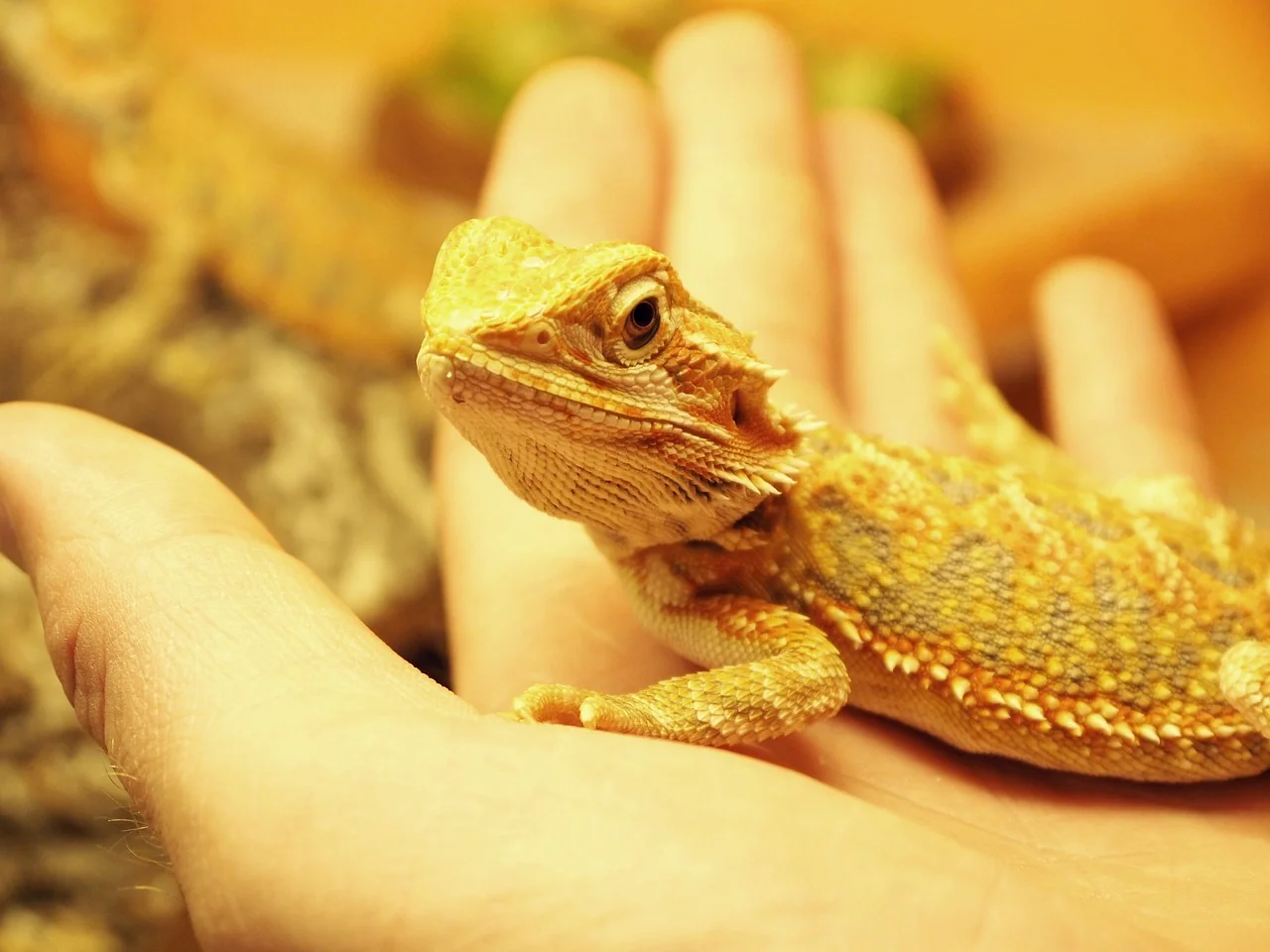
Bringing a bearded dragon into your home is an exciting experience. These fascinating reptiles make wonderful pets, but their well-being hinges on proper care and, crucially, handling. This guide is designed specifically for beginners, offering a comprehensive look at handling techniques that prioritize your dragon’s comfort and minimize stress. Learning how to handle your bearded dragon correctly isn’t just about convenience; it’s about fostering a strong bond and ensuring your pet thrives. From understanding their behavior to recognizing stress signals, this article will walk you through every step of the process, transforming you into a confident and caring dragon owner.
Understanding Bearded Dragons
Before you even consider handling your bearded dragon, it’s essential to understand their natural behaviors and needs. Bearded dragons are native to the arid regions of Australia, where they spend their days basking in the sun and foraging for food. In captivity, they require a habitat that mimics these conditions, including appropriate temperature gradients, UVB lighting, and a varied diet. Understanding their origins helps you appreciate their sensitivity and the importance of gentle handling. Familiarize yourself with their anatomy; observe how they move, their posture, and the way they interact with their environment. This initial observation period is crucial for building a connection with your dragon and recognizing their individual personality.
Bearded Dragon Temperament and Behavior
Bearded dragons, despite their intimidating appearance, are generally docile reptiles. They are known for their inquisitive nature and can become quite accustomed to human interaction. However, individual personalities vary. Some dragons are naturally more outgoing, while others are shy and may take longer to warm up to handling. Observe your dragon’s behavior carefully. A healthy and happy bearded dragon will exhibit alertness, curiosity, and a relaxed posture. They might flatten their bodies to absorb heat, or they might explore their enclosure with enthusiasm. Understanding these baseline behaviors is key to detecting signs of stress or discomfort.
Recognizing Stress Signals in Your Dragon
Bearded dragons communicate their feelings through body language. Recognizing their stress signals is critical for humane handling. Ignoring these signals can lead to a negative experience for your dragon and could potentially damage the trust you’re trying to build. When stressed, a bearded dragon might display several distinct behaviors. It’s your responsibility to learn to identify these indicators early on, allowing you to adjust your handling techniques or provide a more comfortable environment. Paying close attention to these signals shows your pet that you care about its emotional needs and that you respect its boundaries.
Common Stress Indicators
Several visual cues indicate stress. A darkened beard, often accompanied by a flattened body, is a clear sign of distress. Gaping, where the dragon opens its mouth wide, can also signify stress, particularly if it’s not related to thermoregulation. Another sign is a change in color, such as becoming pale or showing dark patches. Rapid or erratic movements, such as pacing or attempting to escape, also suggest anxiety. If your dragon tries to run away or hide when you approach, it’s an indicator that it’s not ready for handling. Tail-wagging, while sometimes a sign of excitement, can also be a stress response. Always give your dragon space and time to adjust before attempting to handle them when you see these stress indicators.
Handling Techniques for Beginners

Handling your bearded dragon should be a positive experience for both of you. The key is to approach it with patience and respect for your dragon’s boundaries. Always move slowly and deliberately, and never grab your dragon from above, as this can be perceived as a threat. Offer your hand, allowing them to approach you. This will make handling an easier experience. The goal is to make your bearded dragon feel safe and secure. Here’s a breakdown of how to initiate handling and how to handle a beardie.
Preparing for the First Handling
Before you attempt to handle your bearded dragon, ensure they are in a relaxed state. Observe them for a while to check their mood. Approach their enclosure slowly and speak in a calm, reassuring voice. Avoid sudden movements or loud noises. Wash your hands thoroughly to remove any scents or residue. Many bearded dragons are attracted to the smell of food, so avoid handling them immediately after preparing food. You can start by simply placing your hand inside the enclosure and letting them get used to your presence. This initial step can build trust and reduce their anxiety when you begin handling them.
Proper Hand Placement and Support
When you’re ready to handle your dragon, approach them from the side, rather than from above. Gently slide your hand under their body, supporting their chest and belly. Use your other hand to gently cradle their body, providing additional support and security. It’s crucial to support their entire body weight; never lift them by the tail or legs. This can be very stressful and can potentially cause injury. A secure hold will make them feel safer, and less likely to struggle. Keep your movements slow and deliberate. Talk to your dragon in a calm, soothing voice. This helps to reassure them and make the experience more positive.
Creating a Calm Handling Environment
The environment in which you handle your bearded dragon significantly impacts their stress levels. Choose a quiet, comfortable space away from potential stressors like loud noises, other pets, and direct sunlight. The room should be at a comfortable temperature, not too cold or too hot. Avoid handling them during their shedding cycle or shortly after they have eaten. Keep the handling sessions short, especially when you are beginning. Positive reinforcement, such as offering a favorite treat after a successful handling session, can help build a positive association with being handled.
Handling Frequency and Duration
Start with brief handling sessions, gradually increasing the duration as your dragon becomes more comfortable. A few minutes each day or every other day is often sufficient. Avoid overhandling, especially in the beginning. Observe your dragon’s behavior closely, and if they show any signs of stress, end the session immediately. It’s better to have short, positive interactions than long, stressful ones. Build up the handling time slowly, paying close attention to how your dragon is responding. This allows the dragon to build trust, making future handling easier and more enjoyable for both of you.
Building Trust and Bonding
Building a bond with your bearded dragon takes time and consistency. Spend time simply being present near their enclosure, talking to them in a gentle voice. Offer treats, such as insects or small pieces of fruit, from your hand. This will help them associate you with positive experiences. Never force interaction. Allow your dragon to approach you at their own pace. By respecting their boundaries and showing patience, you can build a strong and trusting relationship with your pet. Building trust is a long-term process that significantly impacts how your dragon perceives you.
Handling Games and Positive Reinforcement
Once your bearded dragon is comfortable with being handled, you can incorporate fun activities. Short, gentle walks around a safe area can provide enrichment. You can also set up obstacle courses or simple puzzles to challenge them. Positive reinforcement is key, so reward them with treats and verbal praise when they successfully complete an activity. Make handling sessions enjoyable by playing games or by simply letting your dragon explore a safe area under your supervision. Keep your dragon’s individual personality in mind and avoid any activity that causes them stress.

Advanced Handling Considerations

As you and your bearded dragon become more comfortable with handling, you might want to explore more advanced techniques. This includes teaching them to recognize their name, teaching them basic commands, and even taking them on supervised outdoor adventures. Always ensure that these experiences are safe and enriching for your dragon. Avoid overstimulating them, and be mindful of their physical and emotional needs. If at any point, your dragon shows signs of stress, return to basic handling techniques. Patience and a focus on your dragon’s well-being are paramount.
Handling During Shedding and Illness
Bearded dragons are more sensitive during shedding and illness. During shedding, their skin is particularly sensitive, so avoid handling them unless necessary. If you must handle them, do so very gently and avoid pulling on any loose skin. When your dragon is ill, they might be more stressed and less tolerant of handling. Consult your vet, but avoid unnecessary handling to minimize stress. In both of these situations, make your dragon’s comfort your priority, and adjust your handling routine to provide them with as much comfort as possible. Always prioritize their health and well-being.
Safe Handling Practices for Children

Children can enjoy interacting with bearded dragons, but it’s essential to teach them safe handling practices. Supervise all interactions between children and the dragon. Teach children to approach the dragon gently, and never to grab or squeeze them. Explain the importance of supporting the dragon’s entire body weight and of avoiding sudden movements. Provide clear instructions, and ensure they understand how to recognize signs of stress in the dragon. Educate them on the importance of respecting the dragon’s boundaries, and to ask for help if they are unsure. By teaching children responsible pet care from a young age, you are helping to cultivate a positive relationship with your beardie.
Troubleshooting Handling Issues
Even with the best intentions, you might encounter some challenges when handling your bearded dragon. It is important to address biting, aggression, and other common issues. The key is to remain patient, observant, and proactive in addressing any concerns. If you are experiencing any difficulties, don’t hesitate to seek advice from your veterinarian or an experienced reptile specialist. Addressing the issues proactively will strengthen your bond with your pet.

Addressing Biting and Aggression
Biting and aggression are often signs of stress or fear. If your bearded dragon bites you, remain calm. Do not jerk your hand away, as this can cause further injury. Instead, gently try to remove your hand and assess the situation. Determine the cause of the bite, which could be related to stress, territorial behavior, or a perceived threat. Examine the environment and handling techniques to identify and address potential triggers. If your dragon is regularly aggressive, consider consulting a vet or a reptile behaviorist to help determine the cause and to develop a suitable plan for managing these behaviors. By identifying and addressing the issues, you can create a more positive experience for both you and your beardie.
Common Handling Mistakes to Avoid
Several common mistakes can hinder successful handling. One major error is grabbing the dragon from above, as this is perceived as a threat. Another is failing to support their entire body, which makes them feel insecure. Another mistake is handling the dragon too frequently or for too long. Overhandling can lead to stress and can damage your bond. Ignoring the dragon’s stress signals is also a common pitfall. Always pay attention to the signs of stress and adjust your techniques accordingly. Finally, never handle your dragon after applying hand sanitizer or lotion, as the scent can be irritating or harmful to your pet.
Handling your bearded dragon should be a rewarding experience for both you and your pet. By understanding their behavior, recognizing their stress signals, and following these beginner-friendly handling techniques, you can build a strong, trusting bond. Remember that patience, consistency, and a deep respect for your dragon’s needs are the cornerstones of successful handling. As your dragon becomes more comfortable with you, you’ll find yourself enjoying their company, creating a happier and healthier relationship.

Always prioritize your dragon’s well-being and enjoy the journey of getting to know these amazing creatures.