Understanding Bearded Dragons
Bearded dragons, with their docile nature and unique appearance, have become popular pets. However, successful ownership hinges on understanding their specific needs, especially concerning handling. New owners must familiarize themselves with these fascinating creatures’ temperament, behaviors, and how to interact with them safely and respectfully. Proper handling is vital, not only for your safety but also for the well-being and happiness of your bearded dragon.
Bearded Dragon Temperament and Behavior
Bearded dragons are generally calm and curious reptiles. They aren’t naturally aggressive, making them suitable pets for those new to reptile ownership. Their behavior can tell you a lot about how they are feeling. For example, a relaxed beardie will have a flat beard, while a stressed one may display a black beard as a warning. Understanding these nuances is crucial for building trust and ensuring a positive handling experience.
How to Recognize a Happy Beardie

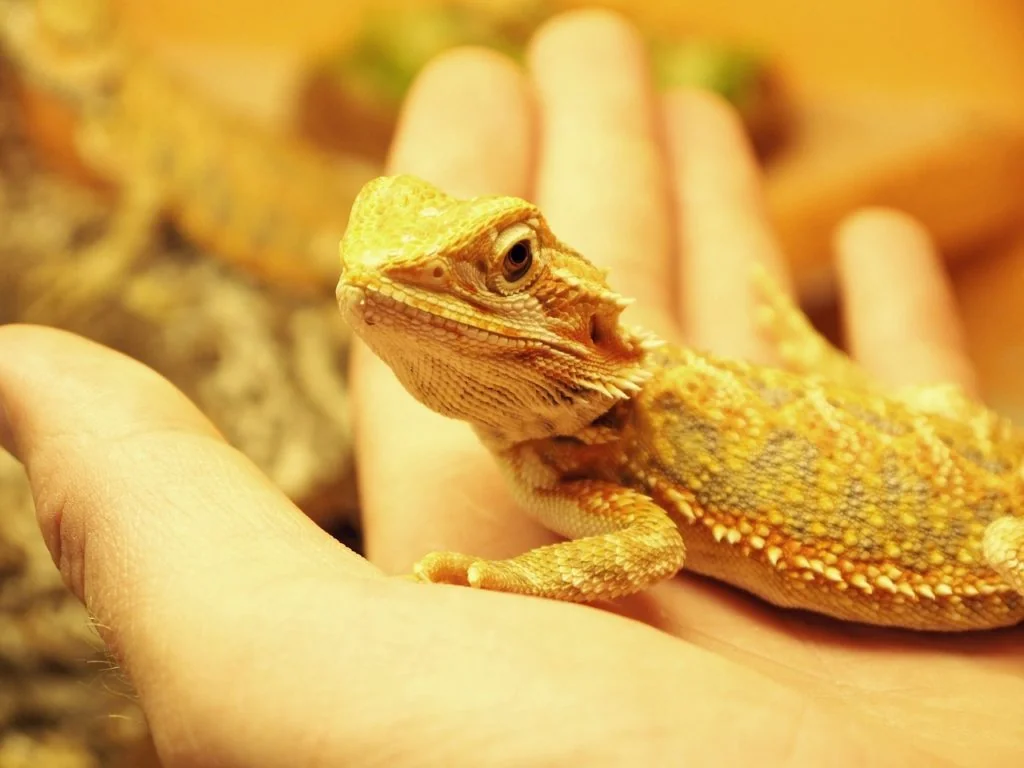
A happy bearded dragon is relaxed and content. Their bodies will be flattened, their eyes open and alert, and they may even bask in the warmth of your hand. A happy beardie is also more likely to eat well, be active in their enclosure, and show interest in their surroundings. A good sign is when your dragon approaches you without fear, indicating it trusts you.
Signs of Stress in Bearded Dragons
Bearded dragons may exhibit signs of stress if they are frightened or uncomfortable. These signs include a black beard (a sign of agitation), gaping (which can be a sign of overheating, or stress), hissing, puffing up their bodies, and flattening themselves against the ground. If your dragon shows signs of stress, gently put them back in their enclosure and allow them to calm down. Observe their behavior and identify any potential stressors in their environment.
Do’s of Bearded Dragon Handling
Handling a bearded dragon involves several important steps to ensure their comfort and safety. Approaching them with care, providing proper support, and handling them regularly (but not excessively) are all part of responsible ownership. Following these guidelines will help build a bond of trust between you and your pet, making handling a positive experience for both of you.
Wash Your Hands Before and After Handling
Always wash your hands thoroughly with soap and water before and after handling your bearded dragon. This simple step helps prevent the spread of any potential bacteria, such as Salmonella, which can be carried by reptiles. This also protects your dragon from any harmful substances on your hands like lotions and chemicals.
Approach Your Beardie Gently
Avoid sudden movements and loud noises when approaching your bearded dragon. They can be easily startled. Instead, move slowly and speak in a calm, reassuring voice. This will help them feel safe and build trust. A gentle approach sets the stage for a positive handling experience.
Support Their Body
When picking up your bearded dragon, always support their entire body. Place one hand under their belly and the other gently around their back. Never pick them up by their tail, as this can be painful and cause injury. Providing adequate support makes them feel secure and prevents them from feeling threatened or falling.
Handle Regularly, But Not Excessively
Regular handling helps your bearded dragon become accustomed to you and builds a bond of trust. Aim for short handling sessions several times a week. However, avoid over-handling, which can stress your pet. Always observe your dragon’s behavior and respect their boundaries. If they show signs of stress, end the handling session immediately.
Don’ts of Bearded Dragon Handling
Just as there are specific handling techniques to follow, there are also several things to avoid. These ‘don’ts’ are crucial for ensuring your bearded dragon’s safety and well-being. Avoiding these mistakes is just as important as following the ‘do’s.’
Avoid Picking Up from Above
Never reach down from above to grab your bearded dragon. This mimics a predator and can scare them. Instead, approach them from the side and gently slide your hand under their body to pick them up. This lessens their fear and allows them to feel more secure.

Don’t Squeeze or Grip Too Tight
Bearded dragons are fragile creatures, so avoid squeezing them or gripping them too tightly. This can cause injury and make them feel unsafe. Hold them gently but firmly, supporting their entire body. The aim is to make them comfortable during handling, not to restrain them.
Never Handle After Feeding
Avoid handling your bearded dragon immediately after they eat. This can cause them to regurgitate their food, and it also puts unnecessary pressure on their digestive system. Wait at least an hour after feeding before handling them. This allows their food to settle and prevents any potential discomfort.
Avoid Sudden Movements and Loud Noises
Bearded dragons are sensitive to sudden movements and loud noises, both of which can startle them. Always move slowly and speak in a calm voice when handling them. Avoid handling them in areas with excessive noise. Creating a calm environment helps the dragon relax and enjoy the interaction.
Creating a Safe Handling Environment
A safe and comfortable handling environment is essential for a positive experience. This involves preparing your space, monitoring the handling time, and following safety tips. Creating a stress-free atmosphere will make your bearded dragon feel secure and build a stronger bond.
Preparing Your Space for Handling
Choose a quiet, enclosed space for handling, away from other pets or distractions. This could be a carpeted floor or a secure surface. Make sure the area is clean and free of anything that could harm your bearded dragon. Consider placing a soft blanket or towel down to provide a comfortable surface and prevent them from slipping. Keep a close eye on them, especially if they are new to handling.


Handling Time and Duration


Keep handling sessions short, especially when you’re first starting. Start with a few minutes and gradually increase the duration as your bearded dragon becomes more comfortable. Observe their behavior and stop handling if they show any signs of stress. The goal is to create a positive experience for your bearded dragon, not to force interaction.
Handling Safety Tips
Always supervise children when handling your bearded dragon. Small children might not be aware of how to handle the animal gently, and this could result in injury to the dragon. Be sure that the environment is secure. Ensure all windows and doors are closed to prevent escape. Be careful of other pets, which might see your bearded dragon as prey.
Handing and Bonding with Your Bearded Dragon
Handling is a key element in bonding with your bearded dragon. By following the do’s and don’ts of handling, you can create a positive experience for both you and your pet. Regular, gentle handling will allow them to get used to you, build trust, and become more comfortable. Over time, you’ll have a friendly, happy pet who enjoys your company.