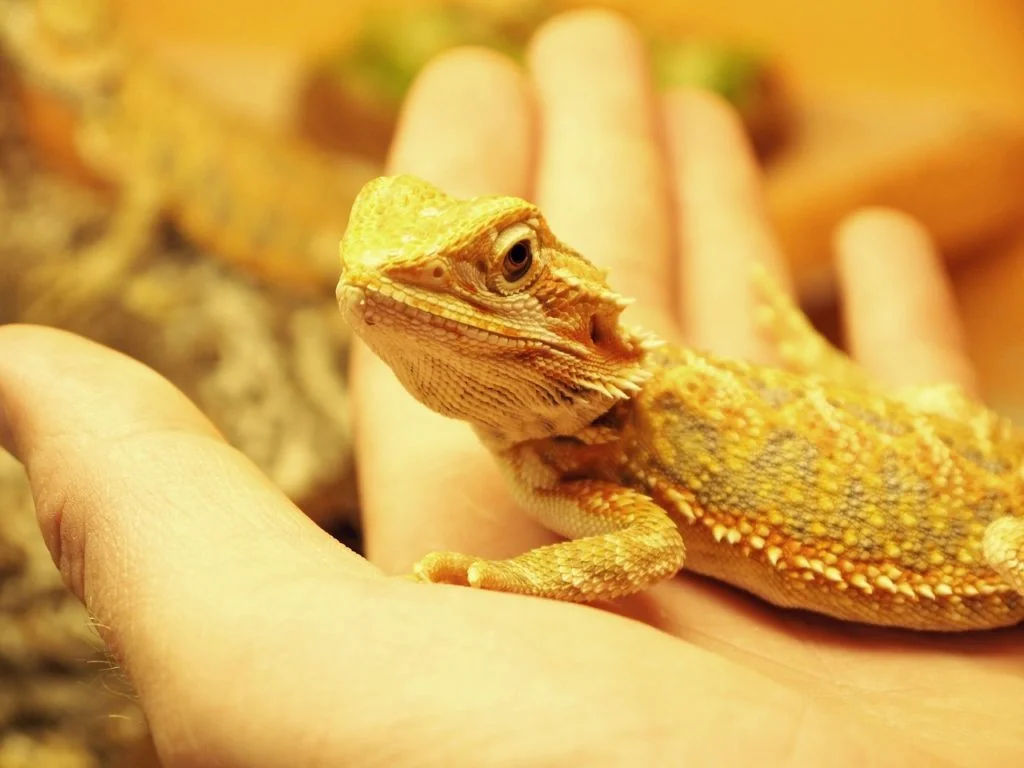
Understanding Bearded Dragons
Bearded dragons, with their distinctive spiky appearance and generally docile nature, have become popular pets. However, responsible ownership requires understanding their needs, including proper handling techniques. These reptiles, native to Australia, are not naturally inclined to be handled by humans, so it’s crucial to approach them with patience and respect. A stressed bearded dragon is more likely to become ill or bite. This guide explores the do’s and don’ts of handling, ensuring a safe and positive experience for both you and your scaly companion. Remember, building trust is key to successful handling and a happy, healthy bearded dragon. A well-handled dragon is a content dragon, and a content dragon is a joy to own. Proper handling not only ensures your safety but also strengthens the bond between you and your pet. Prior to handling, it is important to ensure you understand the basics about your dragon.
Bearded Dragon Temperament and Behavior
Bearded dragons display a range of behaviors that can indicate their mood and comfort level. Understanding these cues is paramount for safe handling. A relaxed dragon will have a smooth, flat beard and a calm demeanor. However, a stressed or threatened dragon will often puff out its beard, darken its skin, and may even gape its mouth. These are clear signals to back off. Young dragons are often more skittish than adults. They may require more gentle handling and a slower approach. Observing your dragon regularly, even when not handling it, will help you become familiar with its baseline behavior and recognize subtle changes that indicate stress or illness. This will greatly improve your ability to handle your dragon safely and without causing undue stress. Patience and observation are your best tools when interacting with your bearded dragon.
Factors Influencing Handling
Several factors can affect a bearded dragon’s willingness to be handled. The dragon’s age, health, and environment all play a role. A sick or injured dragon is likely to be more sensitive and may react negatively to being handled. A dragon that feels cold may also be less receptive. Therefore, handling sessions should always be conducted in a warm, secure environment. Similarly, a new dragon may need time to adjust to its new surroundings before it is ready to be handled. Building trust takes time and patience, so don’t rush the process. Ensure the enclosure is clean and that the dragon has access to fresh water and proper lighting. A well-cared-for dragon is usually a more relaxed dragon. The dragon’s personality also plays a big role, some are more outgoing and friendly, while others are naturally shy.
Do’s of Bearded Dragon Handling
Wash Your Hands Before and After Handling
This is one of the most critical steps. Washing your hands before handling removes any potentially harmful bacteria or chemicals that could harm your dragon. After handling, washing your hands prevents the spread of any potential bacteria from the dragon to you. Use warm water and unscented soap. This simple practice significantly reduces the risk of cross-contamination and protects both you and your pet. It’s a small step with a big impact on health and safety. Always wash your hands thoroughly, paying attention to all surfaces, including under nails. This should be a consistent habit for all bearded dragon owners.
Approach the Bearded Dragon Calmly
Bearded dragons are sensitive to sudden movements and loud noises. Always approach your dragon slowly and calmly. Avoid making any sudden gestures. Talk to your dragon in a soft voice to reassure it. This helps to build trust and reduces the likelihood of your dragon feeling threatened. Ensure your movements are deliberate, not hurried or jerky. Patience is key. Rushing the process will only increase the dragon’s stress levels. Let your dragon see you coming. This reduces any element of surprise and makes the handling experience much more pleasant for your pet.
Support the Body and Feet
When lifting your bearded dragon, support its entire body. This makes the dragon feel more secure. Place one hand under its chest and belly, and use your other hand to support its hindquarters and feet. Avoid holding the dragon from above, which can be perceived as a threat. Ensure the dragon’s feet are supported; never let them dangle freely. A well-supported dragon is less likely to panic or struggle. This gives the dragon a sense of security and comfort. If the dragon is small, you can cradle it in your hands. For larger dragons, use both hands to provide full support.
Handle for Short Periods
Start with short handling sessions, gradually increasing the duration as your dragon becomes more comfortable. Fifteen to twenty minutes is a good starting point. Observe your dragon for signs of stress, such as a dark beard, gaping mouth, or hissing. If you see these signs, end the handling session immediately. Don’t force it. Over time, your dragon will become more accustomed to being handled, and the duration of the sessions can be increased. Regular, short handling sessions are better than infrequent, long ones. The goal is to create a positive experience for your dragon. Listen to your dragon, and adjust the handling duration to meet their needs. Avoid pushing the dragon past their comfort level.
Don’ts of Bearded Dragon Handling
Avoid Grabbing or Pulling the Dragon

Never grab or pull your bearded dragon. This is stressful and can lead to injury. Always approach from the side or below, and gently scoop the dragon up. Avoid sudden movements that could startle the dragon. If you need to remove the dragon from its enclosure, allow it to walk onto your hand or gently coax it out. Pulling a dragon can damage its limbs or tail. Also, grabbing the tail as a defense mechanism, may lead the dragon to drop the tail, which can never be regrown. Always handle the dragon with care and gentleness. Never use force. This builds trust and encourages a positive association with handling.
Don’t Handle After Feeding
Avoid handling your bearded dragon immediately after it has eaten. Handling can cause stress, which may lead to regurgitation. Give your dragon at least an hour or two to digest its food before handling. This is especially important for younger dragons, as their digestive systems are more sensitive. The risk of regurgitation is higher when the dragon is full. Handling too soon can also increase the chance of your dragon experiencing discomfort or digestive issues. It is best to handle your dragon before or after they eat, not right after.
Avoid Dropping or Squeezing

Always hold your bearded dragon securely to prevent it from falling. A fall can cause serious injury, including broken bones or internal damage. Never squeeze your dragon. This can restrict its breathing and cause pain. Hold your dragon gently but firmly, ensuring it feels secure and supported. Maintain a firm grip without applying excessive pressure. Small children are more prone to dropping their dragons and must be supervised closely. Ensure you are sitting when handling the dragon, and that you are close to the ground in case of any accidents.
Handling Precautions & Safety
Creating a Safe Handling Environment
Before handling, ensure the area is safe and secure. Clear the space of any hazards, such as sharp objects, electrical cords, or other pets. Make sure there is nothing the dragon can escape under or behind. A safe environment minimizes the risk of injury or escape. Consider the temperature of the handling area; a cold dragon might be less receptive to being handled. Offer a warm, comfortable space for handling. Supervision is key. Always supervise children when they are handling a bearded dragon. Being prepared is a crucial step to ensuring a positive experience for both you and your pet. Provide a secure space to handle the dragon.
Recognizing Stress Signals in Your Dragon
Learn to recognize the signs of stress in your bearded dragon. These can include a dark beard, gaping mouth, hissing, or flattening of the body. Tail-wagging is another sign. If your dragon displays any of these behaviors, immediately return it to its enclosure. These are the dragon’s way of telling you that they are uncomfortable. Ignoring these signals can damage your relationship with the dragon and potentially lead to stress-related illnesses. Frequent monitoring is essential. Observe your dragon regularly to understand its individual behavior. Understanding your dragon’s unique communication style will help you avoid any negative experiences.
Signs of Stress
Stress in bearded dragons can manifest in several ways. Look out for: dark coloration, especially the beard, which often indicates aggression or fear; a gaping mouth, possibly combined with panting, which signals overheating or stress; flattening of the body, often a defensive posture; hissing or puffing up the beard; or changes in appetite or bowel movements. Any of these signs indicate the dragon is not enjoying the handling session. It is crucial to recognize these signs and act accordingly. Understanding these indicators will help you create a more positive and trusting relationship. The best way to determine a baseline is to watch your dragon in their enclosure when you are not handling them.
When to Avoid Handling

There are times when it’s best to avoid handling your bearded dragon. These include periods immediately after feeding, during shedding, or if the dragon is sick or injured. Do not handle when the dragon is shedding. Handling during this time can be painful and stressful for the dragon. Give the dragon space and time to shed. Also, if your dragon is displaying signs of illness, it is best to avoid handling until it has recovered. Always consult a veterinarian if you suspect your dragon is ill. During periods of stress, such as relocation or environmental changes, it’s best to give your dragon time to adjust and settle in before attempting to handle them.
Handling Tips for Children and Beginners

Teaching Children Safe Handling
Children should always be supervised when handling a bearded dragon. Teach children to be gentle and respectful of the animal. Explain the do’s and don’ts of handling, such as how to support the dragon and avoid sudden movements. Make sure the child understands that the dragon is not a toy and that it must be handled with care. Show the child the correct way to handle the dragon and have them practice under your supervision. It may be helpful to start with very short handling sessions. Regularly reinforce the importance of gentle handling. Children may also need to be taught to wash their hands before and after handling. A positive early experience with handling sets the stage for a healthy relationship with the pet.
Handling a Nervous Bearded Dragon
If your bearded dragon is nervous, go slow. Start by simply sitting near the enclosure and talking to the dragon. Gradually introduce your hand into the enclosure, allowing the dragon to get used to your presence. Never force the interaction. Allow the dragon to come to you, perhaps by offering a favorite treat. When you do handle the dragon, keep the sessions short and calm. This builds trust. Be patient. It takes time for a nervous dragon to become comfortable. Positive reinforcement, such as offering treats or praise, can also help. Creating a calm and predictable environment is key to building trust with a nervous dragon. With patience and consistency, you can help your dragon feel safe and secure.
After Handling Care

After each handling session, return your dragon to its enclosure gently. Check the dragon’s enclosure and ensure that the temperature, humidity, and lighting are correct. Offer fresh water and food. Watch your dragon for any signs of stress, and make sure they are eating, drinking, and behaving normally. Regular monitoring is an important part of your care. If the dragon is not behaving normally, seek veterinary attention. Cleaning your hands is also an important post-handling ritual to keep the dragon healthy. A good aftercare routine reinforces the positive handling experience and helps to maintain the health and happiness of your bearded dragon.

