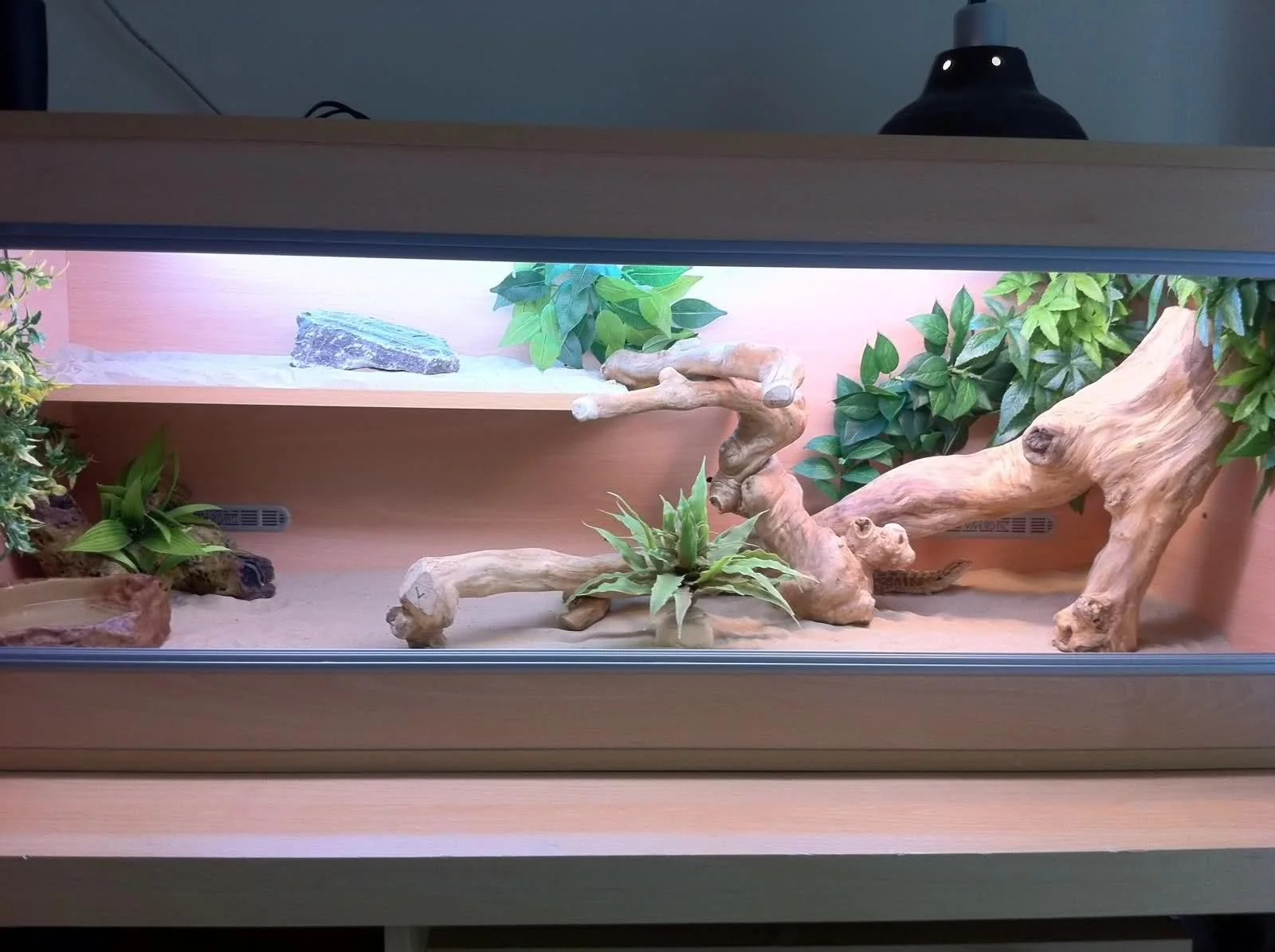
Choosing the Right Habitat Size for Bearded Dragons
One of the most critical aspects of creating a comfortable and healthy habitat for your bearded dragon is selecting the correct size. The size of the enclosure directly impacts your dragon’s physical and psychological well-being. A habitat that is too small can lead to stress, stunted growth, and a variety of health problems. Understanding the factors that influence the habitat size and providing adequate space is essential for responsible bearded dragon ownership. This ensures your pet has enough room to move, bask, and explore, which are vital for its health and happiness.
Factors Influencing Habitat Size
Several factors influence the habitat size needed for a bearded dragon. The most significant factor is the dragon’s age. Baby bearded dragons, naturally, require less space than fully grown adults. As your dragon grows, it will need a larger enclosure to accommodate its size and provide sufficient room for movement. The general recommendation is a 40-gallon breeder tank (36" x 18" x 18") for juvenile bearded dragons, allowing them to grow comfortably. A fully grown adult bearded dragon needs a minimum of a 75-gallon tank (48" x 18" x 20"), or ideally, a larger enclosure. Furthermore, the number of dragons housed in the enclosure impacts the size requirement, since each dragon needs enough space to avoid competition for resources such as basking spots and food.
Bearded Dragon Growth Stages
Bearded dragons go through distinct growth stages, each requiring different habitat considerations. Hatchlings, usually less than two months old, can start in a smaller enclosure, such as a 20-gallon tank. This prevents them from feeling overwhelmed and makes it easier to maintain proper temperature and humidity levels. As they grow into juveniles (2-12 months old), they require a 40-gallon breeder tank. The final stage is adulthood, which starts at around 12-18 months old. Adult bearded dragons thrive in a 75-gallon or larger enclosure. Providing the right size habitat at each stage ensures that your bearded dragon can grow and develop properly.
Glass vs. Screen Cages
When setting up a bearded dragon habitat, choosing between a glass or screen cage is an important decision. Both types have their pros and cons, and the best choice depends on your priorities and the specific needs of your dragon. Glass cages are popular due to their aesthetic appeal and ability to retain heat and humidity, while screen cages provide excellent ventilation. Understanding the differences can help you make an informed decision and create the best possible environment for your pet. Proper ventilation and temperature regulation are crucial for a bearded dragon’s health.
Glass Cages Benefits and Drawbacks
Glass cages are commonly chosen for their ability to retain heat and humidity, creating a stable thermal environment which is essential for the health of a bearded dragon. They are also excellent at preventing drafts, which can be harmful to reptiles. Glass enclosures are generally more aesthetically pleasing and offer a clear view of your pet. However, glass cages have some drawbacks. They can be heavier and more difficult to move than screen cages. The solid sides can also restrict airflow and lead to poor ventilation if not managed properly, increasing the risk of respiratory infections. Furthermore, maintaining consistent temperature gradients in glass cages can be challenging, and the solid sides may limit the dragon’s ability to view its surroundings.
Screen Cages Benefits and Drawbacks
Screen cages provide excellent ventilation, which helps to prevent the buildup of harmful bacteria and fungi. This is especially important in humid environments. They are generally lighter than glass cages, making them easier to move and clean. They also allow for better airflow, reducing the risk of respiratory infections. However, screen cages can struggle to retain heat and humidity, which may necessitate the use of more powerful heating and humidification systems. They also may not provide as much insulation, which can cause temperature fluctuations. Some owners also find that screen cages can make it difficult to maintain consistent temperatures and humidity levels, especially in drier climates.
Enrichment and Habitat Setup


Enrichment is crucial for keeping your bearded dragon happy and stimulated. A well-designed habitat should mimic the dragon’s natural environment as closely as possible. This includes providing appropriate temperature gradients, UVB lighting, and various opportunities for exercise and exploration. The habitat should contain a basking spot, a cooler area, and places to hide. Appropriate enrichment prevents boredom, reduces stress, and encourages natural behaviors. This approach is an integral part of a healthy and happy bearded dragon’s life. By carefully planning and designing your bearded dragon’s enclosure, you can create an environment where it can thrive.
Temperature and Lighting
Temperature and lighting are the cornerstones of a healthy bearded dragon habitat. These two elements directly impact your dragon’s ability to digest food, regulate its body temperature, and synthesize vitamin D3. Proper temperature gradients and UVB lighting are essential for your dragon’s health and well-being. Without these key elements, your pet can suffer from various health problems. Setting up the right lighting and temperature conditions is, therefore, a fundamental aspect of caring for your bearded dragon.
The Importance of Thermoregulation
Bearded dragons are ectothermic, meaning they cannot regulate their body temperature internally. They rely on their environment to warm up and cool down. Therefore, creating a thermal gradient within the habitat is essential. This means providing a warm basking area (around 95-110°F or 35-43°C), a cooler side (around 75-85°F or 24-29°C), and a nighttime temperature drop to around 65-75°F (18-24°C). This allows your dragon to move between the different temperature zones to thermoregulate effectively. Thermoregulation prevents health issues. Failing to provide proper thermoregulation can lead to poor digestion, metabolic bone disease (MBD), and other serious health problems.
Essential Lighting for Bearded Dragons
UVB lighting is vital for bearded dragons as it helps them synthesize vitamin D3, which is necessary for calcium absorption. Without adequate UVB exposure, dragons can develop MBD. The UVB bulb should cover a significant portion of the enclosure and be placed at the correct distance from the basking spot, as recommended by the bulb manufacturer. Provide a basking spot directly under the UVB and heat lamps to allow your dragon to bask and absorb the necessary UVB rays. Ensure the UVB bulb is replaced according to the manufacturer’s recommendations, as UVB output diminishes over time, usually every 6-12 months. Keep the lights on for 12-14 hours per day to mimic natural daylight hours.
UVB and Its Role in Dragon Health
UVB radiation is fundamental to a bearded dragon’s health, enabling them to produce vitamin D3. This vitamin is crucial for calcium absorption. Insufficient UVB exposure can result in metabolic bone disease, a severe condition that weakens bones and causes deformities. The UVB bulb should be appropriate for reptiles and produce the correct spectrum of UVB light. Proper placement of the UVB bulb is also important. It should be positioned so that the dragon can bask within a suitable distance, as specified by the manufacturer. Avoid using glass or plastic between the UVB source and the dragon, as these materials can block UVB rays. Regular UVB exposure, along with a balanced diet and proper supplementation, ensures that your bearded dragon stays healthy and strong.

Substrate Selection
The substrate, or bedding, in your bearded dragon’s habitat plays a crucial role in its health and well-being. The substrate provides a surface for your dragon to walk on, helps to maintain humidity levels, and can provide a safe and comfortable environment. Choosing the correct substrate is therefore a critical decision. Some substrates are better suited for bearded dragons, while others can pose significant health risks. It is important to choose a substrate that is safe, easy to clean, and promotes a healthy environment for your pet. Consider various factors when selecting the ideal substrate.
Safe Substrates for Bearded Dragons
Several substrates are considered safe for bearded dragons. Paper towels and reptile carpet are easy to clean and provide a hygienic environment. They are ideal for juvenile dragons and when you need to monitor the dragon’s stool for health issues. A mix of topsoil and playsand, if properly prepared and sterilized, can offer a more naturalistic and enriching environment. This substrate allows for burrowing and digging behavior. However, it must be kept clean to prevent bacterial growth. For a bioactive setup, a mix of organic topsoil, playsand, and other natural components like leaf litter can be used. This substrate supports a thriving ecosystem, which keeps the enclosure clean and stable.
Unsafe Substrates to Avoid
Some substrates pose significant health risks and should be avoided. Calcium sand is often marketed for reptiles, but it can cause impaction if ingested. This happens when sand blocks the digestive system. Wood shavings, such as cedar or pine, can release harmful aromatic oils that can cause respiratory issues. Corn cob bedding can mold quickly and is difficult to clean. Gravel and small pebbles can also cause impaction if ingested. Always prioritize substrates that are safe, non-toxic, and suitable for your bearded dragon.
Decorating the Habitat

Proper habitat decoration adds enrichment and mimics your dragon’s natural environment. Decorating the habitat is essential for creating a stimulating and engaging environment for your bearded dragon. It provides opportunities for exercise, exploration, and mental stimulation. The right decor helps to meet your dragon’s behavioral needs. Creating a well-decorated habitat can significantly improve your dragon’s quality of life. The décor contributes to the overall well-being of your pet, providing an environment where it can thrive.
Climbing Structures

Providing climbing structures encourages exercise and provides opportunities for basking. Branches, rocks, and reptile hammocks allow your bearded dragon to climb and explore its environment. Position these structures at varying heights to create different basking spots and provide different temperature gradients. Ensure the structures are stable and non-toxic. Climbing also helps to strengthen muscles and promotes natural behaviors. Selecting the right structures enhances both the functionality and visual appeal of the enclosure, making it a more enriching place for your dragon.
Hiding Spots and Basking Rocks

Hiding spots are essential for bearded dragons to feel safe and secure. Provide multiple hides, such as caves, logs, and rock formations, especially in both the warm and cool sides of the enclosure. These provide a place for your dragon to retreat and reduce stress. Basking rocks are equally important, offering a warm surface for your dragon to bask and absorb UVB rays. Place the basking rock directly under the heat lamp. Be sure to monitor temperatures to ensure the surface doesn’t get too hot. These features are important for the overall mental and physical health of your dragon.
Water and Food Bowls
Use shallow water bowls to prevent drowning, and place them in the cooler side of the enclosure. Fresh water should always be available. Choose food bowls that are easy to clean and prevent food from spilling. Ceramic bowls are ideal. Consider placing the food bowl in a location that is accessible. Regular cleaning of both water and food bowls is crucial for maintaining hygiene and preventing bacterial growth. These bowls will facilitate your dragon’s hydration and nutrition.
Humidity Management
Humidity management is an essential aspect of bearded dragon care. The optimal humidity levels in the enclosure is important to maintain. The humidity level should be monitored and maintained consistently to prevent health problems. Maintaining proper humidity prevents dehydration, assists with shedding, and supports overall health. Use a hygrometer to measure humidity levels and make adjustments as needed.
Monitoring Humidity Levels
Use a hygrometer, preferably a digital one, to monitor humidity levels. Place the hygrometer in the enclosure to accurately measure the humidity. Monitor the humidity daily, as levels can fluctuate due to temperature and ventilation. Keeping track of these levels will help you recognize any inconsistencies that may affect the health of your pet. Regular monitoring helps you take corrective action quickly.
Maintaining Optimal Humidity
The ideal humidity for a bearded dragon habitat is between 30-40%. In some environments, maintaining this range may require extra effort. You can increase humidity by misting the enclosure with water, using a humidifier, or placing a water bowl near a heat source. Conversely, if the humidity is too high, improve ventilation by adjusting air vents or using a dehumidifier. Regular adjustments, based on your readings, will help you control humidity levels and maintain the ideal environment for your pet.
Cleaning and Maintenance
Regular cleaning and maintenance are essential for a healthy and hygienic environment. A consistent cleaning routine is critical for preventing diseases and maintaining the overall well-being of your bearded dragon. Maintaining hygiene in the habitat helps in the prevention of bacteria and other harmful microorganisms from developing, creating an optimal environment for your pet. Develop a cleaning schedule and stick to it.
Daily Spot Cleaning
Perform spot cleaning daily to remove any waste, uneaten food, and other debris. This prevents the buildup of bacteria and keeps the enclosure clean. Use a reptile-safe disinfectant to wipe down any soiled areas. Remove and replace any soiled substrate. Daily spot cleaning ensures that your dragon lives in a healthy and clean environment.
Deep Cleaning Schedule
A deep cleaning should be performed regularly, at least once a month. Remove all substrate and decorations and thoroughly clean and disinfect the entire enclosure. Wash all decor with reptile-safe cleaner and allow them to dry completely before returning them to the habitat. Replace the substrate with fresh, clean material. Deep cleaning removes any buildup of bacteria and harmful substances and helps keep the enclosure hygienic for your dragon. The exact frequency depends on the type of substrate used and the overall condition of the enclosure.
Top 10 Innovative Habitat Ideas
Here are 10 innovative ideas to elevate your bearded dragon’s habitat beyond the basics, enhancing their environment and promoting their well-being.
Idea 1 Enhanced Basking Spots
Create a multi-tiered basking area. This could include a layered rock structure or a series of platforms at different heights, allowing the dragon to choose its preferred basking temperature. This ensures that your dragon can regulate its body temperature more effectively and offers various opportunities for exploration and comfort. Use safe, non-toxic materials for construction.
Idea 2 Custom Backgrounds

Utilize custom-built backgrounds that add depth and visual interest. These could be made from textured foam, rock panels, or even custom-printed images. These backgrounds not only enhance the aesthetics of the enclosure but also provide climbing surfaces and hiding spots, which add enrichment to your dragon’s life, making the habitat more interesting and stimulating.
Idea 3 Automated Misting Systems
Install an automated misting system to maintain humidity levels. These systems can be programmed to release a fine mist at set intervals, which regulates humidity and simulates natural rainfall. This is particularly useful in dry climates. Automated misting systems ensure that your dragon’s hydration and humidity needs are met, making it easier to manage the environment.
Idea 4 Smart Thermostats
Use smart thermostats that control the heating and lighting based on time or ambient temperature. Smart thermostats provide precise control over the environment. They also can be monitored remotely, allowing you to adjust settings and ensure that conditions are ideal for your dragon’s health.
Idea 5 Integrated Feeding Stations
Design integrated feeding stations to keep the habitat cleaner and facilitate feeding. These stations could include specialized bowls that prevent food from spilling and a designated area for live insects, making it easier to manage your dragon’s diet and reducing mess. Integrated feeding stations create an organized and tidy enclosure.
Idea 6 Bioactive Substrates
Implement a bioactive substrate setup, which utilizes live plants and beneficial organisms to break down waste and maintain a balanced ecosystem. This setup creates a more natural and self-sustaining environment. Bioactive substrates reduce the need for frequent cleaning and provide additional enrichment through interactions with the plants and microfauna.
Idea 7 Interactive Enrichment
Introduce interactive elements such as puzzle feeders or toys that stimulate your dragon’s mind. These can include food puzzles that encourage foraging behavior, or climbing structures. Such enrichments combat boredom and encourage natural behaviors, making the enclosure an interesting and engaging place.
Idea 8 LED Lighting Systems
Use LED lighting systems with adjustable color spectrums. These can mimic natural daylight cycles and offer different light intensities. LED lighting offers energy efficiency and customization. These systems also enable you to tailor the lighting conditions to match your dragon’s specific needs, supporting their well-being.
Idea 9 Modular Habitat Design
Create a modular habitat design that allows you to easily expand the enclosure as your dragon grows. This can involve connecting multiple enclosures or using expandable components, which is especially useful as the dragon matures. A modular design ensures that the habitat always meets the dragon’s space needs and prevents the need for completely new setups as your pet grows.
Idea 10 Remote Monitoring
Integrate remote monitoring with cameras and environmental sensors. This allows you to observe your dragon and monitor conditions remotely. Such systems will help in addressing issues promptly. Monitoring allows for constant assessment of the habitat and rapid responses to environmental changes, guaranteeing optimal conditions for your pet, wherever you are.