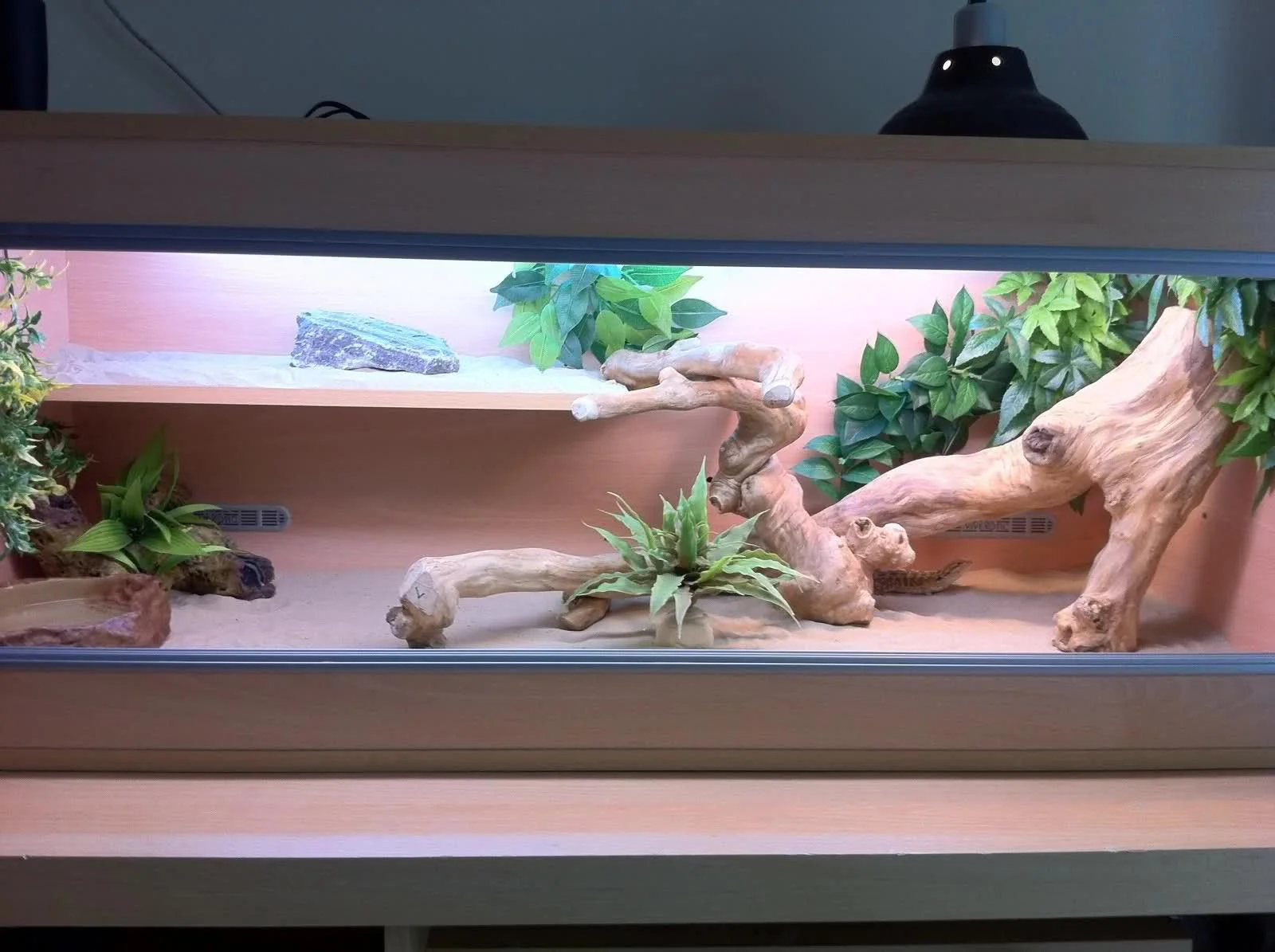
Understanding Bearded Dragon Habitat Needs
Creating the perfect habitat is paramount to the health and well-being of your bearded dragon. Their natural environment is crucial for their physical and psychological health. A well-designed habitat that mimics their natural surroundings will significantly reduce stress and promote a happier, healthier life. Understanding their specific needs, including temperature, humidity, lighting, and substrate, is the first step. This comprehensive guide will provide you with everything you need to know to create an optimal environment for your scaly friend, promoting their longevity and vibrant life. A properly set-up habitat is the foundation for a thriving bearded dragon.
The Importance of Habitat in Stress Reduction
Stress in bearded dragons can manifest in various ways, from changes in behavior to physical ailments. A stressful environment can lead to reduced appetite, lethargy, and even a weakened immune system. A well-designed habitat, however, can drastically mitigate stress levels. Providing adequate space, appropriate temperature and humidity levels, and enriching elements can create a secure and stimulating environment. This reduces stress, encouraging natural behaviors and promoting overall health. The habitat functions as their world; a comfortable and safe space is a happy dragon.
Signs of Stress in Bearded Dragons
Identifying stress early can prevent serious health issues. Look for key indicators such as changes in color (darkening or stress marks), loss of appetite, and changes in bowel movements. Other signs include lethargy, excessive hiding, and rubbing against the enclosure walls. Tail-wagging or open-mouth breathing without any activity are also potential signs. Early detection enables quick environmental adjustments. Regularly observe your dragon’s behavior to catch any early signs of stress. If you are unsure, consulting a veterinarian is always recommended.
Optimal Enclosure Size and Design
The size and design of the enclosure are crucial factors in your bearded dragon’s well-being. Adequate space allows them to regulate their body temperature and explore their surroundings, reducing stress. A well-designed habitat provides essential elements, such as basking spots, hiding places, and areas for exploration. The enclosure’s design should mimic their natural environment, offering a secure and stimulating space. Remember the habitat is your dragons entire life; its design directly impacts their overall health.
Selecting the Right Tank Size
The size of the enclosure depends on the dragon’s age. Baby bearded dragons can start in a 20-gallon long tank, but as they grow, a larger enclosure is necessary. Adult bearded dragons require a minimum of a 4-foot long, 2-foot wide, and 2-foot tall enclosure (75-gallon or larger). Bigger is generally better, providing more room for movement and temperature gradients. Proper size minimizes stress by allowing your dragon to move freely and thermoregulate effectively. This is essential for a happy and healthy dragon.
Choosing Tank Materials
Glass or PVC enclosures are the most common choices for bearded dragon habitats. Glass tanks are readily available and allow for good visibility, but they can be less efficient at retaining heat. PVC enclosures, on the other hand, are excellent at heat retention and humidity control, providing a more stable environment. They are also more durable and resistant to warping. The choice depends on your preferences and budget, but both options can create a suitable habitat for your dragon. Ensure that the material is safe and non-toxic for your pet.
Designing the Habitat Layout
The layout should create distinct zones: a basking area, a cool side, and a shaded area. The basking area should be directly under a heat lamp, allowing your dragon to warm up properly. The cool side should be further away from the heat source, providing a temperature gradient. Include climbing branches, rocks, and hides to enrich the environment and encourage natural behaviors. A well-designed layout is crucial for proper thermoregulation, mental stimulation, and reduced stress. Think of how they would live in the wild and create a similar environment.
Temperature and Humidity Control
Maintaining correct temperature and humidity levels is vital for your bearded dragon’s health. These factors directly impact their ability to digest food, their metabolism, and their overall well-being. Fluctuations can lead to stress and health problems. Regular monitoring and adjustments are essential to ensure optimal conditions. Investing in reliable thermometers and hygrometers is a must for accurate readings and environmental control. This level of care will enable your dragon to thrive.
Ideal Temperature Gradient
Bearded dragons require a temperature gradient, with a basking spot of 95-110°F (35-43°C), a cool side of 75-85°F (24-29°C), and a nighttime temperature of 65-75°F (18-24°C). Use a digital thermometer with a probe to measure the temperature at different points in the enclosure. This gradient allows your dragon to thermoregulate, moving between warmer and cooler areas to control their body temperature. Accurate temperature control is critical for digestion, metabolism, and overall health. Using thermostats to regulate heat sources is also highly recommended.
Maintaining Proper Humidity Levels
The ideal humidity level for a bearded dragon habitat is between 30-40%. Too high humidity can lead to respiratory infections and bacterial growth, while too low humidity can cause dehydration and shedding problems. Use a hygrometer to monitor humidity levels. You can adjust humidity by misting the enclosure with water or adding a water bowl. Ensure the enclosure has good ventilation to prevent excessive moisture buildup. Consistency in humidity is crucial for your dragon’s comfort and health.
Monitoring and Adjusting Environmental Factors
Regularly monitor temperature and humidity levels using accurate instruments. Make adjustments to your heat lamps and humidity control systems as needed. Seasonal changes and the dragon’s growth can impact environmental requirements. Observe your dragon’s behavior for signs of discomfort, such as lethargy or difficulty shedding. This feedback helps you fine-tune the environment. Consistent monitoring and adjustment ensures your dragon lives in an optimal and stress-free habitat. This dedication will result in a thriving dragon.
Lighting Requirements for Bearded Dragons
Proper lighting is crucial for your bearded dragon’s health and well-being. Bearded dragons require both UVB and UVA light to thrive. UVB light is essential for vitamin D3 synthesis, which allows them to absorb calcium and maintain strong bones. UVA light supports their natural behaviors and stimulates appetite. Choosing the correct lighting and adhering to proper durations will reduce stress and improve their health. Without appropriate lighting, dragons can suffer from serious health complications. Prioritizing lighting is one of the best things you can do.
Types of UVB and UVA Lighting

There are various UVB and UVA lighting options available, including fluorescent tubes and mercury vapor bulbs. Fluorescent tubes are effective at providing UVB, while mercury vapor bulbs also generate heat. Choose the type of bulb based on your enclosure size and the basking temperature requirements. Ensure the UVB bulb is specifically designed for reptiles. Research the best options for your setup. Replacing UVB bulbs every six months is important, as their UVB output diminishes over time, even if they still emit light. UVA lighting is less critical but still helps with the overall well-being.
Lighting Duration and Placement
Provide 12-14 hours of UVB and UVA light per day, mimicking the natural daylight cycle. The UVB bulb should be placed correctly to provide sufficient UVB exposure. Place the UVB bulb within the recommended distance from the basking spot, as indicated by the manufacturer. Avoid placing the bulb behind any glass or plastic, as these materials can block UVB rays. Proper placement and duration of lighting are critical to ensure the dragon receives adequate UVB exposure for vitamin D3 synthesis. A well-lit habitat reduces stress and enhances the overall well-being of your pet.
The Role of Lighting in Stress Reduction
Lighting plays a vital role in stress reduction. UVB light enables the production of vitamin D3, which is essential for calcium absorption. Lack of calcium can lead to metabolic bone disease (MBD), causing pain and stress. UVA light supports natural behaviors, such as foraging and activity, which reduces stress. A properly lit habitat mimics the dragon’s natural environment. This natural light and behavior mimicry can significantly reduce stress levels, promoting a happier and healthier life. Ensure your dragon receives adequate lighting to support physical and mental health.
Substrate Selection and Hygiene
The substrate is the material that covers the bottom of the enclosure and is an important aspect of creating a healthy environment. It provides a surface for the dragon to walk on, helps regulate humidity, and can enrich the environment. Selecting the right substrate, maintaining proper hygiene, and avoiding problematic substrates are crucial for a healthy dragon. The right choice can drastically reduce stress and prevent health issues. Consider this a significant factor for creating an optimal habitat.
Best Substrate Choices
Good substrate options include reptile carpet, paper towels, and bioactive substrates. Reptile carpet is easy to clean and maintain, while paper towels are inexpensive and allow for easy spot cleaning. Bioactive substrates, which consist of a mixture of soil, sand, and other natural materials, create a more natural environment and support beneficial organisms that break down waste. Bioactive setups can reduce the need for frequent cleaning. Consider the pros and cons of each option, balancing your needs with your dragon’s well-being. The best option offers both cleanliness and environmental enrichment.

Substrate Maintenance and Cleaning
Regularly clean and maintain the substrate to prevent the buildup of bacteria and waste. Spot clean the substrate daily, removing any feces or spilled food. Replace the reptile carpet or paper towels regularly, usually weekly or bi-weekly. If using a bioactive substrate, spot clean and turn the substrate to aerate it. Ensure you select a substrate that suits your lifestyle and your dragon’s health. Regular cleaning is essential for preventing health problems. Hygiene is one of the most important aspects of habitat maintenance.
Avoiding Problematic Substrates
Avoid substrates that can cause impaction, such as sand, crushed walnut shells, and calcium sand, especially for young dragons. Impaction occurs when a dragon ingests the substrate, leading to digestive issues. Additionally, avoid substrates that retain too much moisture or are difficult to clean. If you choose a loose substrate, monitor your dragon closely. Safer options include reptile carpet, paper towels, or a bioactive setup, where impaction risk is minimized. Substrate choice is a key factor in the safety of your dragon.
Enrichment and Decor for a Happy Dragon
Enrichment and decor are essential for reducing stress and promoting natural behaviors in bearded dragons. Providing climbing opportunities, offering hiding spots, and adding decorations can create a stimulating and engaging environment. These elements encourage physical activity, mental stimulation, and a sense of security, which are critical for their overall health and happiness. Your dragon will thank you with their actions.
Providing Climbing Opportunities
Bearded dragons love to climb. Offer branches, rocks, and other elevated surfaces to encourage climbing. This provides exercise and allows them to explore their environment. Place the climbing structures at varying heights to provide different vantage points and basking spots. Ensure the climbing structures are sturdy and safe, and that there are no sharp edges or hazards. Climbing is a natural behavior for bearded dragons, and it keeps them active and engaged. Promoting climbing also improves their overall well-being and muscle development.
Offering Hiding Spots and Basking Areas
Provide multiple hiding spots to allow your dragon to feel secure. Hides can be made from rocks, logs, or commercial reptile hides. Include a basking spot directly under the heat lamp, where they can regulate their body temperature. Ensure the basking area is at the correct temperature and that the dragon can easily access it. Having both hiding spots and basking spots gives the dragon the choices they need to thrive, which leads to less stress and enhanced comfort.
Adding Live Plants and Decorations
Adding live plants and other decorations enhances the environment, making it more visually stimulating and creating a more natural habitat. Use safe, non-toxic plants like succulents or other reptile-safe options. Decorations can also include rocks, driftwood, and other natural elements. Ensure the decorations are secured and do not pose any hazards. These additions provide opportunities for exploration and enrichment, enhancing the dragon’s mental and physical health. Consider what would make them happy and set up the environment accordingly.
Feeding and Hydration within the Habitat
Proper feeding and hydration are essential aspects of habitat management, directly affecting your dragon’s health and stress levels. Ensuring that food and water are accessible and clean helps maintain optimal health. Diet is also an important factor. A balanced diet contributes to overall well-being, supporting a strong immune system and reducing stress. A well-fed and hydrated dragon is a happy dragon.
Proper Placement of Food and Water
Place food and water bowls in easily accessible locations within the enclosure. Use shallow dishes for easy access. Position the water bowl away from the basking area to prevent excessive evaporation. Provide fresh water daily and clean the water bowl regularly to prevent bacterial growth. The feeding area should be easily reachable, and ensure the food bowl is positioned for ease of access. Proper placement promotes healthy eating habits. Correct placement reduces stress and encourages drinking, preventing dehydration.
Maintaining a Clean Feeding Environment
Maintain a clean feeding environment to prevent health issues. Remove uneaten insects and food promptly after feeding. Regularly clean the food and water bowls, and disinfect them as needed. A clean feeding area prevents the growth of bacteria and parasites, reducing the risk of illness. The food area should be kept clean. Keeping food and water areas clean is crucial for hygiene. Regular cleaning is essential for your dragon’s health and well-being.


The Impact of Diet on Stress Levels
A balanced diet is crucial for reducing stress levels. Provide a varied diet of insects, leafy greens, and occasional fruits. Offer appropriate portions based on the dragon’s age and size. A nutrient-rich diet supports a healthy immune system. A well-fed dragon is less likely to experience stress. Avoid feeding excessive amounts of any one food item. Proper nutrition directly impacts a dragon’s physical and mental health. Good food is essential for happiness.
Regular Habitat Maintenance and Cleaning
Regular habitat maintenance and cleaning are essential to maintaining a healthy environment and reducing stress. A clean habitat prevents the buildup of bacteria, parasites, and waste products. Daily, weekly, and monthly cleaning routines are crucial for your dragon’s well-being. Prioritizing hygiene is a key factor for maintaining a healthy environment and is one of the most important things you can do.
Daily Spot Cleaning
Perform daily spot cleaning to remove feces, uneaten food, and other waste. This helps prevent the buildup of bacteria and odors. Use a reptile-safe disinfectant if needed. Ensure the area is thoroughly rinsed and dried before returning your dragon to the enclosure. Daily spot cleaning keeps the habitat clean and hygienic. A little daily effort makes a big difference.
Weekly and Monthly Cleaning Routines
Perform a more thorough cleaning on a weekly or bi-weekly basis. Replace the substrate, clean the decor, and wipe down the enclosure walls. Disinfect the entire enclosure monthly, using a reptile-safe disinfectant. Rinse everything thoroughly and allow it to dry completely before returning your dragon. Regular cleaning prevents the growth of harmful bacteria. These routines keep the habitat clean and safe for your dragon.
The Role of a Clean Habitat


A clean habitat is essential for preventing diseases and reducing stress. Regular cleaning removes harmful bacteria and waste products. A clean environment promotes a healthy immune system. Proper hygiene reduces the risk of illness and keeps your dragon happy. A clean habitat creates a positive and secure environment, which leads to a healthier and less stressed dragon. A clean habitat leads to a thriving dragon.
Conclusion: Creating a Stress-Free Bearded Dragon Paradise
Creating a stress-free environment is the key to a happy and healthy bearded dragon. By understanding their habitat needs, focusing on enclosure design, providing correct temperature and humidity, incorporating proper lighting, selecting appropriate substrates, and regularly maintaining and cleaning the environment, you can create the perfect living space for your pet. Remember, your attention to detail and commitment to a clean, enriching, and stimulating habitat will be rewarded with a thriving and stress-free bearded dragon. Prioritizing their well-being creates a rewarding and fulfilling experience for both you and your pet. Your dragon’s well-being is in your hands, and the results will be worth it.
