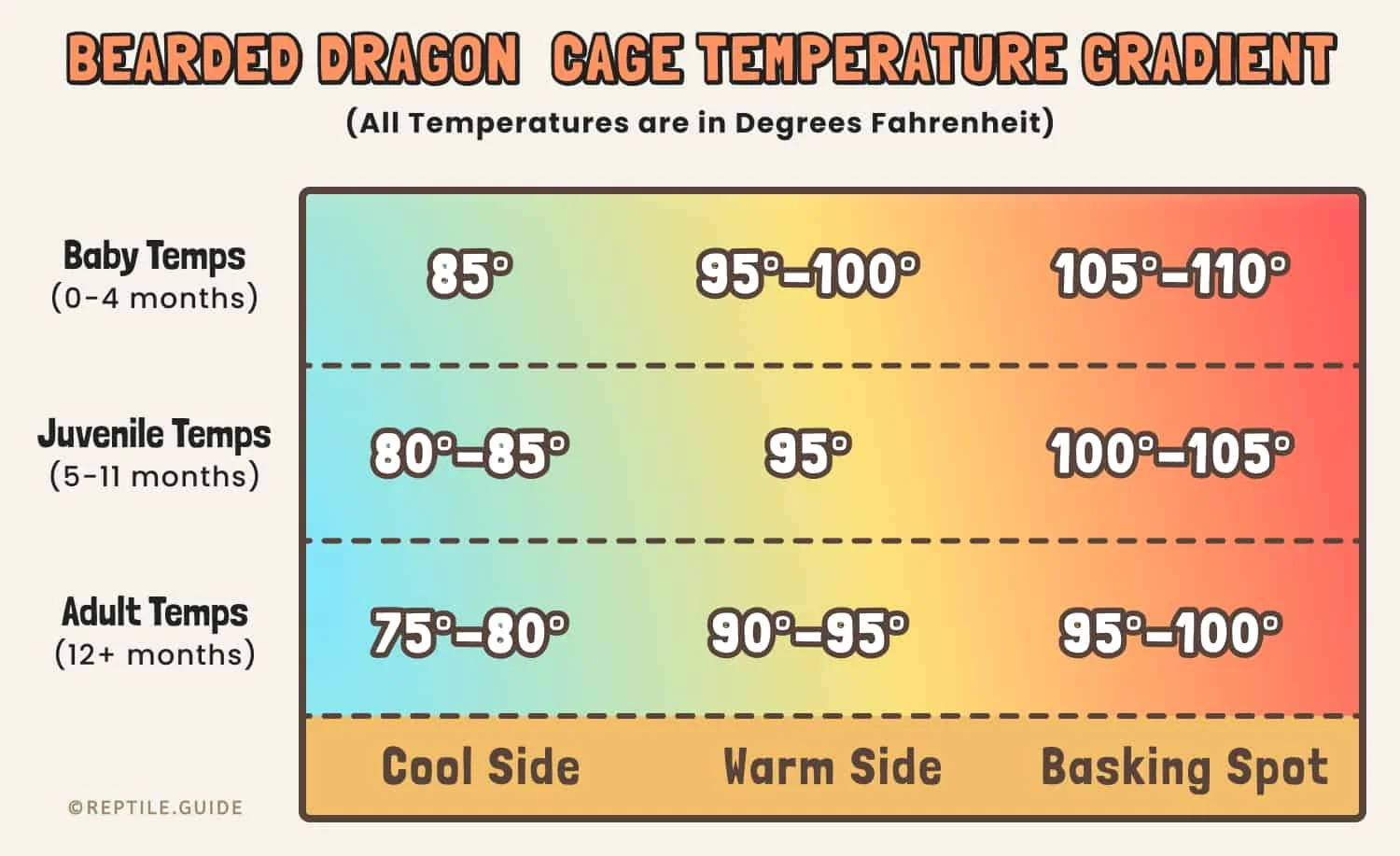
Understanding Bearded Dragon Habitat Temperature Needs
Maintaining the correct temperature within your bearded dragon’s habitat is not just important it’s absolutely critical for their health, well-being, and survival. These fascinating reptiles are ectothermic, meaning they rely on external sources of heat to regulate their body temperature. Unlike mammals, they can’t generate their own heat. This guide provides a comprehensive overview of the temperature needs of bearded dragons, why they’re so crucial, and how you can ensure a healthy and happy life for your scaly friend. Understanding the nuances of temperature control is key to preventing common health problems and ensuring your bearded dragon thrives.
Why Temperature Matters for Bearded Dragons
Temperature profoundly influences every aspect of a bearded dragon’s life, from their ability to digest food to their energy levels. Providing the correct thermal environment is fundamental to their overall health. A properly heated habitat allows them to metabolize food effectively, absorb essential nutrients, and maintain a strong immune system. Without the appropriate temperature, bearded dragons can develop a range of health issues, making it imperative to get this aspect of their care right. It’s more than just comfort it’s about survival and thriving in captivity.
The Impact of Temperature on Digestion and Metabolism
Digestion and metabolism are directly linked to temperature in bearded dragons. They require warmth to activate the enzymes needed to break down food. If the habitat is too cold, their digestive processes slow down significantly, potentially leading to impaction, a life-threatening condition where food becomes lodged in the digestive tract. Consistent warm temperatures are thus essential for their digestive health. A warm environment speeds up their metabolism, enabling them to convert food into energy and nutrients efficiently, supporting growth, and maintaining overall health. This ensures the dragon can effectively utilize the nutrients from their diet.
How Temperature Affects Activity Levels
Temperature also dictates a bearded dragon’s activity levels. When warm, they become active, exploring their environment, hunting for food, and interacting with their surroundings. Proper temperature promotes normal behaviors. Inadequate temperatures can lead to lethargy, reduced appetite, and a generally subdued demeanor. If your bearded dragon seems consistently inactive, it could be a sign that its habitat isn’t warm enough. The right temperature allows them to engage in natural behaviors. A well-heated habitat promotes an active and engaged dragon, improving their quality of life.
Essential Equipment for Monitoring Temperature

Monitoring the temperature in your bearded dragon’s habitat is as important as providing the heat itself. Several tools are essential for achieving this effectively. Digital thermometers and thermostats are critical equipment. These tools ensure you can accurately track the temperature, and make necessary adjustments to maintain the correct thermal environment. Proper monitoring is a proactive step in preventing potential health issues related to temperature imbalances, and to ensure your pet thrives. Using the right tools is the cornerstone of maintaining a healthy habitat.
Thermometers: Digital vs. Analog

Both digital and analog thermometers can be used, but digital thermometers generally offer greater accuracy and ease of use. Digital thermometers often provide more precise temperature readings, and some even include probes that can measure the temperature at different locations within the habitat. Analog thermometers, while simpler and usually more affordable, can be less precise and may be harder to read accurately. The choice between digital and analog often comes down to personal preference, but accuracy is paramount. Ensure the thermometer you choose is specifically designed for reptile habitats to ensure it can withstand the high temperatures and humidity levels.
Choosing the Right Thermometer Placement
Placement of the thermometer is crucial for accurate temperature readings. You should ideally have at least two thermometers one near the basking spot where the dragon can reach the highest temperatures, and another on the cool side of the enclosure. This setup allows you to monitor the temperature gradient within the habitat. The basking spot thermometer should be placed at the level where your bearded dragon basks, while the cool side thermometer should be placed in a shaded area away from direct heat. To get the best readings, keep the probes away from the heat source and not directly on the glass or other materials that could skew the readings.
Using a Thermostat to Regulate Temperature
A thermostat is a crucial tool for regulating the temperature in your bearded dragon’s habitat. Thermostats connect to the heat source, such as a heat lamp or ceramic heat emitter, and automatically adjust the power output to maintain a consistent temperature. This prevents overheating and temperature fluctuations. There are several types of thermostats, including on-off and proportional thermostats. Proportional thermostats are usually preferred as they adjust the power output gradually, preventing sudden temperature changes. A thermostat is not optional; it is essential. Thermostats provide an extra layer of security for your bearded dragon.
Creating a Proper Temperature Gradient
A temperature gradient is fundamental for bearded dragons. They need different temperature zones within their habitat to regulate their body temperature effectively. This involves establishing a basking spot, a warm side, and a cool side. This allows the dragon to move between different temperatures to control its internal temperature. A gradient setup allows for various behaviors and also gives the dragon the tools to maintain a proper body temperature. The varying temperatures in the habitat are key to creating the right thermal environment.
The Basking Spot Temperature
The basking spot is the warmest area in the habitat, and it’s where the bearded dragon spends time absorbing heat and UV radiation from the UVB light source. The basking spot temperature should be between 95-110°F (35-43°C) for adults, and slightly warmer for juveniles. Ensure the basking spot is well-lit and offers a comfortable surface for the dragon to lie on, such as a flat rock or a piece of driftwood. Regular monitoring with a digital thermometer is crucial. A hot basking spot is essential for their health. Use a proper wattage heat bulb and position it correctly to achieve the appropriate basking temperature.
The Cool Side Temperature
The cool side of the habitat provides a place for the bearded dragon to retreat when it needs to cool down. The cool side temperature should be around 75-85°F (24-29°C). This allows the dragon to regulate its body temperature. Place the cool side on the opposite side of the basking spot, away from any direct heat sources. This part of the enclosure should offer shade and be a comfortable place for your pet to rest. A well-defined cool side is just as vital as the basking spot. Make sure this area provides the dragon with a lower temperature refuge.
Nighttime Temperature Considerations
During the night, the temperature in the habitat should be lowered, but not drastically. It’s essential to prevent the environment from getting too cold, as this can also cause health issues. The nighttime temperature should ideally be between 65-75°F (18-24°C). If the temperature drops below this, you may need to use a ceramic heat emitter (CHE) to provide gentle, consistent heat without producing light. Never use a heat source that produces light at night. Always monitor the temperature. Consistent nighttime temperatures help your dragon’s sleep patterns and digestive health.

Monitoring and Maintaining Consistent Temperatures

Consistent monitoring and maintenance of the correct temperatures are the cornerstones of providing a healthy environment for your bearded dragon. Regular checks and adjustments are required. Establishing a consistent routine will ensure your pet can thrive. This proactive approach will help prevent common health issues and will ensure your dragon has the best life possible. Consistent monitoring and maintenance are necessary to keep your pet healthy.
Daily Temperature Checks

Make it a habit to check the temperature in your bearded dragon’s habitat at least once, and preferably twice, a day. This is especially crucial in the morning and the evening to make sure the temperature is within the appropriate range. Use a digital thermometer placed in the basking spot and cool side to get accurate readings. Keeping a log of your temperature readings can help you identify any trends or fluctuations that might need attention. Make adjustments to the heat sources as needed, based on the readings. Daily checks are your first line of defense in maintaining the health of your reptile.
Troubleshooting Temperature Fluctuations
Temperature fluctuations can be caused by various factors, including changes in the ambient temperature, issues with the heat source, or power outages. If you notice significant temperature swings, troubleshoot the cause promptly. Check the heat source (heat lamp, CHE) to ensure it’s working correctly. Make sure the thermostat is functioning properly. Adjust the wattage or the placement of the heat source to maintain the desired temperature. Consider the time of year. Address any drafts that could affect the habitat’s temperature. Quick action and a well-managed habitat can prevent health problems.
Adjusting Heat Sources for Optimal Performance
The heat source may need adjustment to maintain the correct temperature. It’s crucial to find the right balance. If the basking spot is too hot, raise the heat lamp, or use a lower wattage bulb. If the basking spot is not warm enough, lower the lamp or increase the wattage. Always monitor the temperature and adjust accordingly. Ensure the heat source is positioned securely and cannot be accidentally knocked over or come into contact with any flammable materials. Regularly inspect the heat source for wear and tear and replace it as needed. Careful adjustment of heat sources will create the ideal conditions.
Humidity and its Role in Temperature Regulation
Humidity plays a role in the overall health of your bearded dragon, even though temperature is the primary factor. Low humidity can lead to dehydration and shedding problems, while high humidity can contribute to respiratory infections. The ideal humidity range for bearded dragons is typically between 30-40%. Monitoring humidity levels using a hygrometer is important, and the levels can be adjusted to improve your pet’s health. Misting the enclosure, providing a shallow water dish, and ensuring good ventilation are effective ways to manage humidity. Balance is key to ensure your bearded dragon is always healthy.

Signs of Temperature-Related Health Issues
Bearded dragons can’t tell you what is wrong, but they will show signs if there are any temperature-related health problems. The ability to identify those signs is crucial. Recognizing symptoms of both overheating and being too cold allows you to take immediate action. Prompt intervention can often prevent serious health consequences. Knowing the signs to look for, and how to respond is a significant part of being a responsible dragon owner. Pay attention to any changes in behavior, activity level, appetite, or appearance.
Common Symptoms of Overheating
Overheating can be just as dangerous as being too cold. Symptoms of overheating include panting, gaping (mouth open), lethargy, and seeking out cooler areas of the enclosure. In severe cases, a bearded dragon may become disoriented, weak, or even unresponsive. If you notice any of these signs, immediately move your dragon to a cooler part of the enclosure or remove them from the heat source entirely. Provide fresh, cool water. Overheating can lead to organ damage and death. Quick action is essential when the temperature is too high.
Signs of Being Too Cold
Being too cold can also cause serious health problems. Signs include lethargy, loss of appetite, slow or absent digestion, and a darkened coloration. A bearded dragon may also spend extended periods hiding or refusing to bask. If your dragon is cold to the touch or is showing these symptoms, check the temperature of the habitat immediately. Provide additional heat, such as a higher wattage bulb or a ceramic heat emitter. Make sure the temperature gradient is appropriate. Hypothermia can weaken their immune system and make them more susceptible to diseases. Take immediate action.
Seeking Veterinary Advice
If you suspect your bearded dragon is suffering from a temperature-related health issue, seek professional veterinary advice immediately. A veterinarian specializing in reptiles can properly diagnose the problem and provide the appropriate treatment. Don’t delay. Explain all the steps you have taken to make the proper conditions. Provide the vet with information on the temperature settings and the recent readings. Prompt veterinary care can make a significant difference in your dragon’s chances of recovery. Never hesitate to seek professional help for your beloved pet.