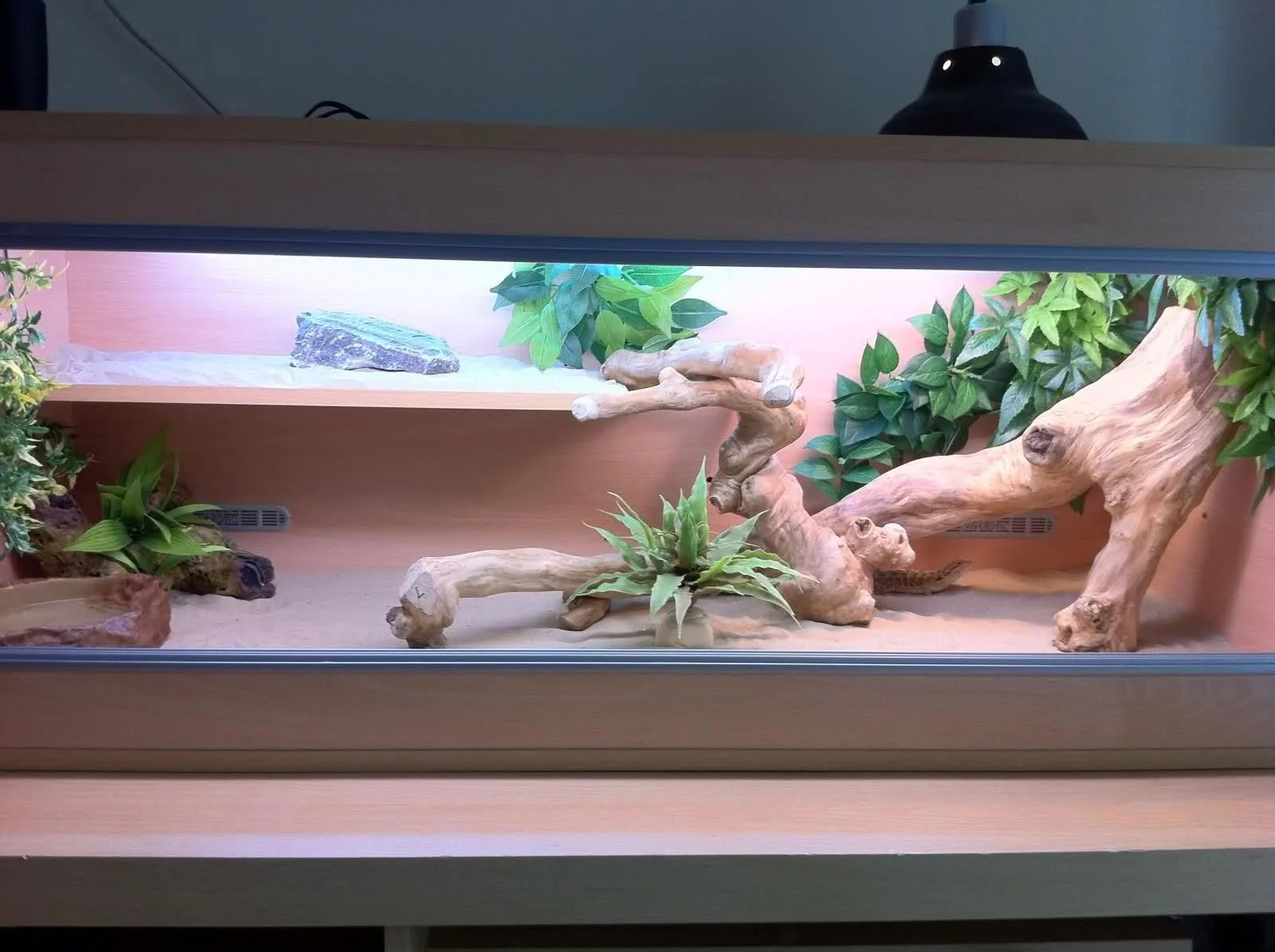
Optimal Habitat Conditions for Breeding Bearded Dragons
Creating the ideal breeding habitat is crucial for the health and reproductive success of your bearded dragons. A well-designed habitat mimics their natural environment, encouraging breeding behaviors and providing a comfortable space for both the male and female. This guide provides a detailed overview of the essential elements to consider when setting up a breeding habitat, from temperature and humidity to lighting and substrate. Ensuring these conditions are met significantly increases the chances of successful breeding and healthy offspring. Remember that a well-maintained breeding habitat is not just about meeting basic needs it’s about providing an environment where your bearded dragons can thrive and reproduce naturally.
Temperature Requirements for Successful Breeding
Temperature plays a vital role in bearded dragon breeding, influencing their metabolism, activity levels, and overall reproductive health. Maintaining the correct temperature gradient within the enclosure is essential. A temperature gradient provides different zones for the dragon to regulate its body temperature. The key is to create a basking spot, a warm side, and a cooler side, which allows the dragon to choose the optimal temperature for its needs. If the temperature is too low, it can lead to sluggish behavior and reduced interest in breeding. Conversely, extreme heat can cause stress and potentially lead to health issues.

Ideal Temperature Gradient
The ideal temperature gradient for a breeding habitat consists of a basking spot between 100-110°F (37-43°C), a warm side ranging from 85-95°F (29-35°C), and a cooler side around 75-80°F (24-27°C). This gradient allows the dragon to thermoregulate effectively, moving between zones to maintain their optimal body temperature. Regular monitoring with a digital thermometer is essential to ensure these temperatures are maintained. Always place the thermometer at the basking spot to ensure the correct temperature is applied and to prevent overheating. Adjust the wattage of the basking bulb to achieve the desired temperatures.
Daytime vs. Nighttime Temperatures
During the day, maintain the temperature gradient as described above. At night, the temperature can be slightly lowered. The warm side should ideally drop to around 70-75°F (21-24°C) to mimic the natural temperature drop they would experience in their native habitat. It is generally not necessary to provide supplemental heat at night unless the ambient temperature in the room drops below 65°F (18°C). In such cases, a ceramic heat emitter can be used, but it should be placed on the warm side and always regulated by a thermostat to avoid overheating.
Humidity Levels for Breeding Bearded Dragons
Humidity is another crucial environmental factor that significantly impacts the health and well-being of your bearded dragons, especially during breeding. While bearded dragons are native to arid environments, maintaining appropriate humidity levels within the breeding habitat is crucial for healthy shedding, hydration, and overall respiratory health. Too much humidity can lead to respiratory infections and the growth of bacteria, while too little can cause dehydration and shedding problems.
Maintaining Proper Humidity Levels
The ideal humidity range for a bearded dragon breeding habitat is between 30-40%. Monitoring the humidity levels is essential, using a hygrometer placed in the enclosure. During shedding, you can slightly increase the humidity to help with the process. Avoid excessive humidity at all times, as it can lead to health problems. Spot-clean the enclosure daily to prevent the buildup of waste and maintain appropriate humidity.
Humidity Control Methods
Several methods can be used to control humidity. Misting the enclosure lightly with water a few times a week can help increase humidity temporarily. Always use dechlorinated water to avoid harming your dragons. Proper ventilation is also essential; ensure the enclosure has adequate airflow to prevent humidity from building up. Use a hygrometer and thermometer combo device to monitor and control the levels in the enclosure to provide the best environment for your bearded dragons.

UVB Lighting and its Importance
UVB lighting is crucial for bearded dragons as it allows them to synthesize vitamin D3, which is essential for calcium absorption. Without adequate UVB exposure, they can develop metabolic bone disease (MBD), a potentially fatal condition. The correct type and intensity of UVB light are necessary for breeding and overall health. Ensure the UVB light covers a significant portion of the enclosure and is replaced regularly, as the UVB output diminishes over time, typically every 6-12 months, depending on the bulb type.
UVB Bulb Types and Recommendations

There are several types of UVB bulbs available, including fluorescent tube lights and mercury vapor bulbs. Fluorescent tube lights, such as T5HO bulbs, are recommended for their consistent UVB output and even coverage. Mercury vapor bulbs offer both UVB and heat, but require careful monitoring to avoid overheating. When choosing a UVB bulb, consider the percentage of UVB output (usually 5% or 10%) and the distance from the basking spot. Choose the product based on the size of the enclosure.
UVB Placement and Distance
The correct placement and distance of the UVB bulb are crucial for its effectiveness. The bulb should be positioned appropriately, allowing the bearded dragon to bask within the recommended distance to receive adequate UVB exposure. Position the UVB bulb alongside the heat lamp to provide both heat and UVB. Following the manufacturer’s guidelines is essential to ensure the appropriate UVB exposure. Avoid placing the UVB bulb behind any glass or plastic, as these materials can filter out the UVB rays. Replace the bulb every 6-12 months, as the UVB output diminishes over time.
Substrate Selection for the Breeding Habitat
Choosing the right substrate is a crucial element of a breeding habitat, impacting the health, hygiene, and safety of your bearded dragons. The substrate provides a comfortable surface for them to walk on, helps regulate humidity, and influences the overall aesthetic appeal of the enclosure. It’s important to choose a substrate that is safe, non-toxic, and easy to clean, and one that supports the natural behaviors of your dragons. Avoid substrates that can cause impaction, which is a serious health issue.
Recommended Substrate Options
Safe and recommended substrate options include paper towels, reptile carpet, or a mixture of play sand and organic topsoil. Paper towels are easy to clean and disposable. Reptile carpet is another convenient option, but it needs to be cleaned regularly to prevent bacterial growth. A 50/50 mix of play sand and organic topsoil can provide a more naturalistic environment, encouraging natural digging and burrowing behaviors. Avoid substrates like calcium sand, walnut shells, or wood shavings, as these can be ingested and cause impaction.

Substrate Depth and Maintenance
The depth of the substrate should be adequate to allow for digging and burrowing behaviors. For a sand and soil mix, a depth of 4-6 inches is generally sufficient. Regular maintenance is essential to keep the substrate clean and hygienic. Spot-clean the substrate daily, removing any feces or uneaten food. Replace the entire substrate at least once a month, or more frequently if needed, to prevent the buildup of bacteria and maintain a healthy environment. Consider a bioactive substrate, which incorporates live plants and beneficial organisms to break down waste and create a more natural environment.
Creating a Comfortable Breeding Environment
Creating a comfortable environment is essential for successful breeding. This involves providing a spacious enclosure, appropriate decor, and enriching elements that mimic the natural habitat of bearded dragons. The goal is to reduce stress and encourage natural behaviors. A well-designed habitat will contribute to the overall well-being and reproductive success of your bearded dragons, offering them a space where they feel secure and can thrive.
Habitat Size and Design Considerations
The size and design of the enclosure are crucial for a breeding habitat. The enclosure must be large enough to accommodate both the male and female bearded dragon comfortably and allow for the creation of temperature gradients and various enrichment elements. A larger enclosure reduces stress, provides ample space for movement, and encourages natural behaviors. Always prioritize space and enrichments to help provide a proper breeding environment.


Minimum Enclosure Size
The minimum recommended enclosure size for a breeding pair of bearded dragons is a 4x2x2 foot enclosure (length x width x height). This size provides enough space for the dragons to move around, bask, and explore. If you have a larger breeding group or plan to keep the offspring in the same enclosure for a while, consider providing an even larger enclosure. A larger space allows for proper temperature gradients and the strategic placement of hides, basking spots, and other essential elements.
Enclosure Layout and Decor
The enclosure layout should be designed to create a stimulating and functional environment. Include a basking spot under the heat lamp, a cooler side for temperature regulation, and multiple hiding spots. Arrange the décor to provide climbing opportunities and visual barriers, which helps reduce stress. Use reptile-safe decor such as branches, rocks, and artificial plants. This setup should also accommodate a laying box for the female during breeding season. Vary the layout by including a variety of sizes and textures of decor, promoting an engaging environment.
Hiding Spots and Enrichment
Providing hiding spots and enrichment is essential for creating a comfortable breeding environment. These features help reduce stress, provide a sense of security, and encourage natural behaviors. Enrichment not only helps the dragon’s well-being but also contributes to the success of the breeding process.
Essential Hiding Places
Provide multiple hiding spots throughout the enclosure. These can be in the form of reptile hides, cork bark, or even decorative items like caves and tunnels. Hiding places allow your bearded dragons to retreat and feel safe, especially during the breeding season. Ensure there are hiding spots in both the warm and cool areas of the enclosure to give them choices and aid in temperature regulation.
Enrichment Activities and Toys

Offer enrichment activities and toys to stimulate your bearded dragons. This can include climbing branches, rocks, and other textured items that encourage natural behaviors. You can also provide puzzle feeders to encourage foraging behavior. Regularly change the layout of the enclosure to keep things interesting and reduce boredom. All enrichment items must be non-toxic and safe for reptiles to avoid injury.
Managing Interactions and Pairings
Carefully managing interactions and pairings between male and female bearded dragons is crucial for successful breeding and the well-being of the animals. Proper monitoring and an understanding of their behavior can ensure the process is safe and stress-free for both the male and female. Observing their interactions closely is key to knowing if the breeding is successful and if the dragons are compatible with each other. Proper pairings greatly increase the chances of a healthy breeding season.
Introducing the Male and Female
Introduce the male and female bearded dragons gradually to minimize stress. Begin by placing them in separate enclosures next to each other for a few days so they can see and smell each other. Then, you can introduce them in a neutral enclosure or the female’s enclosure, under your supervision. Always monitor their interactions closely and be prepared to separate them immediately if aggression occurs. Never leave them unsupervised during the initial stages of pairing.
Monitoring Behavior and Interactions
Closely monitor the behavior and interactions between the male and female bearded dragons. Observe for signs of compatibility, such as head bobbing by the male, the female accepting his advances, and the male attempting to mount the female. Aggression can occur, which may manifest as biting, chasing, or the female actively avoiding the male. If any of these signs of aggression appear, immediately separate the animals. Observe them closely during the initial interactions to make sure everything is going smoothly.
Signs of Compatibility and Mating
Look for signs of compatibility and successful mating. The male will typically display courtship behaviors, such as head bobbing and darkening of his beard. The female will typically flatten her body and allow the male to mount her. Successful mating can involve the male biting the female’s neck. After mating, the female will become gravid (pregnant) and will need to be provided with a suitable laying box.
Providing a Laying Box
Providing a suitable laying box is essential for the female bearded dragon when she is ready to lay her eggs. The laying box provides a safe, secure, and appropriate environment for egg-laying, which helps minimize stress and ensures the eggs are properly incubated. Prepare the laying box in advance and ensure it is ready when the female is ready to lay. You will need to make sure the laying box is a proper size and that the female is comfortable in her nesting area.
Laying Box Specifications and Setup
The laying box should be large enough for the female to move around and dig comfortably. A plastic storage container with a depth of at least 8-12 inches is typically adequate. The box should be filled with a substrate suitable for digging, such as a mix of play sand and organic topsoil or a substrate mix. Place the laying box in a quiet, secluded area of the enclosure. Make sure the substrate is moist, but not saturated, to maintain the right humidity for egg laying.
Maintaining the Laying Box Environment
Maintain the laying box environment to keep the substrate moist and the environment clean. Regularly check the laying box for any signs of digging or egg-laying activity. Once the female has laid her eggs, carefully remove them from the laying box and place them in an incubator. The laying box should be left in the enclosure for a short period. Continuing to monitor the female’s behavior is important after egg-laying to provide her with the necessary support. Keep the laying box in her habitat to make sure she has a safe place to deposit her eggs if any remain.