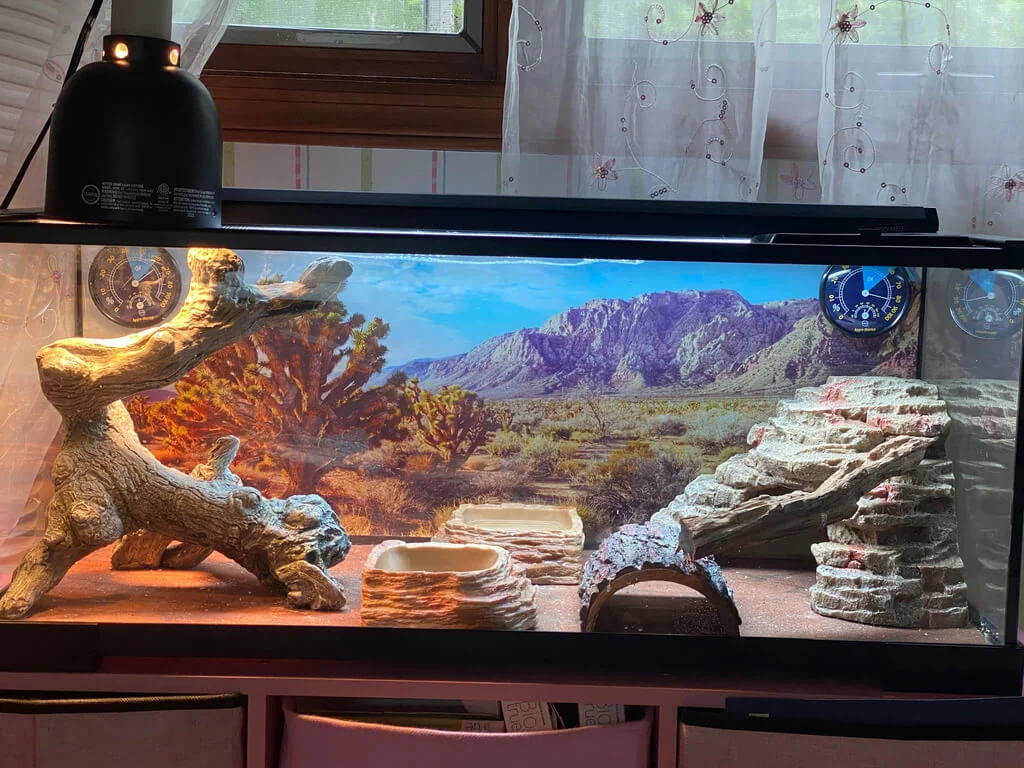
Envisioning the Perfect Bearded Dragon Habitat
Creating an exceptional habitat for your bearded dragon is crucial for its well-being and longevity. It is more than just a place to live; it’s a carefully designed environment that mimics their natural desert habitat, providing them with everything they need to thrive. This includes proper temperature gradients, UVB lighting for vitamin D synthesis, a variety of enrichment options, and a clean, safe space. A well-designed habitat will not only keep your dragon healthy but will also allow you to enjoy the beauty and unique personality of this fascinating reptile. Think about the space you have available and the overall aesthetic you’re aiming for, whether you are looking for a naturalistic setup, a modern minimalist design, or a DIY project that you can customize to your specific needs.
Understanding Bearded Dragon Habitat Needs
Bearded dragons are ectothermic, meaning they rely on external sources to regulate their body temperature. This makes the habitat’s temperature gradients extremely important. They need a warm basking spot (around 100-110°F/37-43°C), a cooler side for them to retreat to, and an overall ambient temperature range. Additionally, UVB lighting is essential for synthesizing vitamin D3, which is crucial for calcium absorption and preventing metabolic bone disease. Humidity levels also need to be maintained at appropriate levels. They also need a varied diet, clean water, and a stimulating environment that allows them to express natural behaviors, such as climbing, digging, and exploring. This includes the size of the enclosure, the type of substrate used, and the décor, all of which play vital roles in your bearded dragon’s well-being.

Temperature and Lighting Essentials
Creating the correct temperature gradient is critical for a bearded dragon’s health. The basking spot should reach temperatures between 100-110°F (37-43°C), achieved using a heat lamp. The cooler side of the enclosure should be around 75-85°F (24-29°C). Use a thermometer to monitor these temperatures accurately. For lighting, a UVB bulb is essential to mimic natural sunlight and aid in vitamin D3 synthesis. Choose a UVB bulb that is appropriate for the size of the enclosure and provides the correct amount of UVB output. Replace the UVB bulb as recommended by the manufacturer, as its effectiveness diminishes over time. Always provide a 12-hour day/night cycle to regulate the dragon’s internal clock and promote healthy behavior. Remember, the proper setup will help your bearded dragon with digestion and metabolism.

UVB and Heat Lamps Explained
Understanding the difference between UVB and heat lamps is fundamental to a successful bearded dragon habitat. UVB lamps emit ultraviolet B rays, which are essential for calcium absorption and bone health. Without adequate UVB exposure, bearded dragons can develop metabolic bone disease, a severe and often fatal condition. Heat lamps, on the other hand, provide the necessary warmth for thermoregulation, allowing the dragon to digest food and maintain a healthy metabolism. It’s crucial to use a UVB lamp specifically designed for reptiles, and to place it at the correct distance from the basking spot. The heat lamp can be a standard incandescent bulb or a ceramic heat emitter, depending on the ambient temperature of your home. Ensure that all lamps are securely mounted and out of reach of the dragon to prevent burns.
Choosing the Right Enclosure Size

The size of your bearded dragon’s enclosure is vital for its comfort and well-being. A juvenile bearded dragon can start in a 40-gallon breeder tank, but as they grow, they need more space. Adult bearded dragons typically require a 4x2x2 foot enclosure or larger. This allows for adequate temperature gradients, room for enrichment, and prevents the dragon from feeling stressed. A larger enclosure provides space for the dragon to move around, explore, and engage in natural behaviors. Consider the space available in your home and plan accordingly. Always prioritize a larger enclosure over a smaller one, as it is beneficial for the dragon’s overall health and quality of life. Avoid overcrowding the enclosure with too many decorations, which can limit the dragon’s movement and make it feel cramped.

5 Inspiring Bearded Dragon Habitat Design Ideas
Desert Oasis Setup
A desert oasis setup is designed to mimic the natural environment of a bearded dragon. This setup typically features a substrate like a mix of sand and soil, rocks, and branches for climbing and basking. Include a large, flat basking rock under the heat lamp. Decorate with artificial or real desert plants like succulents (ensure they are non-toxic) and provide a shallow water dish. This setup allows the dragon to engage in natural behaviors like digging and basking and is visually appealing. Consider incorporating a background or wall to make it more naturalistic and reduce stress.
Tropical Paradise Setup


While not the typical environment for a bearded dragon, a tropical setup can be a creative option if you have another type of reptile. This is more humid than a desert setup. It can feature a substrate of coconut fiber, sphagnum moss, and live plants like ferns and pothos. Ensure proper ventilation to prevent mold growth. Provide a humid hide for shedding, and mist the enclosure regularly to maintain humidity levels. This setup requires careful monitoring of humidity and temperature, as bearded dragons are not naturally suited to this type of environment. This design is ideal for other types of reptile companions.
Naturalistic Bioactive Setup
A bioactive setup is a self-sustaining ecosystem that uses live plants and beneficial organisms to break down waste and maintain a healthy environment. This setup requires a drainage layer, a substrate layer, and the addition of springtails and isopods to act as the clean-up crew. Incorporate live plants that can thrive in the habitat’s conditions. This setup offers a naturalistic look and reduces the need for frequent cleaning, but it requires careful planning and maintenance to ensure the ecosystem thrives. Bioactive setups provides the most enrichment opportunity to your pet.
Minimalist Modern Setup
For those who prefer a cleaner, more contemporary aesthetic, a minimalist modern setup can be an excellent choice. This setup focuses on functionality and ease of maintenance. Use a simple substrate like paper towels or tile, which are easy to clean. Incorporate a few well-placed decorations like a basking rock, a hide, and a water dish. Ensure the proper temperature gradients and lighting are in place. While less visually complex, this setup can still provide a comfortable and stimulating environment for your bearded dragon, with an emphasis on practicality and ease of maintenance. This setup will also bring a modern feel to your space.
DIY Custom Habitat Build
Building your own habitat allows you to create a custom enclosure perfectly tailored to your bearded dragon’s needs and your personal style. You can choose the size, shape, and materials, making it a rewarding project. Consider using wood, glass, or PVC materials. Ensure the enclosure is properly ventilated, secure, and safe for your dragon. You can incorporate custom features like built-in basking platforms, climbing structures, and unique décor elements. Research DIY plans and safety guidelines before you start to ensure the project is successful and safe for both you and your pet. Remember, building something allows you to truly customize it to your needs!

Decorating Your Bearded Dragon’s Habitat
Substrate Selection Guide
Choosing the right substrate is a crucial decision. Options include reptile carpet, paper towels, ceramic tile, and loose substrates like sand, soil mixes, or bioactive substrates. Reptile carpet is a convenient choice and is easy to clean. Paper towels are the easiest to clean, but they don’t offer the same level of enrichment. Ceramic tile is another easy-to-clean option, but it might not be as comfortable for digging. Loose substrates like a sand and soil mix allow the dragon to engage in natural behaviors like digging and burrowing, but they can be more difficult to maintain and pose a risk of impaction if ingested. The best substrate depends on the specific setup and your pet’s needs.
Adding Enrichment with Décor
Providing enrichment is key to a happy and healthy bearded dragon. Include a variety of décor items to stimulate your dragon’s mind and encourage natural behaviors. Add climbing branches, rocks, and hides to provide opportunities for exercise and exploration. Use different textures and heights to create an interesting environment. Choose décor that is non-toxic, easy to clean, and safe for your dragon. Rearrange the décor regularly to keep the environment stimulating and prevent boredom. Remember, a happy dragon will show many benefits to its health.
Ensuring Habitat Safety
Habitat safety is of utmost importance. Ensure the enclosure is secure, with no escape routes. Avoid using toxic materials or sharp objects that could harm your dragon. Place all heat and UVB lamps out of reach to prevent burns. Regularly inspect the enclosure for any hazards and make necessary adjustments. Monitor the temperature and humidity levels regularly to ensure they are within the appropriate range. Keep a first-aid kit on hand, and be prepared to address any potential health issues promptly. If any hazards arise, be sure to address them quickly to ensure your pet’s well-being.
Cleaning and Maintenance Schedule
A regular cleaning and maintenance schedule is essential for a healthy habitat. Spot clean the enclosure daily, removing any waste and soiled substrate. Perform a thorough cleaning weekly or bi-weekly, replacing the substrate and cleaning all décor. Use a reptile-safe disinfectant to clean the enclosure. Regularly monitor the temperature and humidity levels, and make adjustments as needed. Replace the UVB bulb as recommended. A consistent cleaning schedule will help prevent the build-up of bacteria and odors, keeping your bearded dragon healthy and your home clean. Routine maintenance will help keep your habitat beautiful and safe.