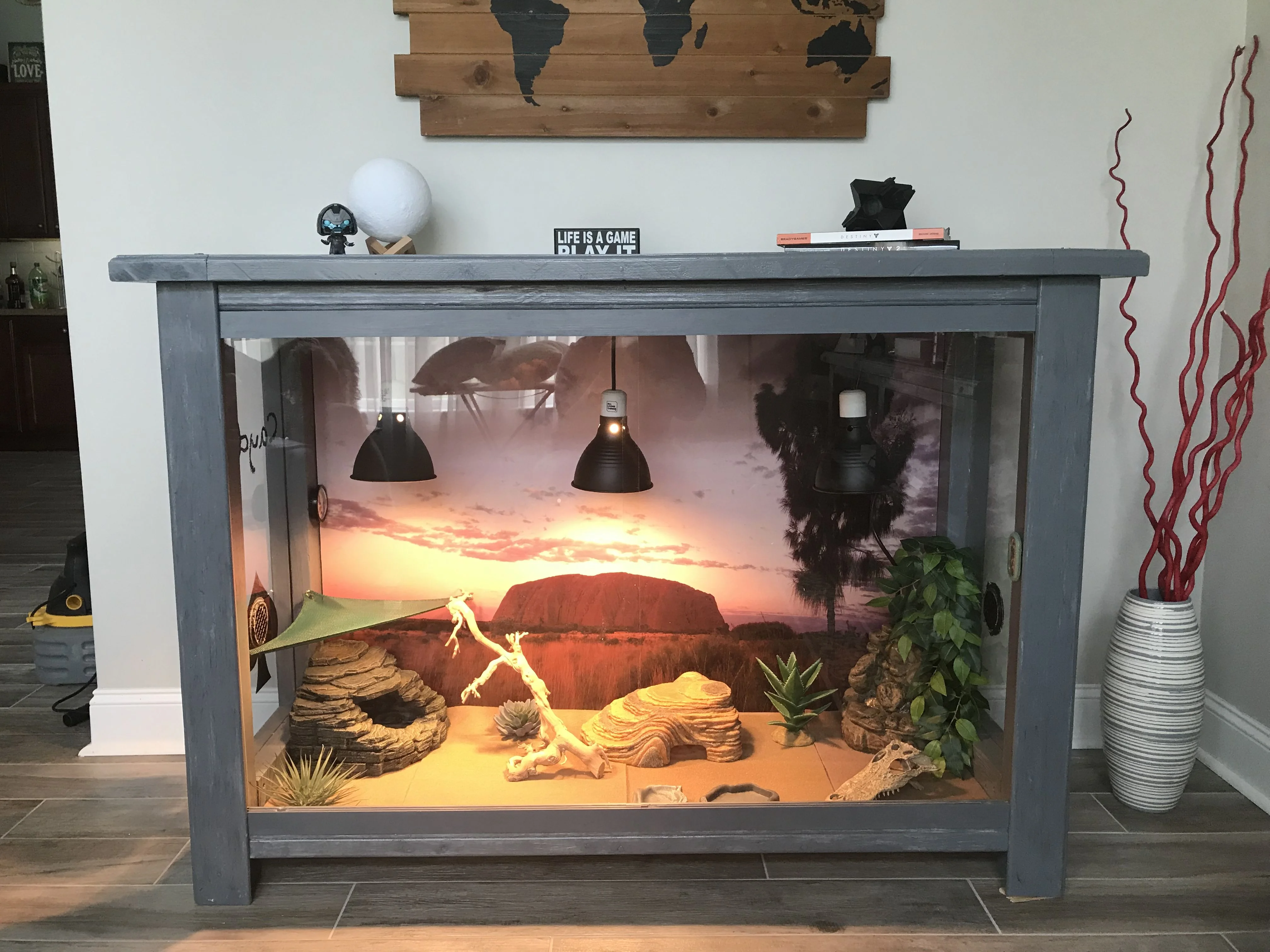
Bearded Dragons Habitat Design Overview
Designing the perfect habitat for your bearded dragon is crucial for their health, happiness, and overall well-being. This is more than just a place to live; it’s their entire world, impacting everything from their physical activity to their mental stimulation. A well-designed habitat provides the necessary environmental factors, like proper temperature gradients, UVB exposure, and a stimulating environment that encourages natural behaviors. The habitat design goes hand-in-hand with space optimization, especially if you live in an apartment or have limited room. Clever design choices allow you to provide everything your bearded dragon needs without sacrificing valuable living space, making both you and your reptile happy.
Understanding Bearded Dragon Needs
Before diving into design, it’s important to understand what bearded dragons need. These reptiles are diurnal, meaning they are active during the day, and they thrive in warm, arid environments. This means the habitat must mimic their natural habitat as closely as possible. Key elements include appropriate temperature gradients (a hot basking spot and a cooler area), UVB lighting for vitamin D3 synthesis (essential for calcium absorption), and a varied diet. They require a spacious enclosure that allows for movement, exploration, and thermoregulation. They also need a source of fresh water and opportunities for enrichment, like climbing branches and hiding places, to stimulate their minds and encourage natural behaviors.
Importance of Habitat Design
A well-designed habitat is directly linked to your bearded dragon’s health. Poor habitat design can lead to numerous health issues, including metabolic bone disease (due to insufficient UVB exposure), respiratory infections (from improper temperature or humidity), and stress. The right habitat facilitates proper thermoregulation. The correct lighting is essential for vitamin D3 synthesis, which is crucial for calcium absorption and bone health. Enrichment is also very important, reducing stress and boredom, which can lead to behavioral problems such as glass surfing or loss of appetite. A thoughtfully designed habitat creates a thriving environment where your bearded dragon can flourish.
Choosing the Right Enclosure Size
Choosing the right enclosure is the first, and possibly most crucial, step in habitat design. The size of the enclosure directly impacts your bearded dragon’s ability to move around, thermoregulate, and avoid stress. A too-small enclosure can severely limit their activity and cause them to overheat. When considering an enclosure, the bigger, the better. But with space constraints, you’ll need to find a balance between your space and your dragon’s needs.
Minimum Size Requirements
As a general guideline, a juvenile bearded dragon can start in a 40-gallon breeder tank, but will quickly outgrow this. A fully grown adult should have a minimum of a 4x2x2 foot enclosure (that’s 120 gallons). This allows for adequate space for a basking spot, a cool side, and room to move around. While some might suggest smaller sizes, remember that bearded dragons grow quickly and need ample space. If you are limited on space, consider a tall enclosure as opposed to a wide one, since bearded dragons love to climb.
Considering Growth and Activity
Always consider your bearded dragon’s potential size and activity levels when selecting an enclosure. Babies grow rapidly, so factor in future needs from the start. Bearded dragons are naturally active creatures, so providing adequate space for movement is vital. This includes space for running, climbing, and exploring. Observe your dragon’s behavior and make sure they have sufficient room to engage in these activities comfortably. An enclosure that allows for sufficient exercise can help prevent obesity and encourage natural behaviors.
Optimizing Vertical Space
If space is a concern, consider maximizing vertical space in the habitat. Bearded dragons are semi-arboreal and enjoy climbing, so utilizing vertical space can provide them with extra room for activity and exploration without increasing the footprint of the enclosure. This means incorporating climbing branches, platforms, and other elevated features.

Utilizing Climbing Branches and Platforms
Climbing branches and platforms are excellent additions to a bearded dragon’s habitat. They provide opportunities for exercise, thermoregulation (as they can move closer to the heat source), and mental stimulation. Choose sturdy, non-toxic branches of varying sizes and diameters to encourage climbing and provide diverse surfaces. Platforms, such as shelves or hammocks, can create different basking spots and resting areas. Position these features strategically to optimize the use of vertical space and to ensure your dragon can easily access them.

Creating Different Zones
Creating distinct zones within the enclosure is crucial for your bearded dragon’s well-being. This includes a basking area with a heat lamp, a cooler side for thermoregulation, and a middle ground for general activity. By utilizing vertical space, you can create these zones effectively within a smaller footprint. Elevated platforms can serve as basking spots, while lower areas can offer cooler temperatures. This setup allows your dragon to choose the temperature that best suits its needs at any given time, which is critical for their health.
Effective Substrate and Furnishings
The choice of substrate and furnishings impacts the overall aesthetic of the habitat and contributes significantly to the dragon’s comfort and well-being. It affects everything from the humidity level to the ease of cleaning. The right choices help ensure the enclosure functions in a way that’s easy to maintain while meeting the dragon’s needs. Always choose safe, non-toxic materials.
Choosing the Right Substrate
The best substrates for bearded dragons are those that are safe, non-toxic, and easy to clean. Good options include reptile carpet, paper towels, or tile. These substrates are easy to maintain and do not pose a risk of impaction if ingested. Avoid loose substrates like sand, especially for young dragons, as they can accidentally ingest it, leading to health problems. If you choose to use a bioactive substrate, make sure it is safe for bearded dragons and contains no harmful chemicals or additives.
Adding Rocks, Hides, and Enrichment
Adding rocks, hides, and enrichment items enhances the habitat and provides opportunities for the dragon’s natural behaviors. Provide hides for your bearded dragon to feel secure and provide shelter. Rocks can be used for basking or as climbing features. Add enrichment items such as tunnels, branches, and hammocks to stimulate their minds and prevent boredom. Ensure all furnishings are securely placed and do not pose a risk of injury. Rotate the furnishings from time to time to provide a fresh and stimulating environment.
Proper Lighting and Heating Setup
Lighting and heating are non-negotiable components of a healthy bearded dragon habitat. The correct setup ensures they can regulate their body temperature and absorb essential vitamins, promoting overall health and well-being. Proper lighting and heating are essential for mimicking the natural environment and enabling their metabolic processes. Without it, they can develop a range of health issues, including metabolic bone disease and a weakened immune system. These elements work in tandem to create the conditions necessary for your dragon to thrive.

UVB and Heat Lamp Placement
UVB lighting is essential for the synthesis of vitamin D3, which is crucial for calcium absorption. Place a UVB bulb at the proper distance and make sure it covers the basking area. Heat lamps provide a basking spot, where the dragon can regulate its body temperature. Placement is essential: the heat lamp should create a temperature gradient, with a hot basking spot and a cooler area. Ensure the UVB and heat lamps overlap so the dragon can get both at the same time. Use a thermometer to monitor temperatures in both the basking area and the cooler side of the enclosure. Regular bulb replacements are necessary as UVB output diminishes over time.
Maintaining Optimal Temperature Gradients
Maintaining the correct temperature gradient is a must for a healthy bearded dragon. The basking spot should be around 95-105°F (35-40°C), while the cooler side of the enclosure should be around 75-85°F (24-29°C). This allows the dragon to regulate its body temperature by moving between the warm and cool areas. Use a thermostat to control the heat lamp and ensure the basking spot remains within the appropriate range. Use a digital thermometer with a probe to accurately monitor temperatures and make sure to place the probe at the basking spot, mid-level, and cool side of the enclosure. Providing these temperature gradients prevents stress and promotes healthy digestion.

Water and Food Placement for Space Efficiency
Strategic placement of water and food bowls can optimize space usage within the habitat. Correct placement makes the most of available space and helps create a more organized and functional living environment for your dragon. It can also aid in promoting natural behaviors and simplify maintenance.

Strategic Placement of Water and Food Bowls
Position water and food bowls in accessible locations, away from the basking spot, to prevent rapid evaporation and spoilage. Consider placing the water bowl in the cooler side and the food bowl in a readily accessible location. You can explore corner bowls, which can save space by fitting neatly into the corners of the enclosure. Ensure the bowls are stable and cannot be easily tipped over, as spills can increase humidity and encourage bacterial growth. Choose shallow bowls for ease of access, especially for younger dragons.
Using Elevated Feeding Platforms
Using elevated feeding platforms offers benefits, including better space utilization, and can also help keep food clean by separating it from the substrate. Elevated feeding platforms also encourage natural foraging behaviors and help to reduce the risk of accidental ingestion of substrate, which can lead to impaction. Position the platform in a secure location and make sure it is easily accessible for your dragon. Make sure the platform is easy to clean, and the elevation creates an interesting dynamic within the habitat.
Regular Cleaning and Maintenance
Regular cleaning and maintenance are crucial for the health and hygiene of your bearded dragon. A clean habitat prevents the buildup of harmful bacteria, promotes the animal’s well-being, and extends the life of your dragon. Regular cleaning and maintenance also contribute to disease prevention and creates a comfortable environment, allowing your pet to thrive.
Spot Cleaning and Full Enclosure Cleaning
Spot cleaning should be performed daily and includes removing droppings, uneaten food, and any soiled substrate. Perform a full enclosure cleaning weekly or bi-weekly, depending on the size of the enclosure and the number of dragons. This involves removing all furnishings, washing the enclosure with reptile-safe disinfectant, and replacing the substrate. Always rinse thoroughly and allow the enclosure to dry completely before replacing furnishings and adding your dragon back into the habitat. Routine cleaning minimizes the risk of disease and keeps your dragon’s home fresh and safe.
Organizing the Habitat for Easy Maintenance

Organizing the habitat for ease of maintenance makes the cleaning process more efficient and less time-consuming. Choose easy-to-clean furnishings. Arrange the habitat to provide clear access to all areas for cleaning. Use a well-designed layout for easy access to spot clean areas and for thorough cleaning. This can be achieved by using removable elements, such as rocks and climbing structures, that can be easily taken out for cleaning. Good organization and cleaning will create a healthy living environment for your bearded dragon.