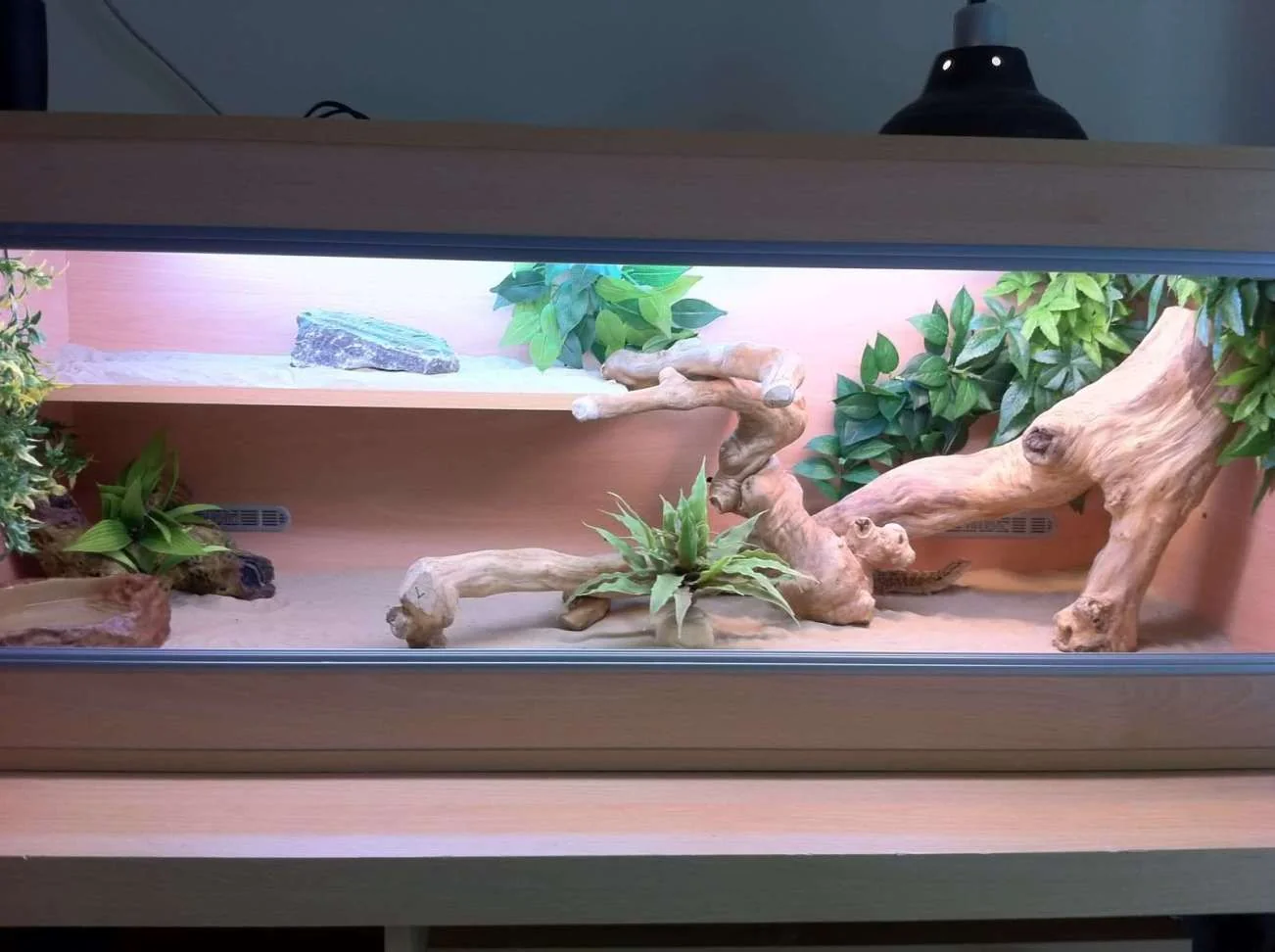
Creating the Perfect Bearded Dragon Habitat
Designing the perfect habitat is crucial for the health and well-being of your bearded dragon. A well-designed enclosure mimics their natural environment, allowing them to thrive and exhibit natural behaviors. This involves careful consideration of temperature, lighting, substrate, and enrichment items. Creating a suitable habitat reduces stress, promotes healthy eating habits, and ensures your bearded dragon lives a long and happy life. Neglecting these aspects can lead to health problems and a less fulfilling life for your pet. The following sections will guide you through the essential elements of bearded dragon habitat design, ensuring you provide the best possible environment.
Understanding Bearded Dragon Needs
Bearded dragons are ectothermic, meaning they rely on external sources to regulate their body temperature. Understanding their specific needs regarding temperature, lighting, and humidity is fundamental to creating a suitable habitat. This knowledge will help you make informed decisions about the equipment and materials you choose. By catering to these specific requirements, you’ll not only keep your dragon healthy but also witness its natural behaviors, such as basking, foraging, and exploring, more frequently. This section will cover the key environmental factors you need to control to ensure your bearded dragon’s well-being.
Temperature Requirements
Temperature is perhaps the most critical aspect of a bearded dragon’s habitat. It directly affects their metabolism, digestion, and immune system. Providing a temperature gradient allows them to thermoregulate effectively, moving between warmer and cooler areas to maintain their optimal body temperature. This gradient is essential for proper digestion, as bearded dragons need warmth to process their food efficiently. Inadequate temperatures can lead to various health issues, including lethargy, loss of appetite, and respiratory infections. Therefore, it is vital to create and maintain the appropriate temperature zones within the enclosure.
Basking Spot Temperature
The basking spot should be the warmest area in the enclosure, typically around 95-110°F (35-43°C) for adults, and slightly warmer for juveniles. This is where they will spend a significant amount of time, absorbing heat to regulate their body temperature and aid digestion. The basking spot is usually created using a heat lamp, positioned above a basking rock or platform. It is important to monitor the temperature accurately using a digital thermometer with a probe placed directly on the basking surface. Regularly check the basking spot temperature to ensure it remains within the ideal range. A correctly heated basking spot is paramount to your bearded dragon’s health.
Cool Side Temperature
The cool side of the enclosure should be significantly cooler than the basking spot, typically around 75-85°F (24-29°C). This allows the bearded dragon to retreat to a cooler area when they need to regulate their body temperature. This temperature gradient is crucial for their well-being. Ensure the cool side is consistently maintained by positioning the enclosure away from direct sunlight and using a thermostat to regulate the heat source. Having a cooler side provides a necessary refuge and prevents overheating, which can be dangerous for your bearded dragon. A temperature gradient is fundamental for healthy thermoregulation.
Humidity Levels
Bearded dragons thrive in relatively low humidity environments, ideally between 30-40%. Excessive humidity can lead to respiratory infections and other health problems. It’s essential to monitor the humidity levels using a hygrometer. If the humidity is too high, improve ventilation by adjusting the enclosure’s airflow. Misting the enclosure occasionally, particularly during shedding, can help to maintain proper humidity levels. Ensure proper ventilation to prevent the build-up of moisture. Regularly monitoring the humidity, and making adjustments as needed, helps create the optimum environment for your dragon.
UVB Lighting Importance
UVB lighting is vital for bearded dragons, as it enables them to synthesize vitamin D3, which is essential for calcium absorption and bone health. Without adequate UVB exposure, they can develop metabolic bone disease (MBD), a debilitating condition that can lead to skeletal deformities and paralysis. UVB lighting also plays a role in their overall well-being, affecting their appetite, activity levels, and immune function. Providing the correct type and intensity of UVB lighting is a non-negotiable aspect of proper bearded dragon care. Adequate UVB exposure is a cornerstone of a healthy habitat.
UVB Bulb Types and Placement
There are various types of UVB bulbs available, including fluorescent tube bulbs and mercury vapor bulbs. Fluorescent tube bulbs are generally safer and require proper placement to ensure effective UVB exposure, often mounted inside the enclosure. Mercury vapor bulbs provide both heat and UVB, but require careful monitoring due to their intensity. Regardless of the bulb type, it’s crucial to position the UVB source correctly to provide effective UVB exposure throughout the enclosure. The UVB source should be placed at a proper distance from the basking spot, following the manufacturer’s recommendations, and should be replaced regularly, as UVB output diminishes over time. Correct placement and regular replacement ensure that the dragon receives the required UVB.
Benefits of UVB
The benefits of UVB lighting are numerous. It helps bearded dragons absorb calcium, which is crucial for strong bones and overall health. UVB exposure also supports a healthy appetite and contributes to a robust immune system. Furthermore, UVB light facilitates the synthesis of vitamin D3, essential for calcium absorption and bone health. Without adequate UVB, bearded dragons can develop metabolic bone disease, a serious condition. By providing proper UVB lighting, you ensure your bearded dragon thrives, exhibiting natural behaviors and enjoying a long, healthy life. Adequate UVB is crucial for their overall health and well-being.
Choosing the Right Enclosure
Selecting the right enclosure is essential for your bearded dragon’s physical and psychological well-being. The size and type of enclosure should accommodate their growth and provide ample space for natural behaviors. The choice of enclosure material also impacts the habitat’s overall suitability, affecting factors such as temperature regulation and UVB penetration. A well-chosen enclosure helps you create an environment that supports their health, happiness, and natural behaviors, allowing your pet to thrive in captivity. Ensuring the right enclosure enhances their quality of life.
Enclosure Size Guidelines
The size of the enclosure should be based on the dragon’s age and size. A juvenile bearded dragon can start in a 40-gallon breeder tank (36x18x18 inches), but they will quickly outgrow this. Adults need a minimum of a 4x2x2 foot enclosure, but larger is always better. More space allows for a better temperature gradient, more enrichment opportunities, and promotes natural behaviors. The bigger the enclosure, the more easily you can create the ideal environment, including a wider temperature gradient and ample space for exercise and exploration. Providing adequate space allows your dragon to flourish and fully express natural behaviors.
Glass vs. Screen Enclosures
Both glass and screen enclosures have their pros and cons. Glass enclosures are easier to maintain humidity and heat, but may require more careful ventilation to prevent overheating. Screen enclosures offer excellent ventilation, which can be beneficial in humid environments, but they can also lead to heat loss. The choice depends on your local climate and the specific needs of your bearded dragon. Consider the temperature and humidity levels in your environment to determine which type of enclosure is most suitable. Both types can work well, provided the appropriate adjustments are made to create the ideal habitat.
Substrate Selection for Natural Behavior
The substrate, or bedding, you choose for your bearded dragon’s habitat can significantly impact their health and well-being. A proper substrate supports natural behaviors, aids in temperature and humidity regulation, and provides a safe environment. It is crucial to choose a substrate that is non-toxic, easy to clean, and does not pose a risk of impaction if accidentally ingested. Selecting the correct substrate is a key element of creating a safe and stimulating environment. The right substrate contributes to their overall health and happiness.
Safe Substrate Options
Several substrates are considered safe and appropriate for bearded dragons. These options provide both comfort and safety while allowing for natural behaviors, like digging and burrowing. Choosing from these safe options will allow you to create the best environment for your pet. These materials offer a good balance of safety, functionality, and aesthetic appeal. This will make your bearded dragon feel secure and contribute to its overall well-being.
Reptile Carpet
Reptile carpet is a popular and relatively safe substrate option. It is easy to clean and maintain, and it provides a good surface for the dragon to grip and move around. However, it is important to have multiple pieces of carpet so that you can swap them out for cleaning. Reptile carpet is a convenient option that minimizes the risk of impaction. Regularly wash and sanitize the carpet to remove waste, and prevent bacterial growth. Consider a soft material that’s comfortable for your pet. This substrate helps maintain cleanliness.
Tile and Slate
Ceramic tile or slate are also excellent substrate choices. They are easy to clean, do not harbor bacteria, and offer a durable, heat-conductive surface. Tile and slate are a good option for maintaining a warm basking area and promoting natural nail wear. These options are aesthetically pleasing and easy to maintain. Make sure the tiles or slates are textured to provide grip and prevent slipping. Consider a natural-looking stone or tile for a more visually appealing environment. This substrate also offers a safe and hygienic environment.
Loose Substrates and Their Risks
Loose substrates, like sand or soil mixes, can offer a more natural environment that encourages digging and burrowing behaviors. However, they also carry the risk of impaction, which can be fatal if the dragon ingests too much of the substrate. Carefully consider the potential risks before opting for loose substrates, and ensure proper monitoring to minimize the risk of impaction. Some loose substrates are safer than others, and proper care must be taken to keep them clean. This may be a more natural environment but carries risks you should be aware of.
Avoid Calcium Sand
Calcium sand is a popular choice but poses a significant risk of impaction. It’s often marketed as digestible, but in reality, it can still accumulate and cause serious health problems. Avoid calcium sand completely and choose safer alternatives. The potential for impaction outweighs any perceived benefits of calcium sand. It is safer to err on the side of caution and select a more appropriate substrate. Avoiding calcium sand can prevent serious health issues.
Substrate Depth Considerations
The depth of the substrate should be appropriate for the type you choose. For reptile carpet or tile, the depth is negligible. For loose substrates, a depth of a few inches is generally sufficient to allow for some digging and burrowing behavior. However, always monitor your dragon to ensure they aren’t ingesting too much substrate. The depth of the substrate should allow for natural behaviors without posing any health risks. Adjusting the depth can help optimize the habitat for your dragon.

Decorating for Enrichment

Providing enrichment items in your bearded dragon’s habitat is essential for their mental and physical well-being. Enrichment items stimulate their natural behaviors, reduce stress, and prevent boredom. Enrichment can take various forms, including basking rocks, hiding spots, climbing structures, and even live plants. A well-enriched habitat promotes a more active and engaged dragon. Incorporating these elements will enhance your dragon’s quality of life.

Basking Rocks and Platforms
Basking rocks and platforms are essential for thermoregulation. They provide a designated area for your bearded dragon to bask under the heat lamp, allowing them to absorb heat efficiently. Choose a rock or platform that is made of a heat-conductive material. Make sure it’s stable and large enough for your dragon to comfortably rest on. Basking rocks should be positioned directly under the heat lamp to maintain the correct temperature. A comfortable basking spot is a vital part of the habitat design.
Creating Hiding Spots
Bearded dragons are naturally inclined to seek shelter. Providing hiding spots, such as caves or hides, reduces stress and allows them to feel secure. These hiding places should be located on both the warm and cool sides of the enclosure. This enables your dragon to regulate its body temperature and feel safe in its environment. Choose hides that are appropriately sized for your dragon and made of non-toxic materials. Hiding spots give your dragon a sense of security, which contributes to their overall well-being.
Branches and Climbing Structures
Adding branches and climbing structures encourages exercise and allows for exploration. Climbing offers physical enrichment and stimulates their natural behaviors. Choose branches that are safe, non-toxic, and appropriately sized. Make sure the branches are securely positioned to prevent any potential falls. Provide a variety of textures and heights to keep your dragon engaged and active. Climbing structures promote physical activity and provide an interesting environment.
Adding Live Plants
Live plants can enhance the aesthetic appeal of the habitat and provide additional enrichment. They also help to maintain humidity and offer a more natural environment. Choose non-toxic, reptile-safe plants that can withstand the heat and humidity of the enclosure. Ensure that the plants are properly rooted and that the substrate is appropriate for their growth. Consider plants such as succulents, or certain types of grasses. Plants offer both visual stimulation and a more naturalistic environment.
Feeding and Water in the Habitat

Providing proper feeding and water resources within the habitat is essential for the health of your bearded dragon. These aspects of care directly impact their nutritional intake, hydration, and overall well-being. The correct placement of food and water dishes ensures easy access and promotes healthy eating habits. Proper food and water set-up ensures they get what they need. Maintaining a clean and accessible food and water source is a vital part of their daily care.
Water Dish Placement and Size
Place the water dish on the cool side of the enclosure. This helps to prevent the water from evaporating too quickly and provides a consistently available water source. The water dish should be shallow enough for your bearded dragon to easily access the water but deep enough that they cannot drown. Clean the water dish daily and refill it with fresh water. Maintaining a clean and readily available water source is vital for hydration.
Food Dish Placement
Place the food dish in a convenient location, typically on the cool side of the enclosure. This makes it easier for your dragon to find their food. Select a dish that is easy to clean and is appropriate for the size of your dragon. Regularly remove any uneaten food to prevent the buildup of bacteria. Place the dish in an accessible area, which will encourage proper eating habits.
Maintaining the Habitat

Regular maintenance is critical to keeping the habitat clean, healthy, and stimulating for your bearded dragon. Establishing a consistent cleaning schedule helps to prevent the buildup of harmful bacteria and maintain the ideal environment. Implementing a cleaning routine ensures a healthy and thriving environment. This involves both spot cleaning and deep cleaning to keep the enclosure in optimal condition. Proper upkeep keeps your bearded dragon happy and healthy.
Cleaning Schedule

Establish a regular cleaning schedule to maintain a healthy habitat. This should include both daily spot cleaning and more thorough deep cleaning. Regular cleaning minimizes health risks and helps your dragon thrive. A consistent cleaning routine guarantees the best conditions for your pet.
Spot Cleaning
Perform spot cleaning daily by removing feces and any uneaten food. This prevents the buildup of bacteria and maintains the overall cleanliness of the enclosure. Replace soiled substrate or paper towels as needed. Regular spot cleaning prevents the spread of disease. A daily check-up will keep your habitat clean.
Deep Cleaning
Conduct a deep cleaning of the enclosure on a regular basis, typically once a month or as needed. Remove everything from the enclosure, thoroughly clean and sanitize it, and replace the substrate. Deep cleaning helps to eliminate any harmful bacteria and maintain a safe environment. This involves a complete overhaul of the habitat. Perform a deep clean to maintain the best conditions for your dragon.
Monitoring and Adjustments
Regularly monitor the temperature, humidity, and UVB levels within the enclosure. Use thermometers and hygrometers to accurately measure these parameters. Make adjustments as needed to ensure that the environment is consistently maintained. Observing your dragon’s behavior can also provide valuable insights. Monitoring and making adjustments helps create an ideal environment for your dragon. Paying close attention helps to optimize your dragon’s living conditions.