Understanding Bearded Dragon Growth
Bearded dragons, captivating reptiles known for their docile nature and unique appearance, experience significant growth throughout their lives. Understanding this growth is crucial for ensuring their health and well-being. This guide delves into the intricacies of bearded dragon development, offering insights into tracking their progress and identifying key milestones. This knowledge empowers owners to provide optimal care, fostering a long and healthy life for their beloved pets. Proper growth monitoring allows for early detection of potential health issues and ensures that your bearded dragon is thriving in its environment. This guide aims to equip you with the necessary tools and information to become a proactive and informed bearded dragon caretaker.
Factors Influencing Bearded Dragon Growth
Several factors contribute to the growth of bearded dragons. Genetics play a significant role, with some dragons naturally growing larger or faster than others. Nutrition is paramount; a balanced diet rich in protein, vitamins, and minerals is essential for healthy development. Proper lighting, including UVB and UVA, is also critical for calcium absorption and overall health. Temperature regulation within the enclosure impacts metabolic rates and growth. Consistent, appropriate temperatures are vital for optimal development. Stress, illness, and parasitic infections can also impede growth. The environment, encompassing enclosure size and enrichment, influences activity levels and thus contributes to healthy growth. Regular monitoring and adjustments based on your dragon’s specific needs ensure they reach their full potential. Neglecting these factors can lead to stunted growth and serious health problems.
Age and Size Guidelines for Bearded Dragons
Bearded dragons go through various growth stages, each with expected size ranges. Hatchlings, newly hatched dragons, are typically around 3-4 inches long. During their first six months, they experience rapid growth, potentially reaching 12-16 inches. Adult bearded dragons, typically reached around 18 months of age, can range from 18-24 inches, with males generally larger than females. These are guidelines, and individual dragons may vary. Regularly tracking weight and length against these guidelines will help determine if your bearded dragon’s development is on track. Consulting with a veterinarian can provide personalized insights into your dragon’s growth trajectory. Remember to consider your dragon’s specific genetics and individual characteristics when assessing its growth. Variations are normal, but significant deviations warrant attention.
Monitoring Bearded Dragon Growth
Tracking your bearded dragon’s growth is essential for identifying potential health concerns and ensuring they are thriving. This process involves several key methods, allowing you to monitor their progress effectively. Regular weighing and measuring provide concrete data points for assessment. Observing changes in their shedding patterns can also offer insights into their development. These methods, when used in conjunction, create a comprehensive view of your dragon’s well-being, enabling you to proactively address any potential issues. Maintaining detailed records of these observations allows for easy tracking and comparison over time. By following these practices, you can ensure your bearded dragon’s health.
Weight Tracking for Bearded Dragons
Weight is a critical indicator of a bearded dragon’s health and growth. Using a digital kitchen scale, weigh your dragon weekly, especially during the rapid growth phase. Record the weight in a log, noting the date and any observations about your dragon’s activity or feeding habits. The weight should increase steadily, though the rate of increase will slow as they mature. Significant weight loss or failure to gain weight can signal health issues, like parasites or inadequate nutrition. Regular weight checks allow for prompt intervention if any problems arise. It’s also helpful to weigh food portions and uneaten insects to monitor food consumption, as it directly impacts weight gain. Consistency in weighing your bearded dragon will provide meaningful insights into its well-being.
Length Measurement and Tracking

Measuring your bearded dragon’s length is as important as tracking its weight. Use a soft measuring tape to measure from the tip of their snout to the tip of their tail. Gently stretch them out on a flat surface, being careful not to cause any stress. Record the length in your log, along with the date. Measure the length monthly. Changes in length provide insights into your dragon’s overall growth. Note any changes in body condition, such as changes in tail thickness or body proportions, alongside the measurements. The growth rate will decrease as they reach adulthood. Combined with weight tracking, length measurements offer a comprehensive view of your dragon’s physical development. This data can be used to gauge overall health and to notice any unexpected changes, such as stunted growth.
Shedding Cycles as a Growth Indicator

Shedding is a natural process of skin replacement in bearded dragons, and it’s closely linked to growth. Young dragons shed more frequently, sometimes every few weeks, reflecting their rapid growth. As they mature, the shedding frequency decreases. Observe your dragon during shedding cycles, noting any difficulties shedding. Ensure that humidity levels are adequate to facilitate healthy shedding. Use a shallow dish of water in the enclosure to assist with shedding, if needed. Monitor any signs of retained shed, which can restrict movement or cause other health problems. Regular observation of the shedding process provides another valuable metric for understanding your dragon’s growth and overall health. Proper shedding indicates good health and a well-maintained environment.
Identifying Growth Milestones
Recognizing growth milestones helps gauge your bearded dragon’s development. These milestones include significant increases in weight and length. Observe the appearance of a mature beard and the development of vibrant colors, which typically indicate an older dragon. The first shed, the first time eating solid food, and the first time basking are all important markers in your dragon’s early life. Record these milestones, along with the dates, in your log. Milestones also involve behavioral changes, such as increased activity, foraging behavior, or a change in social interactions. Tracking these milestones gives a clear indication of overall health and progress. Being aware of these milestones helps owners to give a more accurate assessment of their dragon’s development.
First Six Months Growth Milestones
The first six months are crucial for bearded dragon development. During this time, monitor weight gains, which should be consistent and noticeable. Track length increases weekly. Observe shedding cycles, which will be frequent. Ensure your dragon is eating a diet appropriate for its age, with a focus on protein and calcium. Provide a temperature gradient within the enclosure, allowing your dragon to thermoregulate. The dragon should be active and alert, with good muscle tone. Watch for signs of illness, such as lethargy or loss of appetite. These first six months lay the foundation for a healthy adult life. Addressing any issues promptly during this period is important for their long-term well-being. Consistent care in these initial months is critical.
Beyond Six Months Milestones

After six months, the growth rate will gradually slow, but monitoring remains essential. Continue to track weight and length monthly, and observe the shedding frequency. Transition to a diet suitable for adults, with more vegetables and a reduced amount of insects. The appearance of the beard may change as it matures. Ensure your dragon has an appropriate enclosure and lighting. Continued alertness and activity levels are important indicators. Monitor for signs of breeding behavior, if applicable. Regular vet checkups are especially important. This period involves preparing for adulthood, maintaining a healthy weight, and maintaining optimal health. Regular health monitoring will allow you to ensure a long, healthy, and active adult life for your bearded dragon.
Addressing Growth Concerns
It’s important to know how to address growth concerns. Stunted growth can be a symptom of several issues. Common issues include inadequate nutrition, improper lighting, insufficient temperature, or underlying health problems. If your bearded dragon is not growing at the expected rate, review their diet, lighting, and temperature. Ensure the enclosure is the correct size. Consult with a veterinarian to rule out any medical conditions. Parasites, infections, or metabolic bone disease can affect growth. Early detection and prompt intervention are critical. Adjustments to the environment, diet, or medical treatment are necessary to help them achieve healthy development. It is important to keep detailed records of any changes.
Common Growth Issues in Bearded Dragons
Some common growth issues include metabolic bone disease (MBD), which results from a calcium deficiency, leading to bone deformities and stunted growth. Parasitic infections can also hinder growth by affecting nutrient absorption. Improper diet can lead to vitamin deficiencies and poor overall development. Inadequate UVB lighting prevents calcium absorption, causing MBD. Stress, stemming from an unsuitable environment or improper handling, can affect appetite and growth. Retained shed can restrict movement and lead to infections, affecting growth. Recognizing these issues early and implementing corrective measures, such as dietary adjustments, UVB supplementation, or veterinary care, will improve the prognosis. Consistent monitoring and awareness of potential issues are key to preventing them.
When to Consult a Veterinarian
Regular vet checkups are essential for monitoring your bearded dragon’s health and development. Schedule a checkup at least once a year, or more frequently if you have concerns. Consult a vet immediately if you notice significant weight loss, loss of appetite, lethargy, or any other unusual symptoms. A vet can perform diagnostic tests to identify underlying health problems. They can also advise on proper nutrition, lighting, and enclosure setup. Early intervention is critical for treating any diseases. Veterinarians are trained to diagnose health problems and provide treatment plans. They can also guide you on proper care practices. Don’t hesitate to seek professional advice when needed, as this can prevent minor issues from developing into serious health concerns.

Maintaining a Healthy Environment for Growth
Maintaining a healthy environment is crucial for your bearded dragon’s growth. Provide a spacious enclosure appropriate for its size. Ensure proper lighting with UVB and UVA bulbs. Maintain a temperature gradient, with a basking spot and cooler areas. Provide a varied and balanced diet. Keep the enclosure clean, with regular spot cleaning and full enclosure cleanings. Provide opportunities for enrichment, like climbing structures and hiding places. A stress-free environment helps your dragon thrive. These elements contribute to physical and mental well-being, supporting optimal growth. This creates an environment in which your dragon can flourish. It is crucial to adjust the environment as your bearded dragon grows and its needs evolve.
Nutrition and Diet for Optimal Growth
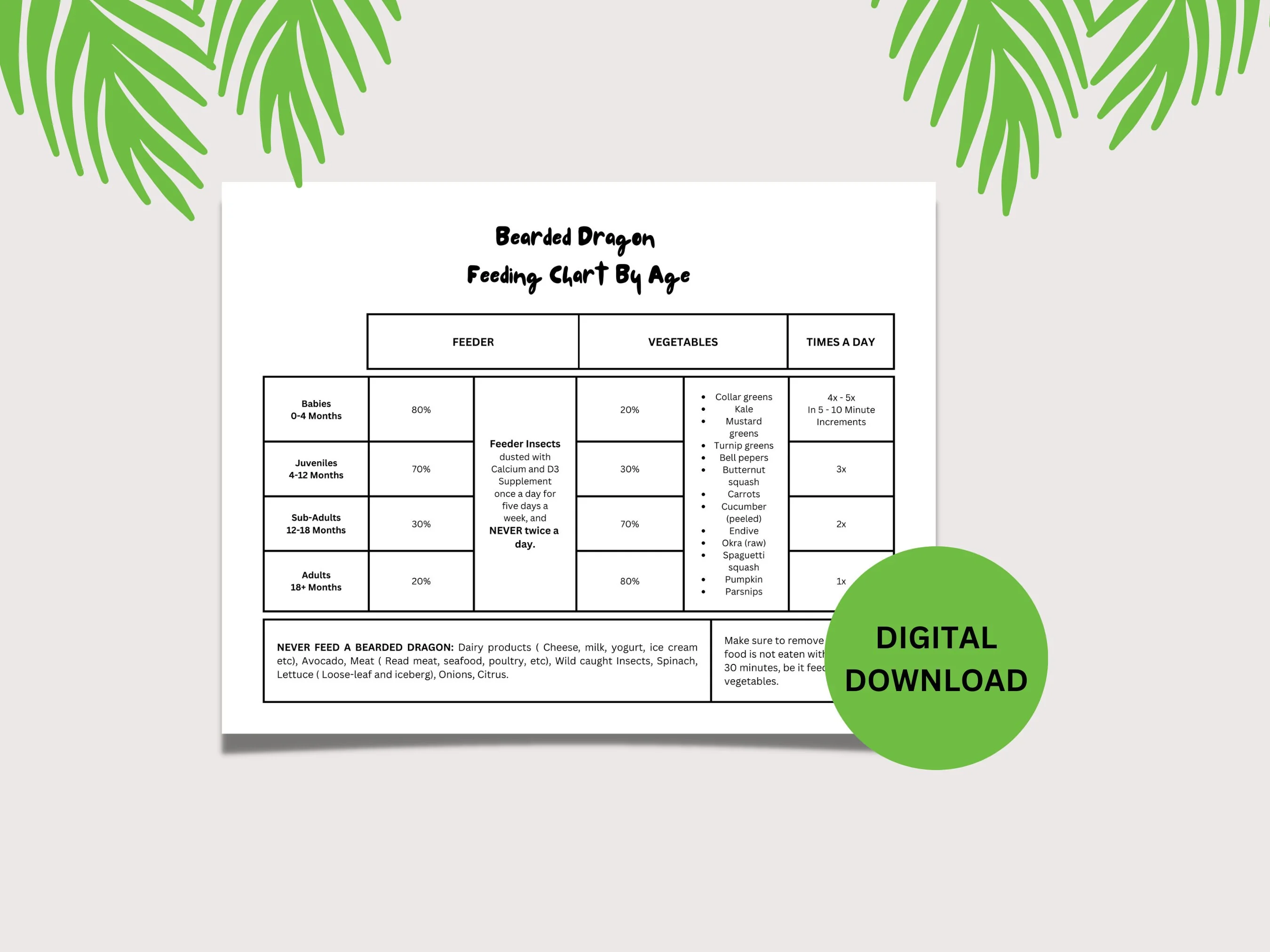
Nutrition plays a vital role in bearded dragon growth. Feed hatchlings a diet rich in protein, primarily insects, such as crickets and dubia roaches, dusted with calcium and vitamin supplements. As they mature, gradually introduce more vegetables into their diet, such as collard greens and mustard greens. Offer a variety of insects and vegetables to ensure a balanced diet. Always provide fresh, clean water. Avoid feeding too many fatty insects. The diet should change as your dragon grows. Provide proper supplementation to help with vitamin and mineral intake. This creates a healthy and balanced diet that supports healthy growth and provides all the nutrients for an active and healthy dragon. A balanced diet is one of the most crucial components of bearded dragon care.

Lighting and Temperature Requirements
Lighting and temperature are critical for bearded dragon health and growth. Use a UVB bulb to help with calcium absorption, promoting bone development. Provide a basking spot at an appropriate temperature, usually between 95-110°F (35-43°C), and a cooler area for thermoregulation. Ensure the correct type of UVB bulb for your bearded dragon. Monitor temperatures with a thermometer. Maintain the correct day/night cycle, with 12 hours of light and 12 hours of darkness. Incorrect lighting and temperature can lead to metabolic bone disease and other health issues. Adequate lighting helps the dragon with calcium absorption. Lighting and temperature support overall health and well-being, leading to optimal growth. Consistent monitoring is vital to ensure proper health and lighting levels.
Enclosure Size and Its Impact on Growth
The size of the enclosure impacts a bearded dragon’s growth and overall well-being. Hatchlings need a smaller enclosure, typically a 20-gallon tank. As they grow, they need larger enclosures. A juvenile dragon should have at least a 40-gallon breeder tank, and adults require a 4x2x2 foot enclosure. Too small enclosures limit activity, which can affect appetite and growth. A larger enclosure provides opportunities for exercise, exploration, and thermoregulation. Ensure the enclosure has appropriate substrate, hides, and enrichment items. Providing the correct enclosure size is a key component of proper care. The right enclosure size supports growth and promotes a healthy, happy dragon. Ensuring the right enclosure can help your dragon flourish in their environment.

Regular Vet Checkups and Growth Monitoring
Regular vet checkups combined with diligent growth monitoring are essential for a bearded dragon’s health. Annual vet visits allow for early detection of any health issues. The vet can assess your dragon’s overall health and provide expert advice. Keep a detailed log of weight, length, and observations. Share these records with your vet during checkups, providing insights into your dragon’s progress. Communicate any concerns with your vet. Proactive monitoring and regular vet checkups create a healthy and happy bearded dragon. These steps will help to identify any issues early on. This will help ensure you can address any health problems quickly. Consistent monitoring and vet visits will ensure your bearded dragon lives a long and healthy life.