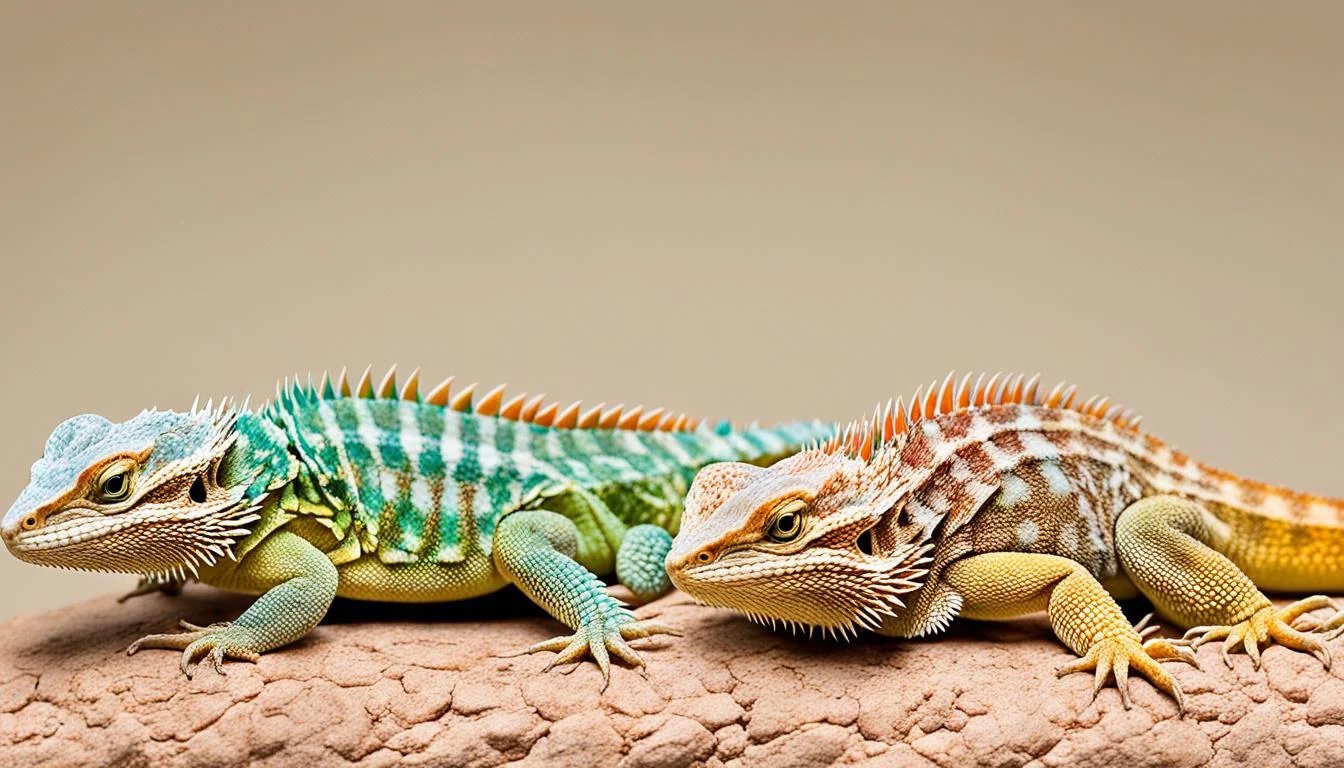
Understanding Bearded Dragon Growth
Bearded dragons, fascinating reptiles native to Australia, undergo significant growth throughout their lives. Understanding their growth rate is crucial for providing proper care and ensuring their health and well-being. Unlike mammals, reptiles grow continuously, although their growth rate slows down as they mature. This means that a young bearded dragon will experience a rapid growth spurt, whereas an adult’s growth will be minimal. Several factors influence this growth, including genetics, diet, environment, and overall health. This guide delves into the secrets of bearded dragon growth, covering everything from feeding to environmental factors, providing you with the knowledge to support your pet’s optimal development. Careful observation and consistent care are key to helping your bearded dragon thrive.
Factors Affecting Bearded Dragon Growth
Several elements play crucial roles in determining a bearded dragon’s growth trajectory. These factors can be broadly categorized into internal (genetic) and external (environmental and dietary) influences. Ignoring any of these factors can lead to stunted growth or other health problems. A holistic understanding of these elements will help you create the best environment for your pet. Proper management and monitoring of these factors will help ensure that your bearded dragon grows to its full potential and enjoys a long, healthy life. This section will examine these key influences in detail, providing a foundation for informed reptile care.
Genetics and Growth
A bearded dragon’s genetic makeup significantly influences its potential size and growth rate. Just like with humans, the size of the parents often provides a good indication of the size their offspring will reach. However, genetics is not the sole determinant; environmental factors can also have a substantial effect. Some dragons may have genes that predispose them to grow faster or slower, or to reach a larger or smaller overall size. This inherent variability means that even with the best care, some dragons might naturally be smaller or larger than others. Understanding the genetic background of your bearded dragon is essential, especially if you know about its lineage, as it can help you set realistic expectations for its growth.
Diet and Nutrition for Growth
Nutrition is arguably the most important factor influencing the growth of a bearded dragon. A well-balanced diet provides the necessary building blocks for healthy development. Young bearded dragons require a higher protein intake compared to adults, as protein is essential for muscle and tissue growth. As they mature, the ratio of protein to other nutrients should be adjusted to prevent overfeeding and associated health issues. The quality and variety of the diet are also important. Providing a mix of live insects, vegetables, and fruits ensures that the dragon receives a comprehensive range of vitamins, minerals, and essential nutrients that are vital for proper growth and overall health. The right diet creates the foundation for a strong and healthy dragon, promoting optimal growth.
The Importance of Protein
Protein is the cornerstone of a bearded dragon’s diet, particularly during its juvenile phase. It’s the primary component for building and repairing tissues, as well as supporting muscle development. High-quality protein sources, such as insects like crickets, mealworms, and dubia roaches, are crucial for providing the necessary amino acids. These amino acids are the building blocks of proteins and are essential for growth. The amount of protein required decreases as the dragon ages; overfeeding protein to an adult can lead to health problems. Monitoring the dragon’s intake and adjusting the diet based on its age and growth stage is vital for optimal development.
Vegetables and Fruits for Bearded Dragons
While protein is essential, a balanced diet also includes a variety of vegetables and fruits. These provide vital vitamins, minerals, and fiber that support overall health and aid in digestion. Dark, leafy greens like collard greens, mustard greens, and dandelion greens should be the foundation of a bearded dragon’s vegetable intake. These greens are packed with nutrients and have a favorable calcium-to-phosphorus ratio. Fruits, such as berries and melon, can be offered in moderation as treats. Be mindful of the sugar content in fruits and ensure they are given sparingly. A colorful mix of vegetables and a small amount of fruit contribute to a complete diet and enhance the bearded dragon’s overall well-being, promoting a healthy growth trajectory.

Water and Hydration
Adequate hydration is a critical aspect of a bearded dragon’s health and growth. Water is essential for numerous bodily functions, including digestion, nutrient absorption, and waste elimination. Providing a clean water source is crucial. This can be achieved through a shallow water dish that’s easily accessible or by misting the enclosure regularly. Young dragons, particularly those undergoing rapid growth, have higher hydration needs than adults. Dehydration can lead to various health problems, including stunted growth, so ensuring your bearded dragon has access to water is paramount. Observe your dragon’s behavior, such as drinking habits, to ensure its hydration needs are being met. Providing water appropriately promotes optimal growth and health.
Lighting and Temperature’s Impact
The correct lighting and temperature setup are essential for a bearded dragon’s well-being and growth. Reptiles are ectothermic, meaning they rely on external sources of heat to regulate their body temperature and metabolic processes. Providing a proper thermal gradient, with a basking spot, warm side, and cool side, allows the dragon to thermoregulate effectively. This is key for digestion, immune function, and overall health. Appropriate lighting, particularly UVB, is also critical for calcium absorption and bone health, supporting optimal growth. Incorrect lighting or temperature can lead to various health issues, including metabolic bone disease, and can significantly hinder growth. The right environment supports healthy growth, and ensures your bearded dragon thrives.

UVB Lighting and Growth

UVB lighting plays a critical role in the growth and health of bearded dragons. UVB rays are essential for synthesizing vitamin D3, which aids in calcium absorption. Without adequate UVB exposure, bearded dragons cannot effectively absorb calcium from their diet, which can lead to metabolic bone disease. This disease weakens bones and can significantly impair growth. Proper UVB lighting is vital, including the right type and strength of bulb, as well as appropriate positioning and distance. The UVB source should be replaced regularly, as its output diminishes over time. Providing correct UVB is one of the most important aspects in setting up your bearded dragon’s habitat. Choosing the right UVB lighting setup is essential to ensuring your bearded dragon’s optimal health and growth, preventing serious health issues.

Temperature Gradients
Creating a proper temperature gradient within a bearded dragon’s enclosure is crucial for its health and growth. The thermal gradient allows the dragon to regulate its body temperature by moving to areas with different temperatures. This ability is essential for digestion, immune function, and overall metabolism. A basking spot provides the highest temperature, allowing the dragon to warm up for digestion and other processes. The warm side of the enclosure should offer a moderate temperature, and the cool side provides a place for the dragon to retreat when it needs to cool down. Monitoring the temperature with accurate thermometers is essential to ensure the gradient is maintained. Providing the correct temperatures is necessary for their health and growth, allowing your bearded dragon to thrive.
Signs of Healthy Growth
Recognizing the signs of healthy growth in your bearded dragon helps you to provide appropriate care. Healthy bearded dragons typically exhibit a steady increase in size and weight over time. This growth, however, is not linear and may slow down as they reach adulthood. Their appetite will be consistently strong, and they will actively eat the appropriate amount of food offered to them. Healthy dragons are active and alert, with bright, clear eyes and vibrant coloration. Regular shedding, a natural process of growth, occurs in healthy individuals. Examining your dragon regularly for any signs of illness or problems is important, as early detection leads to quick treatment. By observing these indicators, you can confirm your dragon’s development and well-being, creating an environment that supports their continued health.
Monitoring Your Bearded Dragon’s Progress
Regular monitoring is essential for tracking your bearded dragon’s progress and ensuring it is growing healthily. Weighing your dragon weekly or bi-weekly is one of the best ways to monitor its growth. This allows you to detect any deviations from the expected growth curve. Keeping a record of its weight, length, and any changes in behavior can provide valuable insights into its health. Observing its shedding cycles, the frequency of its bowel movements, and the condition of its skin and scales can reveal valuable information. Regular checkups with a reptile veterinarian can help detect any potential health issues. Monitoring your bearded dragon’s progress helps to detect problems quickly and helps to ensure they are growing and thriving.
Common Growth Issues and Solutions
Several factors can hinder a bearded dragon’s growth. Recognizing these issues early and addressing them promptly can prevent further problems. Stunted growth can be caused by inadequate nutrition, insufficient UVB exposure, or incorrect temperatures. Metabolic bone disease (MBD), resulting from calcium deficiency, can weaken bones and lead to deformities. Parasitic infections can also interfere with nutrient absorption, affecting growth. Addressing these issues requires adjusting the diet, ensuring proper lighting and temperature, and seeking veterinary care when necessary. Early detection and intervention are key to ensuring your dragon’s health and development. With proper care and attention, many of these issues can be resolved, allowing your bearded dragon to grow and thrive.
Shedding and Growth
Shedding is a natural process of growth in bearded dragons. As the dragon grows, it sheds its skin to make way for new skin underneath. The frequency of shedding depends on the dragon’s age; young dragons shed more frequently than adults. Proper humidity levels are essential for aiding shedding. Insufficient humidity can make shedding difficult and lead to skin infections or retained shed. Ensuring proper hydration is also vital during this period. If your dragon has difficulty shedding, you may need to gently assist it by soaking it in lukewarm water. Providing a smooth surface in the enclosure, like rocks, can help them to shed properly. Understanding the shedding process and supporting your dragon during this time is essential for maintaining healthy growth.
Parasites and Their Effect on Growth
Parasites, both internal and external, can significantly affect a bearded dragon’s growth. Internal parasites, such as worms and protozoa, can interfere with nutrient absorption, leading to weight loss and stunted growth. External parasites, like mites, can irritate the skin and weaken the dragon. Regular fecal exams by a veterinarian are necessary to detect internal parasites. If parasites are found, your veterinarian will prescribe appropriate treatment. Maintaining a clean and hygienic enclosure is essential for preventing parasitic infestations. Quarantine new reptiles and thoroughly clean the enclosure when introducing them is also recommended. The control and prevention of parasites is important for maintaining your bearded dragon’s optimal health and ensuring healthy growth.
Feeding Guide for Optimal Growth
A well-structured feeding schedule is essential for optimizing your bearded dragon’s growth. The amount and type of food you provide should be adjusted based on the dragon’s age. As a general rule, young dragons require more frequent feeding, with a higher proportion of protein, while adults should be fed less frequently. This feeding guide provides practical suggestions to support optimal development. Adjust the feeding regimen as your dragon matures. Proper feeding habits and a balanced diet create the foundation for a healthy dragon, promoting optimal growth. Feeding the right foods at the right times helps ensure they thrive at every stage of their lives.
Feeding Schedule by Age
The feeding schedule should be adjusted based on the age of your bearded dragon. Baby bearded dragons (0-3 months old) require frequent feedings, typically 2-3 times a day. Provide a diet primarily consisting of insects, with a small amount of greens. Juvenile dragons (4-12 months old) can be fed once or twice a day, with an increased proportion of greens and vegetables. Adults (12+ months) should be fed once a day or every other day, focusing on a diet consisting primarily of greens and vegetables, with insects offered occasionally. Adjust the food amounts as needed and watch for signs of weight gain. Regularly monitor your dragon’s food intake and overall condition to ensure that the feeding schedule is appropriate for its individual needs, keeping your dragon at its best health.
Live Food Options

Live insects are a crucial part of a bearded dragon’s diet, particularly for juveniles. The type of insects you offer should be varied to provide a diverse range of nutrients. Crickets, dubia roaches, mealworms, and superworms are all viable options. Crickets are a common choice, but they can be difficult to manage. Dubia roaches are a more nutritious and less active alternative. Mealworms and superworms can be offered in moderation due to their higher fat content. All insects should be gut-loaded before being fed to your dragon; this involves feeding the insects a nutritious diet, so they pass those nutrients onto your dragon. This ensures that the dragon gets the most nutritional benefit. Providing variety in the diet, with healthy live food options, helps to optimize growth.

Supplementation
Supplementation is an important aspect of ensuring your bearded dragon gets all the nutrients it needs. Dusting insects with calcium and vitamin D3 supplements is crucial, especially for young dragons. Calcium helps to build strong bones and prevents metabolic bone disease. Vitamin D3 aids in the absorption of calcium. Multivitamin supplements should also be given to ensure they receive a range of vitamins and minerals. The frequency of supplementation should depend on the age of the dragon and the type of food you are feeding. Consult with a reptile veterinarian to determine the appropriate supplements and schedule. Supplementation helps ensure optimal growth and overall health.
Creating a Balanced Diet
A balanced diet is the foundation of a healthy bearded dragon. The diet should consist of a mix of live insects, vegetables, and fruits, with the proportions adjusted based on the dragon’s age. Young dragons require a higher protein intake from insects. As they mature, the proportion of vegetables and fruits should increase. A good diet also contains clean water and proper supplementation. Make sure that the diet provides a wide variety of essential nutrients. Regularly monitor your dragon’s eating habits and adjust its diet as needed. A balanced diet, combined with proper care, is crucial for supporting optimal growth and ensuring the well-being of your bearded dragon.

Conclusion
Understanding the secrets of bearded dragon growth involves more than just feeding your pet; it requires a holistic approach that considers genetics, diet, environment, and health. By providing a well-balanced diet, proper lighting and temperature, and consistent monitoring, you can significantly impact your bearded dragon’s growth and overall well-being. Remember that every bearded dragon is unique, and their growth rates may vary. Stay consistent with your care routine, and consult with a reptile veterinarian if you have concerns. By following these guidelines, you are setting your bearded dragon on the path to a long, healthy, and fulfilling life. Consistent care and a supportive environment help your bearded dragon thrive.