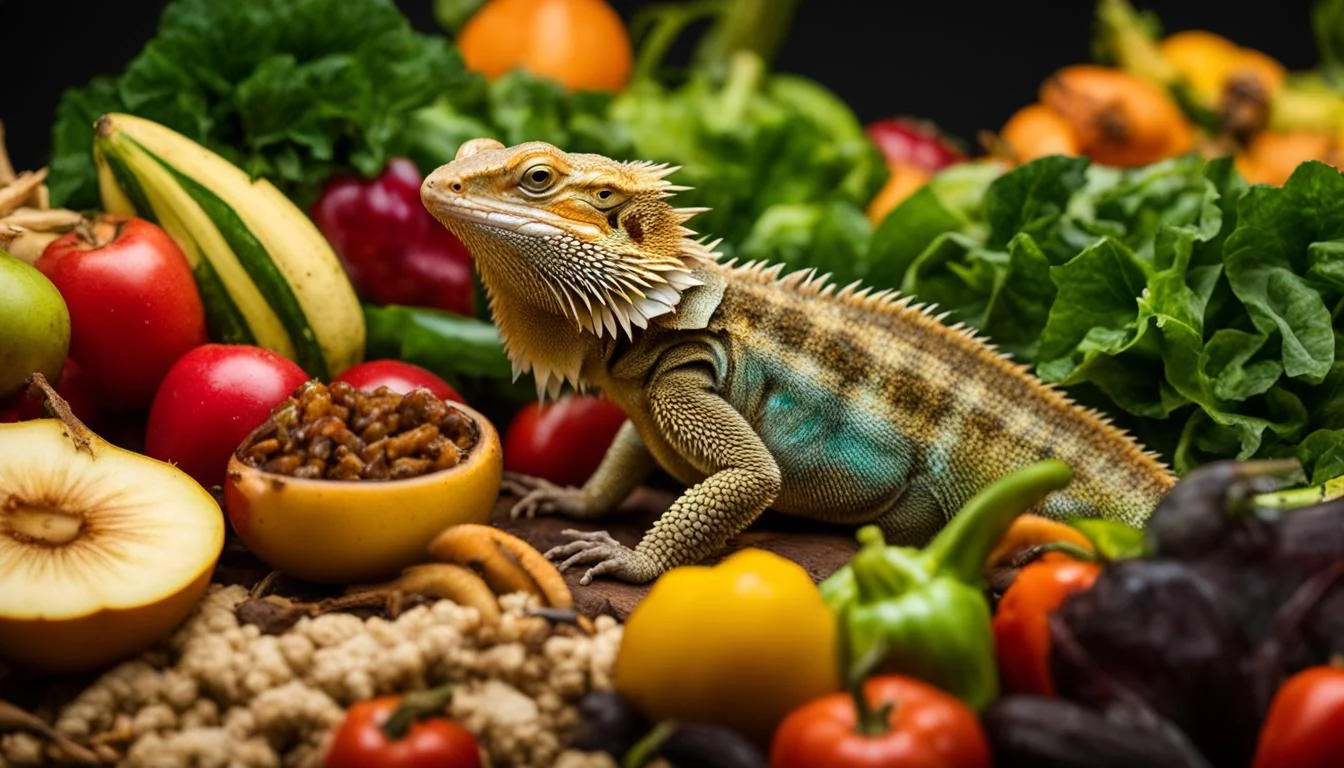
Safe Feeding for Bearded Dragons An Introduction
Bearded dragons, with their captivating appearance and engaging personalities, have become increasingly popular pets. Providing them with the right nutrition is paramount to their health and longevity. This comprehensive guide delves into the safe feeding practices essential for ensuring your bearded dragon thrives. We will explore the different food groups, the importance of a balanced diet, and how to avoid common feeding mistakes. By following these guidelines, you can create a healthy and happy environment for your scaly companion. Understanding the dietary needs of a bearded dragon is not just about providing food; it’s about providing the right food in the right way to prevent health issues and promote optimal wellbeing. This approach ensures your pet lives a long and vibrant life, free from preventable health problems.
Understanding Bearded Dragon Nutritional Needs
Bearded dragons are omnivores, meaning they require a balanced diet of both animal and plant matter. Their nutritional requirements change as they grow. Babies and juveniles need a diet higher in protein to support rapid growth, whereas adults require a diet with a greater emphasis on vegetables. Protein is crucial for muscle development and overall growth, while vegetables provide essential vitamins, minerals, and fiber. The ratio of insects to vegetables should be adjusted based on the dragon’s age. The correct balance is essential, and understanding this balance helps you meet your dragon’s unique dietary needs at every stage of their life. Neglecting these needs can lead to serious health problems.
The Importance of a Balanced Diet for Bearded Dragons
A balanced diet is the cornerstone of a healthy bearded dragon. It ensures they receive all the necessary nutrients to support their bodily functions, growth, and immune system. A diet that consists of too much protein, for example, can lead to kidney problems, while a lack of essential vitamins and minerals can cause metabolic bone disease. Regularly assessing your dragon’s diet and making necessary adjustments based on its age, health, and activity level is critical. Regularly monitoring your dragon’s body condition and fecal matter is very important. The balance must include a variety of insects, vegetables, and occasional fruits, with proper supplementation. A well-rounded diet contributes to a longer, more vibrant life.
Essential Food Groups for Bearded Dragons
The essential food groups for bearded dragons include insects, vegetables, and fruits. Insects provide protein, vegetables supply vitamins and minerals, and fruits, when offered sparingly, provide additional nutrients. It’s crucial to select a variety of these food sources to ensure your dragon receives a broad range of nutrients. Choosing insects that are gut-loaded—fed nutritious foods before being given to your dragon—is ideal, as this passes those nutrients on. Vegetables should be dark, leafy greens. Fruits should be low in sugar. A varied diet keeps the bearded dragon from getting bored, ensuring they have the required nutrients.
Protein Sources for Bearded Dragons
Insects form the core of a bearded dragon’s protein intake, especially during their growth phase. Crickets, mealworms, dubia roaches, and black soldier fly larvae are among the most popular choices. The best option is a variety of insects, supplemented by calcium and vitamin D3. Insects should be gut-loaded before feeding, providing your dragon with the nutritional benefits of the food the insects have eaten. Always ensure insects are sourced from reputable suppliers to minimize the risk of parasites and diseases. Varying the insect types will keep your dragon interested in their meals.
Safe Insects to Feed Your Bearded Dragon
Several insects are considered safe and highly nutritious for bearded dragons. Crickets are a staple, readily available and relatively easy to care for. Dubia roaches are another excellent option, known for their high protein content and ease of digestion. Mealworms can be fed in moderation, but their hard exoskeletons may be harder to digest, so they should be fed sparingly. Black soldier fly larvae (BSFL) are also a good choice, providing a good calcium-to-phosphorus ratio. Ensure all insects are appropriately sized for your dragon. Always gut-load the insects before feeding them to maximize their nutritional value.
Risks of Feeding Wild-Caught Insects

Feeding wild-caught insects to your bearded dragon carries several risks. Wild insects may be contaminated with pesticides, parasites, or diseases that can be harmful to your pet. Furthermore, the nutritional content of wild insects is unpredictable, often lacking the balanced nutrition a captive-bred insect provides. Even if the insects appear healthy, the risk of introducing harmful substances outweighs any perceived benefits. The insects can also be difficult to identify, and some species may be toxic to bearded dragons. It’s always best to source insects from reputable breeders or pet stores to ensure safety.
Vegetable and Fruit Options for Bearded Dragons
Vegetables and fruits are essential for providing vitamins, minerals, and fiber to a bearded dragon’s diet. Offer a variety of vegetables daily to meet your dragon’s nutritional needs, and fruits can be offered in moderation as treats. Choose fresh, high-quality produce and ensure that it is properly washed and chopped into small, manageable pieces. Avoid vegetables high in oxalates and fruits high in sugar. A good balance of vegetables and fruits is vital to your dragon’s well-being and adds essential nutrients and variety to their diet.
Safe Vegetables to Include in Your Dragon’s Diet
Several vegetables are safe and nutritious for bearded dragons. Dark, leafy greens like collard greens, mustard greens, and dandelion greens should form the base of their vegetable intake. Other safe options include squash, bell peppers, and green beans. Ensure the vegetables are chopped into small pieces to prevent choking hazards. Avoid feeding iceberg lettuce, as it has little nutritional value. Regularly rotate the vegetables to provide a variety of nutrients and keep your dragon interested in its meals. Make sure all vegetables are fresh and free from pesticides or chemicals.
Fruits to Offer in Moderation
Fruits can be offered as occasional treats, as they tend to be higher in sugar and lower in nutrients than vegetables. Safe fruits for bearded dragons include berries, melons, and small pieces of apple. Always remove any seeds or pits before feeding. Offer fruit in very small portions, no more than a few times a week, to avoid digestive issues and excessive sugar intake. Excessive fruit consumption can lead to obesity and other health problems. The focus should always be on a diet composed primarily of vegetables and insects.

Calcium and Vitamin Supplements Importance
Bearded dragons require calcium and vitamin D3 supplements to ensure proper bone development and calcium absorption. In captivity, they may not get enough of these nutrients from their diet or UVB lighting alone. Calcium helps maintain strong bones, and vitamin D3 aids in calcium absorption. Without sufficient calcium and vitamin D3, bearded dragons can develop metabolic bone disease, which leads to weak bones, deformities, and, in severe cases, paralysis. Supplementation is a critical part of bearded dragon care, so it’s important to administer these supplements regularly.
Why Bearded Dragons Need Supplements
Even with a carefully planned diet, bearded dragons often require supplements. The insects they eat may not always provide sufficient calcium, and vitamin D3 is vital for calcium absorption. Without proper UVB lighting and supplementation, bearded dragons cannot effectively process calcium, leading to health issues. Supplements ensure the dragon gets enough of these crucial nutrients. Supplements are particularly vital for young, growing dragons who are more vulnerable to deficiencies. The specific supplements needed and their frequency will vary based on the dragon’s age, diet, and health.
Safe Supplement Practices
Administer supplements correctly to ensure your bearded dragon benefits from them. Dust insects with a calcium powder containing vitamin D3 before feeding them. The frequency of supplementation depends on the dragon’s age and health. Always follow the manufacturer’s instructions. Avoid over-supplementation, which can also be harmful. Regularly check the UVB lighting source to ensure it is functioning correctly, as it also plays a vital role in calcium absorption. Consult your veterinarian for specific recommendations on the supplements most suitable for your dragon.
Hydration and Water
Water is essential for all living creatures, and bearded dragons are no exception. Proper hydration is crucial for their digestion, kidney function, and overall health. Ensure your bearded dragon has access to fresh, clean water at all times. Water should be provided in a shallow dish that the dragon can easily access. This prevents drowning. Regularly clean and change the water to prevent bacterial growth and maintain hygiene.
Providing Fresh Water Daily
Bearded dragons need fresh water daily to stay hydrated. Clean and replace the water in the dish every day to prevent the growth of bacteria and algae. The dish should be placed in a safe location within the enclosure where the dragon can easily access it. Sometimes, bearded dragons may not drink from a bowl, so you can mist the enclosure to provide a source of hydration. Never use tap water unless it has been treated to remove chlorine and chloramine. Bottled or filtered water is the safest option.
Foods to Avoid Feeding Bearded Dragons

Some foods can be harmful to bearded dragons and should be avoided entirely. These foods can cause digestive upset, toxicity, or long-term health problems. Always research a food before offering it to your dragon. When in doubt, it’s always safer to err on the side of caution and avoid the food.
Toxic Foods to Never Offer
Certain foods are toxic to bearded dragons and should never be given to them. These include avocados, which contain persin, a toxin that can cause heart problems. Rhubarb, which contains high levels of oxalates that can interfere with calcium absorption, is also dangerous. Avoid feeding your dragon any food containing caffeine or alcohol. Always be careful about which human foods can be given. Onion, garlic, and chives are also toxic and should never be offered. These foods can be fatal to your dragon.
Foods That Can Cause Health Problems
Some foods can lead to health problems if given in excess or on a regular basis. Spinach and other foods high in oxalates can interfere with calcium absorption. Citrus fruits can be too acidic, and some fruits have high sugar content. Fast-food and processed foods contain unhealthy ingredients. Avoid these foods altogether or give them sparingly. Moderation and variety are key to preventing any health concerns. Always observe your dragon’s reaction to new foods and consult a veterinarian if you have concerns.
Creating a Safe Feeding Environment
The feeding environment is just as important as the food itself. A safe, clean, and appropriate environment can help prevent accidents and make mealtimes more enjoyable for your bearded dragon. This encompasses the right equipment, hygiene practices, and the proper placement of food and water. Ensure the environment is free from hazards and allows your dragon to eat comfortably and safely. The proper feeding environment will enhance the overall well-being of your pet.
Proper Feeding Bowls and Placement


Choose feeding bowls that are shallow, stable, and easy to clean. Ceramic or stainless-steel bowls are good choices, as they are durable and resistant to bacteria. Place the food and water bowls in a location that’s easily accessible to your bearded dragon but away from their basking spot to prevent the food from drying out too quickly. Ensure the bowls are not too deep, as this could make it difficult for your dragon to reach the food or water. Regularly clean the bowls to prevent the buildup of bacteria and fungi.

Hygiene and Cleaning Practices
Maintaining excellent hygiene is vital for preventing the spread of diseases and ensuring your dragon’s health. Clean the feeding bowls and enclosure regularly. Use reptile-safe disinfectants to clean the enclosure and all accessories. Immediately remove any uneaten food, as it can attract bacteria and other unwanted pests. Thoroughly wash your hands before and after handling your bearded dragon and its food to prevent the spread of any potential pathogens. The cleanliness is also important for your own health.
Conclusion

Safe feeding practices are fundamental to the health, happiness, and longevity of your bearded dragon. By understanding their nutritional needs, providing a balanced diet, using supplements appropriately, and creating a safe feeding environment, you are setting the stage for a thriving pet. Always stay informed, continue to learn, and consult with a veterinarian for any specific concerns or questions you may have about your bearded dragon’s care. Remember, responsible pet ownership is about providing the best possible life for your reptile companion. Your dragon will thrive with proper care.