Understanding Your Bearded Dragon’s Dietary Needs
Caring for a bearded dragon involves understanding their specific dietary requirements. These fascinating reptiles, native to Australia, require a balanced diet to thrive. This means providing the correct proportions of insects, vegetables, and occasional fruits. A well-nourished bearded dragon is a happy and healthy one, exhibiting vibrant colors and energetic behavior. Failing to meet these needs can lead to health issues, stunted growth, and a shorter lifespan. As a busy owner, establishing a consistent feeding routine is crucial, but understanding what your dragon needs is the first step toward success. Remember that bearded dragons are omnivores, and their diet changes as they grow. Young dragons require more protein, while adults need more vegetables.
Essential Foods for Bearded Dragons
Insects the Cornerstone
Insects form the foundation of a bearded dragon’s diet, particularly when they are young. They provide essential protein for growth and development. Crickets, dubia roaches, and mealworms are popular choices. Always ensure that the insects are gut-loaded with nutritious food before feeding them to your dragon. This increases their nutritional value. Avoid feeding your dragon wild-caught insects, as they may carry parasites or diseases. The size of the insects should be appropriate for your dragon; generally, the insects should be no wider than the space between the dragon’s eyes. Variety is key, so offer a mix of insects to ensure your dragon receives a range of nutrients. Remember, live insects also stimulate the dragon’s natural hunting instincts, providing mental enrichment.
Vegetables and Greens
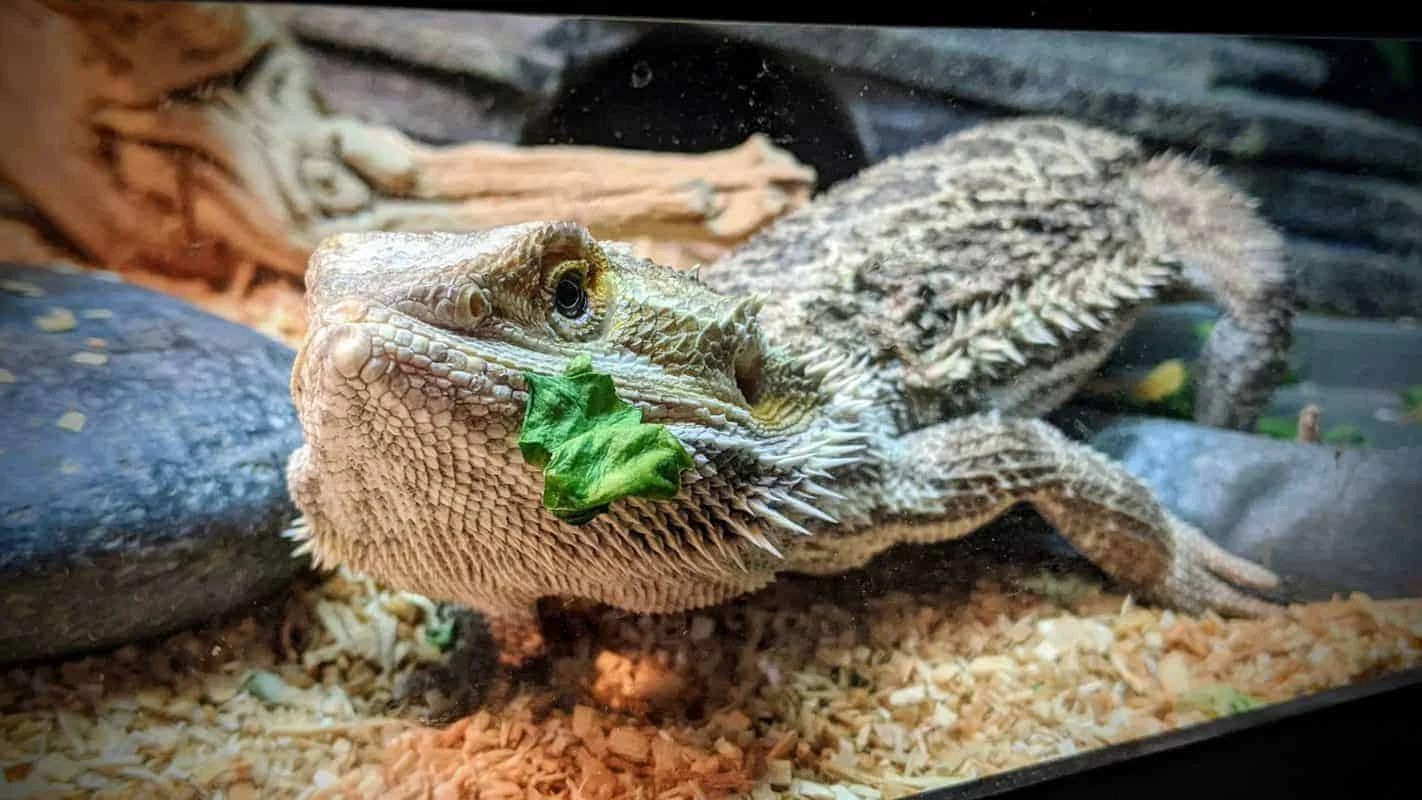
Vegetables and leafy greens are crucial for providing vitamins, minerals, and fiber. Offer a variety of greens daily. Good choices include collard greens, mustard greens, turnip greens, and dandelion greens. Avoid iceberg lettuce, as it has little nutritional value. You can also include other vegetables like squash, carrots, and bell peppers, finely chopped or grated. The vegetables should be thoroughly washed and chopped into small pieces to prevent choking. Aim for a ratio of about 80% vegetables to 20% insects for adult dragons. This helps to maintain a healthy weight and provides essential nutrients that insects alone cannot provide. This ensures a balanced diet and promotes long-term health. The fiber in vegetables is also essential for proper digestion.
Fruits and Occasional Treats
Fruits can be offered as occasional treats, but should not make up a large portion of your dragon’s diet due to their high sugar content. Safe fruits include berries, melon, and small amounts of apple or pear. Always remove any seeds before offering fruit. Fruits should be offered in small portions, a few times a week at most. Overfeeding fruit can lead to digestive issues and weight gain. Treats should be considered supplemental and should never replace essential foods. Some owners also offer small amounts of cooked lean meat as a treat. Always monitor your dragon’s weight and overall health when introducing new foods. Treats can be a good way to bond with your dragon, but moderation is vital.
Creating a Consistent Feeding Schedule
Consistency is key to a healthy bearded dragon. Establishing a regular feeding schedule helps regulate their metabolism and ensures they receive the nutrients they need. Busy owners often find that a structured routine simplifies the process. The feeding schedule will also vary depending on the age of your bearded dragon. Baby dragons require more frequent feedings than adults. The best approach is to find a routine that works for both you and your dragon, keeping in mind their natural feeding behaviors and daily cycles. Remember, a consistent schedule minimizes stress for your pet and makes it easier for you to manage their care. The right feeding schedule allows for a happy and healthy dragon.

Morning Feeding Routine
For busy owners, the morning feeding routine should be efficient. Start by offering fresh water and checking the temperature and humidity levels in the enclosure. Provide a fresh portion of vegetables and greens. If your dragon is a juvenile, offer insects first thing in the morning, as they need the most protein during the day. For adults, insects can be offered in the morning or afternoon. Make sure to remove any uneaten food after a set time to prevent spoilage. This routine sets the stage for a healthy day, ensuring your dragon gets the essential nutrients it needs to thrive. This will also keep the enclosure clean and hygienic.
Evening Feeding Routine
The evening routine is equally important. It’s a good time to offer any remaining insects or a smaller portion of vegetables. Observe your dragon’s behavior to see if they are hungry or have consumed enough food. Make sure to remove any uneaten insects or food before you go to bed. Regularly check the water bowl and refill it if necessary. The evening routine should be a wind-down period, allowing your dragon to rest and digest their food before the lights are turned off for the night. Consistent evening routines help to build a predictable pattern for your dragon, reducing stress. Proper evening routines help in the digestion process and make sure your dragon remains healthy.
Meal Prep for Convenience

Meal prepping can be a lifesaver for busy owners. Preparing your bearded dragon’s food in advance can save you time and ensure your dragon always has a nutritious meal. Planning ahead is crucial to keeping your pet happy and well-fed. This strategy allows you to maintain a consistent schedule, even on hectic days. Meal prep also reduces the likelihood of making rushed decisions about your dragon’s diet, ensuring you’re always making the healthiest choices. Take a few hours on the weekend to chop vegetables, prepare insects, and portion out meals for the week.

Pre-Portioning Meals

Pre-portioning meals is one of the easiest meal prep techniques. Measure out the required amount of insects and vegetables into individual containers or bags. This allows you to quickly grab and serve the food during feeding times. You can store pre-portioned insects in the refrigerator or freezer, depending on the type of insect. Pre-chopping vegetables is also a great time-saver. Store them in airtight containers in the refrigerator. Make sure to label each container with the contents and the date to ensure freshness. With pre-portioned meals, providing a balanced diet becomes a breeze. This method keeps your bearded dragon healthy.

Storing Food Safely

Proper food storage is crucial for preventing spoilage and maintaining the nutritional value of your bearded dragon’s food. Store insects in a well-ventilated container with appropriate food and bedding. Keep vegetables in airtight containers in the refrigerator to maintain their freshness. Avoid storing food near cleaning products or other chemicals. Regularly inspect your stored food for any signs of spoilage, such as mold or a foul odor. Using the correct storage methods keeps your dragon’s food safe and provides a longer shelf life, which reduces waste. Proper storage ensures your dragon receives the maximum nutritional benefit from their food. Keep the food area clean to prevent any bacteria and make sure it is hygienic.
Automated Feeding Solutions
For busy owners, automated feeding solutions can be incredibly helpful. These solutions can help you maintain a consistent feeding schedule, even when you’re away from home. These solutions offer convenience and ensure your bearded dragon is fed regularly. Remember to always monitor your dragon’s behavior and weight, even when using automated systems. This will also provide the right portion sizes for your pet. Make sure to choose equipment that suits your dragon’s needs, and carefully monitor its performance.
Using Timers for Lighting and Feeding
Timers are a simple yet effective way to automate aspects of your bearded dragon’s care. Use timers to control the lights in their enclosure, ensuring they have a consistent day/night cycle. You can also use timers to control the operation of heat lamps, maintaining the proper temperature gradient. While timers can’t directly feed your dragon, they can be used in conjunction with other automated systems to create a more complete solution. Make sure your dragon is not exposed to constant light and heat and that they also get sufficient rest. This is vital for their health and well-being. Consistent lighting is important to regulate their internal clocks.
Automatic Feeders
Automatic feeders are specifically designed to dispense food at set times. These feeders can be particularly useful for feeding insects, though some models can also handle dry foods and greens. Choose an automatic feeder that is reliable, easy to clean, and suitable for the type of food you intend to use. Ensure that the feeder dispenses the correct portion sizes to prevent overfeeding or underfeeding. Regular maintenance of the feeder is essential to ensure its continued functionality. Consider the size of the feeder in relation to your dragon’s needs and how long you plan to be away. Automatic feeders can be a great option.
Troubleshooting Common Feeding Problems
Even with the best planning, you may encounter feeding problems. Addressing these problems promptly is key to maintaining your bearded dragon’s health. Several factors can cause these issues. A good owner is prepared to address these, but don’t hesitate to consult with a veterinarian if you are concerned. Monitoring your bearded dragon for changes in appetite or behavior can alert you to a potential problem before it becomes serious. Early detection makes it easier to solve and prevent the issue from progressing.
Bearded Dragon Refusal to Eat
Bearded dragons may refuse to eat for several reasons. Stress, illness, or changes in their environment can cause a loss of appetite. Make sure the temperature and humidity levels in the enclosure are correct. Check for any signs of illness, such as lethargy, diarrhea, or unusual behavior. Try offering different types of food to see if they are more appealing. If the refusal persists, consult with a veterinarian to rule out any underlying health issues. It’s very important to act quickly, since a lack of food can impact your dragon’s health. A vet can provide specific solutions to your pet’s issue and ensure that their health is not negatively affected.
Adjusting the Diet for Growth and Age

As bearded dragons grow and age, their dietary needs change. Juvenile dragons require a diet rich in protein and calcium to support their rapid growth. Offer insects multiple times a day and supplement their diet with calcium and vitamin D3. Adult dragons need a diet with more vegetables and greens. Reduce the frequency of insect feedings and provide a balanced mix of vegetables. Senior dragons may require softer foods and adjustments to their feeding schedule. Make sure that you adjust their diet as they develop. A varied diet is very important as your dragon ages. If you have any questions about your dragon’s needs, seek help from an expert.
Hydration and Water Sources
Adequate hydration is essential for a bearded dragon’s health and well-being. They require a constant supply of fresh, clean water to stay hydrated. Proper hydration aids in digestion, helps regulate body temperature, and supports overall health. It is very important to make sure that your pet has access to water at all times. This ensures your dragon remains hydrated. Water sources must be properly maintained to make sure they remain safe. Hydration is something that you must always be aware of to make sure your pet thrives.
Maintaining Proper Hydration
Ensure your bearded dragon has access to fresh water at all times. Provide a shallow water dish that is easily accessible and cannot be tipped over. Change the water daily to keep it clean and prevent bacterial growth. You can also mist your dragon with water a few times a week, especially during shedding. Monitor your dragon for signs of dehydration, such as sunken eyes or wrinkled skin, and adjust your hydration methods as necessary. Provide plenty of fresh water every day and make sure they have plenty of water sources. Also make sure that their enclosure has the correct humidity levels. You should always make hydration a high priority.
The Importance of Fresh Water
Fresh water is vital for a bearded dragon’s health and helps in various bodily functions. Contaminated water can lead to illness and other health complications. Choose a water dish that is easy to clean and safe for your dragon. Clean the water dish daily with warm, soapy water and rinse thoroughly. Avoid using harsh chemicals or soaps, which can be harmful to your dragon. Position the water dish in a place that is easily accessible to your dragon but doesn’t get too hot. Make sure to offer water at all times. This is a simple, but essential aspect of their care. Make sure that your dragon remains hydrated at all times.
Conclusion
Providing a healthy and consistent feeding routine is fundamental to the well-being of your bearded dragon, even for busy owners. By understanding their dietary needs, preparing meals in advance, and utilizing automated solutions, you can ensure your dragon receives the proper nutrition. Remember to monitor their health, adjust their diet as they grow, and provide fresh water. With proper care, you can enjoy the companionship of a happy and healthy bearded dragon. Consistently following these tips makes all the difference. Your bearded dragon’s well-being depends on your dedication. By investing time and care, you will create a fulfilling relationship with your pet.