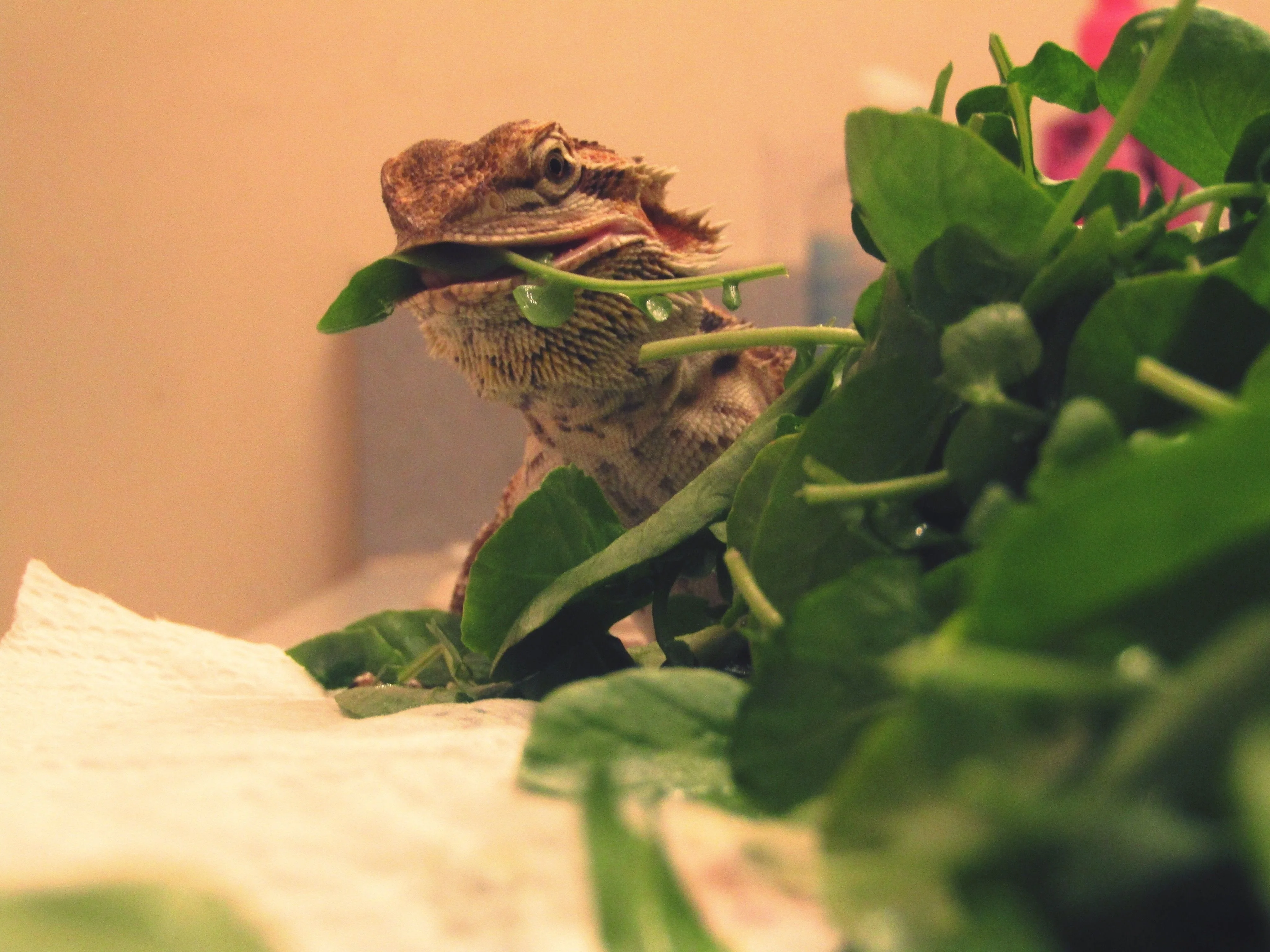
Understanding Bearded Dragon Feeding Needs
Bearded dragons are fascinating reptiles, and providing the right nutrition is crucial for their health and longevity. These omnivorous creatures require a balanced diet of insects and plant matter to thrive. Understanding their feeding needs involves knowing what they should eat, how much, and how often. They have specific nutritional requirements that differ depending on their age. Young, growing dragons need more protein-rich insects, while adults can have a greater proportion of vegetables in their diet. Proper hydration, via fresh water, is also vital, as they get much of their moisture from food. A well-fed bearded dragon is active, alert, and shows vibrant colors. A deficient diet can lead to various health issues, so focusing on proper feeding techniques is key to your pet’s well-being.
Why Is My Bearded Dragon Not Eating?
If your bearded dragon isn’t eating, it can be a cause for concern. Several factors can contribute to a loss of appetite, ranging from environmental issues to underlying health problems. It’s crucial to identify the root cause to address the issue effectively. Observe your dragon carefully for any other unusual behaviors, such as lethargy, changes in stool, or difficulty breathing. A sudden change in appetite may indicate a stressful event or discomfort. A thorough assessment will help you determine the most appropriate course of action. Contacting a vet is always a good option if the issue lasts for more than a day or two.
Common Causes of Appetite Loss
There are numerous reasons a bearded dragon may refuse food. Parasites can cause a loss of appetite as they drain the dragon of nutrients. Impaction, where a dragon’s digestive system becomes blocked, can also cause discomfort. Metabolic Bone Disease (MBD), often caused by a lack of calcium or improper lighting, can affect appetite, and many other health problems. Stress, such as a move or change in environment, may also cause a dragon to temporarily refuse food. Improper temperatures can reduce appetite, as can the presence of other pets or loud noises. A close examination of your dragon’s environment and behavior can help pinpoint the cause.
Stress and Environmental Factors
Bearded dragons are sensitive to environmental changes and stress. A new habitat, the presence of loud noises, or other pets can cause stress and lead to appetite loss. Temperature fluctuations, especially if the basking spot is not warm enough, may also deter eating. Ensure the enclosure is set up correctly with the appropriate temperature gradient and lighting. Make sure the enclosure is in a quiet area where it feels safe. Check the UVB lighting, because if it is old, then it might not provide adequate lighting for the dragon to be able to digest their food. Regularly clean the habitat to keep it sanitary and reduce stress, as a cluttered or dirty environment can make a dragon feel insecure. Providing a sense of security and stability is important.
Health Issues
Health problems are also frequent causes of appetite loss. Respiratory infections can make it difficult for a dragon to breathe and, therefore, eat. Parasites and impaction are other common health problems that can cause a dragon to stop eating. Metabolic Bone Disease can make eating difficult and painful. If you observe lethargy, swelling, or changes in stool, consult a veterinarian promptly. A vet can diagnose underlying health problems through examination, tests, and X-rays, helping you provide appropriate treatment. Early intervention can significantly improve your dragon’s chances of recovery, so it is important to recognize symptoms and act promptly.
Feeding Techniques for Reluctant Eaters
When dealing with a picky eater, various feeding techniques can stimulate appetite and encourage eating. Patience and consistency are key. Don’t give up after one attempt. Some dragons can be stubborn, and it may take time and experimentation to discover what works best. The key is to find out what appeals to your dragon and integrate it into a stable diet. Be sure to avoid overfeeding treats as a substitute, which might make your dragon pickier.
Offer a Variety of Foods

Variety is the spice of life, and this applies to bearded dragon diets as well. Offering a diverse selection of insects and vegetables can make mealtime more exciting and increase the likelihood of your dragon eating. Try different types of insects, such as crickets, mealworms, dubia roaches, and black soldier fly larvae. Similarly, provide a mix of leafy greens, vegetables, and fruits. Not every dragon has the same preferences, so experimenting with various foods can help you identify favorites. This also ensures they get the full spectrum of necessary nutrients. Offer fresh food daily and remove any uneaten portions to maintain hygiene.
Temperature and Lighting
Temperature and lighting are very important factors in a bearded dragon’s willingness to eat. They need a warm basking spot, typically around 95-110°F (35-43°C), to digest their food properly. The cool side of the enclosure should be around 75-85°F (24-29°C). Ensure proper UVB lighting is provided as this helps them metabolize calcium and digest food. Without proper UVB lighting, dragons can experience reduced appetite. The correct temperature and lighting create an environment that is both comfortable and conducive to eating, making them more likely to consume their meals.


Hand-Feeding Techniques
If your dragon is a persistent reluctant eater, hand-feeding can be an effective way to ensure they receive the necessary nutrition. This is especially useful for young or ill dragons. Gently hold the insect or food item near the dragon’s mouth. If they are reluctant, you can gently open their mouth and place the food inside. It’s important to be patient and gentle, and avoid forcing food if they resist. You can also use a syringe to feed them a slurry of blended vegetables or insects mixed with water. Regular hand-feeding can establish trust and strengthen the bond with your dragon, and it is also a way to make sure they get their daily dose of vitamins and supplements.
Creating a Feeding Schedule

Establishing a regular feeding schedule can regulate your dragon’s eating habits. Young dragons should be fed more frequently, around 2-3 times a day, while adults can eat once a day or every other day. Feed insects in the morning, when they are most active. Offer vegetables throughout the day. Consistency is critical; stick to the schedule as closely as possible. This helps regulate their appetite and establishes a routine. Over time, a consistent feeding schedule can encourage better eating habits, and help ensure your dragon receives the necessary nutrition.
Supplements and Vitamins
Supplements and vitamins are critical to the bearded dragon’s health and well-being. Dust insects and vegetables with a calcium and vitamin D3 supplement. This is particularly important for young dragons and those that are not getting enough UVB exposure. A multivitamin supplement can also be added a couple of times a week to ensure they are getting the full range of vitamins and minerals. However, always follow the instructions on the supplements. Proper supplementation ensures that they are getting all the necessary nutrients, which is essential for a healthy appetite and overall health.
Monitoring and Observation
Monitoring your bearded dragon’s eating habits and observing their overall behavior is crucial for their health. Pay close attention to how much they eat, the types of foods they prefer, and any changes in their appetite. Daily observation helps identify any potential problems early on. Notice changes in their stool, activity level, and overall appearance. Regular weighing can help track any weight loss. Any changes or unusual behavior should be investigated. By staying vigilant, you can address any issues before they escalate, ensuring your dragon’s health and longevity. Keeping detailed records of their feeding habits can also be helpful.
Long-Term Solutions and Next Steps
Addressing a bearded dragon’s reluctance to eat can be a long-term effort. Continue experimenting with different foods, ensuring proper temperature and lighting, and maintaining a consistent feeding schedule. Consider environmental enrichment, such as new toys or changes to the habitat, to stimulate their interest. Make sure their enclosure is large enough, and that you provide opportunities for them to bask, dig, and hide. If the problem persists, consider changing the type of lighting. Contact your veterinarian to rule out underlying health issues, and seek professional advice to create a sustainable long-term plan to optimize your dragon’s health and well-being.
Consulting a Veterinarian

If your bearded dragon’s appetite loss persists despite your best efforts, consulting a veterinarian is essential. A vet can conduct a thorough examination, run tests, and diagnose underlying health problems. They can also provide tailored advice on feeding and care. A veterinarian can help identify the root cause, which may include parasites, infections, or other issues that require professional treatment. They may recommend medications, dietary changes, or other interventions to restore your dragon’s health. A vet is an invaluable resource, and seeking professional advice is a proactive way to ensure your dragon’s well-being, especially if you are concerned about their health. Always contact a vet for health concerns.
