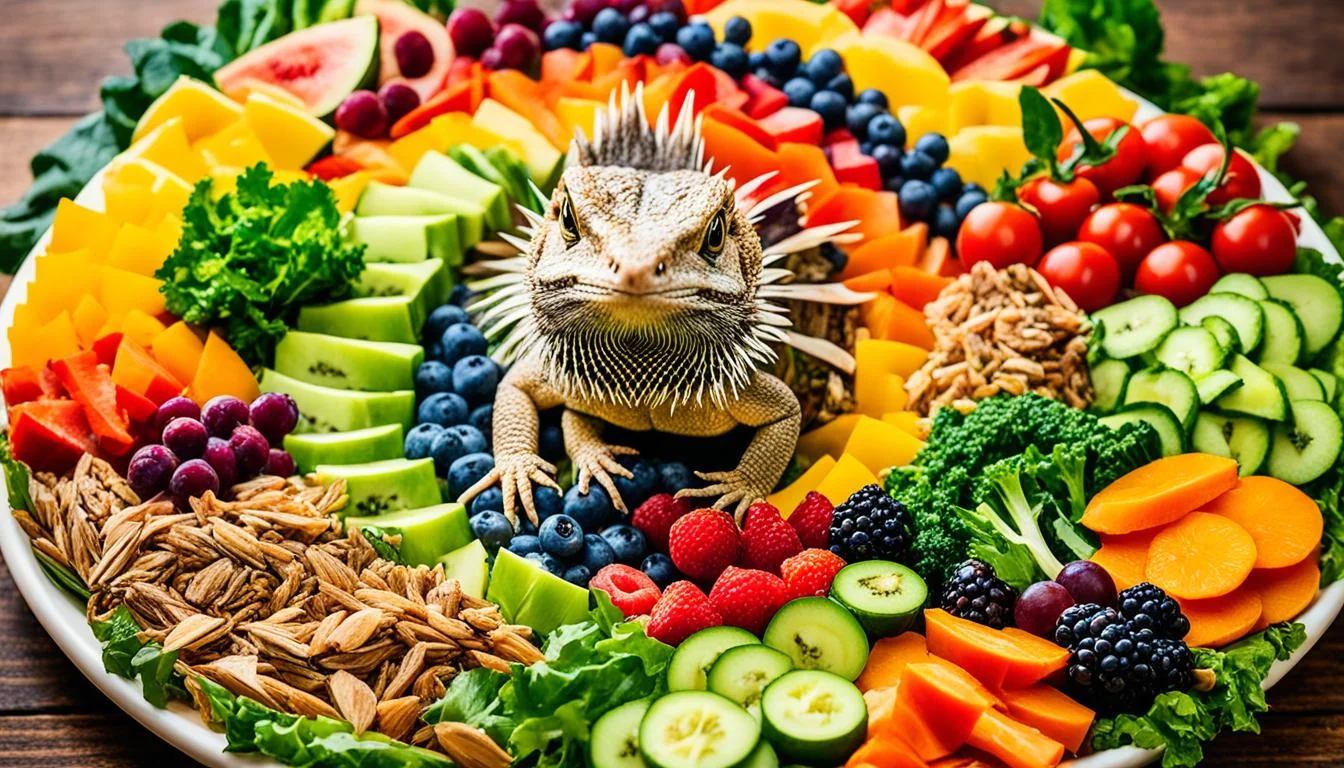
Understanding Bearded Dragon Dietary Needs
Bearded dragons, fascinating reptiles, thrive on a diet that closely mimics what they would consume in their natural habitat. Their dietary needs change as they grow, transitioning from a primarily insect-based diet to a more balanced mix of insects and plant matter. Understanding these needs is the first step in ensuring your bearded dragon lives a long, healthy, and vibrant life. This guide provides a comprehensive overview of the various feeding methods for a varied diet, ensuring your pet receives the necessary nutrients.
The Importance of a Varied Diet
A varied diet is crucial for a bearded dragon’s overall health and well-being. A diet consisting of a single type of food, whether it be insects or vegetables, can lead to nutritional deficiencies and health problems. A diverse diet provides a wide range of vitamins, minerals, and other essential nutrients. This variety ensures that your bearded dragon receives all the necessary building blocks for strong bones, healthy skin, and a robust immune system. A varied diet also helps prevent boredom, keeping your pet stimulated and engaged.
By rotating different food options, you can ensure your bearded dragon is not only getting the right nutrients, but also developing a taste for a variety of flavors and textures. This is particularly important as they grow older and might become picky eaters. A varied diet supports optimal digestion and nutrient absorption, which in turn contribute to higher energy levels and a generally happier pet.
Nutritional Benefits of Different Food Types

Different food types offer distinct nutritional benefits. Insects are an excellent source of protein, essential for muscle development and growth. Vegetables and greens provide vital vitamins and minerals, contributing to overall health and immune function. Fruits, while a smaller part of the diet, offer additional vitamins and can add variety to the diet. A balanced approach is the key to a healthy bearded dragon, where each food group contributes its unique benefits.
Live Insects
Insects form the foundation of a young bearded dragon’s diet and remain an important part of an adult’s. They are packed with protein, crucial for growth, and provide essential amino acids. The right insects are not only nutritious but also stimulate natural hunting behaviors, providing mental enrichment. Choosing the right insects and properly preparing them is very important for the health of your pet. A variety of live insects should be used to ensure your bearded dragon is receiving a wide range of nutrients. Ensure insects are appropriately sized for your dragon and are always live.
Types of Live Insects
Several types of insects are suitable for bearded dragons. Crickets are a popular choice, readily available and relatively easy to care for. Dubia roaches are another excellent option, known for their high protein content and ease of breeding. Mealworms and superworms can also be offered, but these should be given in moderation due to their higher fat content. Waxworms should be considered treats only due to their high fat and low nutritional value. Always source insects from a reputable supplier.
How to Select and Prepare Insects

When selecting insects, prioritize quality and nutritional value. Choose insects that are lively and free from pesticides or parasites. Before feeding, it’s important to gut-load the insects. This involves feeding the insects a nutritious diet of fresh vegetables and commercial insect food. This process enhances the nutritional value of the insects, transferring these nutrients to your bearded dragon. Dust insects with calcium and vitamin supplements before feeding, to further boost nutritional value.
Vegetables and Greens
Vegetables and greens are an essential part of an adult bearded dragon’s diet, providing essential vitamins, minerals, and fiber. They contribute to healthy digestion and overall well-being. Offer a variety of leafy greens, such as collard greens, mustard greens, and turnip greens. Avoid iceberg lettuce, as it has minimal nutritional value. Offer a mix of different vegetables to maximize nutritional intake.
Best Vegetables for Bearded Dragons
Several vegetables are excellent choices for bearded dragons. Collard greens are one of the best choices. Other good options include mustard greens, turnip greens, dandelion greens, and endive. Avoid spinach, as it can bind calcium. Offer a variety to ensure a wide range of nutrients. Always wash vegetables thoroughly to remove any pesticides or chemicals. Choose organic options whenever possible.
How to Serve Vegetables
Vegetables should be chopped or shredded into small pieces, making them easy for your bearded dragon to eat. You can offer the vegetables in a shallow dish or sprinkle them over the insects. Some dragons prefer their vegetables mixed with insects. Always ensure the vegetables are fresh and not wilted. Remove any uneaten vegetables after a few hours to prevent spoilage.
Fruits
Fruits should be offered in moderation, as they are higher in sugar and can lead to digestive issues if given too frequently. However, they provide additional vitamins and variety to the diet. Choose fruits that are safe and nutritious for your bearded dragon. It’s best to limit fruit to around 10% of the overall diet.
Safe Fruits for Bearded Dragons
Some safe fruits include berries (blueberries, raspberries, strawberries), melon (cantaloupe, honeydew), and apples (without seeds). Always remove seeds before serving. Offer small, bite-sized pieces. Ensure the fruit is ripe but not overripe. This helps with digestion and prevents potential health problems. Moderation is key when it comes to fruits.


Fruits to Avoid
Avoid fruits that are high in sugar or acidity, such as citrus fruits (oranges, lemons, limes), grapes, and avocado. These can cause digestive upset. Also, avoid any fruits that have potentially toxic parts, such as the seeds of apples. It is very important to be aware of which fruits are safe and unsafe for your bearded dragon to consume. If you are unsure about a specific fruit, it is always best to err on the side of caution and avoid it.
Commercial Food Options
Commercial food options can supplement a varied diet. They provide a convenient way to ensure your bearded dragon is receiving balanced nutrition, but they should not be the sole source of food. When choosing commercial food, select high-quality brands that contain a variety of ingredients. Researching different brands and looking at ingredient lists helps ensure you’re providing the best possible nutrition for your pet. Remember that commercial food should be used as a supplement, not a replacement for a varied diet of insects, vegetables, and fruits.
Types of Commercial Diets
There are various types of commercial diets available, including pellets, crumbles, and formulated insect diets. Pellets and crumbles are a convenient option, but make sure they contain a high percentage of animal protein and a good balance of vitamins and minerals. Formulated insect diets can be used to gut-load insects. These diets typically include a blend of vitamins and minerals specifically tailored to meet the nutritional needs of bearded dragons. Read the labels carefully to understand the ingredients and nutritional content.
Choosing Quality Commercial Food
When selecting commercial food, consider the ingredients and nutritional content. Look for products that contain a high percentage of animal protein, such as insects. Avoid foods with excessive fillers, such as corn or soy. Check the expiration date and ensure the food is stored properly to maintain freshness. Always supplement with fresh insects, vegetables, and fruits for a balanced diet. Research different brands and read reviews to make an informed decision. Consult with a veterinarian or reptile specialist for recommendations.
Supplementation
Supplementation is crucial for bearded dragons, as it helps ensure they receive the necessary vitamins and minerals that may not be fully met by their diet alone. The two most critical supplements are calcium and vitamin D3. These play a vital role in bone health and calcium absorption. Other supplements, such as multivitamins, can provide additional nutritional support.
Calcium and Vitamin D3
Calcium is essential for strong bones and preventing metabolic bone disease (MBD). Vitamin D3 aids in the absorption of calcium. You should dust insects and vegetables with a calcium powder that includes vitamin D3. The frequency of supplementation depends on the age of the dragon and the amount of UVB exposure they receive. Consult with a veterinarian to determine the correct dosage.
Other Important Supplements
A multivitamin can provide a range of essential vitamins and minerals. However, be cautious not to over-supplement. Excessive supplementation can be harmful. Consider using a multivitamin specifically formulated for reptiles. Follow the manufacturer’s instructions carefully. Observe your bearded dragon for any signs of deficiency or over-supplementation, such as changes in appetite or behavior. Regular veterinary check-ups can help identify any nutritional deficiencies.
Feeding Schedule and Methods
The feeding schedule and methods vary depending on the age of your bearded dragon. Young dragons need more frequent feedings, while adults eat less often. Proper feeding techniques ensure your pet receives the right amount of food without overeating. Portion control is an essential aspect of maintaining a healthy weight and preventing obesity. A consistent feeding routine and appropriate techniques are crucial for the health and well-being of your bearded dragon.
Feeding Schedule by Age
Baby bearded dragons (under 3 months old) require feeding multiple times a day, usually 2-3 times, with a diet primarily consisting of insects. Juveniles (3-12 months) should be fed once or twice a day. Adults (over 12 months) can be fed once a day or every other day. As the dragon grows older, the proportion of vegetables and greens should increase, while the number of insects decreases. Always monitor your dragon’s weight and adjust the feeding schedule accordingly.

Feeding Techniques

There are several feeding techniques you can use. You can hand-feed insects to encourage bonding, or you can place insects in a shallow dish or bowl. You can also place the insects in a feeding dish within the terrarium. For vegetables and greens, offer them in a separate dish. Always make sure the food is easily accessible. Be patient and observe your dragon’s eating habits. If your dragon is not eating, consult with a veterinarian or reptile specialist.
Portion Control
Portion control is crucial for preventing obesity and promoting a healthy weight. Young bearded dragons can typically eat as many insects as they can consume in a 5-10 minute period. For adults, offer a measured amount of insects and vegetables each feeding. Monitor your dragon’s body condition. They should have a slight curve to their body, not be too thin, or overweight. Adjust the portion size as needed, paying attention to your dragon’s overall health and activity level. Regularly weigh your dragon and consult with a veterinarian if you have concerns about their weight.
Hydration
Hydration is essential for bearded dragons. They need access to fresh, clean water at all times. Dehydration can lead to serious health problems. Monitoring your dragon’s water intake, and knowing the signs of dehydration, is very important in their care. Make sure to provide fresh water daily.
Water Source and Availability
Provide fresh, clean water in a shallow dish. The dish should be easily accessible and placed in a secure location within the enclosure. Change the water daily to prevent bacteria growth. Consider using a water bowl with a ramp, particularly for young dragons. Some dragons may not drink from a bowl and prefer to drink from dripping water. Monitor the water level daily to make sure your dragon has an adequate supply of fresh water. Ensure the water source is clean and free from contaminants.
Signs of Dehydration
Recognizing the signs of dehydration is very important. Signs include sunken eyes, wrinkled skin, lethargy, and loss of appetite. If you suspect your bearded dragon is dehydrated, offer water immediately. You can gently mist the dragon’s enclosure to increase humidity. If the signs persist or worsen, consult with a veterinarian immediately. Dehydration is a serious condition that can quickly become life-threatening.

Common Feeding Mistakes to Avoid
Avoiding common feeding mistakes ensures your bearded dragon stays healthy and happy. Overfeeding, feeding the wrong foods, and improper gut-loading of insects are all potential issues. Correcting these mistakes will help prevent health complications and keep your dragon thriving. Being informed about these potential pitfalls is a crucial part of being a responsible owner.
Overfeeding
Overfeeding can lead to obesity and health problems. Pay attention to your dragon’s body condition and adjust feeding amounts accordingly. Offer the appropriate amount of food for their age and activity level. Monitor the dragon’s weight regularly. Avoid feeding too many treats or high-fat foods. If you notice your dragon is gaining too much weight, reduce the portion sizes and offer more vegetables and greens.
Feeding the Wrong Foods
Some foods are toxic or lack nutritional value for bearded dragons. Avoid feeding your dragon foods that are high in oxalates, such as spinach, which can interfere with calcium absorption. Citrus fruits and avocados should also be avoided, as they can cause digestive issues. Research the foods that are safe and unsafe for your bearded dragon before feeding. If you are unsure about a particular food, it is always best to consult with a veterinarian or reptile specialist.
Improper Gut-Loading of Insects
Proper gut-loading is essential for providing your bearded dragon with adequate nutrients. Feed the insects a nutritious diet, such as fresh vegetables and commercial insect food. Avoid feeding the insects only commercial insect food. Gut-load the insects for at least 24 hours before feeding them to your dragon. This process increases the nutritional value of the insects. Using a high-quality gut-loading diet ensures the insects are packed with vitamins and minerals.
Creating a Safe Feeding Environment
Creating a safe feeding environment ensures your bearded dragon can eat in a comfortable and secure space. This includes proper tank setup, hygiene, and cleaning practices. By paying attention to these details, you can minimize health risks and maximize your dragon’s enjoyment of meal times.
Tank Setup and Feeding
The tank setup should be designed to support your bearded dragon’s eating habits. Place food and water bowls in easily accessible locations. Provide a basking spot to aid digestion. Ensure the tank is adequately ventilated. Maintain the appropriate temperature and humidity levels. A well-designed tank encourages healthy eating habits and contributes to the overall well-being of your pet. Offer different levels and structures in the tank to allow your bearded dragon to explore and hunt for food.
Cleaning and Hygiene
Maintaining a clean environment is essential for your bearded dragon’s health. Clean the tank regularly, removing uneaten food and fecal matter. Disinfect the tank and all accessories regularly. Use reptile-safe cleaners. Always wash your hands before and after handling your bearded dragon and its food. Maintaining good hygiene minimizes the risk of bacterial infections and parasites. Create a consistent cleaning schedule and stick to it for optimal results.
Conclusion
Feeding your bearded dragon a varied diet is vital for their health and longevity. By understanding their nutritional needs, providing a balanced diet of insects, vegetables, and fruits, and practicing safe feeding techniques, you can ensure your pet thrives. Remember to always provide fresh water, monitor their weight and health, and consult with a veterinarian if you have any concerns. Proper nutrition is the cornerstone of a happy and healthy bearded dragon.