Top 10 Bearded Dragon Feeding Facts
Feeding your bearded dragon properly is crucial for its health and longevity. These fascinating reptiles have specific dietary needs that change as they grow. A well-balanced diet ensures they receive all the necessary nutrients to thrive. From the best insects to the most nutritious greens, understanding the ins and outs of bearded dragon feeding is essential for any owner. This guide breaks down the key facts to help you create the perfect feeding plan for your scaly friend. Get ready to learn the top 10 feeding facts you need to know to keep your bearded dragon happy and healthy.
Feeding Schedule for Baby Bearded Dragons
Baby bearded dragons, those under three months old, require frequent feedings. Their rapid growth demands a high intake of protein. You should aim to feed them multiple times a day, typically two to three times. The amount of food they consume will depend on their size, but it’s important to provide them with enough to eat in a 10-15 minute window. Always remove any uneaten food to maintain a clean environment. This feeding schedule ensures they get the energy they need to grow into strong, healthy adults. Remember, consistency is key during this critical stage of development for your baby bearded dragon.
What to Feed Baby Bearded Dragons
The diet of a baby bearded dragon should primarily consist of insects. These provide the necessary protein for growth. The insects should be appropriately sized, no larger than the space between the dragon’s eyes. Gut-loading insects (feeding them nutritious food before offering them to the dragon) is also important to maximize nutritional value. In addition to insects, offer finely chopped greens and vegetables. A diverse diet during this phase will establish healthy eating habits for life, setting them up for success later on. A well-rounded diet is the cornerstone of a healthy baby bearded dragon.
Essential Insects for Baby Dragons


Several insects are excellent choices for baby bearded dragons. Crickets and dubia roaches are staple foods because they are easily accessible and provide high levels of protein. Mealworms and superworms can be offered sparingly, as they have a higher fat content. Other great options include black soldier fly larvae, which are high in calcium. Varying the insects ensures a wide range of nutrients and prevents your dragon from becoming a picky eater. Always consider the nutritional profile of the insects, favoring those with higher calcium-to-phosphorus ratios to promote healthy bone development.
Vegetable and Fruit Options for Babies
While insects form the bulk of a baby bearded dragon’s diet, greens and vegetables are also important. Finely chopped leafy greens like collard greens, mustard greens, and dandelion greens are excellent choices. Avoid iceberg lettuce, as it offers little nutritional value. Small amounts of fruits such as berries can be offered, but should be limited due to their higher sugar content. Make sure to wash all vegetables and fruits thoroughly before serving. Introducing different vegetables and greens early on helps to develop their taste preferences and prevent them from becoming picky eaters later in life. Offering a variety of plant-based foods ensures your baby dragon receives a broad spectrum of vitamins and minerals.
Feeding Schedule for Juvenile Bearded Dragons
Juvenile bearded dragons (between 3 and 12 months) are still growing rapidly, but their feeding schedule shifts from multiple small meals to fewer, larger ones. They should be fed once or twice a day. During this stage, the proportion of insects to greens changes as well. It’s a transition period where a balance between protein and plant matter is crucial. Ensure that fresh water is always available and readily accessible, especially if feeding them dry insects. This stage requires a careful balance to support their continued growth and development. This is the perfect time to adjust the portions to prevent both deficiencies and overeating.
Protein and Greens for Juveniles


Juvenile bearded dragons still need plenty of protein, but the ratio of insects to greens should gradually shift. Insects should make up about 60-70% of their diet, with the rest consisting of a mix of fresh greens and vegetables. Continue to offer a variety of insects, focusing on nutritious options like dubia roaches, crickets, and black soldier fly larvae. Leafy greens, such as collard greens, turnip greens, and kale, should be readily available. You may also include small amounts of fruits, but continue to limit sugar intake. Provide a wide range of greens to make sure that your juvenile dragon gets the best nutrients.
Supplementation Needs for Juveniles

Supplementation is vital during the juvenile stage. Dust insects with a calcium and vitamin D3 supplement before each feeding. This helps prevent metabolic bone disease, which is common in growing reptiles. A multivitamin supplement should be used 2-3 times per week to ensure a complete nutritional profile. Be careful not to over-supplement, as too much of certain vitamins can be harmful. Make sure to follow the instructions on the supplement packaging. Monitoring your juvenile bearded dragon and adjusting the supplemental plan is crucial for their health.
Feeding Schedule for Adult Bearded Dragons
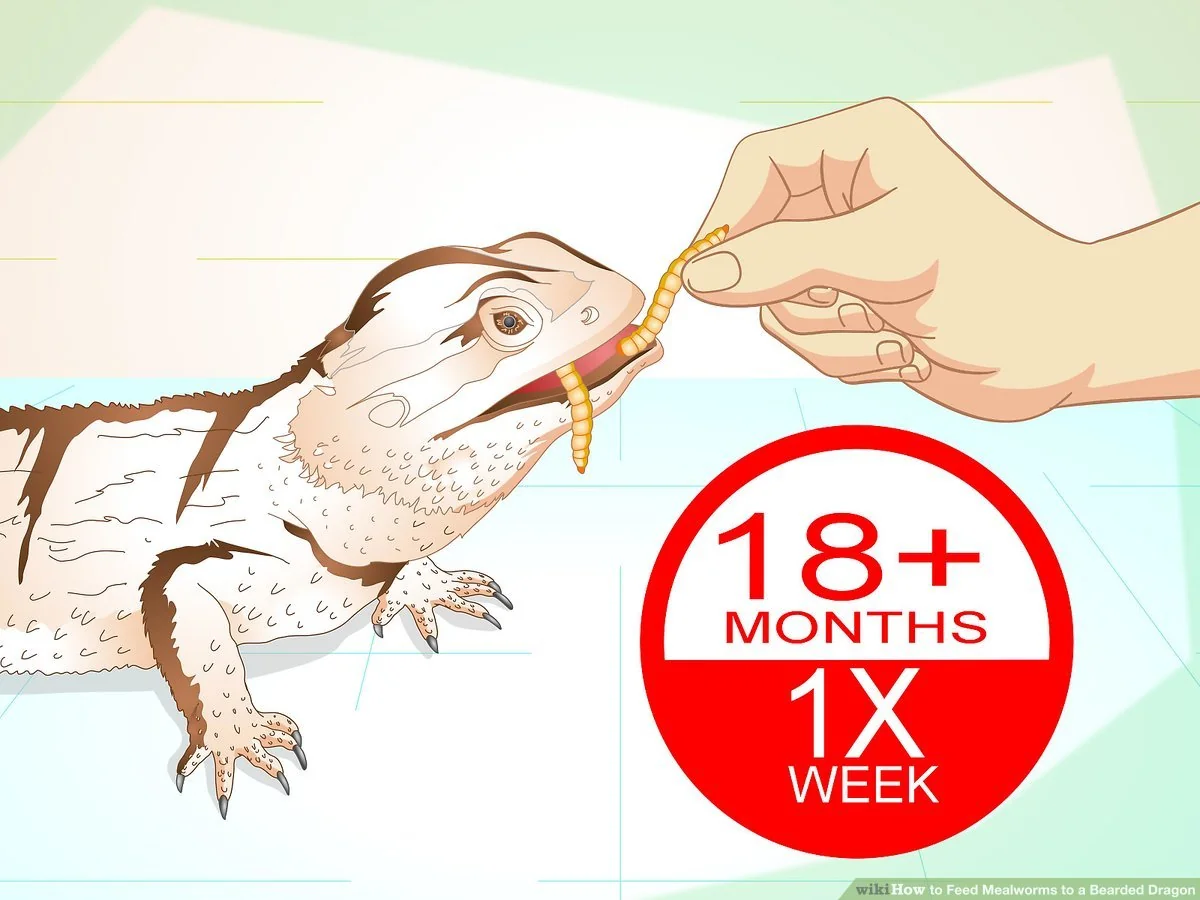
Adult bearded dragons (over 12-18 months) require a significant change in their diet. Their growth has slowed down, so the focus shifts to maintaining a healthy weight and providing essential nutrients. Feed them once a day or every other day. The diet should shift toward a greater proportion of vegetables and greens than insects. Regular feeding is critical, so stick to the right feeding schedule to help your dragon stay healthy and fit. Make sure to feed with the right portion size to avoid overfeeding. The goal is to maintain a healthy weight and prevent obesity.

The Adult Bearded Dragon’s Diet
An adult bearded dragon’s diet should be approximately 80% vegetables and greens and 20% insects. Offer a wide variety of leafy greens like collard greens, mustard greens, and dandelion greens. Add vegetables such as squash, bell peppers, and carrots. Insects should be offered a few times a week, such as dubia roaches or crickets. Fruits can be given sparingly as treats. A varied diet will ensure that your dragon gets the right nutrients it needs. Focus on a balance of high-quality vegetables and insects to help your dragon thrive.

Maintaining a Healthy Weight for Adults
Obesity is a common problem in adult bearded dragons. Monitor your dragon’s weight and body condition regularly. Adjust the amount of food offered based on its weight and activity level. Avoid overfeeding, and ensure that the dragon gets enough exercise. Provide a spacious enclosure with climbing opportunities. If your dragon is gaining too much weight, decrease the amount of food, particularly insects, and increase the proportion of greens in the diet. Consult with a veterinarian if you are concerned about your dragon’s weight or health.
Foods to Avoid at All Stages
Some foods are toxic or can cause health problems for bearded dragons. Avoid feeding them avocado, which is toxic. Spinach and rhubarb can interfere with calcium absorption. Iceberg lettuce offers little nutritional value. Citrus fruits are high in acid and should be avoided. Processed foods and human food are generally not suitable. Always research the safety of any food before offering it to your dragon. A well-informed diet is the best way to ensure that your bearded dragon stays healthy and thrives.
- Avocado
- Spinach and rhubarb
- Iceberg lettuce
- Citrus fruits
- Processed and human foods
Following these guidelines will help you create a healthy and balanced diet for your bearded dragon, regardless of its age. Remember that consistency and variety are key to a long and happy life for your reptile friend.