Understanding Bearded Dragon Nutritional Needs
Providing your bearded dragon with a well-balanced diet is crucial for their overall health, growth, and longevity. Just like humans, bearded dragons require a specific combination of nutrients to thrive. Understanding these needs is the first step in creating a feeding plan that ensures your reptile friend gets everything they need. A healthy diet will lead to vibrant colors, active behavior, and a strong immune system. Neglecting their nutritional requirements can result in various health issues, including metabolic bone disease, vitamin deficiencies, and stunted growth. This guide will help you navigate the complexities of bearded dragon nutrition, ensuring you provide the best possible care.
The Importance of a Balanced Diet
A balanced diet is the cornerstone of a healthy bearded dragon. This means providing a variety of foods that offer a range of nutrients, including protein, fiber, vitamins, and minerals. A diet that consists of only one type of food is highly detrimental. A balanced diet will ensure they have everything they need to thrive. This is important to help them grow, and avoid illness. Variety is essential for preventing nutritional deficiencies and ensuring your dragon’s long-term health. Regular changes in food types and consistency of food types is good practice.
Essential Nutrients for Bearded Dragons
Bearded dragons, being omnivores, require a combination of macronutrients and micronutrients. Understanding the role each plays is vital for proper feeding. The ratio and specific types of these nutrients impact their overall health.
Protein
Protein is crucial for growth, muscle development, and tissue repair. Young, growing bearded dragons require a higher protein intake than adults. High-quality protein sources include insects like crickets, mealworms, and dubia roaches. It’s important to vary the insects to prevent boredom and ensure a complete amino acid profile. Supplementing the diet with high-protein vegetables can also be beneficial. Insufficient protein can lead to stunted growth and weakened immune systems.
Fiber
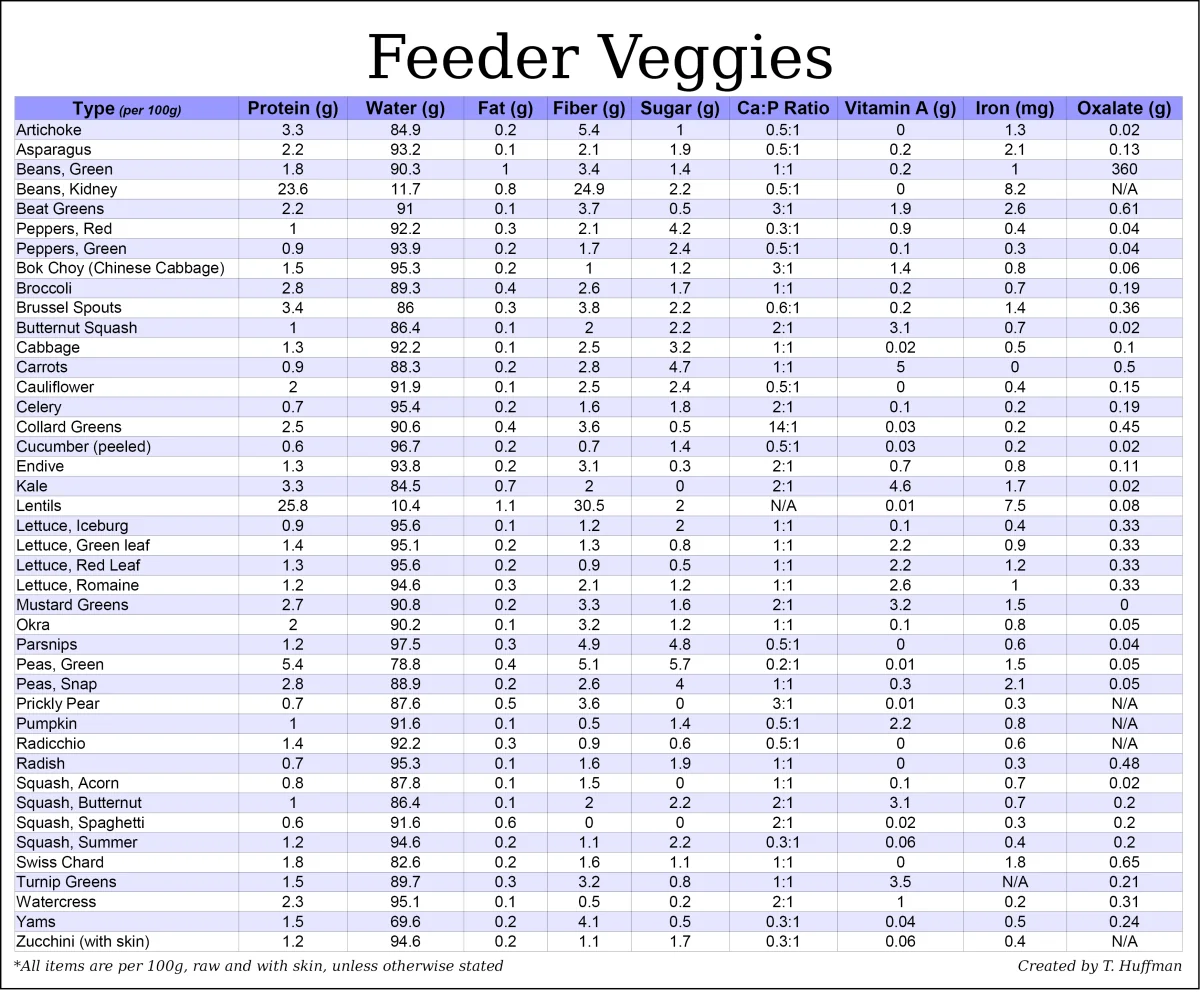
Fiber aids in digestion and promotes gut health. Bearded dragons obtain fiber from vegetables and greens. Providing a variety of fiber-rich options is essential for preventing constipation and ensuring a healthy digestive system. The correct fiber also helps their bodies absorb other nutrients. Choose greens such as collard greens, mustard greens, and dandelion greens, which are excellent sources of fiber. Avoid iceberg lettuce, as it offers little nutritional value.
Vitamins and Minerals
Vitamins and minerals play critical roles in various bodily functions, including bone health, immune function, and metabolism. Calcium and vitamin D3 are especially important for preventing metabolic bone disease. Provide these through supplements and ensuring proper UVB exposure. Other essential vitamins include A, B, and E, which are found in vegetables, insects, and supplements. Without these, you may encounter a lot of health issues with your bearded dragon. A deficiency in any of these can lead to serious health problems.

Creating the Perfect Bearded Dragon Diet
Designing a perfect diet for your bearded dragon involves balancing insects, vegetables, fruits, and supplements to ensure optimal nutrition. The ratio of these food groups changes as the dragon ages. Always consider the age of the dragon to ensure they are getting what they need. The variety and quality of these foods are paramount in providing all essential nutrients. This section will provide specific guidance on how to build the ideal diet to keep your bearded dragon in prime health.
Live Insects the Cornerstone
Live insects are the primary protein source for bearded dragons, especially during their growing phase. These provide essential amino acids and contribute to muscle development. The type of insect you choose significantly impacts your dragon’s nutrition. It’s a great way to stimulate their natural hunting instincts. Offering live insects also enriches their environment.
Best Insects for Bearded Dragons
Several insect varieties are suitable for bearded dragons. Crickets, dubia roaches, mealworms, and black soldier fly larvae are popular choices. Dubia roaches are a great choice because they are high in protein and easy to digest. Make sure to choose insects that are raised on a nutritious diet to ensure they offer maximum nutritional value to your dragon. The nutritional value varies among insects, so offering a variety is key. Avoid insects that are too large, as they can cause impaction. Consider the ratio of calcium to phosphorus when selecting insects, aiming for a higher calcium content. Insects that are well-fed contribute to the overall health of your pet.
How to Feed Insects
Feeding insects can be a fun part of caring for your bearded dragon. Offer insects in a shallow dish or by hand, if your dragon is accustomed to it. Always dust insects with a calcium and vitamin D3 supplement before feeding. The frequency of feeding depends on the age of your dragon. Keep a close eye on your dragon during feeding to ensure they are eating and not struggling. Remove any uneaten insects promptly. Always make sure the insects are well-fed and hydrated before offering them to your bearded dragon to maximize their nutritional value.
Vegetables and Greens

Vegetables and greens are essential components of a bearded dragon’s diet, providing fiber, vitamins, and minerals. They contribute significantly to their overall health and well-being. The right vegetables and greens can help with digestion. Always prioritize fresh, high-quality options. It is important to provide a variety to ensure a well-rounded intake of nutrients.
Top Greens for Bearded Dragons
Choose dark, leafy greens such as collard greens, mustard greens, turnip greens, and dandelion greens as staples. These greens are packed with essential nutrients. You can also include other vegetables like squash, bell peppers, and carrots in moderation. Avoid spinach and broccoli, as they can bind calcium and hinder absorption. Introduce new greens gradually to observe how your dragon responds.


How to Prepare Vegetables
Wash all vegetables thoroughly to remove any pesticides or chemicals. Chop the vegetables into small, bite-sized pieces to make them easier for your dragon to eat and digest. You can offer vegetables in a salad bowl. The size of the pieces depends on the size of your dragon. Ensure the vegetables are fresh and not wilted. Rotate the types of vegetables regularly to provide variety. Consider using a food processor to finely chop greens for younger dragons or those with difficulty chewing.
Fruits and Their Role
Fruits can be offered as occasional treats. They provide vitamins, but they are also high in sugar and should be given in moderation. Too much fruit can lead to weight gain and digestive issues. Focus on providing a balanced diet with appropriate levels of sugars. The best way to manage the sugar intake of your dragon is to give them fruits sparingly. These fruits can offer some vitamins and variety to your bearded dragon’s diet.
Feeding Schedule and Portion Control
Establishing a proper feeding schedule and controlling portion sizes are critical for preventing overfeeding and ensuring that your bearded dragon receives the correct amount of nutrients. The feeding needs of your bearded dragon will change depending on its age. Understanding the correct feeding amounts and when to provide them will help your dragon thrive. This schedule also prevents problems associated with overfeeding.
Feeding Schedule for Babies
Baby bearded dragons require frequent feeding, as they are in a rapid growth phase. Feed them live insects 2-3 times per day. The amount they eat should be what they can consume in 10-15 minutes. Provide a fresh salad of greens daily. Monitor the amount of insects being consumed to avoid overfeeding. Provide constant access to clean water. Consistent hydration will improve your baby bearded dragon’s health.
Feeding Schedule for Adults
Adult bearded dragons require less frequent feedings compared to babies. Feed them live insects once a day or every other day, depending on their activity level and body condition. Offer a salad of greens daily, with a larger portion size than for babies. Monitor your dragon’s weight and adjust the amount of food offered accordingly. Overfeeding can lead to obesity and health complications. Ensure access to clean water at all times.
Portion Control Guide
Portion control is vital for preventing overfeeding. The amount of food to offer varies based on age and activity level. The general rule of thumb is to offer an amount that the dragon can consume within a set time frame. Observe your dragon’s body condition regularly to adjust the amount of food offered. An obese dragon will have fat deposits around the legs and tail base. If your dragon starts to look too plump, reduce the portion sizes and adjust the diet. This is the most effective way to help them maintain a healthy weight. Be mindful of portion sizes to maintain a healthy dragon.
Hydration is Key
Proper hydration is vital for a bearded dragon’s overall health and well-being. Adequate water intake supports digestion, kidney function, and helps regulate body temperature. Dehydration can lead to severe health problems, so it is essential to ensure your bearded dragon always has access to fresh, clean water. The easiest way to provide hydration is to establish a water source and consistently provide it.


Water Sources
Provide a shallow water dish in your bearded dragon’s enclosure. Choose a dish that is easily accessible and cannot be easily tipped over. Change the water daily to keep it clean and prevent bacterial growth. You can also offer water through misting the enclosure, as some dragons enjoy lapping up water droplets. Always make sure the water is fresh and available. The placement of the water should be in a comfortable, accessible area.
Signs of Dehydration
Recognizing the signs of dehydration can help you take immediate action. These signs include sunken eyes, wrinkled skin, and a lack of urates in the feces. A dehydrated dragon may also appear lethargic. If you suspect your dragon is dehydrated, increase the frequency of misting or offer water via syringe. Consult a veterinarian if the dehydration persists. Dehydration can be serious, so quick action is necessary.
Supplementation and Gut Loading
Supplements and gut loading are crucial for ensuring that your bearded dragon receives all the necessary vitamins and minerals that may not be sufficiently present in their regular diet. These practices help to prevent deficiencies. Supplementation and gut loading are two key aspects of providing optimal nutrition for your pet. Supplements help to enhance the nutritional value of the food. This will ensure their continued health.

Essential Supplements
Calcium and vitamin D3 supplements are essential for preventing metabolic bone disease. Dust insects with calcium powder at almost every feeding. Use a multivitamin supplement a few times a week, following the product’s instructions. Avoid over-supplementation, as it can be harmful. Choose high-quality supplements designed for reptiles. Carefully follow the instructions. Improper amounts can result in health problems. Supplementing is crucial to providing a healthy diet.
Gut Loading Insects for Maximum Benefit
Gut loading involves feeding insects a nutritious diet before offering them to your bearded dragon. This enhances the nutritional value of the insects. Feed the insects a diet rich in vitamins, minerals, and fiber for at least 24 hours before feeding them to your dragon. The diet should include fresh vegetables, fruits, and commercial gut-loading products. Gut-loaded insects will pass these nutrients on to your bearded dragon. Choose gut-loading products that contain a variety of essential nutrients. Gut loading is a simple practice that can greatly improve the health of your bearded dragon.
Common Feeding Mistakes to Avoid
Avoiding common feeding mistakes is crucial for the long-term health and well-being of your bearded dragon. These mistakes can lead to health problems. Making mistakes can result in a less healthy and happy pet. Knowing and avoiding common feeding mistakes is essential for providing the best possible care. This section highlights the most frequent errors that can occur.
Overfeeding
Overfeeding is a common mistake that can lead to obesity and health problems. Monitor the amount of food your dragon consumes. Adjust the portion sizes according to age and activity level. Avoid feeding excessive amounts of insects or fruits. Obesity can strain the heart and other organs. Keeping a close eye on their weight is one of the best steps you can take to avoid overfeeding. Be mindful of the portions to keep your dragon healthy.
Inadequate Variety
Providing a limited diet can lead to nutritional deficiencies. Offer a wide variety of insects, vegetables, and fruits. Rotate the types of food regularly to prevent boredom and ensure a balanced intake of nutrients. Sticking to the same foods repeatedly can result in a diet with missing nutrients. A variety of foods can help ensure optimal health and well-being. A varied diet is a happy diet for your dragon.
Improper Gut Loading
Gut loading insects is essential to enhance their nutritional value. Avoid feeding insects a poor diet before offering them to your dragon. Use commercial gut-loading products or provide a diet rich in fresh vegetables and fruits. Properly gut-loaded insects will deliver vital nutrients to your bearded dragon. This greatly improves their overall health. Improper gut loading can result in less nutritious insects, which can make your dragon sick.
In conclusion, providing a complete and balanced diet is critical to ensure your bearded dragon thrives. Understanding their nutritional needs, providing a varied diet of insects, vegetables, and fruits, and practicing proper feeding and hydration techniques are essential steps in caring for your pet. By avoiding common mistakes and consistently providing the right nutrients, you can ensure your bearded dragon lives a long, healthy, and happy life. Remember to always consult with a veterinarian specializing in reptiles for personalized guidance.