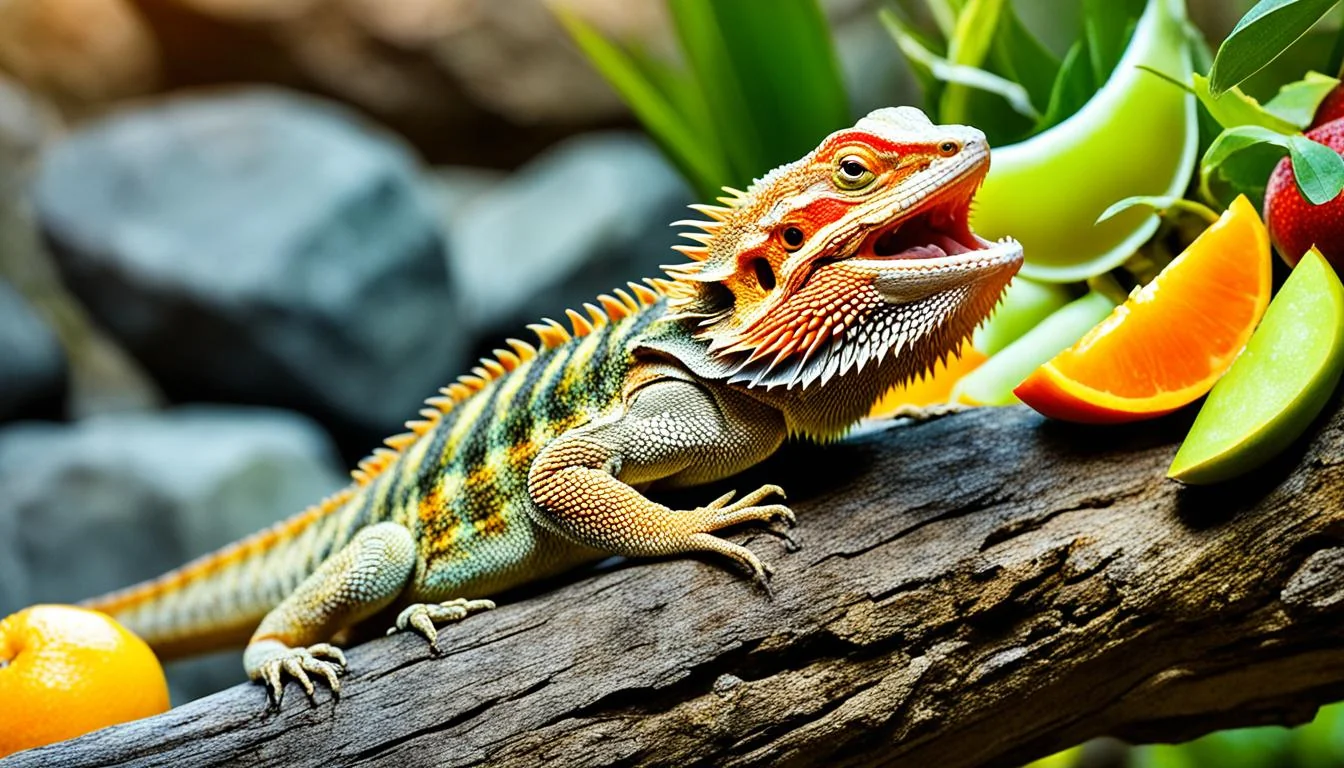
Understanding Bearded Dragons Energy Needs
Bearded dragons, being diurnal reptiles, are naturally energetic creatures. Their energy levels are directly tied to their metabolic processes, which are profoundly influenced by their diet. A well-nourished bearded dragon will exhibit higher activity levels, brighter colors, and an overall zest for life. Conversely, a dragon lacking essential nutrients may appear lethargic, lose color, and become prone to illness. Understanding these energy needs is the first step in crafting a feeding plan that supports your dragon’s vitality. Factors such as age, size, and activity level all play a role in determining your bearded dragon’s specific dietary requirements. A growing juvenile, for instance, requires a diet richer in protein and calories compared to a mature adult. Monitoring your dragon’s behavior and physical condition will provide valuable insights into their energy levels and inform your feeding strategy.
The Role of Diet in Bearded Dragon Energy
Diet is the cornerstone of a bearded dragon’s energy. The food they consume provides the building blocks for their physical and metabolic functions. It’s not just about filling their bellies; it’s about delivering the right balance of nutrients, including protein, carbohydrates, fats, vitamins, and minerals. These elements work synergistically to fuel their bodies, support growth, and maintain overall health. A diet deficient in any of these key components can lead to energy depletion and a cascade of health problems. Proper hydration, achieved through both dietary intake and access to fresh water, further contributes to efficient energy utilization. The food choices made daily significantly impact the dragon’s activity levels, their ability to digest food efficiently, and their overall well-being. A balanced diet is a pathway to sustained energy and a thriving bearded dragon.
Protein Sources for Peak Energy
Protein is the essential component for muscle growth and repair, providing the fundamental building blocks for a bearded dragon’s body. High-quality protein sources are vital for sustaining their energy levels and supporting overall health. The specific type of protein and the way it’s incorporated into the diet can significantly impact their activity and vitality. Insects and meat-based proteins are common and beneficial sources of protein for bearded dragons, but it’s important to consider the nutritional profile and origin of each option. A balanced intake is crucial for providing the necessary amino acids, supporting their metabolic processes, and fueling their active lifestyle. Monitoring your dragon’s growth, muscle tone, and overall activity levels will give you valuable information on the efficacy of your protein choices.
Insects that Boost Energy
Insects are a staple in the bearded dragon diet and a primary source of protein, vitamins, and minerals. Certain insects are particularly beneficial for boosting energy levels. Crickets, dubia roaches, and mealworms are popular choices due to their relatively high protein content and ease of availability. When choosing insects, it is crucial to ensure they are gut-loaded with nutritious foods prior to feeding them to your dragon. This process enriches the insects with essential vitamins and minerals, which are then passed onto the dragon. The insects should be appropriately sized for the dragon’s age, preventing potential choking hazards. Rotating different insect species will help ensure a comprehensive nutritional intake and prevent dietary boredom. Regularly assessing your dragon’s weight and activity can help determine if the insect portion of the diet needs adjustment.
Meat-Based Protein Options
While insects form the core of the bearded dragon diet, meat-based protein can also play a role. Lean meats like cooked chicken or turkey can provide a concentrated source of protein. It’s critical that any meat given to a bearded dragon is thoroughly cooked, unseasoned, and boneless to prevent choking hazards and digestive issues. Avoid processed meats that contain preservatives and additives. Meat can be offered as a supplemental protein source or occasionally as part of a varied diet. Careful portion control is essential to prevent overfeeding. Monitoring your dragon’s droppings can help you assess whether the meat-based protein is being properly digested and utilized, ensuring it contributes to their energy levels without causing any negative health consequences. Consult with a reptile veterinarian for guidance on the appropriate quantity and frequency of meat-based protein for your specific dragon.
Vegetable and Greens for Sustained Energy

Vegetables and greens are vital for providing essential vitamins, minerals, and fiber to maintain sustained energy levels in bearded dragons. These foods aid in digestion, support overall health, and prevent digestive issues. A diverse selection of vegetables should be part of your dragon’s diet, offering a range of nutrients. High-quality greens and vegetables ensure that bearded dragons receive necessary vitamins. The consistent intake of greens and vegetables keeps the digestive system running smoothly, providing a continuous source of energy. By incorporating these components into the diet, you support your dragon’s long-term health and vitality, ensuring they maintain their natural energy levels throughout the day.

Essential Veggies for Bearded Dragons
A variety of vegetables should form the base of a bearded dragon’s diet. Some essential choices include collard greens, mustard greens, turnip greens, and dandelion greens. These are nutrient-rich and provide essential vitamins, minerals, and fiber. Other beneficial vegetables are bell peppers (especially red and yellow), squash, and carrots. These provide additional vitamins and antioxidants that support overall health. When choosing vegetables, opt for fresh, organic options whenever possible. Wash all vegetables thoroughly to remove any pesticides or contaminants. Regularly introduce different vegetables to prevent nutritional deficiencies and keep your dragon interested in their food. The combination of these essential veggies creates a comprehensive nutritional profile that boosts energy levels and supports a healthy, active lifestyle.
Fruits and Their Benefits
Fruits can be a beneficial part of a bearded dragon’s diet, providing natural sugars and essential vitamins. However, they should be offered in moderation due to their higher sugar content. Fruits such as berries (strawberries, blueberries), melon, and mango can be offered as occasional treats. These fruits offer antioxidants and vitamins that can boost energy and support immune function. Be cautious with the amount of fruit you provide, as excessive sugar can lead to weight gain and dental problems. Always remove any uneaten fruit from the enclosure to prevent attracting insects and the growth of bacteria. As with vegetables, variety is key. Rotating different fruits provides a range of nutrients and keeps your dragon interested in their food. Monitoring your dragon’s weight and energy levels will help you determine the appropriate fruit intake.

Feeding Schedule and Portion Control
Establishing a consistent feeding schedule and practicing proper portion control are essential for managing a bearded dragon’s energy levels. These practices will help to ensure that your dragon receives the proper nutrition without overfeeding. Adhering to a schedule also helps regulate their digestive system, creating a routine that supports their overall well-being. Adjusting the schedule based on the dragon’s life stage and activity level will further optimize their diet. A structured approach to feeding will not only provide adequate energy, but will also contribute to a healthier, more active, and vibrant pet.
Daily Feeding Recommendations
The daily feeding frequency varies with the age of the bearded dragon. Juvenile dragons, which are actively growing, require more frequent feedings, typically multiple times per day. Adults can be fed less often, usually once daily or every other day. The timing of feeding is also crucial; it should coincide with their active hours, typically during the day when they are most energetic. Providing food in the morning, when they are most active, allows them to metabolize the nutrients effectively throughout the day. Monitoring your dragon’s eating habits and activity will help determine the appropriate feeding frequency. Never underestimate the importance of a consistent schedule to optimize their daily energy levels and maintain a healthy routine.
Portion Sizes for Different Life Stages
Portion control is a key factor in preventing overfeeding and maintaining healthy energy levels in bearded dragons. The portion sizes should vary depending on the dragon’s life stage. Juvenile dragons need significantly more food than adults because they are growing rapidly. For juveniles, offer as many insects as they can eat in 5-10 minutes, several times a day. As they mature, the amount of food and the frequency should be gradually reduced. Adult dragons require fewer insects and a greater proportion of vegetables in their diet. Overfeeding can lead to obesity, which in turn causes lethargy and other health problems. Regularly assessing your dragon’s body condition and adjusting portion sizes accordingly will ensure a balanced diet. Always monitor your dragon’s weight and body condition, and adjust portions as necessary to support healthy energy levels throughout their life.
Water and Hydration for Energy
Proper hydration is essential for supporting energy levels in bearded dragons. Water is integral to nearly all bodily functions, playing a critical role in metabolism, digestion, and the transport of nutrients. Dehydration can lead to lethargy, loss of appetite, and other health issues that negatively impact energy levels. Providing a constant source of fresh water and recognizing the signs of dehydration will help your bearded dragon stay energized and active. Maintaining optimal hydration is a fundamental aspect of their health and contributes directly to their overall well-being.
Importance of Fresh Water
Providing a constant supply of fresh, clean water is crucial for maintaining your bearded dragon’s hydration and energy. Water should be available in a shallow dish that is easily accessible. It’s essential to change the water daily to prevent bacterial growth. The water dish should be placed in a location that is easily accessible to your dragon, ensuring they can drink as needed. Some dragons prefer to drink from a dripping system or water feature, which can also be provided. Regularly observe your dragon’s drinking habits to ensure they are getting enough water. The availability of fresh water not only supports hydration, but also contributes to efficient metabolic processes, keeping your dragon energetic and active.
Signs of Dehydration
Recognizing the signs of dehydration is crucial for maintaining your bearded dragon’s health and energy. Common indicators include sunken eyes, wrinkled skin, lethargy, and loss of appetite. Dehydrated dragons may also exhibit dry, sticky feces. If you notice any of these signs, it’s important to take immediate action. Ensure fresh water is readily available and encourage drinking by gently misting their enclosure or offering water via a syringe (without the needle). If the condition persists, consult a veterinarian. Addressing dehydration promptly can prevent serious health complications and restore your dragon’s energy levels. Regular observation of your dragon’s behavior and physical condition is vital for early detection and prompt intervention.

Supplementation for Optimal Energy
Supplementation plays a vital role in ensuring that bearded dragons receive all the essential nutrients needed for optimal health and energy levels. While a balanced diet should be the primary source of nutrients, supplements can bridge potential nutritional gaps and provide an extra boost. Vitamins and minerals are particularly important for maintaining energy, supporting growth, and preventing various health issues. However, it’s important to choose the right supplements and administer them correctly. Understanding the specific needs of your bearded dragon and consulting with a reptile veterinarian will help you develop an effective supplementation plan. Proper supplementation, along with a well-rounded diet, will contribute to a healthier, more energetic, and thriving pet.
Essential Vitamins and Minerals
Certain vitamins and minerals are crucial for maintaining energy and overall health in bearded dragons. Calcium and Vitamin D3 are essential for bone health and are vital for energy and vitality. Vitamin D3 aids in calcium absorption. Other important vitamins include A, E, and B vitamins, which support immune function, metabolism, and energy production. Minerals such as phosphorus and trace elements also play essential roles. These nutrients are typically obtained through a combination of diet and supplementation. Always ensure that the supplementation is appropriate for your dragon’s specific needs. Consulting with a vet can provide guidance and prevent over-supplementation, which can also lead to health problems. A comprehensive understanding of these essential vitamins and minerals is key to supporting your dragon’s energy and vitality.
Calcium and Vitamin D3

Calcium and Vitamin D3 are two of the most important supplements for bearded dragons. Calcium is essential for bone health, muscle function, and overall vitality. Vitamin D3 aids in the absorption of calcium, ensuring that it is properly utilized by the body. These supplements are particularly important for juvenile dragons and females, who require higher levels for bone development and egg production. Calcium should be dusted on insects, while Vitamin D3 can be provided through supplementation or exposure to UVB light. Without sufficient calcium and D3, dragons can develop metabolic bone disease, which can lead to lethargy and weakness. Regularly dusting insects with calcium and ensuring proper UVB exposure are vital for supporting energy, maintaining bone health, and ensuring a long, active life.
Multivitamins for Bearded Dragons
Multivitamins provide a comprehensive blend of essential vitamins and minerals, ensuring that bearded dragons receive all the necessary nutrients for optimal health. These supplements can help fill potential nutritional gaps and support various bodily functions. Multivitamins typically include vitamins A, E, and B vitamins, which are essential for immune function, metabolism, and energy production. They often also contain trace minerals and other beneficial elements. It’s important to choose a multivitamin specifically formulated for reptiles. Multivitamins are usually administered by dusting insects or mixing them with food. Always follow the recommended dosage to avoid over-supplementation. Regular use of a multivitamin, in addition to a balanced diet, helps boost energy, supports overall health, and ensures that your bearded dragon has the necessary resources to thrive.
Avoiding Common Feeding Mistakes
Avoiding common feeding mistakes is crucial for maintaining your bearded dragon’s energy levels and overall health. Overfeeding and providing inadequate nutrition are two of the most frequent pitfalls in bearded dragon care. These mistakes can lead to a variety of health problems, including lethargy, obesity, and nutritional deficiencies. By understanding these common errors and taking corrective measures, you can provide your dragon with the nutrition they need to thrive. Regularly monitoring your dragon’s behavior, weight, and physical condition will help you identify and address any feeding-related problems promptly. Careful attention to these details will significantly contribute to your dragon’s long-term health and ensure they stay energetic and active.
Overfeeding Risks
Overfeeding is a common mistake that can have serious consequences for bearded dragons, including reduced energy levels. When a dragon consumes more food than it needs, the excess calories are stored as fat, leading to obesity. Obesity can cause lethargy, decreased activity, and an increased risk of various health problems, such as fatty liver disease. It can also strain the dragon’s internal organs and reduce its lifespan. Avoid this problem by carefully monitoring the amount of food you provide and adjusting portions to the dragon’s life stage and activity level. Regularly assess your dragon’s body condition, ensuring that it has a healthy weight without excess fat. Establishing a consistent feeding schedule with appropriate portion sizes is the key to preventing overfeeding and keeping your bearded dragon energetic and active.
Inadequate Nutrition

Inadequate nutrition can have a profound impact on your bearded dragon’s energy levels and overall health. A diet lacking in essential nutrients can lead to lethargy, poor growth, and increased susceptibility to illness. Feeding your dragon a consistently unbalanced diet is a mistake that can lead to long-term health problems. Providing a diet deficient in protein, vitamins, or minerals will directly affect the dragon’s ability to generate and maintain energy. Make sure the diet includes a variety of insects, vegetables, and occasional fruits, supplemented with the correct vitamins and minerals. A balanced diet will keep your dragon active and thriving. Always research and consult reptile experts to determine the ideal nutritional profile for your dragon, ensuring they receive a comprehensive and balanced diet.
Creating a Balanced Diet Plan
Creating a balanced diet plan is essential for ensuring that your bearded dragon receives all the nutrients it needs for sustained energy and optimal health. A well-structured diet plan will include a variety of food sources, proper portion control, and appropriate supplementation. The plan needs to be tailored to the dragon’s age, size, and activity level, and should evolve over time as your dragon grows and their needs change. A carefully constructed diet plan not only provides the necessary energy, but it also supports their immune system, promotes healthy growth, and helps prevent a range of health issues. By following a well-thought-out plan, you can ensure your bearded dragon thrives, remaining active, vibrant, and full of energy.
Sample Diet Plan
Here’s a sample diet plan to guide you in feeding your bearded dragon for peak energy. This is a general guideline, and should be modified based on your dragon’s individual needs. For juveniles (under 1 year), offer insects (crickets, dubia roaches) twice a day, allowing them to eat as much as they can in 5-10 minutes. Supplement the insects with calcium and multivitamins. Offer a variety of fresh, chopped vegetables and greens daily. For adults (over 1 year), offer insects every other day, with vegetables and greens daily. Ensure a varied selection of vegetables to provide different nutrients. Remember to provide fresh water daily. This sample diet should be adapted and monitored in consultation with a reptile veterinarian to ensure optimal nutrition and support your dragon’s energy levels.
Seasonal Dietary Adjustments

Bearded dragons’ dietary needs may change with the seasons, especially if they live in environments with natural temperature and light fluctuations. During warmer months, when they are naturally more active, they may require more calories and a higher intake of protein-rich foods. In winter, activity levels may decrease, and dragons may need fewer calories. Adjust the feeding frequency and the amount of food accordingly. Monitor your dragon’s behavior and body condition throughout the year. Adjusting the amount of food and the types of insects or vegetables that are offered can help align with their natural activity levels and energy needs. Providing a seasonal-adjusted diet ensures that your dragon receives the right amount of nutrients to maintain optimal health and energy throughout the year.