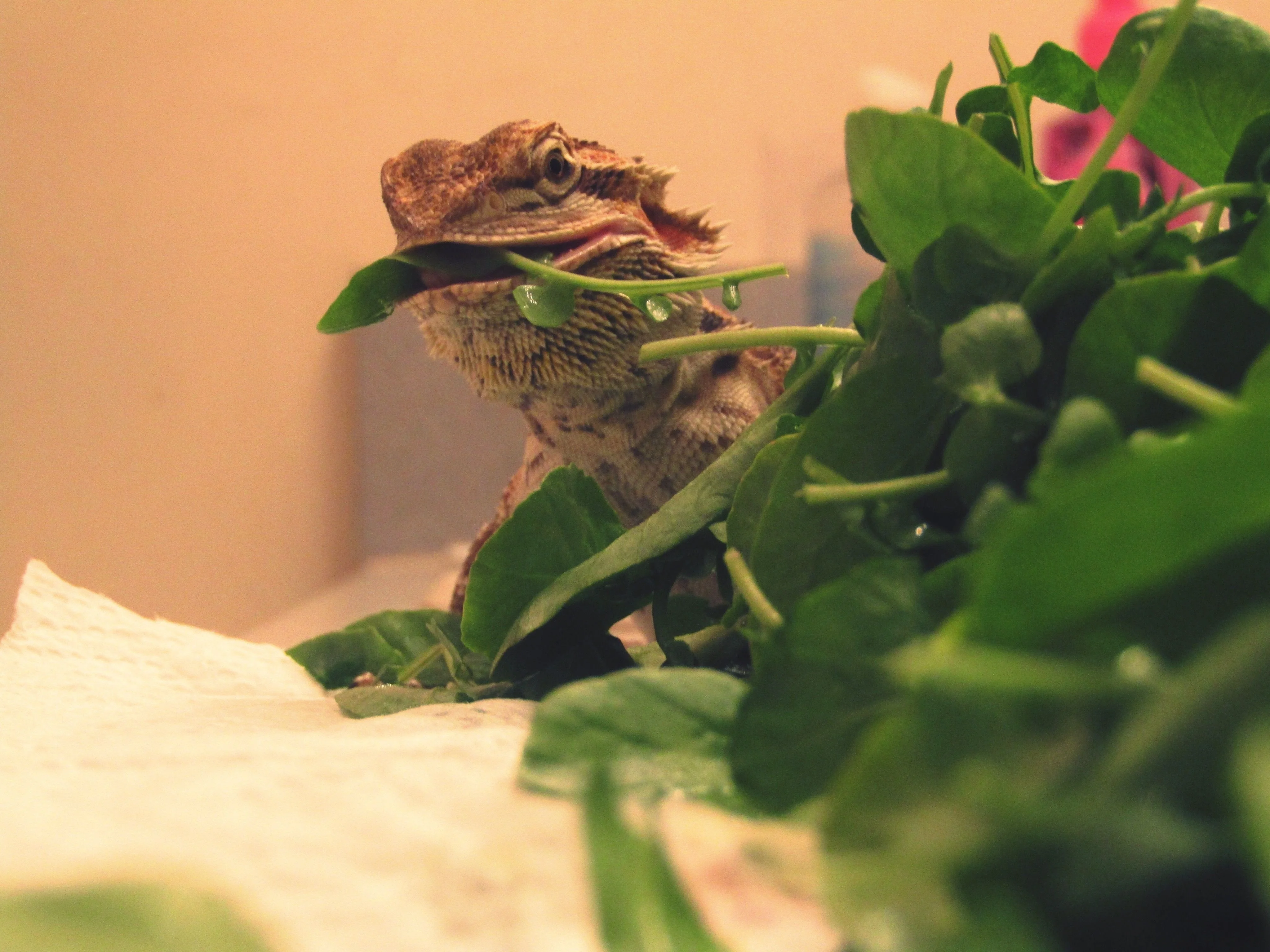
Understanding Bearded Dragon Digestion
Bearded dragons, fascinating reptiles with unique dietary needs, require a well-planned feeding strategy to ensure optimal digestion and overall health. Understanding the digestive process is the first step in providing the proper care for your pet. Their ability to process food efficiently directly impacts their ability to absorb vital nutrients, maintain energy levels, and ward off potential health issues. This guide is designed to help you navigate the complexities of bearded dragon nutrition, providing practical tips and insights for promoting healthy digestion. By paying close attention to their diet, you can ensure your bearded dragon thrives, displaying vibrant colors, and exhibiting energetic behaviors.
The Digestive System of a Bearded Dragon
The digestive system of a bearded dragon is a crucial biological process that breaks down food into smaller components that the body can absorb and utilize for energy, growth, and repair. It starts with the mouth, where the dragon uses its teeth to grasp and swallow its food. From the mouth, food passes down the esophagus to the stomach, where enzymes and acids begin the digestion process. The partially digested food then moves into the small intestine, where the majority of nutrient absorption occurs. Finally, the waste products pass into the large intestine, where water is absorbed, and the remaining waste is excreted through the cloaca. Understanding this system is key to providing the appropriate diet and ensuring your bearded dragon gets the most out of its meals.


How Digestion Works in Bearded Dragons
Digestion in bearded dragons is a complex process influenced by factors such as temperature, diet composition, and hydration. The dragon’s body temperature, being a cold-blooded creature, significantly affects its digestive rate. Warmer temperatures speed up digestion, while cooler temperatures slow it down. The diet plays a central role, with the types of food influencing the efficiency of digestion. For instance, insects are generally easier to digest than certain vegetables, and a balanced diet is crucial for optimal gut health. Hydration also significantly aids digestion; water is essential for enzyme activity and the breakdown of food particles. Dehydration can lead to constipation and other digestive issues, making it vital to provide fresh, clean water at all times. Regular monitoring of your dragon’s eating and bowel habits can help identify potential problems early and adjust the diet accordingly to facilitate effective digestion.

Essential Food Groups for Bearded Dragons
A balanced diet is paramount for a healthy bearded dragon. This involves a mix of essential food groups to meet their nutritional needs. These include insects, vegetables, and occasional fruits. Insects, like crickets, mealworms, and dubia roaches, provide the necessary protein, which is vital for growth and muscle development. Vegetables are the primary source of essential vitamins, minerals, and fiber, which aids in healthy digestion. Fruits can be offered in moderation, but should not form a large portion of the diet, as they can lead to digestive upset due to their high sugar content. Ensuring a variety of food items from these groups provides a diverse range of nutrients, supporting overall health and facilitating effective digestion. The food should be appropriately sized for your dragon’s age and ability to consume it.
Protein Sources and Digestion
Protein is a critical component of a bearded dragon’s diet, contributing to muscle development, growth, and various bodily functions. The primary protein sources are insects. Crickets, dubia roaches, and mealworms are popular choices, offering different nutritional profiles. Crickets are a readily available option, whereas dubia roaches are often considered a superior choice due to their higher protein and lower chitin content, which aids digestion. Mealworms can be given in moderation, but their harder exoskeleton might be more challenging to digest. To optimize digestion, ensure the insects are gut-loaded before feeding. This involves feeding the insects nutritious food before offering them to your dragon. Gut-loading enhances the nutritional value of the insects, providing essential vitamins and minerals to your bearded dragon. Furthermore, avoid feeding your dragon insects that are too large, as they can be difficult to digest.
Vegetable and Fruit Choices for Easy Digestion
Vegetables and fruits play a key role in your bearded dragon’s digestive health, providing essential vitamins, minerals, and fiber. Opt for dark, leafy greens such as collard greens, mustard greens, and dandelion greens, which are rich in nutrients and easier to digest. Avoid iceberg lettuce, which offers little nutritional value. Vegetables like bell peppers, squash, and sweet potatoes are excellent additions to the diet, providing a variety of vitamins and fiber. Fruits, like berries and small amounts of melon, can be given as occasional treats, but should not make up a significant portion of the diet due to their higher sugar content, which could disrupt the digestive balance. Chop vegetables into small pieces that are easily manageable for your dragon. Always introduce new foods gradually, monitoring your dragon’s droppings for signs of digestive upset.
Calcium and Vitamin Supplements and Digestion

Calcium and vitamin supplements are crucial for bearded dragons, particularly in aiding digestion and preventing metabolic bone disease (MBD). Calcium is essential for bone health, muscle function, and overall well-being. Vitamin D3 helps in calcium absorption. Dust insects and vegetables with a calcium supplement, often containing D3, prior to feeding. Consider a multivitamin supplement as well to ensure they get all the essential vitamins and minerals. Excess supplementation can be harmful. Therefore, follow the instructions on the supplement packaging and consult with a reptile veterinarian to determine the correct dosage. Proper supplementation helps your bearded dragon digest food efficiently and promotes healthy bones, supporting their overall well-being.
Feeding Schedule for Optimal Digestion
Establishing a consistent feeding schedule is vital for promoting healthy digestion. The frequency of feeding depends on your bearded dragon’s age. Young dragons, typically under 18 months, require more frequent feedings due to their rapid growth and higher energy demands. As they grow, the frequency of feeding decreases. Sticking to a routine helps regulate their digestive system, and prevents overfeeding, which can lead to digestive problems. Provide food during the day when they are most active and their digestive processes are functioning efficiently. Regular feeding also allows you to monitor their appetite and bowel movements, helping to detect potential digestive issues early. Avoid inconsistent feeding times, as they can disrupt the digestive processes and negatively impact their health. Maintaining a consistent schedule contributes to the overall health and well-being of your bearded dragon.
Feeding Frequency by Age Group
Adjusting the feeding frequency according to your bearded dragon’s age is crucial for healthy digestion. Baby bearded dragons (0-3 months) require frequent meals, typically 2-3 times daily, with a diet that consists mainly of insects. Juvenile dragons (4-18 months) should be fed insects once or twice a day, with vegetables offered daily. Adult dragons (18 months and older) can be fed insects every other day, with a consistent supply of fresh vegetables daily. This gradual reduction in insect feeding aligns with the dragon’s changing metabolic needs and helps to prevent overfeeding, thus promoting efficient digestion. Observe your dragon and adjust the feeding plan accordingly, always ensuring a balance of insects and vegetables tailored to their specific stage of life. This adjustment helps to avoid digestive issues while supporting their overall health.
Portion Control for Healthy Digestion
Portion control is a key element in maintaining healthy digestion. Overfeeding can lead to undigested food, which can cause digestive upset. Offer your bearded dragon an amount of food they can consume within a reasonable time, typically 10-15 minutes. For insects, provide an amount that they can eat readily. For vegetables, offer a portion that won’t spoil in the enclosure. Monitor how much they eat and adjust the portions accordingly. Remove any uneaten food to prevent it from rotting in the enclosure. Regular observation of your dragon’s body condition can assist in determining if they are being fed appropriately; an obese bearded dragon could face digestive problems. Adjusting the portion sizes helps maintain the right balance of nutrients and allows the dragon’s digestive system to function optimally.
Creating a Balanced Diet Plan
Creating a balanced diet plan involves a blend of insects, vegetables, and occasional fruits, all carefully chosen to promote good digestion. Start by selecting a variety of insects, such as crickets, mealworms, and dubia roaches, ensuring they are gut-loaded to boost their nutritional value. Incorporate dark leafy greens like collard greens, mustard greens, and dandelion greens as the base of the vegetable portion. Add colorful vegetables, such as bell peppers and squash, to vary the nutrients provided. Offer fruits, like berries, in moderation. Use supplements to ensure the diet meets the dragon’s needs. Consider using a food journal or app to keep track of your bearded dragon’s diet, recording what you feed and noting any changes in their droppings. Regular monitoring and adjustment of the diet will help maintain a healthy and well-balanced approach, contributing to efficient digestion.
Daily and Weekly Diet Planning
Implementing a daily and weekly diet plan helps ensure your bearded dragon receives consistent nutrition, optimizing digestion. On a daily basis, provide fresh water, a mix of insects and vegetables, and supplement with calcium and vitamins as needed. For a weekly plan, vary the insects offered, choosing different types of insects throughout the week. Change the vegetable selection regularly to provide a wide array of nutrients. Prepare meal prep containers with pre-cut vegetables for ease of feeding. Consider a day dedicated to a specific type of vegetable or insect to balance their intake. Review your dragon’s droppings and adjust the feeding based on your observations. This planned approach provides consistency, and contributes to a healthier digestive system for your bearded dragon.

Avoiding Common Feeding Mistakes
Avoiding common feeding mistakes is essential for maintaining good digestion. One of the most prevalent errors is feeding an improper diet that lacks variety or is too high in sugars or fats. Overfeeding is another frequent issue, which can overburden the digestive system. Feeding your dragon too many insects and not enough vegetables can lead to poor digestion. Not gut-loading insects prior to feeding reduces their nutritional value. Additionally, giving insects that are too large, can cause digestive issues. Neglecting to provide fresh water can lead to dehydration, impacting digestion. Regularly check and adjust your bearded dragon’s diet to avoid these errors, promoting digestive health.
Foods to Avoid for Good Digestion
Certain foods should be avoided to ensure healthy digestion. Avoid feeding your bearded dragon foods high in oxalates, which can bind to calcium and hinder its absorption. Spinach, for instance, falls into this category and should be given sparingly. Refrain from offering excessive amounts of fruits due to their high sugar content, which can lead to digestive upsets. Avoid feeding insects collected from outside, as they could be contaminated with pesticides or parasites. Additionally, avoid feeding processed foods or those with additives. Sticking to a diet of insects, vegetables, and supplemental vitamins and minerals can ensure a well-balanced, digestion-friendly diet.
Signs of Digestive Problems in Bearded Dragons
Recognizing signs of digestive problems is crucial for the prompt treatment of your bearded dragon. Common indicators of digestive issues include changes in bowel movements. Constipation can be indicated by infrequent or difficult-to-pass stools. Diarrhea, characterized by loose, watery stools, also suggests a problem. Decreased appetite or a lack of interest in food can also signal digestive discomfort. Lethargy or inactivity, coupled with lack of appetite, is a sign of sickness. Regurgitation of food can be another sign. If you observe any of these symptoms, it is crucial to consult a reptile veterinarian to determine the cause and treatment.

Identifying and Addressing Constipation
Constipation in bearded dragons can be a sign of a more serious digestive issue. Identifying it involves recognizing infrequent bowel movements or small, hard droppings. Possible causes include dehydration, inadequate fiber in the diet, or a lack of proper basking temperature. To address constipation, ensure that your bearded dragon has adequate access to fresh water and the proper basking temperature. You can incorporate high-fiber vegetables such as squash or small amounts of pumpkin. A warm water soak can also help stimulate bowel movements. If constipation persists, it’s important to consult your reptile veterinarian. They can rule out underlying medical conditions and recommend treatment, which might involve medication or dietary changes.
Recognizing and Treating Diarrhea
Diarrhea in bearded dragons often involves loose, watery stools, which can be an indication of a dietary imbalance, parasites, or infection. Several causes can include food poisoning, stress, or parasites. The first step is to evaluate the diet; eliminate any foods that could cause the issue and consult with your reptile veterinarian. They may suggest a fecal exam to check for parasites or bacterial infections. Maintain a clean enclosure to prevent the spread of pathogens, and ensure your dragon has fresh water. Probiotics can sometimes help restore the gut balance, but you should always consult your vet before giving them any medication. Prompt veterinary care is vital to prevent dehydration and potential complications.

Importance of Hydration for Digestion
Hydration is paramount for proper digestion in bearded dragons. Water is crucial for facilitating the breakdown of food and the absorption of nutrients. Dehydration can lead to constipation, making it important to have a constant supply of fresh, clean water. Offer water in a shallow dish, and replace it daily to keep it fresh. You can also mist your bearded dragon with water to increase humidity and encourage drinking. If you suspect your dragon is dehydrated, a warm water soak is very beneficial. A well-hydrated dragon will have better digestion, and will thrive and stay healthy. Proper hydration contributes to overall health and supports all bodily functions.