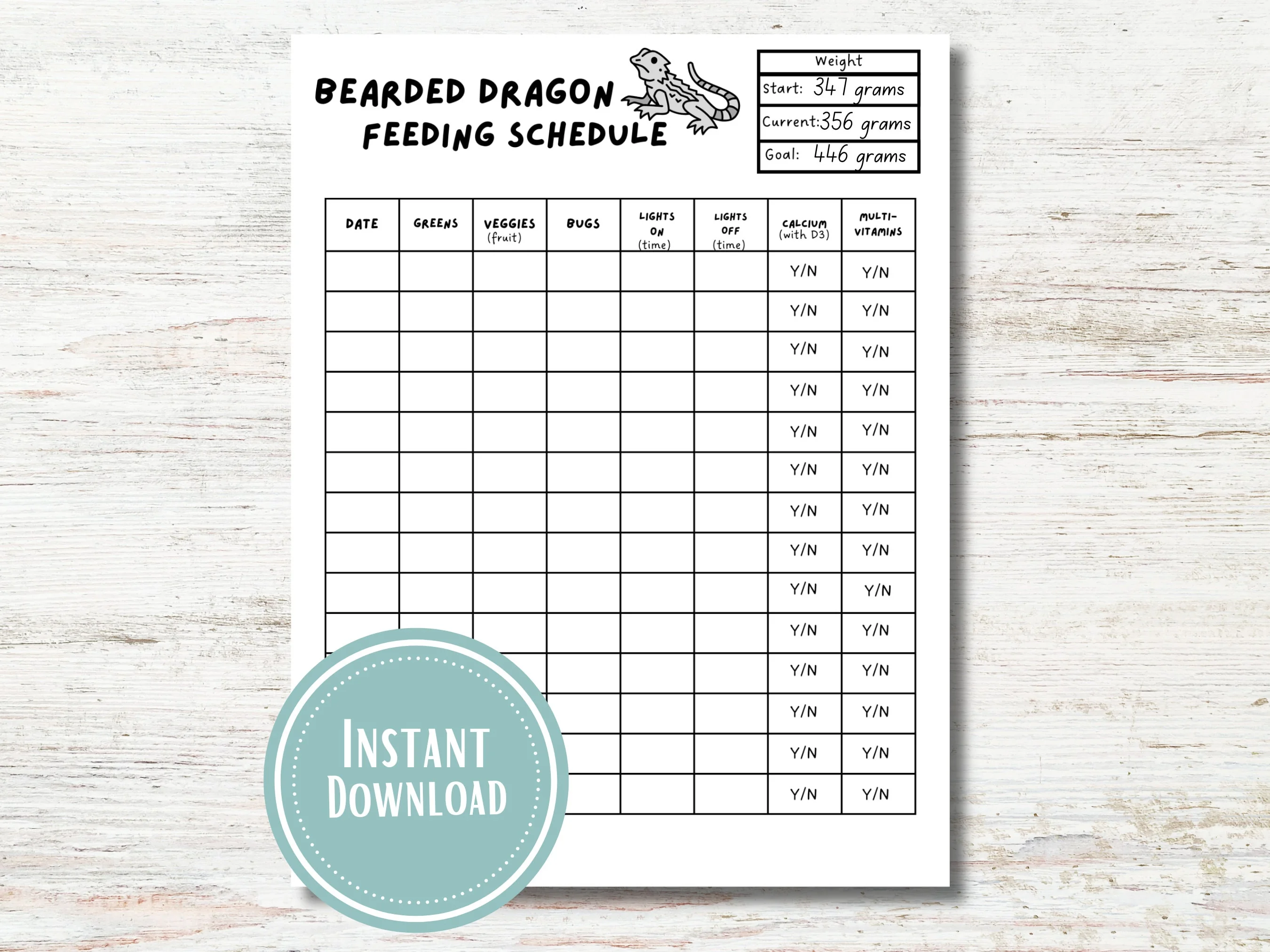
Feeding Bearded Dragons Introduction
Bearded dragons are fascinating reptiles, beloved by many for their friendly demeanor and unique appearance. However, their well-being hinges on proper care, with feeding being a cornerstone. This comprehensive guide delves into the intricacies of feeding schedules tailored to different life stages, ensuring your scaly companion thrives. From the tiny hatchling to the mature adult, each bearded dragon has specific dietary needs. Understanding these needs is vital for their health, growth, and longevity. This guide breaks down the ideal feeding practices for each age group, offering insights into the best foods, feeding frequencies, and essential supplements to keep your bearded dragon happy and healthy.
Baby Bearded Dragons Feeding Schedule
Baby bearded dragons, typically under three months old, have rapid growth rates, demanding a frequent and nutrient-rich diet. They require more protein and calories to support their development. The feeding schedule for baby bearded dragons should be consistent to ensure adequate nutrient intake. Establishing a regular feeding routine early on can also help regulate their digestion and overall well-being. It’s during this stage that good eating habits are formed, contributing to a healthy start in life. Remember, consistency and quality are the keys to successful baby bearded dragon feeding.

What to Feed Baby Bearded Dragons
Baby bearded dragons need a diet that primarily consists of insects. Small, easily digestible insects like crickets and dubia roaches are staples. These insects should be gut-loaded with nutritious foods before being offered to your dragon, ensuring they receive vital nutrients. In addition to insects, baby bearded dragons should have access to a variety of finely chopped, leafy greens. Offering a blend of greens ensures a balance of vitamins and minerals. Ensure all food items are appropriately sized, making it easier for them to eat and digest. Supplementing this diet with a calcium and vitamin D3 powder is crucial for bone health and proper growth, given their rapid development phase.
How Often to Feed Baby Bearded Dragons
Baby bearded dragons should be fed multiple times a day. Typically, they should be offered food two to three times a day. This frequent feeding schedule supports their fast metabolism and growth. The amount of food provided should be guided by how much they can consume in a 10–15-minute window. Removing uneaten insects will help maintain a clean enclosure and prevent stress. Fresh water should always be available, and the environment should be maintained at the right temperature to facilitate digestion. Monitor your baby bearded dragon’s weight and appearance to adjust feeding amounts as needed.
Juvenile Bearded Dragons Feeding Schedule
Juvenile bearded dragons, aged between 4–12 months, are still growing but at a slower pace than babies. Their dietary needs evolve, shifting towards a higher proportion of vegetables and a slightly reduced insect intake. This stage is a transition period, preparing them for the adult diet while ensuring continued health and vigor. The focus remains on providing a balanced diet that supports their developing bodies and encourages a healthy transition into adulthood. Adjusting the feeding schedule and portions will be crucial to avoid overfeeding, which can lead to obesity and health problems. Regular monitoring is paramount to ensuring their wellbeing.
Juvenile Bearded Dragons Diet
The diet for juvenile bearded dragons should still include a significant portion of insects, but the variety and size of the insects can be increased. Crickets, dubia roaches, and other insect options are all still excellent choices. In addition to insects, offer a larger portion of chopped vegetables and greens each day. Dark, leafy greens like collard greens, mustard greens, and kale are excellent. Introduce a variety of vegetables to the mix to ensure a broad spectrum of nutrients. Fruit can be offered as a treat in moderation. Continue to dust insects with calcium and vitamin D3, but the frequency can be slightly reduced compared to the baby stage.

Juvenile Bearded Dragons Feeding Frequency
Juvenile bearded dragons should be fed once or twice a day, depending on their individual needs and appetite. Observe how much food they consume in a feeding session and adjust the amount offered accordingly. Ensure they always have access to fresh water. Monitor their weight and body condition to prevent them from becoming overweight or underweight. The goal is to provide sufficient nutrients for healthy growth without overfeeding. Regular weighing and observation will help you tailor the feeding schedule effectively, allowing your juvenile bearded dragon to thrive.
Adult Bearded Dragons Feeding Schedule
Adult bearded dragons, typically over 18 months old, have different nutritional requirements. Their growth has slowed down, and their focus shifts to maintaining their health and well-being. The adult diet is significantly different from that of juveniles, emphasizing a higher proportion of vegetables and a reduced amount of insects. The goal here is to provide a balanced diet that helps maintain their weight, supports their overall health, and prevents obesity. The feeding schedule should reflect the shift in their metabolic rates and activity levels to support their overall health and longevity.
Adult Bearded Dragons Diet

The diet of adult bearded dragons should consist primarily of vegetables and greens, accounting for about 70–80% of their diet. Offer a wide variety of greens like collard greens, mustard greens, and dandelion greens. Supplement their diet with a small portion of insects, such as crickets, dubia roaches, and mealworms, offering them a few times a week. Fruits should be limited and offered only as occasional treats. Always provide fresh, clean water. Supplement their food with a calcium and vitamin D3 powder, but the frequency can be further reduced as they are not growing as rapidly as before. Ensure the diet is balanced to support their health and vitality.
How Often to Feed Adult Bearded Dragons
Adult bearded dragons should be fed once a day or every other day, depending on their activity levels and weight. Adjust the amount of food to ensure they maintain a healthy body condition. Offering a larger portion of vegetables and greens and reducing the number of insects can help prevent overfeeding. Provide fresh water daily. Regularly monitor their weight and behavior. Adjust the feeding schedule based on their body condition and appetite. Overfeeding can lead to obesity and other health issues, so mindful feeding is crucial. Tailor the diet to their activity and overall health.
Senior Bearded Dragons Feeding Schedule
Senior bearded dragons, typically those over seven years old, may experience a decline in their metabolic rate and activity levels. Their feeding schedule should be adjusted to accommodate these changes. The focus should shift towards a diet that is easily digestible and provides the necessary nutrients to support their aging bodies. Careful monitoring and modifications to their diet can make a substantial difference in their comfort, mobility, and overall quality of life. It is important to closely monitor the dragon for weight changes, changes in eating habits, and any signs of illness. Adjusting the diet may also help with digestion and nutrient absorption.

Senior Bearded Dragons Diet
Senior bearded dragons need a diet rich in easily digestible, high-quality ingredients. Increase the proportion of vegetables and greens, opting for softer options that are easier to chew and digest. Offer a variety of greens to provide the required nutrition. Reduce the quantity of insects, ensuring they are soft-bodied and not too difficult to eat. Consider supplementing their diet with a higher dosage of calcium and vitamin D3 to support their bone health. Avoid hard or fibrous foods that can be difficult to digest. Fresh water should always be available. Regular veterinary check-ups are recommended to ensure their diet is meeting their needs.
How Often to Feed Senior Bearded Dragons
Senior bearded dragons should be fed less frequently and in smaller portions to prevent obesity and promote healthy digestion. Feeding them every other day or every third day may be necessary. Monitor their weight and activity levels, making adjustments to the feeding schedule as needed. Consider the texture of the food and how easily it is consumed. Providing soft foods that are easier to chew is essential for older dragons. Fresh water should always be available. Regular monitoring of their health, in consultation with a veterinarian, is vital in helping them thrive in their senior years.
Supplements and Vitamins for Bearded Dragons
Supplements are an essential component of bearded dragon feeding. Calcium with vitamin D3 is crucial for all age groups, helping with bone health, especially during growth periods. Dusting insects and vegetables with calcium and D3 supplements is a regular practice. A multivitamin supplement can also be added to their diet, but it should be used in moderation. Always consult with a veterinarian to determine the best supplements for your bearded dragon. Over-supplementing can be as harmful as under-supplementing, therefore it’s vital to follow the guidance of an expert to ensure optimal health. The right supplements can help prevent common health issues like metabolic bone disease.


Foods to Avoid Feeding Bearded Dragons

Some foods can be toxic or harmful to bearded dragons. Avoid feeding them spinach and iceberg lettuce, as they offer little nutritional value. Avoid citrus fruits, avocados, and rhubarb, which can be toxic. Avoid feeding them wild insects, as they may have been exposed to pesticides or parasites. Processed foods and sugary treats should also be avoided. It’s always safer to stick with a diet of known, healthy foods to prevent illness. Carefully researching food items is important, and consulting a vet about any concerns is always a good idea. Prioritizing a safe, balanced diet is crucial.
Tips for a Healthy Bearded Dragon
Besides a proper feeding schedule, other factors contribute to your bearded dragon’s well-being. Maintaining the right temperature gradient in their enclosure is vital for digestion and metabolism. Provide appropriate UVB and UVA lighting to help them process calcium and synthesize vitamin D3. Provide a spacious enclosure with plenty of room for exploration. Regularly clean and disinfect the enclosure to prevent illness. Handle your bearded dragon gently and frequently to socialize them. Regular veterinary check-ups are essential for preventative care. Ensuring proper hydration by providing fresh water is also important. A healthy and happy bearded dragon will thrive in a well-maintained and loving environment.