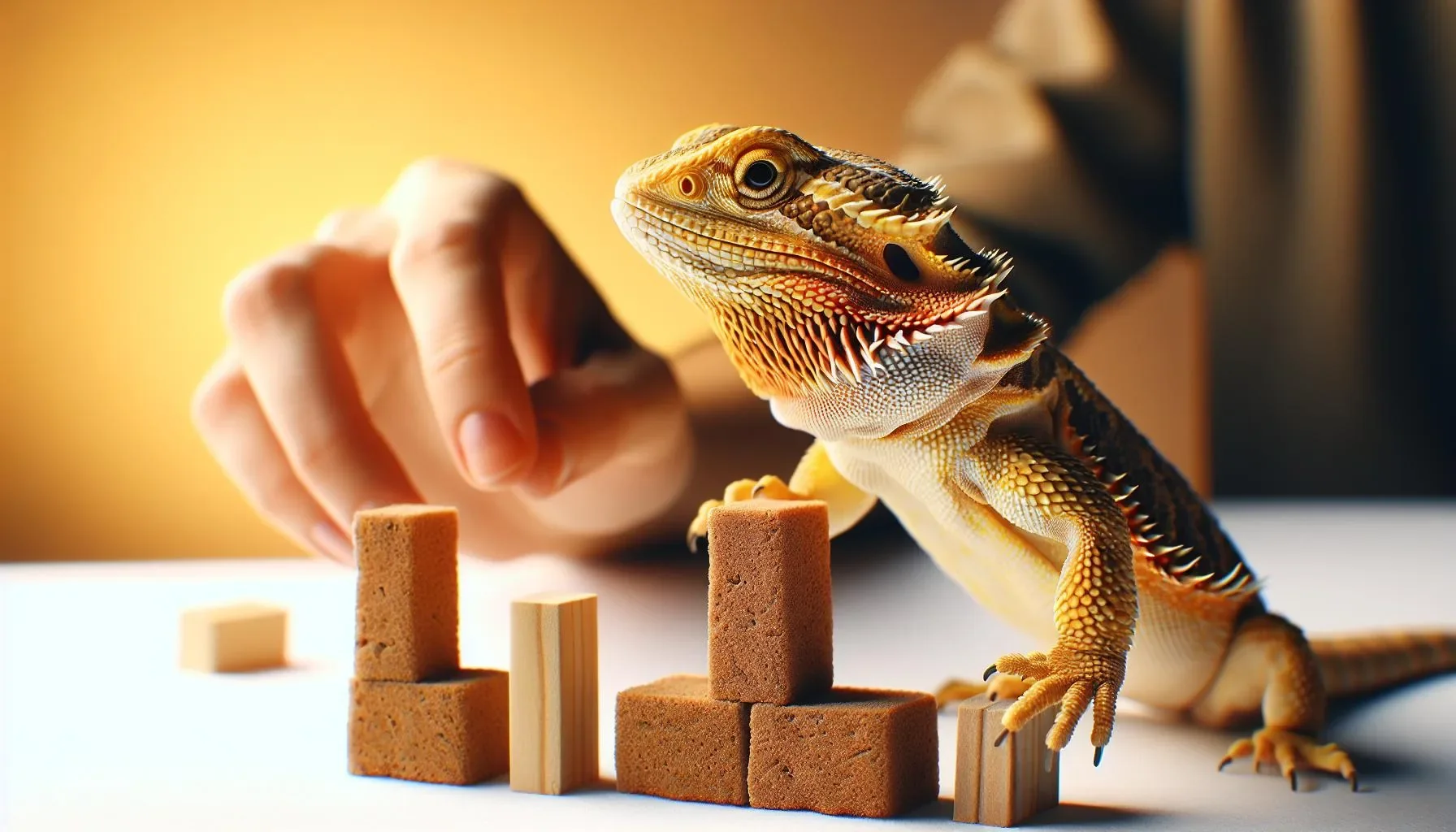
Why Exercise is Crucial for Bearded Dragons
Bearded dragons, captivating reptiles that they are, require more than just food and warmth to thrive. Exercise plays a vital role in their overall health and well-being, contributing significantly to their physical and mental health. In the wild, these creatures are constantly on the move, foraging for food, exploring their territory, and basking in the sun. In captivity, it’s our responsibility to provide them with opportunities to mimic these natural behaviors. Without adequate exercise, bearded dragons can become sluggish, obese, and prone to a variety of health issues. Regular physical activity helps maintain a healthy weight, strengthens muscles and bones, and improves cardiovascular function. Furthermore, exercise stimulates their minds, reducing boredom and preventing the development of behavioral problems. By incorporating exercise into your bearded dragon’s routine, you’re not just keeping them active, you’re investing in their long-term happiness and vitality. Understanding the importance of exercise is the first step in ensuring your scaly friend lives a long, healthy, and fulfilling life.
Benefits of Indoor Exercise for Bearded Dragons
Providing indoor exercise offers a multitude of benefits for your bearded dragon, especially in environments where outdoor activity may be limited due to weather or safety concerns. One of the most significant advantages is the ability to control the environment. Indoor settings allow you to maintain optimal temperature and humidity levels, crucial for a bearded dragon’s health. This controlled environment minimizes the risk of respiratory infections and other health complications that can arise from fluctuating outdoor conditions. Furthermore, indoor exercise can be easily integrated into a daily routine, ensuring consistency and promoting a more active lifestyle. Indoor activities also provide a safe space, protecting your pet from predators, parasites, and other outdoor hazards. By creating an engaging indoor environment, you stimulate your dragon’s mind, preventing boredom and encouraging natural behaviors. Indoor exercise also offers a wonderful opportunity for you to bond with your pet, fostering a closer relationship through play and interaction. Through carefully planned indoor activities, you can enrich your bearded dragon’s life, promoting both physical health and mental stimulation.

Top 5 Indoor Exercise Ideas for Bearded Dragons

Creating an engaging and stimulating indoor environment is key to keeping your bearded dragon happy and healthy. Here are five exercise ideas to get you started, each offering unique benefits and opportunities for fun and enrichment. Remember to always supervise your dragon during exercise and adjust the activities to suit your pet’s individual personality and physical abilities. These ideas are designed to be adaptable and enjoyable, providing a variety of ways to encourage movement, exploration, and mental stimulation. With a little creativity and effort, you can transform your indoor space into a dynamic playground for your bearded dragon, ensuring they remain active, engaged, and thriving.
Supervised Free Roaming
One of the simplest and most effective forms of indoor exercise is supervised free roaming. Allow your bearded dragon to explore a safe, enclosed area of your home outside of their enclosure. This could be a designated room or a section of a room that’s been thoroughly checked for hazards. Remove any potential dangers, such as small objects they could ingest, electrical cords, and toxic plants. Provide a comfortable surface for them to walk on, like a reptile-safe rug or flooring. During free roaming, keep a close eye on your dragon to ensure they don’t get into trouble. This gives them the opportunity to investigate new environments, engage their natural curiosity, and get some much-needed exercise. Offer fresh water and monitor their behavior, intervening if they show signs of stress or overheating. Supervised free roaming is a great way to let your dragon stretch their legs and enjoy a change of scenery.
Creating a Dragon-Friendly Play Area

Designating a specific play area can transform your bearded dragon’s exercise routine. This area should be enriched with various stimuli to encourage exploration and activity. Include different textures for them to walk on, such as smooth tiles, rough rocks, and soft fabric. Provide hiding spots like tunnels, caves, or even cardboard boxes to stimulate their natural instincts and offer a sense of security. Add a few climbing structures, such as low branches or reptile-safe ramps, to encourage them to move and explore vertically. You can also incorporate toys, like hard plastic balls that can be nudged around or food puzzles to engage their minds. Make sure the play area is well-lit, but also provides areas of shade and is kept at the appropriate temperature to prevent overheating or chilling. Regular changes to the play area, introducing new elements and rearranging the layout, will keep things interesting for your dragon and encourage continued exploration.
Using Climbing Structures
Bearded dragons love to climb, so incorporating climbing structures is an excellent way to provide exercise and enrichment. You can purchase reptile-specific climbing structures, or create your own using safe materials. Ensure any branches or structures are sturdy and stable to prevent falls. Position climbing structures at various heights to provide different levels of challenge and interest. Encourage your dragon to climb by placing their favorite treats or insects at the top. Supervise your dragon to prevent injuries, especially when they are first getting used to the climbing structures. Climbing provides a great workout, strengthening their muscles and coordination. It also satisfies their natural instinct to explore and observe their surroundings from different vantage points, adding variety to their daily routine and stimulating their minds. Regularly assess and adjust the climbing structures to keep the exercise challenging and prevent boredom.
Offering Puzzle Feeders

Puzzle feeders are a fantastic way to combine mental stimulation with physical exercise. These devices require your bearded dragon to work for their food, encouraging them to move around and problem-solve. Puzzle feeders come in various forms, from simple mazes to more complex contraptions that require pushing, tilting, or sliding mechanisms to release the food. Start with easier puzzles and gradually increase the difficulty as your dragon becomes more adept. Using puzzle feeders helps to prevent boredom and can slow down eating, promoting better digestion. This type of exercise not only keeps your dragon physically active but also stimulates their minds, preventing cognitive decline and keeping them engaged. Puzzle feeders are also a great way to make mealtimes more interesting and entertaining for both you and your pet, providing a sense of accomplishment as they solve the puzzle and get their reward.

Interactive Toys and Games
Interactive toys and games can significantly enhance your bearded dragon’s exercise routine. These toys are designed to engage your pet and encourage movement and exploration. Simple options include a hard plastic ball that can be nudged around or a laser pointer (use with caution, avoiding shining directly into the eyes). Hide insects or treats under small objects and encourage your dragon to find them by lifting or moving the items. Some owners even use remote-controlled cars or toys to entice their dragons to chase and move. It’s important to introduce these toys and games gradually and observe your dragon’s reactions. Not all dragons will be interested in the same activities, so finding what motivates your pet is key. Interactive games not only provide exercise but also create a bond between you and your bearded dragon, making playtime enjoyable and enriching for both of you.
Ensuring Safety During Exercise

Safety should always be the top priority when it comes to your bearded dragon’s exercise. Before allowing your dragon to exercise, thoroughly assess the environment for potential hazards. This includes removing any small objects they could swallow, securing electrical cords, and ensuring that toxic plants are out of reach. The exercise area should be free from drafts, sharp objects, and anything that could cause injury. Always supervise your dragon closely during exercise, paying attention to their body language and behavior. If they show signs of stress, overheating, or disinterest, it’s important to stop the activity immediately. Prepare a first aid kit, including antiseptic wipes, gauze, and reptile-safe adhesive tape. Being prepared for any situation ensures your dragon’s safety and your peace of mind. The safety measures you implement directly affect their overall health and well-being.
Temperature and Humidity
Maintaining the appropriate temperature and humidity levels is essential for your bearded dragon’s health, especially during exercise. Bearded dragons are ectothermic, meaning they rely on external sources to regulate their body temperature. The ideal basking spot temperature should be around 95-110°F (35-43°C), while the cooler side of the exercise area should be around 75-85°F (24-29°C). Monitor the temperature in the exercise area using a digital thermometer to ensure it’s within the safe range. Low humidity levels (around 30-40%) are generally preferred, but it is essential to provide a humid hide for shedding and hydration. Proper temperature and humidity not only help with digestion and metabolism but also prevent respiratory infections and other health problems. Ensure that the exercise area is properly heated, and that a water source is available to avoid dehydration, making for an exercise routine that is both fun and healthy.

Preventing Escapes and Injuries
Preventing escapes and injuries is crucial when providing exercise for your bearded dragon. Before allowing your dragon to roam freely, ensure the area is completely secure. Check for any gaps or openings that they could slip through. If using a dedicated play area, consider using reptile-safe fencing or barriers to create a secure enclosure. Be cautious of heights to prevent falls and potential injuries. Place soft mats or cushioning under elevated structures or platforms. When handling your dragon, always support their body properly and avoid sudden movements that could startle them. Regular nail trimming is essential to prevent scratches or snags. Keep the exercise area clean and free of sharp objects. Being proactive about these things ensures the safety of your pet and minimizes the risk of injury, allowing your bearded dragon to enjoy their exercise routine safely and happily.
Signs of a Healthy and Exercised Dragon
Recognizing the signs of a healthy and well-exercised bearded dragon is important for assessing their overall well-being. Healthy dragons are typically alert and active, with bright, clear eyes and a healthy appetite. Their scales should be smooth and free from lesions or discoloration. Active dragons exhibit curious behavior, exploring their environment and interacting with their surroundings. They should be able to move freely and efficiently. Observe your dragon’s overall body condition; a healthy weight and muscular build are indicators of proper exercise. Regular basking is also a key indicator of a healthy dragon. Additionally, consistent bowel movements and the absence of respiratory distress are signs of good health. By paying close attention to these physical and behavioral cues, you can ensure that your bearded dragon is benefiting from their exercise routine and living a long, healthy life. If you notice any concerning changes, consult with a reptile veterinarian promptly.