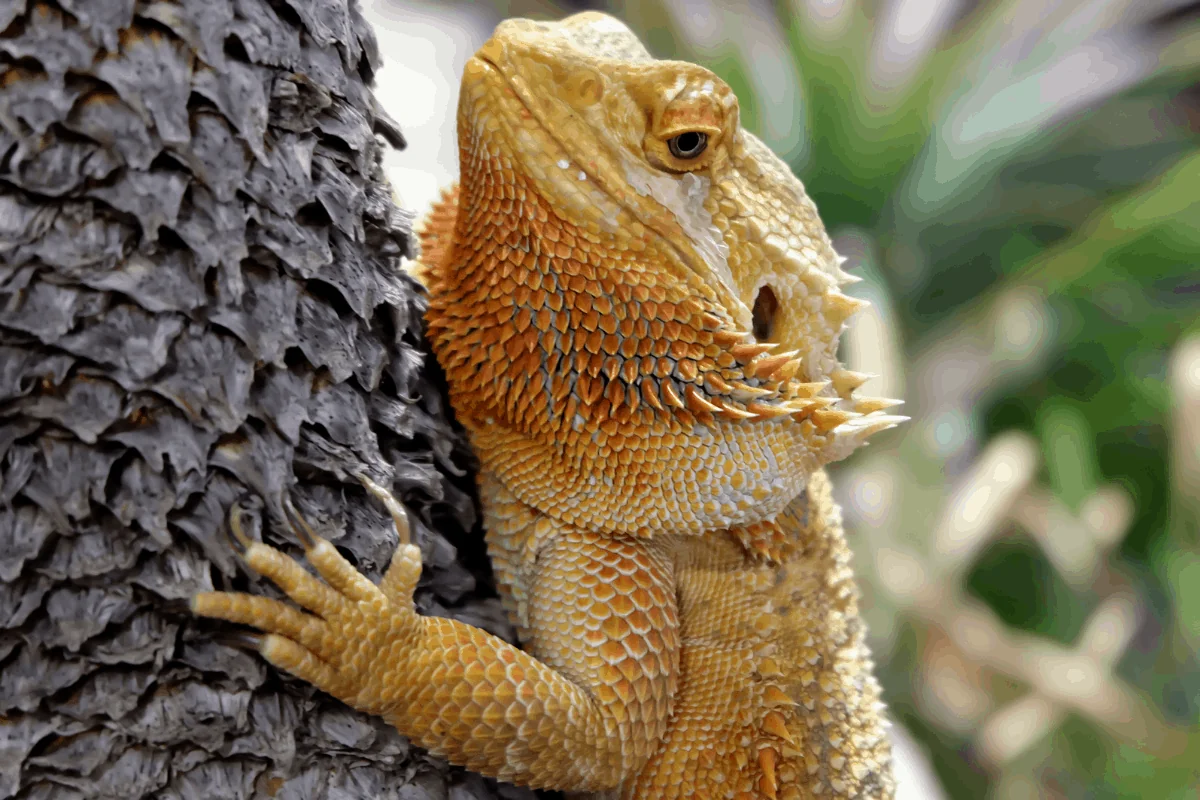
Understanding Bearded Dragon Activity Levels
Bearded dragons, native to the arid regions of Australia, are fascinating reptiles known for their docile nature and unique behaviors. One of the most critical aspects of caring for these creatures is understanding their activity levels and how they relate to their overall health and well-being. Monitoring your bearded dragon’s activity is essential for ensuring they receive adequate exercise, maintain a healthy weight, and avoid potential health problems. This guide will delve into the intricacies of bearded dragon activity levels, providing you with the knowledge to create a thriving environment for your scaly friend.
Normal Activity vs. Inactivity
Understanding the difference between normal activity and inactivity is fundamental. A healthy bearded dragon is typically active during the day, basking under heat lamps, exploring their enclosure, and occasionally interacting with their surroundings. They may move around to regulate their body temperature, hunt for food, or simply explore. Inactivity, on the other hand, can manifest as prolonged periods of lying still, a lack of interest in food, or a general disinterest in their environment. While some inactivity is normal, especially during periods of digestion or when they are shedding, significant and prolonged inactivity can be a sign of an underlying issue.
Factors Affecting Activity Levels
Several factors influence a bearded dragon’s activity levels. Recognizing these factors is crucial for interpreting your pet’s behavior and providing appropriate care. Consider these influences to create the best environment possible for your bearded dragon.
Age and Activity Level
Younger bearded dragons, often called juveniles, tend to be more active than adults. They are constantly exploring, growing, and developing. As they mature, their activity levels may naturally decrease. While a juvenile dragon might spend hours roaming its enclosure and hunting, an adult dragon might prefer to bask for extended periods and conserve energy. Adjust your expectations and enrichment activities accordingly.
Temperature and Lighting
Temperature and lighting are crucial for a bearded dragon’s health and activity. They require a specific temperature gradient within their enclosure, with a basking spot reaching around 100-110°F (37-43°C). Proper UVB lighting is also essential for vitamin D3 synthesis, which helps with calcium absorption and bone health. Insufficient heat or UVB can lead to lethargy and decreased activity. Make sure you provide the correct environment for your pet.
Health Conditions
Various health issues can impact a bearded dragon’s activity level. Parasitic infections, metabolic bone disease, respiratory infections, and other illnesses can cause lethargy and decreased interest in food and activity. If you notice a significant change in your dragon’s behavior, it’s essential to consult a veterinarian specializing in reptiles for diagnosis and treatment. Early detection and treatment are key to ensuring your dragon lives a long, healthy life.

Monitoring Your Bearded Dragon’s Exercise

Effective monitoring is key to understanding your bearded dragon’s exercise needs. The following are the methods to keep track of your pet.
Daily Observation
The most straightforward way to monitor your bearded dragon’s activity is through daily observation. Observe their behavior throughout the day. Note their movements, where they spend their time, and their interactions with their environment. Look for any changes in their routine, such as decreased basking time, reduced exploration, or a lack of interest in food. A sharp change in activity can be a signal of a problem.
Using a Pet Journal
Keeping a pet journal can be an invaluable tool for tracking your bearded dragon’s activity levels over time. Record their daily behaviors, including feeding habits, basking times, and any unusual occurrences. Note any changes in their activity levels, such as increased lethargy or hyperactivity. A journal helps you identify patterns and recognize subtle changes that might indicate a health issue or a need to adjust their environment. Make a habit of regularly writing in it.
Activity Level Indicators
Several indicators can help you assess your bearded dragon’s activity level. Look for signs such as whether they are moving around, exploring their enclosure, and actively hunting or eating. A healthy dragon should be alert and responsive to their environment. Conversely, watch for signs of inactivity, such as prolonged periods of lying still, lack of interest in food, or a general lack of interaction with their surroundings. Regular monitoring will make these signs easier to recognize.
Diet and Exercise Relation
Diet and exercise are interconnected aspects of a bearded dragon’s health. A balanced diet provides the necessary energy for activity, while exercise helps them burn calories and maintain a healthy weight. Understanding the relationship between these two factors is key to optimizing your pet’s well-being.

Importance of a Balanced Diet

A balanced diet, consisting of insects, vegetables, and occasional fruits, is crucial for providing bearded dragons with the energy they need for activity. Proper nutrition supports their metabolism, muscle development, and overall health. An insufficient diet can lead to lethargy and decreased activity. Conversely, overfeeding can lead to weight gain and reduced mobility, highlighting the need for a carefully planned and monitored diet regime. A nutritious diet fuels your bearded dragon’s active lifestyle.
Types of Exercise
Bearded dragons benefit from a variety of exercise opportunities. These can range from simple activities within their enclosure to more interactive experiences. Incorporating different types of exercise is a great way to ensure your pet stays active and stimulated.
Supervised Time Outside
Supervised time outside, in a safe and secure environment, provides a fantastic opportunity for exercise and exploration. Make sure the area is free from hazards like pesticides, other pets, and direct sunlight. The change of scenery and fresh air can stimulate your bearded dragon. You can also create a small, secure outdoor enclosure with appropriate temperature regulation and shade.
Enclosure Enrichment


Enriching your bearded dragon’s enclosure is a great way to encourage exercise and mental stimulation. Provide climbing structures such as branches, rocks, and elevated platforms. These features encourage movement and exploration, mimicking their natural environment. Hiding places, like caves or hides, also provide security and encourage exploration. Regularly rearranging the enclosure can keep your dragon engaged and active.
Signs of Insufficient Exercise
Recognizing the signs of insufficient exercise is essential for addressing any potential problems. This helps you to act promptly if you notice changes in your bearded dragon’s behavior.
Lethargy and Lack of Appetite
Lethargy, or a general lack of energy, is a primary indicator of insufficient exercise. If your bearded dragon spends most of the day lying still, shows little interest in their surroundings, or is slow to react, it may be a sign of a problem. A lack of appetite can also be a symptom, as exercise helps stimulate their digestive system. If your dragon is sluggish and not eating well, it’s crucial to investigate the cause. Consult with a vet if these issues persist.
Weight Gain

Weight gain is another significant sign of insufficient exercise. Without adequate physical activity, bearded dragons can accumulate excess fat. Monitor your dragon’s weight regularly and adjust their diet or exercise routine if you notice they are putting on weight. A healthy weight is crucial for their overall well-being and preventing potential health issues, so it is important to pay attention to changes in your dragon’s appearance. Consider any changes in its food as well.
Exercise and Mental Stimulation
Exercise and mental stimulation are interconnected. Regular exercise not only keeps your bearded dragon physically healthy but also stimulates their mind, preventing boredom and promoting a more active and engaged life. Mental engagement is just as important as physical exercise.
Providing Enrichment
Enrichment plays a vital role in keeping your bearded dragon mentally stimulated. Providing a varied environment within their enclosure, with climbing structures, hiding spots, and opportunities for exploration, can prevent boredom and encourage activity. Rotate toys and enclosure features to keep them engaged. Interaction with their environment through exploration is key to keeping your pet happy.
Conclusion
Monitoring your bearded dragon’s activity levels is a cornerstone of responsible pet ownership. By understanding the factors that influence their behavior, observing their daily routine, and providing ample opportunities for exercise and mental stimulation, you can ensure your scaly companion thrives. Pay attention to your pet’s behavior and make changes accordingly, and you’ll enjoy a happy, healthy bearded dragon for many years.