Understanding Bearded Dragons and Sunlight
Bearded dragons, native to the arid regions of Australia, are diurnal reptiles, meaning they are most active during the day. Sunlight is absolutely crucial for their health and well-being. Unlike humans, bearded dragons cannot synthesize vitamin D3 from food alone. They rely on UVB radiation from sunlight to produce vitamin D3, which is essential for calcium absorption. Without adequate UVB, bearded dragons can develop metabolic bone disease (MBD), a potentially fatal condition that weakens their bones and impairs their overall health. Understanding this fundamental need is the first step in designing a suitable enclosure.
The Importance of Sunlight for Bearded Dragons
Sunlight plays a vital role in several aspects of a bearded dragon’s life. Firstly, it provides the necessary UVB radiation for vitamin D3 synthesis, as mentioned earlier. Vitamin D3 facilitates calcium absorption, which is critical for strong bones, healthy teeth, and proper muscle function. Secondly, sunlight helps regulate the bearded dragon’s circadian rhythm, ensuring they sleep and wake at the appropriate times. Furthermore, the warmth from the sun helps them regulate their body temperature, as they are ectothermic, meaning they rely on external sources for heat. Moreover, natural sunlight encourages natural behaviors, providing mental enrichment and reducing stress. A bearded dragon exposed to adequate sunlight is more active, alert, and exhibits more natural behaviors like basking and foraging.

Risks of Insufficient Sunlight Exposure
Insufficient sunlight exposure can lead to a range of health problems for bearded dragons. Metabolic Bone Disease (MBD) is the most common and severe consequence. This condition results in weak, brittle bones that can fracture easily. Other signs of MBD include lethargy, loss of appetite, and muscle tremors. Additionally, lack of sunlight can weaken the immune system, making them more susceptible to infections. Insufficient UVB exposure can also affect their metabolism, leading to obesity and other health complications. Therefore, providing access to natural sunlight or high-quality UVB lighting is non-negotiable for responsible bearded dragon ownership. Regular vet check-ups are important to monitor health and address any potential issues before they escalate.

Designing an Enclosure for Natural Sunlight

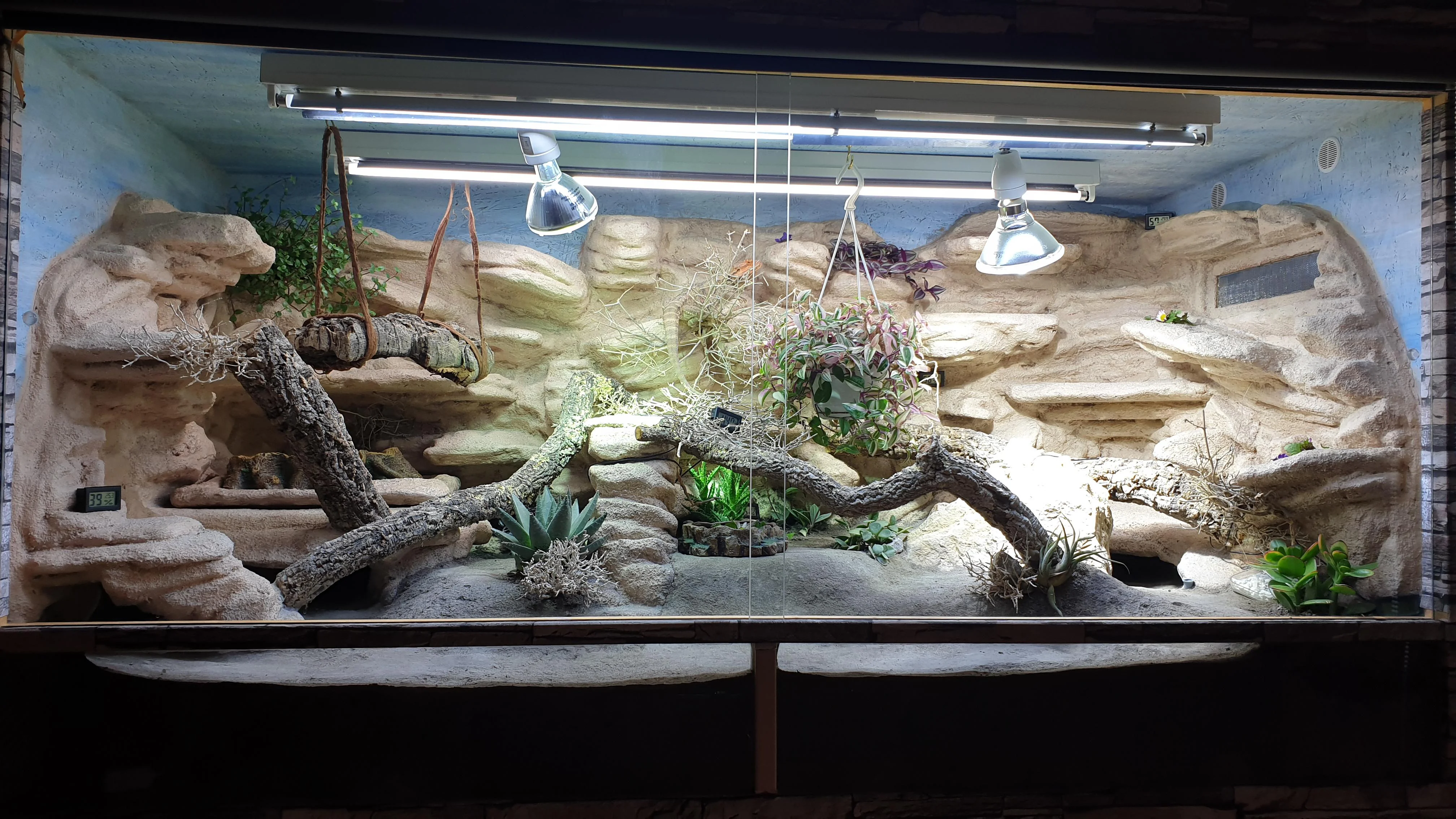
Designing an enclosure that incorporates natural sunlight requires careful planning and consideration. The primary goal is to provide safe and effective access to UVB radiation. This means creating an environment where the bearded dragon can bask in the sun without overheating or being exposed to harmful elements. Consider the following factors when designing an enclosure, as this can be one of the most important aspects of their health and longevity. Ensure the enclosure is large enough to accommodate the dragon’s size, allowing space for basking, hiding, and movement. The enclosure should ideally be placed near a window or in a location where it can receive direct sunlight for several hours each day. Proper ventilation and temperature gradients are critical to provide the right environment.
Choosing the Right Location for Sunlight
Selecting the appropriate location is the first step in incorporating natural sunlight. Ideally, place the enclosure near a window that receives direct sunlight for at least 4-6 hours per day. East-facing windows are excellent for morning sunlight, while south-facing windows provide the most intense light throughout the day. Avoid placing the enclosure near windows that get direct sunlight all day, which can lead to overheating. Carefully assess the surrounding environment to ensure the area is safe and free from drafts. Consider the positioning relative to the sun’s path throughout the year, as the angle and intensity of sunlight change seasonally.
Orientation of the Enclosure
The orientation of the enclosure within the selected location is crucial. Position the enclosure so the basking spot is directly in the path of the sunlight. This allows the bearded dragon to easily access the UVB rays. Consider how the sun moves across the sky during the day. You may need to adjust the enclosure’s position seasonally to maximize sunlight exposure. Ensure the basking spot is away from the glass to prevent overheating, and provide shaded areas within the enclosure so the bearded dragon can retreat from the direct sun. The enclosure’s design should allow for a clear path for the sunlight to reach the basking area.

Maximizing Sunlight in Your Enclosure
Several design choices can maximize the amount of sunlight your bearded dragon receives. Utilize a screen top on the enclosure, as solid lids can block a significant amount of UVB radiation. Choose a screen material with a low UV blockage percentage. Provide multiple basking spots at different heights to allow the dragon to regulate its body temperature. The basking spot should be made of a material that retains heat, such as slate or ceramic tile. Incorporate climbing branches and platforms to encourage movement and provide more opportunities for basking. Ensure that the enclosure is spacious enough to accommodate these features, and provide adequate ventilation to prevent overheating.
Glass and UV Light Considerations
Glass blocks a significant portion of UVB radiation. Therefore, placing the enclosure directly behind a glass window is not ideal. The glass acts as a filter, preventing the beneficial UVB rays from reaching the bearded dragon. If direct sunlight is not possible, you must provide a high-quality UVB light source. Choose a UVB bulb specifically designed for reptiles, and follow the manufacturer’s recommendations for distance and replacement schedules. In cases where the enclosure is placed near a window, ensure that the basking spot is outside of the direct path of the glass, or supplement with an appropriate UVB bulb. This is critical to ensure the bearded dragon receives the UVB it needs for vitamin D3 synthesis.
Creating a Safe and Natural Habitat
While sunlight is essential, creating a safe and natural habitat is equally important. The enclosure should mimic the bearded dragon’s natural environment, with appropriate temperature gradients, humidity levels, and enrichment opportunities. This ensures the bearded dragon’s physical and psychological well-being. Provide hides, plants, and a variety of substrates to offer a stimulating environment. Ensure that the enclosure is escape-proof and that all materials are non-toxic.
Choosing the Right Substrate

The substrate, or the material that covers the bottom of the enclosure, plays a critical role in the overall health and safety of your bearded dragon. Avoid loose substrates like sand, as they can cause impaction if ingested. Safe substrate options include reptile carpet, paper towels, or tile. If you choose to use a loose substrate, such as a bioactive mix, ensure it is non-toxic and that the enclosure is well-maintained to prevent the spread of bacteria and parasites. The right substrate can also help regulate humidity and create a more natural environment.

Adding Plants and Enrichment
Adding live or artificial plants and other forms of enrichment can significantly improve the quality of life for your bearded dragon. Live plants can help maintain humidity levels and provide hiding places. Ensure that any live plants are non-toxic and safe for consumption. Enrichment opportunities include climbing branches, rocks, and various toys. These elements encourage natural behaviors and reduce stress. Changing up the enclosure’s layout periodically can help keep the bearded dragon stimulated and prevent boredom. Providing a varied and stimulating environment contributes to a healthy and happy bearded dragon.
Temperature and Humidity Regulation

Bearded dragons require a specific temperature gradient within their enclosure to regulate their body temperature. The basking spot should be the warmest area, while the cooler end of the enclosure should be significantly lower. Use a thermometer to monitor the temperatures accurately, ensuring that the basking spot is between 100-110°F (38-43°C) and the cooler end is around 75-85°F (24-29°C). Humidity levels should be maintained between 30-40%. Use a hygrometer to monitor humidity and adjust as needed. Proper temperature and humidity regulation is crucial for their digestion, immune function, and overall well-being. Incorrect temperatures and humidity can quickly lead to health problems.
Monitoring and Maintenance
Regular monitoring and maintenance are essential to ensure the enclosure is safe and providing the necessary conditions for your bearded dragon. This includes checking the temperature, humidity, and UVB levels, as well as cleaning and maintaining the enclosure. A consistent schedule of monitoring and cleaning will ensure that your bearded dragon stays healthy. Proper hygiene practices within the enclosure minimize the risk of disease and provide the ideal environment for a thriving bearded dragon.
Regular Monitoring of UV Levels
If you are using a UVB light, it is crucial to monitor its output regularly. UVB bulbs degrade over time, and their effectiveness diminishes. Use a UVB meter to measure the intensity of the UVB radiation. Replace the bulb according to the manufacturer’s recommendations, usually every 6-12 months, depending on the type of bulb. Also, keep in mind the distance between the bulb and the basking spot. This ensures that your bearded dragon is receiving adequate and safe levels of UVB. Regular monitoring is paramount for preventing MBD and ensuring a healthy bearded dragon.
Cleaning and Maintenance Schedule
Establish a regular cleaning and maintenance schedule for the enclosure. Spot clean the enclosure daily, removing any feces or uneaten food. Clean the water and food bowls regularly. Replace the substrate regularly, depending on the type and the level of use. Thoroughly clean and disinfect the entire enclosure monthly, including all decorations and accessories. Use reptile-safe cleaners and disinfectants. A clean enclosure reduces the risk of bacterial infections and ensures a healthy environment for your bearded dragon. Proper sanitation and maintenance are essential for the long-term health of the pet.
Benefits of Natural Sunlight Exposure
Providing access to natural sunlight offers numerous benefits for bearded dragons. The most significant benefit is the provision of natural UVB radiation, which is essential for vitamin D3 synthesis and calcium absorption. Sunlight also helps regulate their circadian rhythm, promoting natural sleep patterns and activity levels. Exposure to natural sunlight can boost the immune system, making them more resistant to disease. Additionally, sunlight provides mental enrichment, encouraging natural behaviors and reducing stress. Overall, providing natural sunlight improves the quality of life and overall well-being of your bearded dragon.
In conclusion, designing a bearded dragon enclosure that incorporates natural sunlight requires careful planning and attention to detail. By understanding the importance of sunlight, choosing the right location, and creating a safe and stimulating environment, you can provide your bearded dragon with the best possible care. Remember to regularly monitor the enclosure’s temperature, humidity, and UVB levels to ensure your pet’s long-term health and happiness.