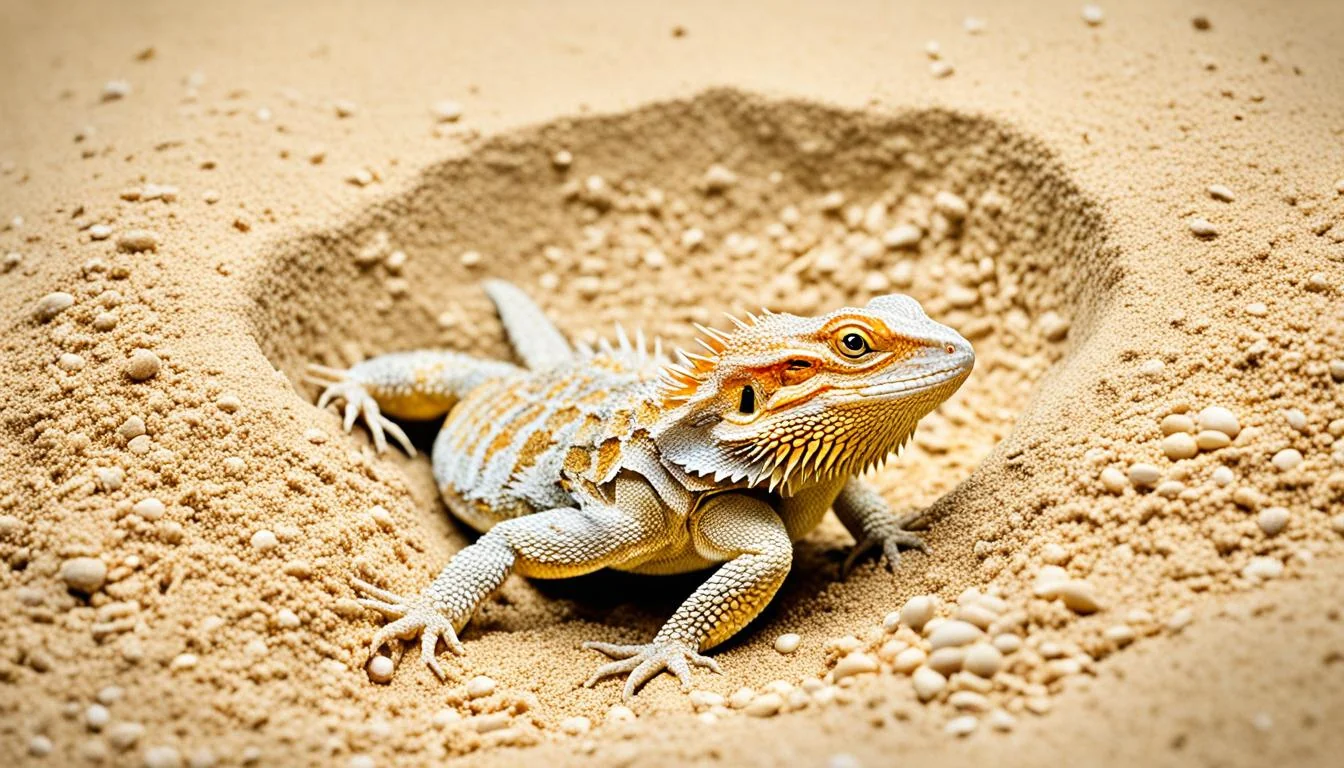
Bearded Dragons Egg Laying Overview
Bringing a bearded dragon into your home is an exciting experience, and understanding the egg laying process is crucial if you have a female. This guide is designed specifically for beginners, providing a comprehensive overview of what to expect when your bearded dragon is ready to lay eggs. From recognizing the initial signs to providing the right environment and care, you’ll learn everything you need to ensure the health and well-being of your pet. This knowledge empowers you to provide the best possible care, allowing your bearded dragon to have a safe and stress-free egg-laying experience. Being prepared is key, and this guide will help you every step of the way.
Recognizing the Signs of Egg Laying
Identifying the signs that your bearded dragon is about to lay eggs is the first step in providing the necessary care. Changes in behavior and physical appearance are key indicators. Recognizing these signs early on allows you to prepare appropriately, reducing stress on your dragon and ensuring a smoother process. Keep a close eye on your dragon’s routine and physical condition, as this will help you anticipate and respond to her needs.
Changes in Behavior
One of the first signs you might notice is a change in your bearded dragon’s behavior. She may become restless, spending more time digging or pacing in her enclosure. She might also become less active or show a loss of appetite. Some dragons become more irritable or aggressive. It is also common for a female bearded dragon to become reclusive, seeking out quiet, secluded spots in her enclosure. These behavioral shifts are nature’s way of preparing her for the egg-laying process, and understanding these cues can help you prepare her environment accordingly. Observing these behavior changes are vital.
Physical Changes
In addition to behavioral changes, you’ll also observe physical changes in your bearded dragon. She may develop a swollen abdomen as the eggs develop. You might even be able to feel the eggs gently by palpating her belly. Be very careful when handling her during this time, as she’ll be more sensitive. Another physical sign is a noticeable increase in weight. Monitor her body condition to identify these changes effectively. These physical changes are a clear indication that your bearded dragon is preparing to lay eggs, and appropriate action should be taken to make her comfortable and facilitate the process.

Preparing for Egg Laying
Once you’ve recognized the signs of egg laying, it’s time to prepare your bearded dragon’s environment. Providing a suitable nesting site and maintaining the correct temperature and humidity levels are crucial for a successful egg-laying experience. These preparations will help to reduce stress on your dragon, promoting her health and well-being throughout the process. Preparing her environment will make her feel safe and comfortable.
Providing a Laying Box
The most important step is to provide a suitable laying box. This should be a container large enough for your bearded dragon to comfortably dig and turn around in. Fill the box with a substrate that holds its shape when a tunnel is dug. Good options include a mix of organic topsoil and play sand, or moistened vermiculite. Place the laying box in a warm, quiet area of the enclosure where your dragon can feel safe and undisturbed. This laying box will act as a sanctuary, and it’s important it is in a peaceful area.
Substrate and Placement
The substrate in the laying box is crucial. It should be deep enough for your dragon to dig a tunnel and strong enough to hold its shape. Moisten the substrate to help the walls of the tunnel stay intact. Position the laying box in a stable, easily accessible location within the enclosure. Make sure the container is placed away from heat sources and direct light, where your dragon can feel secure. A well-prepared substrate will allow your bearded dragon to lay her eggs comfortably.
Optimal Temperature and Humidity
Maintaining the correct temperature and humidity is vital for the egg-laying process. The enclosure should have a basking spot and a cooler side, providing a temperature gradient. Aim for a humidity level between 40-60%. Use a thermometer and hygrometer to monitor the conditions. Keep the enclosure clean and well-ventilated. This helps prevent bacteria and mold growth. This creates a comfortable and healthy environment for your dragon, helping facilitate the entire egg laying process.
The Egg Laying Process
The egg-laying process itself can be a stressful time for your bearded dragon, and understanding what to expect can help you to support her. Knowing the timeframe and what to do during this critical period will ensure the best possible outcome for both your dragon and the eggs. By preparing, monitoring, and providing support, you can help your bearded dragon have a safe experience during this important time in her life.
Egg Laying Timeframe
The egg-laying process can last anywhere from a few hours to a few days. Your dragon will dig in the laying box, lay her eggs, and then cover them up. She may lay multiple clutches of eggs, and the timeframe between clutches can vary. It’s essential to remain patient during this time, providing her with a safe and undisturbed environment. The entire process, from digging to covering the eggs, can take several hours. Patience is key during this time.
What to Do During Egg Laying
During the egg-laying process, it is important to keep a close eye on your dragon without disturbing her. Ensure that she has access to fresh water and keep the enclosure clean. Do not handle her unless necessary. If she has difficulty laying eggs (dystocia), which is rare, contact a veterinarian immediately. Otherwise, let her do her work without interruptions. Providing support and keeping a close eye on your dragon will help her lay her eggs safely.

Post-Laying Care for Your Bearded Dragon

After your bearded dragon has laid her eggs, it’s essential to provide post-laying care to ensure her health and well-being. This includes focusing on her nutritional needs, monitoring her health, and deciding what to do with the eggs. Providing care can help your dragon recover from the egg-laying process and stay healthy. Proper post-laying care will enable her to recover and stay in good health.
Nutritional Needs After Egg Laying


Egg laying can deplete a bearded dragon’s energy and resources. Provide her with a nutrient-rich diet. This includes offering a variety of insects, such as crickets and dubia roaches, and leafy greens, like collard greens and dandelion greens. Supplement her diet with calcium and vitamin D3. Ensure she has access to fresh water at all times. The extra nutrition and water will help her recover and replenish her depleted energy stores.
Monitoring Health
After egg laying, continue to monitor your bearded dragon’s health closely. Look for any signs of illness, such as lethargy, loss of appetite, or changes in stool. Check for any retained eggs, which can cause serious health issues. If you notice any concerning signs, consult with a veterinarian immediately. Regular health monitoring is vital for a healthy bearded dragon. Prompt treatment is essential to prevent any health complications.
Deciding What to Do With the Eggs
Once the eggs are laid, you’ll need to decide what to do with them. You can choose to incubate the eggs if you want to breed your bearded dragons. If you do not want to breed, you can discard the eggs or freeze them to prevent any accidental hatching. Be sure to research the incubation process thoroughly before attempting to hatch the eggs. Educate yourself on incubation to ensure successful breeding or a safe way to dispose of the eggs.
In conclusion, understanding the bearded dragon egg laying process is essential for responsible pet ownership. By recognizing the signs, preparing the environment, supporting your dragon during laying, and providing post-laying care, you can ensure the health and well-being of your pet. This guide provides everything you need to know as a beginner. With proper care, you can provide the best experience for your bearded dragon.