What is Egg Candling for Bearded Dragons?
Egg candling is a crucial technique for bearded dragon breeders, enabling the visualization of a developing embryo within an egg. This non-invasive method involves shining a bright light source through the eggshell in a darkened environment. Candling allows breeders to determine whether the eggs are fertile, monitor the embryo’s development, and identify any potential issues. Understanding the process of egg candling is essential for anyone involved in breeding bearded dragons, providing valuable insights into the health and viability of the eggs.
Why Candle Bearded Dragon Eggs?
Candling bearded dragon eggs serves several vital purposes. Firstly, it helps in confirming fertility. By observing the presence of veins and an developing embryo, breeders can ascertain whether the eggs have been successfully fertilized. Secondly, candling allows for the monitoring of the embryo’s growth. The visual progress helps assess the health and development of the growing baby dragons. Thirdly, candling provides a way to identify infertile or non-viable eggs early on. This early detection is important to remove any eggs that could spoil and prevent potential infections, protecting the health of other viable eggs and the overall incubation process. (Image: bearded-dragon-egg-candling-intro.webp)
Essential Candling Tools


To perform egg candling effectively, you’ll need a few essential tools. The primary tool is a strong light source. An LED flashlight or a specialized egg candler is recommended, providing a bright, focused beam of light. You’ll also need a dark environment, such as a dimly lit room or a darkroom, to maximize visibility. Additionally, a soft, clean cloth or paper towels are helpful for handling the eggs gently and cleaning them if necessary. Optional tools include a magnifying glass for closer inspection and a notebook or log to record your observations. (Image: egg-candling-tools.webp)
The Best Candling Method for Bearded Dragon Eggs
The ideal candling method involves a systematic approach. First, gather your eggs and ensure they are clean and dry. Place the egg carefully against the light source in a darkened room. Gently rotate the egg, observing its contents. Look for the presence of blood vessels, a developing embryo, and any signs of abnormality. Record your observations and repeat the process for each egg. Be careful not to overheat the eggs with the light source. The entire process should be performed carefully and without causing the eggs any undue stress or changes in temperature or humidity.
Preparing Your Bearded Dragon Eggs
Before candling, proper preparation is crucial. First, ensure the eggs are handled gently and with clean hands to prevent contamination. Carefully remove any substrate or debris from the eggshells. Next, create a dark environment to enhance visibility. A darkened room or using a dark cloth to cover the eggs can be very helpful. Finally, gather your candling tools and have a record-keeping system, such as a notebook or a digital log, ready to document your observations. Careful preparation will help ensure accurate results and make the candling process smoother. (Image: candling-bearded-dragon-egg-setup.webp)
Candling Step by Step Guide
Follow these steps for successful candling: Start by gathering your equipment in a dimly lit room. Gently pick up an egg and position the bright light source against the eggshell. Slowly rotate the egg, carefully looking for signs of development. Note the appearance of the yolk, blood vessels, and the embryo. Compare the appearance of each egg to your reference knowledge of developing bearded dragon eggs. Document your findings in your log, noting whether each egg appears fertile or infertile. Repeat these steps for each egg, making sure to handle them with care. Regularly candling will provide the knowledge of the eggs development and make for a better result overall.
Identifying Fertile Eggs
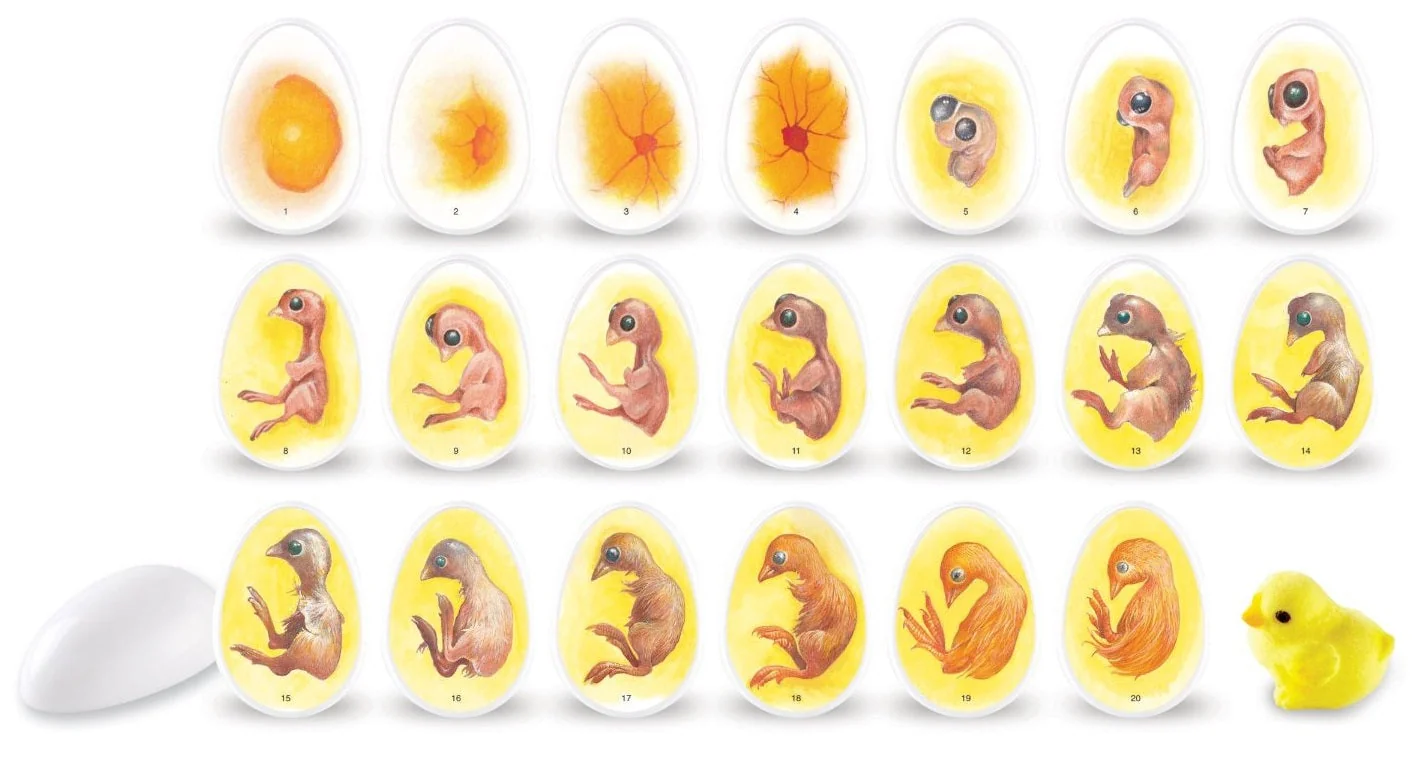
When candling, fertile eggs will display distinct characteristics. You should first look for visible blood vessels, radiating from a central point, indicating the presence of a developing embryo. As the embryo grows, you might see a small, dark spot, which will eventually become more developed. This is the embryo itself. The yolk should appear clear and translucent initially, gradually becoming less visible as the embryo consumes it. The appearance of these features confirms that the egg is fertile and developing properly. (Image: fertile-bearded-dragon-egg.webp)
Identifying Infertile Eggs
Infertile eggs exhibit specific characteristics that distinguish them from fertile eggs. Infertile eggs will lack any visible blood vessels or a developing embryo. They may appear clear or translucent, with no signs of development. Sometimes, infertile eggs may have a uniformly yellow or orange yolk. It is important to note any changes to the egg over time. Infertile eggs may also show signs of deterioration, such as a discolored yolk or a foul odor. Promptly identifying and removing infertile eggs is crucial for preventing potential contamination and infection within the incubator. (Image: infertile-bearded-dragon-egg.webp)


Incubator Setup for Bearded Dragon Eggs
The incubator setup is extremely important for successful hatching of bearded dragon eggs. Maintain a stable temperature between 82-88°F (28-31°C), critical for the embryo’s development. Use a high-quality thermometer and a thermostat to constantly monitor and regulate the temperature. Humidity is also important. Keep humidity levels around 70-80% by using a container with water inside the incubator. Place the eggs in a suitable substrate, such as vermiculite or perlite, that is slightly moistened. Adequate ventilation is also essential to prevent mold growth and ensure proper gas exchange. (Image: incubator-setup-bearded-dragon-eggs.webp)
Maintaining Optimal Incubator Conditions
Consistency is key when maintaining an incubator. Regularly monitor and adjust temperature and humidity levels as needed. Check the water container every day to ensure a moist environment. Keep the incubator clean by removing any spilled substrate or mold. Inspect the eggs regularly for any signs of mold or deterioration. Avoid opening the incubator frequently, as this can cause fluctuations in temperature and humidity. Maintaining a stable environment will increase the chances of successful hatching. Make sure to give each egg plenty of time to hatch, do not interrupt the process.

Troubleshooting Candling Issues
Candling can sometimes present challenges. One common issue is difficulty seeing through the eggshell due to its thickness or color. If the egg is hard to see through, make sure you have a bright light source. Another issue could be misinterpreting the contents of the egg. If you are unsure, it is always best to consult an expert. If you suspect a problem, check the incubator’s settings, and adjust if needed. Regularly review your candling logs for patterns or recurring issues. With practice, you can solve most candling-related problems. (Image: bearded-dragon-egg-candling-timeline.webp)
Candling Schedule and Timeline
A well-defined candling schedule is important for tracking the development of your eggs. Begin candling around 7-10 days after incubation, checking for early signs of fertility. Candle again at 14-21 days to assess the embryo’s growth. Repeat candling every week to monitor the progress of the embryo. Keep a detailed log of your observations, including any changes in the appearance of the eggs. By following this schedule, you can monitor the eggs health and predict when they will hatch. (Image: bearded-dragon-egg-candling-timeline.webp)
What to Expect During Hatching
As hatching nears, expect to see changes. The eggshell may begin to show cracks or slight depressions as the baby dragon prepares to emerge. You might see the baby dragon moving inside the egg. Avoid disturbing the eggs during the hatching process, as it can be a delicate time. Once the baby bearded dragon has hatched, allow it to absorb its yolk sac fully before moving it to a separate enclosure. Provide fresh water and appropriate food for the hatchlings. Celebrate the success of your breeding efforts and enjoy watching your new baby dragons grow. (Image: baby-bearded-dragon-hatching.webp)