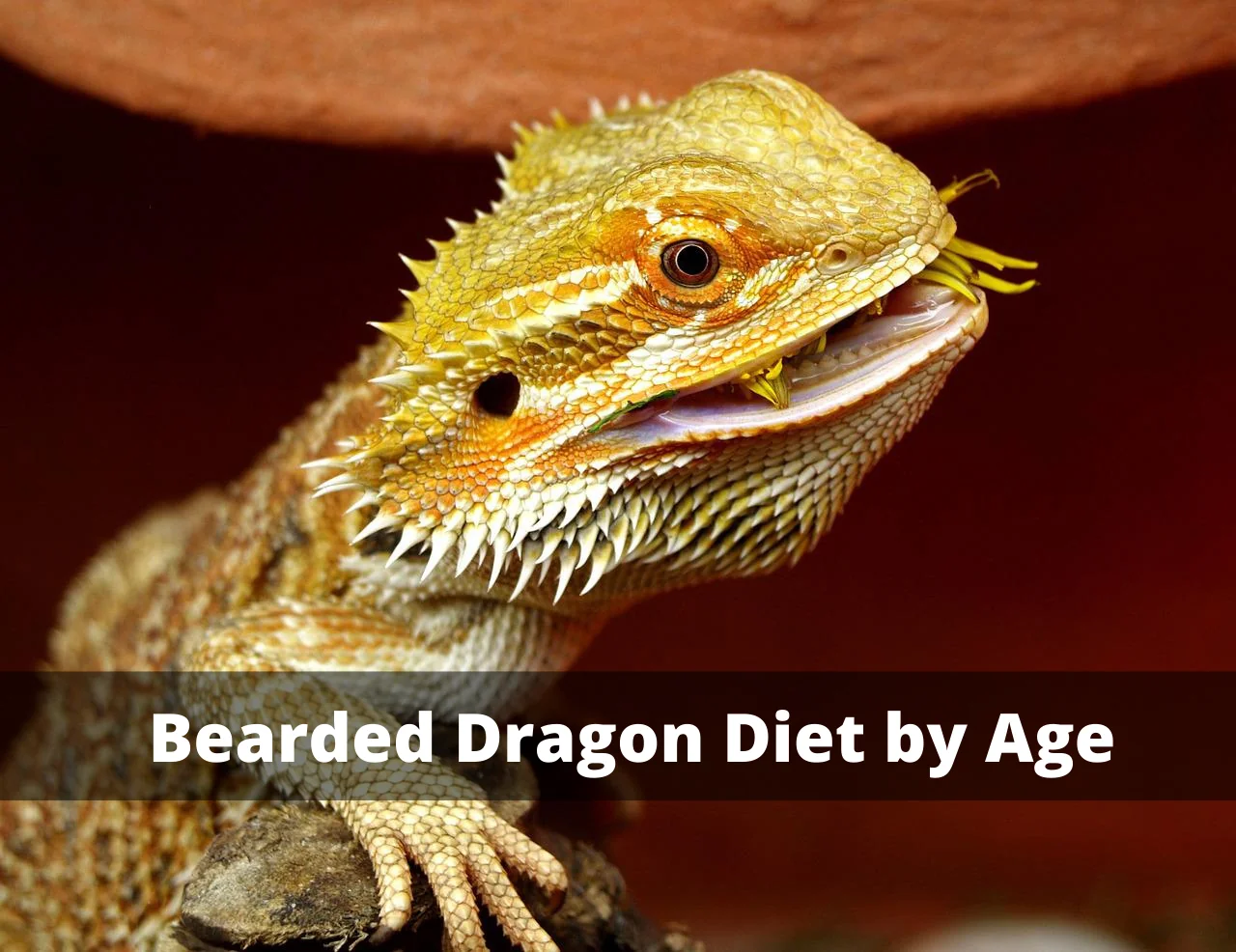
Understanding Bearded Dragon Metabolism
The metabolic rate of a bearded dragon is a complex process that dictates how efficiently it converts food into energy. Understanding this process is crucial for ensuring your pet thrives. A healthy metabolism allows your dragon to grow, repair tissues, and maintain optimal body functions. Several factors influence a bearded dragon’s metabolic rate, including age, size, activity level, and the temperature of its environment. Providing the right diet is the cornerstone of supporting a healthy metabolism, and this involves carefully considering what your dragon eats.
Factors Influencing Metabolism
Several factors directly impact a bearded dragon’s metabolic rate. Recognizing these can help you tailor your dragon’s care. Dragons, like other reptiles, are ectothermic, meaning their body temperature relies on their environment. An understanding of these factors allows you to fine-tune your dragon’s environment and feeding habits, improving its overall health and well-being. A healthy metabolic rate is not just about what they eat; it’s about the entire ecosystem of their care.
Age and Size
Young, growing bearded dragons have a higher metabolic rate compared to adults. This is because they require more energy for growth and development. As dragons mature, their metabolic rate slows down. The size of your dragon also plays a role; larger dragons generally have a higher overall metabolic rate, but the rate per unit of body mass is often lower compared to younger dragons. Adjusting the diet based on age and size ensures your bearded dragon gets the right amount of nutrients.
Activity Level
Active bearded dragons tend to have a higher metabolic rate. Providing a spacious enclosure with opportunities for climbing and exploring encourages activity, which in turn boosts metabolism. Conversely, a sedentary lifestyle can slow down metabolism. This is particularly important for indoor-kept dragons. Encouraging activity is as important as the diet itself for keeping your pet healthy and energetic.
Temperature
Temperature is crucial for a bearded dragon’s metabolism. As ectotherms, they rely on external heat sources to regulate their body temperature. Providing a basking spot with the correct temperature range allows the dragon to digest food and metabolize nutrients efficiently. A temperature gradient within the enclosure is essential, allowing the dragon to thermoregulate and control its metabolic rate. Maintaining the appropriate temperature is non-negotiable for maintaining a healthy dragon.

The Importance of Diet
Diet plays a central role in a bearded dragon’s metabolism. The food they consume provides the necessary nutrients for energy production, growth, and overall health. A well-balanced diet ensures that the dragon gets the right amounts of proteins, vitamins, and minerals. Conversely, a poor diet can lead to metabolic imbalances, affecting digestion, growth, and immune function. Therefore, it’s important to choose the right foods to support its metabolic rate.
Essential Nutrients for Bearded Dragons
Bearded dragons require a balanced diet of protein, vegetables, and fruits to maintain optimal health. Each nutrient plays a specific role in metabolism and overall well-being. Understanding the dietary needs of a bearded dragon is the first step toward ensuring a long and healthy life. These nutrients work synergistically, and any deficiency can lead to metabolic disorders. A detailed look at each essential component is essential for the dragon’s health.
Protein Sources
Protein is vital for muscle development, tissue repair, and various metabolic processes. Insects are the primary source of protein for bearded dragons in the wild. The protein should come from safe, nutritious insect sources. These insects not only provide protein but also contain essential fats and vitamins. Supplementing the diet with a variety of protein sources ensures your bearded dragon gets a complete nutrient profile.
Insects

Insects form the cornerstone of a bearded dragon’s protein intake. They provide essential amino acids necessary for growth and metabolism. When choosing insects, consider nutritional content and ease of digestion. Always dust insects with calcium and vitamin D3 supplements to ensure proper bone health. Provide insects that are gut-loaded with nutritious foods before feeding them to your dragon, to further boost their nutritional value. Different insects provide varying nutritional profiles; offering a variety ensures a balanced diet.
Vegetables
Vegetables are an essential part of a bearded dragon’s diet, providing vitamins, minerals, and fiber for healthy digestion. Choose a variety of leafy greens and other vegetables known for their nutritional value. These also add crucial vitamins and minerals to the diet. Ensure that vegetables are washed thoroughly before feeding to remove any pesticides. Vegetables, in conjunction with insects, provide a rounded dietary profile that supports metabolic functions.

Fruits
Fruits, while not as essential as vegetables, can be offered in moderation as treats. Fruits provide natural sugars and vitamins. Always choose fruits that are safe for bearded dragons. Fruits should be a small part of the diet, as excessive sugar can lead to health problems. Fruits add variety and provide a source of hydration, and small portions are a beneficial supplement to the diet.
Calcium and Vitamin D3
Calcium and vitamin D3 are crucial for bone health and metabolism. Vitamin D3 aids in the absorption of calcium. These nutrients are vital for the skeletal development and overall health of the dragon. Supplementing the diet with calcium and vitamin D3 is essential, especially for dragons kept indoors. Ensure a balanced ratio of calcium and phosphorus in the diet. Supplementing their diet is crucial for preventing metabolic bone disease and other health issues.
Top Foods to Boost Bearded Dragon Metabolism
Certain foods can significantly contribute to a healthy metabolism in bearded dragons. These foods are rich in essential nutrients and are easily digestible. Including these foods in your dragon’s diet can help ensure optimal metabolic function and overall health. These foods are also beneficial in providing important vitamins and nutrients to help your dragon thrive.
High-Protein Insects
High-protein insects are a great source of energy, crucial for maintaining a high metabolic rate. These insects not only provide protein but also contain essential fats and vitamins. The type of insects you choose can make a significant difference in your dragon’s health. Always ensure the insects are gut-loaded with nutritious foods before feeding to your bearded dragon, which maximizes their nutritional value.
Crickets
Crickets are a readily available and excellent source of protein for bearded dragons. Their high protein content and ease of digestion make them a popular choice. Always ensure the crickets are gut-loaded before feeding. Gut-loading involves feeding the crickets nutritious foods. Crickets provide a well-rounded dietary addition to a bearded dragon’s diet, and most dragons love the taste.
Dubia Roaches
Dubia roaches are another excellent protein source. They are high in protein and relatively low in chitin, which makes them easier to digest. They also provide a good balance of nutrients. Dubia roaches have a longer lifespan than crickets, offering convenience in care. These roaches are a great source of protein and nutrients, essential for a healthy and efficient metabolism.
Vegetables with High Nutritional Value
Certain vegetables are packed with essential nutrients and are beneficial for metabolism. These vegetables provide vitamins, minerals, and fiber. Providing a variety ensures that your dragon gets all the necessary nutrients for a healthy metabolism and overall well-being. Always choose vegetables carefully and avoid those that are high in oxalates or other compounds that can interfere with nutrient absorption.
Collard Greens
Collard greens are a nutritional powerhouse, providing vitamins, minerals, and fiber. They are a great source of calcium and low in oxalates, making them an excellent choice for bearded dragons. Collard greens support healthy digestion and overall metabolic function. They are easy to prepare and readily accepted by most bearded dragons.

Mustard Greens
Mustard greens are also an excellent choice. They are rich in vitamins and minerals and provide a good source of fiber. The nutrients in mustard greens support healthy metabolic processes. They provide variety to the diet and enhance nutrient absorption. Mustard greens are also easy to incorporate into the dragon’s diet.

Foods to Avoid
Not all foods are suitable for bearded dragons. Some foods can interfere with metabolism or cause other health problems. Recognizing and avoiding these foods is crucial for your dragon’s well-being. It is important to educate yourself on what to avoid when feeding your bearded dragon. Avoiding these foods will help promote a healthy metabolism.
Oxalate-Rich Foods
Oxalates can bind with calcium and prevent its absorption, leading to nutritional deficiencies. Avoid foods high in oxalates. These can interfere with the absorption of essential nutrients. Monitor your dragon for any signs of calcium deficiency. Reducing the amount of oxalates is essential for maintaining proper metabolism and health.

High-Sugar Fruits
Excessive sugar intake can lead to weight gain and metabolic imbalances. Provide fruits in moderation and choose low-sugar options. This will help in preventing health issues. It is essential to monitor the quantity of sugar your bearded dragon consumes. Limiting sugary foods helps to maintain a healthy weight and a strong metabolism.
Feeding Schedule and Portion Control
Establishing a regular feeding schedule and practicing portion control is essential for supporting healthy metabolism. Proper feeding ensures your dragon receives the right amount of nutrients and energy. A consistent feeding schedule and portion control are essential to maintaining a healthy weight.
Feeding Frequency
The frequency of feeding varies depending on the dragon’s age. Young, growing dragons need more frequent feedings. Adjust the frequency to the age and the activity levels. The frequency should be adjusted to meet the metabolic needs. This feeding schedule ensures the metabolism is properly supported.
Portion Sizes
Portion sizes are crucial for preventing overfeeding and obesity. Providing the right amount of food ensures that the dragon gets the right balance of nutrients. Monitor your dragon’s weight and adjust the portions as needed. Overfeeding can lead to health issues. The correct portion sizes are critical for maintaining metabolic health.
Hydration and Water
Hydration is essential for metabolism. Water helps with digestion, nutrient transport, and overall bodily functions. Make sure your dragon has access to fresh water at all times. Ensuring that your dragon is properly hydrated is vital for its overall health and metabolism. Monitoring hydration is also important to ensure that your pet is getting the needed intake.
Providing Fresh Water
Always provide fresh, clean water in a shallow dish. The water should be readily accessible. Check the water daily and change it to prevent contamination. Clean water supports healthy digestion. Clean water is essential for a bearded dragon’s well-being and is necessary for proper metabolism.
Monitoring Hydration
Observe your dragon for signs of dehydration, such as sunken eyes, wrinkled skin, and lethargy. Make sure your dragon is well-hydrated. Provide a source of fresh water at all times. Proper hydration is essential for the overall health of your bearded dragon. Hydration is a key component in a healthy metabolism.
Conclusion
A balanced diet is the foundation of a healthy bearded dragon. Providing the right foods in the correct amounts supports optimal metabolism, growth, and overall well-being. By understanding the factors influencing metabolism and the nutritional needs of your dragon, you can create a diet that ensures a long and healthy life for your pet. Prioritizing proper diet, hydration, and environmental factors is key to ensuring your dragon thrives.