Understanding Bearded Dragon Dietary Needs
Bearded dragons, native to Australia, are fascinating reptiles that require a carefully planned diet to thrive. Providing the right nutrition is crucial for their overall health, growth, and weight management. Unlike many pets, bearded dragons have specific dietary requirements that change as they age. Understanding these needs is the first step toward creating a successful diet plan. A well-informed owner ensures their dragon receives the necessary vitamins, minerals, and energy to live a long and healthy life. A healthy diet is key to a happy bearded dragon, supporting everything from their vibrant colors to their active behavior.
The Importance of a Balanced Diet
A balanced diet for a bearded dragon mirrors the importance of a balanced diet in humans. It should provide all the essential nutrients in the right proportions. This includes proteins, carbohydrates, fats, vitamins, and minerals. A diet lacking in any of these can lead to serious health problems, including stunted growth, metabolic bone disease (MBD), and obesity. The right balance of nutrients supports strong bones, healthy organ function, and a robust immune system. Providing a varied diet is the best way to ensure your bearded dragon gets everything it needs to stay healthy and active. Focusing on quality food items is important.

Impact of Diet on Weight
The diet directly impacts a bearded dragon’s weight. Overfeeding or feeding a diet high in fat can lead to obesity, while underfeeding or a diet deficient in essential nutrients can result in weight loss and malnutrition. Monitoring your dragon’s weight is a crucial part of their care. It helps you assess whether the current diet plan is working effectively. Weight fluctuations can also indicate underlying health issues. Regular weigh-ins and adjustments to the diet are essential for maintaining a healthy weight. Proper weight management ensures they are energetic and active and helps prevent health problems later in life. The body composition and energy levels are important too.
Top 5 Bearded Dragon Diet Plans for Weight Management
Plan 1 High Protein Diet
For young, growing bearded dragons, a diet high in protein is crucial. This supports muscle development and overall growth. Good protein sources include insects like crickets, mealworms, and dubia roaches. These insects should be gut-loaded with nutritious food before being fed to your dragon. Ensure the insects are a good size for your dragon, preventing choking hazards. Too much protein, however, can be problematic. A diet rich in protein is especially important for juveniles and for dragons recovering from illness. Overfeeding may lead to health problems. Careful monitoring of the protein intake is advised.
Suitable Protein Sources

The best protein sources for bearded dragons include insects like crickets, dubia roaches, and black soldier fly larvae. These insects are packed with essential amino acids needed for growth. They should be supplemented with a calcium and vitamin D3 powder to ensure proper bone development. Avoid feeding wild-caught insects, as they may carry parasites or pesticides. Variety is key: rotate between different insect types to provide a range of nutrients. The goal is to feed insects that are both nutritious and safe. Mealworms can be fed in moderation due to their high chitin content, which may be difficult for some dragons to digest. Always check the origin and quality of insects before feeding them.
Feeding Schedule
A proper feeding schedule is key to ensuring a bearded dragon gets the right amount of protein. Young dragons, under a year old, need to be fed insects two to three times a day. Adults can be fed once a day or every other day, depending on their size and activity level. Always provide fresh, clean water. Adjust the feeding schedule as your dragon ages. A consistent feeding time helps regulate their metabolism and digestion. Portion control is important to avoid overfeeding and obesity. The feeding schedule also includes providing a variety of insects and vegetables to prevent nutritional deficiencies.
Plan 2: Balanced Greens and Insects
A balanced diet incorporates both insects and greens. This plan is designed to give your bearded dragon a variety of essential nutrients while maintaining a healthy weight. Insects should make up a portion of the diet, especially for younger dragons. The other part of the diet should be a variety of leafy greens, vegetables, and occasional fruits. This combination provides a wide range of vitamins and minerals. The goal is to replicate the natural diet of a bearded dragon as closely as possible. This plan supports a healthy digestive system, prevents nutritional deficiencies, and helps maintain an ideal weight. Variety is the key component.
Recommended Greens
Include a variety of leafy greens such as collard greens, mustard greens, dandelion greens, and endive. These greens provide essential vitamins and minerals. Avoid feeding iceberg lettuce, as it has low nutritional value. Chop the greens into small pieces for easier consumption. Offer a salad daily, alongside insect feedings. Rotating the greens ensures that your dragon receives a diverse range of nutrients. Dark, leafy greens are generally better than lighter ones. They provide a natural source of calcium and other vital nutrients for a healthy beardie. Fresh greens are essential for the digestive system.

Insect Variety
Offer different insects to provide varied nutrients. Good options include crickets, dubia roaches, and black soldier fly larvae. Rotate insects to avoid nutritional imbalances and boredom. Gut-load insects before feeding them to your dragon to ensure they are packed with nutrients. Dust insects with calcium and vitamin D3 supplements. The variety of insects should mimic the diversity a bearded dragon would naturally encounter in its environment. Providing a variety of insects also helps prevent picky eating habits. The goal is to ensure your dragon receives a comprehensive range of nutrients.
Plan 3: The Hydration Focus
Hydration is crucial for bearded dragons. This plan focuses on ensuring they receive adequate water intake. Dehydration can lead to serious health problems. Proper hydration is vital for digestion, nutrient absorption, and overall health. This plan emphasizes water consumption through a combination of fresh water and hydration-rich foods. This plan ensures your bearded dragon’s organs function properly and prevents various health problems.
Water Sources and Intake
Provide fresh water daily in a shallow dish. Change the water frequently to keep it clean. Some dragons may prefer to drink from a dripping water source or a water bowl. Monitor your dragon to see how they prefer to drink. Keeping the water clean is essential to prevent bacterial growth. The water source should be easily accessible. The water dish should be shallow enough to prevent drowning. Regularly check and refill the water to maintain proper hydration levels. Offer water at different times of the day.
Hydration Through Food
Some foods are naturally high in water content and can contribute to hydration. Offer vegetables like cucumbers, bell peppers, and a small amount of fruit like melon in moderation. These foods not only add moisture but also provide essential vitamins. Make sure to wash all fruits and vegetables thoroughly before feeding them. Avoid fruits with high sugar content as they can cause health problems. Ensure the food is chopped into appropriately sized pieces for easy consumption. Food high in water provides additional hydration, promoting a healthy digestion.
Plan 4: Calcium and Vitamin D Supplementation
This plan focuses on supplementing your bearded dragon’s diet with calcium and vitamin D3. These nutrients are essential for bone health and overall well-being. Lack of calcium and vitamin D3 can lead to metabolic bone disease. This plan helps prevent deficiencies. Proper supplementation is critical for their bone growth, and proper metabolism. The plan ensures your dragon receives sufficient nutrients for optimal health. Supplementation is critical for their bone growth and well-being.
Supplementing with Calcium
Dust insects with a calcium supplement before feeding. This ensures your dragon gets adequate calcium. Calcium is vital for healthy bone development. Use a calcium supplement that contains vitamin D3 to aid absorption. The frequency of supplementation should depend on the age and health of your dragon. Consult with a reptile veterinarian for specific dosage recommendations. Provide a small dish of calcium powder in the enclosure for your dragon to lick. Avoid over-supplementation. Regular supplementation is crucial.
Vitamin D Importance
Vitamin D3 is essential for calcium absorption. Without sufficient vitamin D3, your dragon cannot properly utilize the calcium in its diet. This can lead to MBD. Ensure that your dragon receives UVB light, which helps its body produce vitamin D3. Supplementing with a vitamin D3 powder is also essential. The UVB light source should be replaced every 6-12 months. This ensures it continues to emit the necessary UVB rays. Maintaining the correct UVB levels is essential. The proper balance of vitamin D3 ensures calcium absorption.
Plan 5: Monitoring and Adjustments
This plan focuses on monitoring your bearded dragon’s weight and adjusting the diet accordingly. Regular check-ups are essential. This plan ensures your bearded dragon maintains a healthy weight. Weight is an indicator of overall health. By adjusting the diet, you can provide the best care for your dragon. Weight tracking is very important.
Weight Tracking

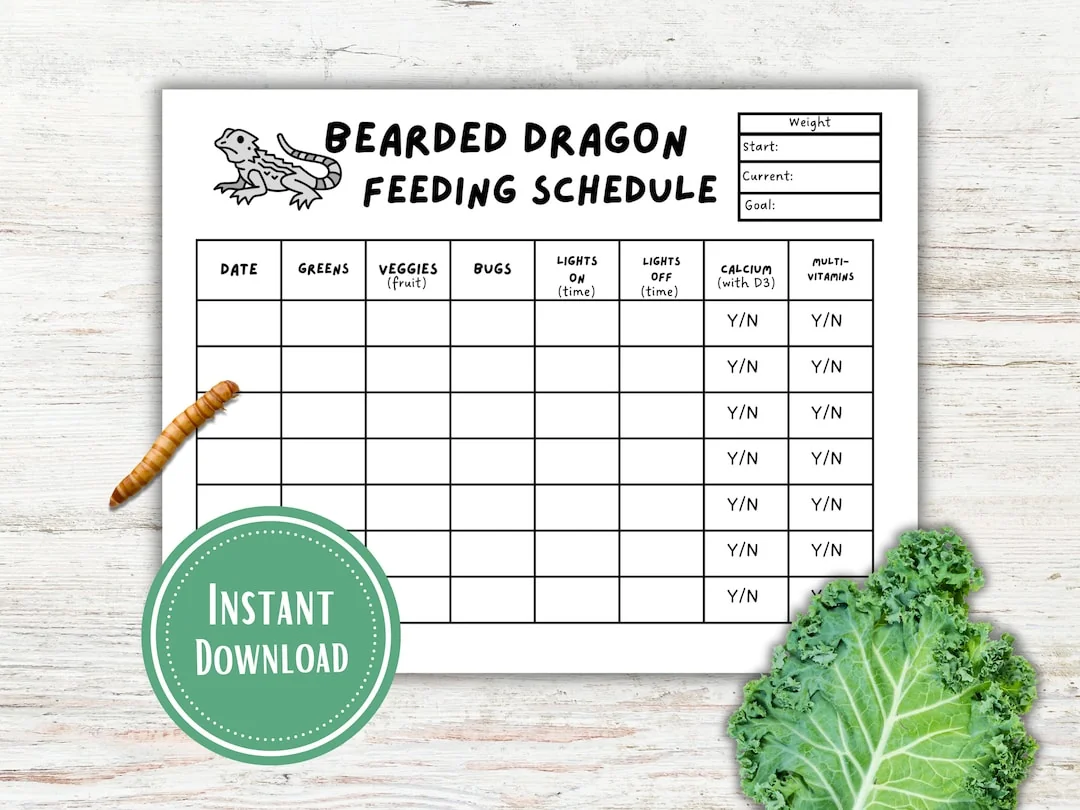
Weigh your bearded dragon regularly, at least once a month. Use a digital kitchen scale for accurate measurements. Keep a record of your dragon’s weight to monitor trends. Track any changes, as they may indicate health or dietary problems. A sudden weight loss or gain should prompt you to consult a veterinarian. Changes in weight can also indicate changes in the diet are needed. Weight tracking helps catch and manage potential health issues.

Adjusting the Diet Based on Weight
If your dragon is underweight, increase the portion of insects and provide more high-calorie foods. If your dragon is overweight, reduce the amount of insects and limit high-sugar fruits. Focus on offering more greens and vegetables. Adjust the feeding schedule to meet their weight needs. Consult with a reptile veterinarian for guidance. The goal is to find the right balance. Make gradual changes to avoid stressing your dragon. Dietary adjustments are crucial for a healthy weight. The goal is to provide the right amount of nutrition.
Additional Tips for Healthy Growth
Creating a Feeding Schedule
Establish a consistent feeding schedule to help regulate your bearded dragon’s metabolism. Feed young dragons more frequently than adults. Stick to the feeding times as much as possible, and make adjustments as necessary. Choose a time that fits your schedule. Consistency promotes better digestion and nutrient absorption. Sticking to a schedule helps the dragon maintain a healthy routine. A consistent feeding schedule keeps your pet on track.
Proper Portion Sizes
Provide food in appropriate portions. Overfeeding can lead to obesity, while underfeeding can cause malnourishment. Use the space between the dragon’s eyes as a guide for insect size. The amount of greens and vegetables should be adjusted based on the dragon’s age and activity levels. Consult resources or a vet if you are unsure. The right portion size helps your dragon stay healthy and happy. It is important to provide the right amount.

Regular Vet Checkups

Schedule regular checkups with a reptile veterinarian. Veterinarians can identify potential health problems early on. They can also provide valuable advice on diet and care. Regular checkups are a proactive approach to ensure your dragon’s health. The vet can identify any health concerns. Early detection and treatment are crucial. Yearly checkups are generally sufficient for healthy dragons.