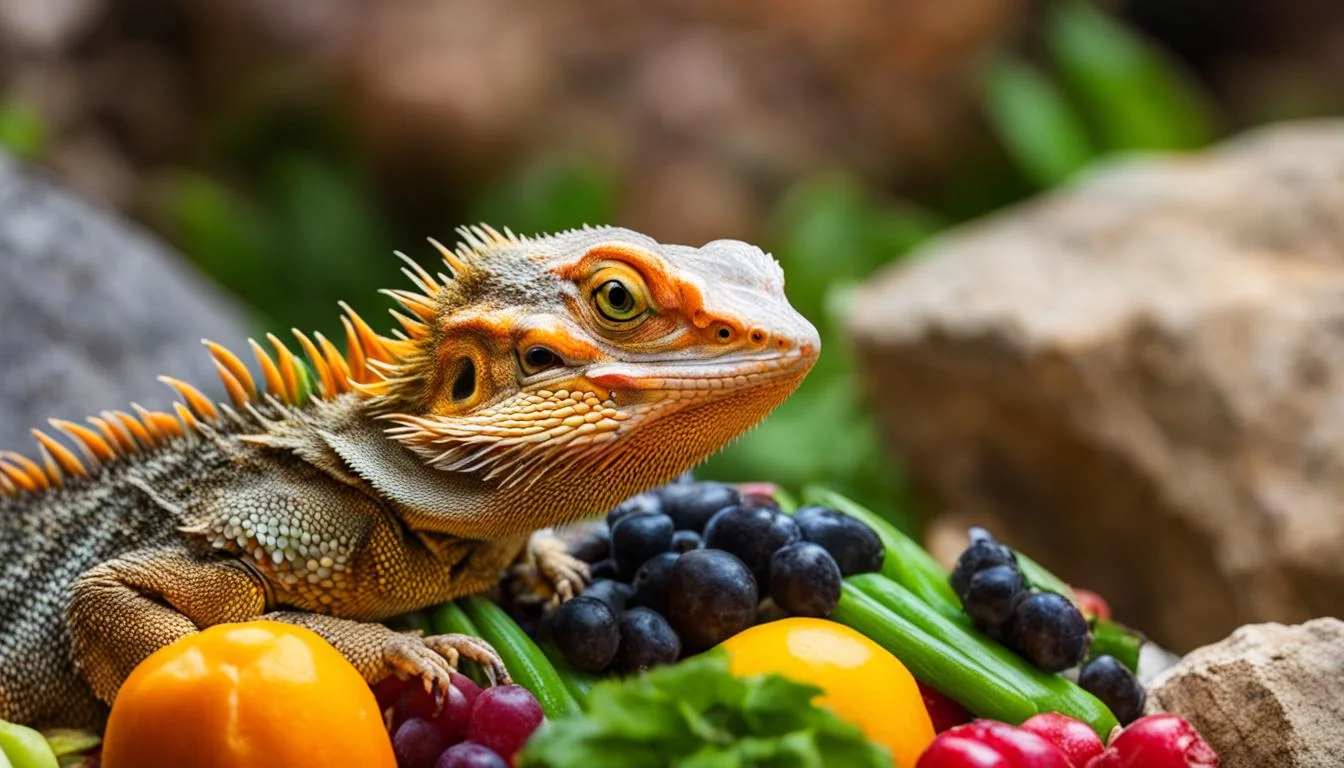
Understanding Bearded Dragons’ Nutritional Needs
Bearded dragons, with their unique dietary requirements, thrive on a carefully formulated diet. Understanding their specific nutritional needs is the cornerstone of their health and longevity. These fascinating reptiles require a balanced intake of protein, calcium, phosphorus, vitamins, and fiber to flourish. Failing to meet these needs can lead to various health problems, ranging from metabolic bone disease to digestive issues. This comprehensive guide explores the top five nutritional needs of bearded dragons, providing insights into how to meet these requirements effectively, ensuring your pet lives a long and healthy life. Formulating a diet that caters to these essentials is not just about providing food; it’s about providing the building blocks for a vibrant and active life.
Protein Requirements for Bearded Dragons
Protein is the essential building block for bearded dragons, vital for muscle development, tissue repair, and overall growth. Young, growing dragons need a higher protein intake compared to adults, with a diet primarily consisting of insects. As they mature, the proportion of insects should gradually decrease, and vegetables should make up a larger part of their diet. The type of protein also matters; insects like crickets, mealworms, and dubia roaches are excellent sources. The quantity should be carefully monitored to prevent overfeeding, which can lead to obesity and other health complications. Providing the correct amount and quality of protein is paramount to ensure they have the energy and resources they need to maintain their health and well-being. Protein deficiency can result in stunted growth and poor immune function, making it a critical aspect of their diet.
Sources of Protein in a Bearded Dragon Diet

Choosing the right protein sources is crucial for meeting a bearded dragon’s dietary needs. Insects should be the primary source, with crickets, dubia roaches, and mealworms being popular choices. Each insect has its nutritional profile, so providing a variety is beneficial. Dubia roaches, in particular, are known for their high protein content and relatively low chitin levels, making them easier to digest. Mealworms can be a good supplement, but they have a higher fat content and should be given in moderation. It’s also important to consider the gut loading of insects, which means feeding the insects nutritious food before offering them to your dragon. This enriches the insects with vitamins and minerals, transferring those benefits to your pet. Always ensure the insects are sourced from a reliable supplier to avoid any potential health hazards. Variety is key to ensuring a balanced intake.
Calcium and Phosphorus Balance
Maintaining the correct calcium-to-phosphorus ratio is essential for the skeletal health of bearded dragons. Calcium is vital for strong bones, and phosphorus, while necessary, can interfere with calcium absorption if present in excess. This balance is particularly crucial for young dragons during their rapid growth phase. Imbalances can lead to metabolic bone disease (MBD), a debilitating condition causing bone deformities and paralysis. Therefore, supplementation and dietary choices must be carefully considered to ensure the proper ratio is maintained. Regularly monitoring your dragon’s diet and adjusting it accordingly is essential to prevent MBD and ensure their long-term health. This includes dusting insects with calcium and vitamin D3 supplements.
Calcium Supplementation and Its Importance
Calcium supplementation is often required to ensure bearded dragons get enough of this crucial mineral. Calcium supplements, particularly those containing vitamin D3, help with the absorption of calcium. Vitamin D3 is essential for calcium metabolism, enabling the body to utilize calcium effectively. The frequency of supplementation depends on the dragon’s age and diet. Young dragons may need supplements with every feeding, while adults may need it less frequently. It is essential to choose a high-quality calcium supplement specifically formulated for reptiles. When supplementing, it is crucial to avoid over-supplementation, as excessive calcium can also lead to health problems. Always follow the product’s instructions and consult with a veterinarian specializing in reptiles to determine the correct dosage for your dragon.
The Role of Phosphorus and How to Manage it
Phosphorus is a mineral necessary for various bodily functions, but excessive levels can hinder calcium absorption. Many insects, such as mealworms, have a higher phosphorus-to-calcium ratio, which can be problematic. To manage this, it’s essential to prioritize insects with a favorable calcium-to-phosphorus ratio, such as dubia roaches and crickets. Gut loading insects before feeding them to your dragon also helps in balancing the mineral intake. When feeding vegetables, ensure a good balance of calcium-rich greens. The ratio should be between 1.5:1 to 2:1, calcium to phosphorus. Supplementation is key, and maintaining a balanced diet plays a key role in maintaining this balance. Regular monitoring and adjusting the diet, are crucial for their overall well-being.

Vitamin A and D3 Importance
Vitamins A and D3 are indispensable for the health and well-being of bearded dragons. Vitamin A supports vision, immune function, and cell growth. Vitamin D3 is essential for calcium absorption and bone health. A deficiency in either vitamin can lead to severe health issues. Bearded dragons can synthesize vitamin D3 from exposure to UVB light. However, supplementation might be necessary depending on the diet and the quality of UVB lighting. Over-supplementation can lead to toxicity, so moderation and adherence to recommended dosages are essential. Providing a combination of a balanced diet, appropriate UVB lighting, and, when needed, supplementation, is critical to ensure the proper vitamin intake and prevent potential deficiencies. A holistic approach to nutrition, considering all facets, is crucial to promoting optimal health and vitality.
Natural Sources of Vitamins

Many natural food sources are rich in essential vitamins that bearded dragons need. Dark leafy greens, such as collard greens, mustard greens, and dandelion greens, are excellent sources of vitamin A and other vital nutrients. Certain vegetables like carrots and squash offer provitamin A, which the dragon’s body converts into vitamin A. Offering a varied selection of fresh vegetables can provide the necessary vitamins. Gut-loading insects with vitamin-rich foods before feeding them to your dragon is another way to boost vitamin intake. This approach mirrors the natural diet of the animal, ensuring they get the necessary nutrients from their food. Always ensure the vegetables are thoroughly washed to remove any pesticides or contaminants and offer them in a fresh and appealing state to encourage consumption.
Supplementation Guidelines
Supplementation can be necessary to ensure bearded dragons receive all the vitamins they need. Vitamin supplements come in various forms, including powders and liquids. Calcium with D3 should be offered as a supplement to the diet. The frequency of supplementation varies depending on the dragon’s age, diet, and the UVB lighting used. It’s crucial to follow the instructions on the supplement packaging or consult with a veterinarian specializing in reptiles for appropriate dosages. Over-supplementation can be as detrimental as under-supplementation, potentially causing health problems. The appropriate dosage and frequency of supplementation are vital. Providing a multi-vitamin supplement, and calcium supplement is an effective means of ensuring your bearded dragon receives all the necessary nutrients and vitamins it needs to maintain its health and vitality.
Hydration and Fiber for Optimal Digestion
Proper hydration and adequate fiber intake are critical for maintaining healthy digestion in bearded dragons. Water is essential for all bodily functions, and a constant supply of fresh, clean water is non-negotiable. Fiber helps regulate the digestive system, preventing constipation and promoting the efficient breakdown of food. The digestive tract must function correctly to ensure the absorption of nutrients, and this can only be achieved through a balanced diet, ensuring they receive the proper fiber and water content. Providing proper hydration ensures healthy metabolic processes and helps maintain a comfortable environment for the dragon. This combination ensures a healthy and functioning gut. The inclusion of water and fiber is crucial to maintain the health and overall function of the bearded dragon’s digestive system, preventing common problems like constipation and ensuring the efficient breakdown of food.
Fiber-Rich Foods
Fiber is crucial for healthy digestion, and a variety of fiber-rich foods should be incorporated into a bearded dragon’s diet. Dark leafy greens, such as collard greens, mustard greens, and dandelion greens, are excellent sources of fiber, in addition to providing essential vitamins and minerals. Other vegetables, such as squash and bell peppers, also contribute to fiber intake. Offering a diverse selection of vegetables helps ensure a balanced diet and adequate fiber. Variety is key, as different foods offer different levels and types of fiber. These foods help regulate the digestive system and support the health and vitality of your dragon. This helps prevent constipation and ensures that nutrients are absorbed correctly. A diet rich in fiber supports healthy bowel movements and proper nutrient absorption, essential for their well-being.

Importance of Fresh Water
Fresh, clean water is indispensable for bearded dragons. Water is essential for regulating body temperature, aiding in digestion, and supporting overall health. A shallow water dish should always be available in the enclosure. The water should be changed daily to maintain cleanliness and prevent bacterial growth. Some dragons may prefer to drink from a dripped water source. Regularly monitoring your dragon’s water intake is essential to ensure they stay hydrated. Dehydration can lead to serious health issues. Providing a water dish, ensuring its cleanliness, and observing your dragon’s drinking habits are all critical elements of their care. They need constant access to clean water. Ensuring access to fresh water is a fundamental aspect of their care, supporting every aspect of their health and well-being.
Essential Dietary Supplements
While a balanced diet forms the foundation of a bearded dragon’s health, certain dietary supplements are often necessary to ensure they receive all the nutrients they require. These supplements can help bridge any nutritional gaps in the diet, supporting optimal health. When choosing supplements, it’s essential to research the products and opt for those specifically formulated for reptiles, ensuring they are safe and effective. Too much supplementation can be as harmful as not enough. Always consult a veterinarian specializing in reptiles before introducing any supplements into your bearded dragon’s diet. Understanding and selecting the right supplements can make a big difference in the dragon’s health and well-being, supplementing their diet and addressing any deficiencies.
Multivitamins and Their Role
Multivitamins provide a comprehensive blend of vitamins and minerals that may be lacking in the diet. They can help support overall health and prevent deficiencies. Look for reptile-specific multivitamins that contain essential vitamins like A, D3, and a range of B vitamins. Follow the dosage instructions carefully, as over-supplementation can lead to health problems. Regular supplementation, especially for young or growing dragons, ensures that all nutritional needs are met. However, multivitamins are only a supplement and shouldn’t replace a balanced diet. The proper use of multivitamins can make a big difference in the overall health and vitality of your bearded dragon.
Probiotics for Gut Health
Probiotics are beneficial bacteria that promote a healthy gut microbiome. A healthy gut is essential for proper digestion and nutrient absorption. Supplementing with probiotics can help restore the balance of gut flora after antibiotic use or if a dragon is experiencing digestive upset. Probiotic supplements specifically formulated for reptiles contain strains of bacteria that support the digestive system. Probiotics can improve digestive health and provide support. Administering probiotics in the proper dosage can contribute to better digestion and overall health. Regular use of probiotics can improve your dragon’s health, making sure their digestive processes are efficient and comfortable. A balanced gut microbiome boosts digestion and reduces the likelihood of various health issues.

Choosing the Right Supplements
Selecting the right supplements is crucial for your bearded dragon’s health. Always choose reptile-specific products from reputable brands. Read the ingredient list carefully, and avoid supplements with unnecessary additives or fillers. Consult with a veterinarian who specializes in reptiles to determine the specific needs of your dragon. Factors such as age, health, and diet will influence the type and dosage of supplements. Proper research and consultation with a vet can make all the difference in getting it right and ensuring your bearded dragon gets the supplements they need to stay healthy. Make sure the chosen supplements meet your dragon’s specific needs, ensuring a balanced diet and overall wellness. The right supplements can have a positive impact on their well-being.
Common Dietary Mistakes to Avoid
Avoiding common dietary mistakes is essential to ensure the health and longevity of your bearded dragon. Several pitfalls can lead to nutritional deficiencies, digestive issues, and other health problems. It’s important to educate yourself and be vigilant in monitoring your dragon’s diet and behavior. This awareness will help you avoid common mistakes, ensuring that your pet thrives. Being proactive and knowledgeable can help prevent issues and ensure that your bearded dragon receives proper nutrition. Understanding these pitfalls is the best defense against any of these problems and allows you to adjust the diet, promoting better health and longer life for your pet.
Overfeeding and Obesity
Overfeeding and obesity are significant health risks for bearded dragons. Dragons, especially those kept in captivity, can easily become overweight if given too much food. Overfeeding can lead to several health problems, including fatty liver disease, reduced activity levels, and a shorter lifespan. The signs of overfeeding include a fat deposit around the tail base and limbs. To prevent obesity, carefully monitor the amount of food you offer and adjust it based on your dragon’s age and activity level. Reduce the portion size if your dragon is gaining too much weight. Feeding appropriate amounts and providing opportunities for exercise are essential to maintaining a healthy weight and preventing obesity. A balanced diet and appropriate portions are crucial for maintaining an ideal body condition.
Improper Calcium-Phosphorus Ratio
As mentioned earlier, the calcium-to-phosphorus ratio is critical for the skeletal health of bearded dragons. An imbalance, with too much phosphorus compared to calcium, can lead to metabolic bone disease (MBD). MBD causes bone deformities, paralysis, and can be fatal. To avoid this, ensure that insects are dusted with a calcium supplement, especially during rapid growth phases. Provide a variety of calcium-rich vegetables and consider a calcium-phosphorus supplement to maintain the correct balance. Regularly monitor your dragon for signs of MBD, such as tremors, lethargy, or deformed limbs. Maintaining a correct calcium-phosphorus ratio is a proactive measure for maintaining health. The proper ratio is essential for healthy bone growth and function. Ensuring the right ratio is very important to your dragon’s long-term well-being.
Feeding Inappropriate Food Items
Feeding inappropriate food items can be harmful to bearded dragons. Some foods are difficult to digest, while others are toxic. For instance, avoid feeding them spinach and avocado. Spinach can bind calcium, making it unavailable for absorption, while avocado contains persin, which is toxic. Inappropriate food items can lead to digestive upset, nutritional deficiencies, and poisoning. Research all foods before offering them. Stick to a diet primarily consisting of insects, calcium-rich vegetables, and occasional fruits. Being diligent and informed about what you feed your pet is important. By avoiding inappropriate food items and sticking to a balanced diet, you can keep your bearded dragon healthy and prevent serious health problems. This is a key component of their overall well-being, and avoiding these foods is crucial to avoid health problems.
Creating a Balanced Bearded Dragon Diet
Creating a balanced diet is the cornerstone of a bearded dragon’s health and well-being. A balanced diet should include a variety of insects, vegetables, and occasional fruits, tailored to the dragon’s age and nutritional needs. Understanding the ratios and quantities of each food group is vital. This will not only fulfill their nutritional needs but also improve the likelihood of a long and healthy life. Planning and implementing a good diet will help prevent many common health issues. A well-balanced diet provides the correct nutrients for energy, bone health, growth, and immune function. Providing a good diet is a testament to the care and understanding required to ensure your pet remains healthy and active.
Using a Variety of Insects and Vegetables
A varied diet is essential for bearded dragons, and this diversity should start with the selection of insects and vegetables. Different insects and vegetables offer various nutrients, ensuring a well-rounded intake. When selecting insects, choose a variety, including crickets, dubia roaches, and mealworms, each with different nutritional profiles. For vegetables, offer a mix of dark leafy greens, such as collard greens, mustard greens, and dandelion greens, along with other vegetables like squash and bell peppers. Variety reduces the risk of nutritional deficiencies and ensures that the dragon benefits from a wider range of vitamins and minerals. Always wash vegetables thoroughly before serving. A diverse diet makes it less likely that deficiencies will arise and maximizes the overall health benefits. This creates a more enjoyable and interesting feeding experience.
Meal Frequency and Portion Control
Meal frequency and portion control are vital components of a bearded dragon’s diet. The frequency of feeding and the size of the portions should be adjusted based on the dragon’s age and growth stage. Young, growing dragons require more frequent feedings, typically several times a day, whereas adult dragons require fewer meals. The amount of food offered should be carefully monitored to prevent overfeeding and obesity. Monitor the dragon’s body condition regularly, ensuring it maintains a healthy weight. Overfeeding can lead to obesity, which can cause serious health problems. Portion control is a key element for promoting longevity. As they grow older, reduce the frequency and size of portions as needed. This careful approach ensures that your bearded dragon gets the right amount of nutrients to thrive.

Monitoring Your Dragon’s Health and Adjusting Diet
Regular monitoring of your bearded dragon’s health and behavior is essential for adjusting the diet appropriately. Observe your dragon for signs of health issues, such as changes in appetite, activity levels, or stool consistency. Regular checkups with a veterinarian specializing in reptiles can identify potential problems early on. Keeping a detailed log of what your dragon eats can help identify potential problems. Always be prepared to adjust the diet based on your dragon’s specific needs and any health issues. Pay close attention to your pet’s responses to the diet. By staying attentive and proactive, you can ensure your dragon’s health and well-being. By staying attentive and taking a proactive approach to their care, you can promote health, vitality, and a long life.