What Do Bearded Dragons Eat?
Understanding a bearded dragon’s dietary needs is the first step toward ensuring optimal digestion. Bearded dragons are omnivores, meaning they require a balanced diet of both plant and animal matter. This includes a variety of leafy greens, vegetables, and insects. The specific proportions change as they grow, with younger dragons needing more protein (insects) and adults focusing more on vegetables. A well-rounded diet provides essential nutrients and fiber crucial for healthy digestion. Neglecting either aspect can lead to digestive issues and overall health problems. A consistent, balanced diet is key to their long-term well-being.
Best Foods for Bearded Dragon Digestion
Certain foods are particularly beneficial for bearded dragon digestion. Leafy greens like collard greens, mustard greens, and turnip greens should form the base of their plant-based diet. These greens are rich in fiber, which aids in the movement of food through the digestive tract. Vegetables such as butternut squash, carrots, and bell peppers also offer valuable nutrients and contribute to healthy digestion. When it comes to insects, dubia roaches, crickets, and black soldier fly larvae are excellent choices because of their high nutritional content and ease of digestion compared to mealworms or superworms, which have harder exoskeletons.
Leafy Greens for Bearded Dragons


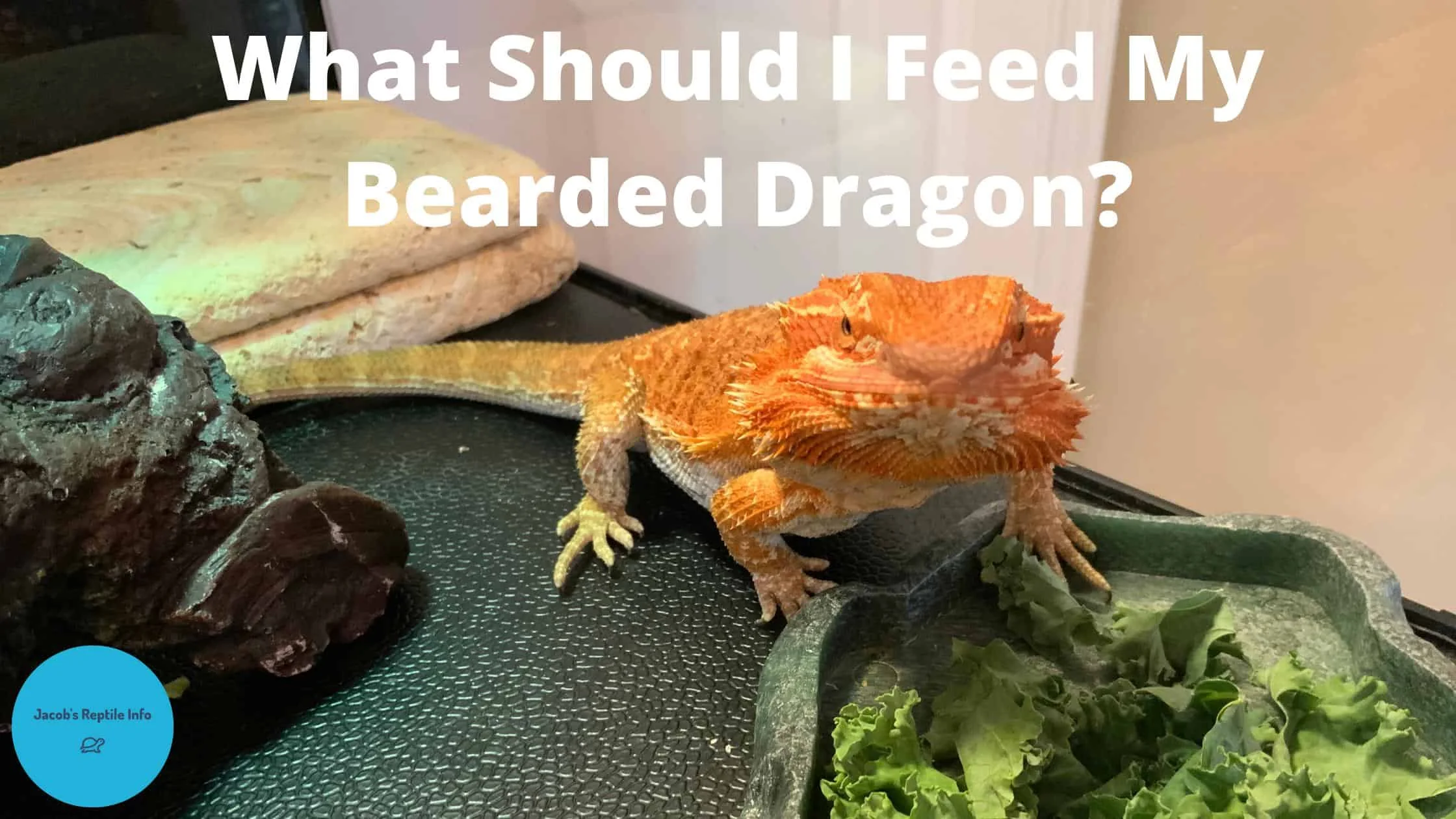
Leafy greens are vital to a bearded dragon’s diet because they provide essential fiber. Fiber helps to regulate bowel movements and prevents constipation, a common issue in reptiles. Collard greens are a nutritional powerhouse, offering high levels of calcium and vitamins. Mustard greens provide a good source of vitamins A and C. Turnip greens, another excellent option, contribute to overall health. Varying the leafy greens offered ensures a broader range of nutrients and keeps the diet interesting for the dragon. Always wash greens thoroughly to remove any pesticides or contaminants before feeding.
Vegetables for Bearded Dragons
Vegetables add variety and essential nutrients to a bearded dragon’s diet. Butternut squash, known for its high fiber content, is a great choice. Carrots provide vitamin A, important for eye health. Bell peppers, especially red and yellow ones, are rich in vitamins and antioxidants. Ensure vegetables are chopped or grated into small pieces to make them easier for the dragon to digest. Offer a mix of vegetables to provide a range of nutrients. Avoid vegetables that are high in oxalates, such as spinach, as they can bind calcium and interfere with its absorption.
Insects for Bearded Dragons
Insects are a critical source of protein for bearded dragons, especially when they are young and growing. Dubia roaches and crickets are excellent choices, providing a good balance of protein, fat, and other nutrients. Black soldier fly larvae are another excellent option, known for their high calcium content, beneficial for bone health. The size of the insects should be appropriate for the dragon’s size; insects should be no wider than the space between the dragon’s eyes to prevent choking hazards and aid digestion. Insects should also be gut-loaded before feeding to provide extra nutrients.
Foods to Avoid for Bearded Dragons
Certain foods should be strictly avoided to prevent digestive issues. Avoid feeding citrus fruits, such as oranges and lemons, because their acidity can upset the digestive system. Spinach and other foods high in oxalates can interfere with calcium absorption. Avoid feeding large amounts of insects with hard exoskeletons, such as superworms, as they can be difficult to digest. Processed foods and those high in sugar should also be avoided as they offer no nutritional value and can lead to health problems. Understanding these dietary no-nos is essential for a healthy dragon.
Common Digestion Problems in Bearded Dragons
Bearded dragons can experience various digestion problems. Constipation is a common issue, often caused by a lack of fiber, dehydration, or insufficient exercise. Diarrhea can result from a poor diet, bacterial infections, or parasites. Impaction, where a foreign object blocks the digestive tract, can occur if they ingest sand or other indigestible materials. Metabolic Bone Disease (MBD) can also indirectly affect digestion if it weakens the muscles involved in moving food through the digestive system. Recognizing potential issues, allows for early intervention, improving your pet’s quality of life and health.
Recognizing Signs of Digestive Issues
Knowing the signs of digestive issues is crucial for prompt action. Watch for changes in bowel movements, such as infrequent or watery stools. Loss of appetite or a decreased interest in food can also indicate a problem. Lethargy or a lack of energy can be a sign of digestive discomfort. Swelling or bloating in the abdomen could suggest gas buildup or impaction. If you notice any of these signs, consult a veterinarian experienced with reptiles. Early diagnosis and treatment can prevent the condition from worsening and ensure the dragon’s well-being.
How to Prevent Digestion Problems in Bearded Dragons

Preventing digestion problems involves a multi-faceted approach. Maintain a balanced diet, as discussed earlier, with plenty of leafy greens, vegetables, and appropriate insects. Provide fresh water daily, and make sure your bearded dragon drinks enough water to stay hydrated, which aids digestion. The environment must be optimal, including the correct temperature gradient and UVB lighting to ensure proper calcium absorption. Regular exercise, by allowing your dragon to roam, will promote healthy digestion and prevent constipation. Supplements like calcium and vitamin D3 may also be necessary but should be used as directed by a veterinarian.
Maintaining a Healthy Diet
A healthy diet is the foundation of good digestion. Prioritize high-quality foods with a variety of fresh ingredients. Rotate the greens and vegetables offered to ensure a wide range of nutrients. Gut-load insects with nutritious foods like carrots and leafy greens before feeding them to your dragon. Adjust the diet based on the dragon’s age and needs; younger dragons need more protein, and adults need more vegetables. Ensure the dragon is eating the correct portions, avoiding overfeeding, which can lead to digestive stress.
Providing Fresh Water Daily
Hydration is essential for healthy digestion. Always provide a clean bowl of fresh water. Change the water daily to prevent bacteria buildup. You can also mist the enclosure to increase humidity, which aids in hydration. Observe your dragon to ensure it is drinking. If your dragon seems hesitant to drink from a bowl, you can try dripping water onto their nose using a syringe, or placing them in a shallow bath a couple of times per week, as many dragons enjoy this.
Creating a Suitable Environment
The enclosure must be set up properly to help maintain health. The correct temperature gradient, with a warm basking spot and a cooler area, is essential for digestion. Ensure the basking spot is at the right temperature, usually around 95-110°F (35-43°C) for adults. UVB lighting is crucial for calcium absorption and proper bone health, which is indirectly related to digestive health. Avoid using loose substrates, such as sand, as this increases the risk of impaction. Maintain the appropriate humidity levels for healthy shedding and overall well-being.
Regular Exercise
Encouraging regular exercise keeps a bearded dragon’s digestive system functioning smoothly. Allow your dragon to roam outside its enclosure for supervised periods. Provide enrichment inside the enclosure, such as climbing branches and rocks, to encourage movement. The exercise stimulates their metabolism and aids digestion. Ensure the area is safe, free of hazards like small objects they could ingest. Monitor the dragon while exercising to prevent any accidents.
Supplements for Bearded Dragons

While a proper diet is the primary source of nutrients, supplements can sometimes be helpful. Calcium supplements, especially with vitamin D3, are crucial for bone health, which indirectly supports digestion. Dust insects with calcium and vitamin D3 powder before feeding them. A multivitamin supplement can also be beneficial to ensure they are getting all the necessary vitamins. However, always consult a veterinarian before starting any supplements to avoid over-supplementation and potential health problems. Using supplements responsibly ensures optimal digestion and overall health.
Probiotics for Bearded Dragons
Probiotics can sometimes be beneficial for digestive health. Probiotics are beneficial bacteria that help to balance the gut flora and improve digestion. Consult your veterinarian before administering any probiotics to your bearded dragon. The veterinarian can recommend the right type and dosage based on your dragon’s specific needs. Administering probiotics as directed can help manage digestive imbalances, and promote the growth of beneficial gut bacteria to improve your dragon’s overall health. Consider incorporating probiotics when dealing with digestive upsets or following antibiotic treatments.
In conclusion, optimizing a bearded dragon’s diet is paramount for promoting healthy digestion and overall well-being. A well-balanced diet, incorporating a variety of leafy greens, vegetables, and insects, forms the foundation. Avoiding harmful foods, recognizing digestive issues early, and creating a suitable environment are also critical. By following these tips, you can ensure your bearded dragon enjoys a happy and healthy life. Remember to consult with a veterinarian for any specific concerns and to personalize your bearded dragon’s care plan.
