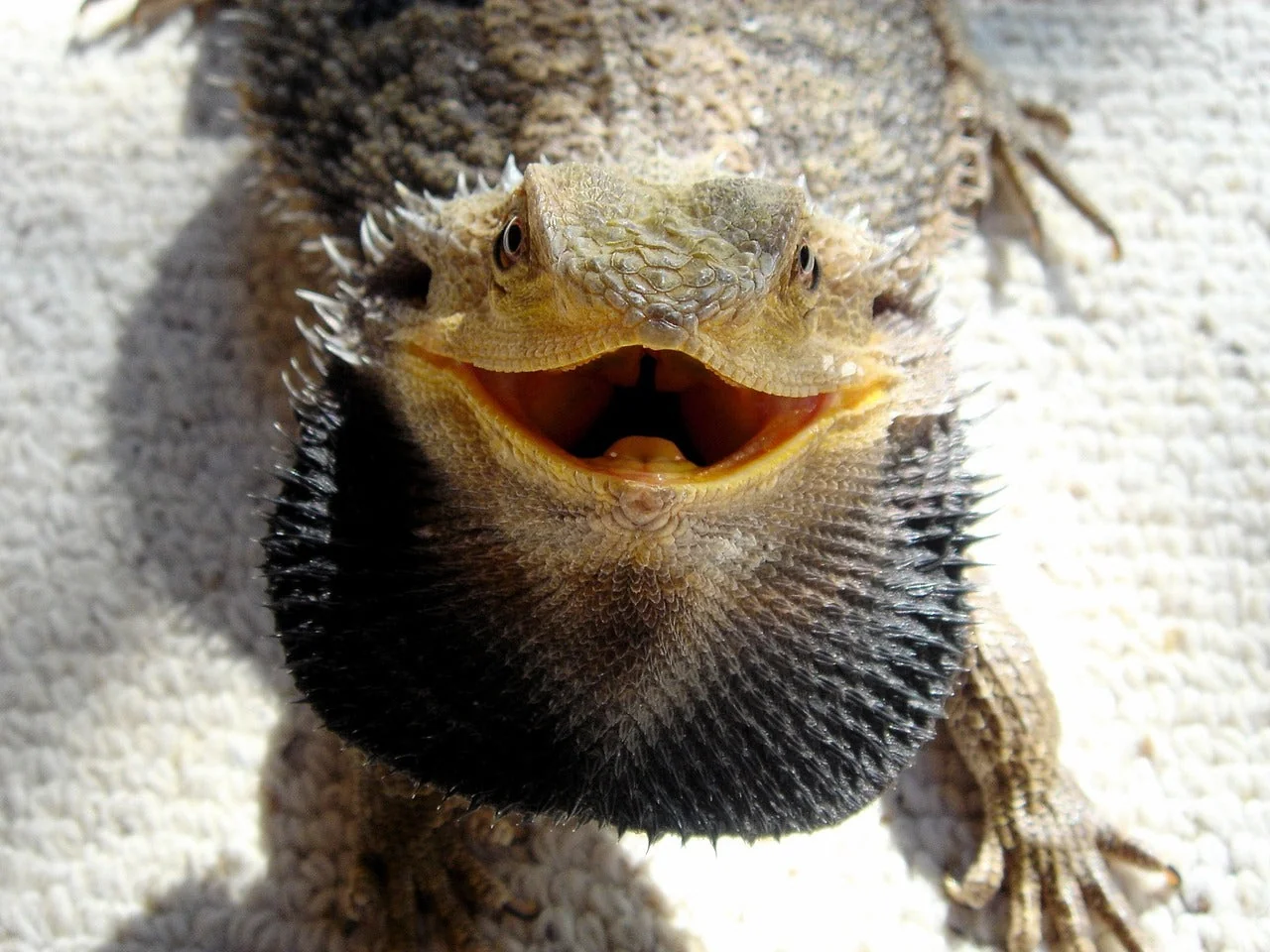
Bearded Dragons Diet Customization Overview
Bearded dragons, with their charming personalities and unique dietary needs, are popular pets. However, providing a tailored diet is essential for their health and longevity. This guide provides 10 crucial customization tips to ensure your bearded dragon thrives. Every dragon is unique, and these tips will help you navigate the diverse nutritional requirements of different breeds and life stages. Understanding the nuances of their diet can prevent common health issues and support a long, happy life for your scaly friend.
Understanding Bearded Dragon Breeds
Different bearded dragon breeds, like the standard, leatherback, silkback, and translucent, have varying genetic predispositions that influence their dietary needs. For example, some breeds might be more prone to certain health issues that can be mitigated through a carefully curated diet. Recognizing these breed-specific traits is the first step toward effective diet customization. Consider factors like size, activity level, and potential health concerns to tailor your feeding plan.
Common Bearded Dragon Breeds and Dietary Needs
The standard bearded dragon is a common breed with typical dietary needs. Leatherbacks, with their smoother scales, often require slightly different care. Silkbacks, due to their fragile skin, may need dietary adjustments to support skin health. Translucent dragons often have higher metabolic rates. It’s important to research your specific breed to understand their individual nutritional demands, including the balance of greens, protein, and supplements. This knowledge allows for a more proactive and personalized approach to your dragon’s health.
Customization Tip 1 Focus on Greens
Greens are the foundation of a healthy bearded dragon diet, providing essential vitamins, minerals, and fiber. A variety of leafy greens should make up the bulk of their daily meals. This ensures they receive a broad spectrum of nutrients necessary for overall health. Always offer a fresh mix to encourage natural foraging behaviors. A balanced diet, enriched with greens, fosters better digestion and prevents common health problems.
Types of Greens for Bearded Dragons
Choose greens like collard greens, mustard greens, dandelion greens, and turnip greens as staples. These greens offer excellent nutritional value. Avoid iceberg lettuce, as it has little nutritional value. Spinach and kale can be given in moderation. Experiment with different greens to keep the diet interesting and varied. Proper greens ensure your dragon is receiving a complete profile of essential vitamins and nutrients.
Frequency of Greens in Diet

Adult bearded dragons should receive greens daily. Juveniles need more greens as they grow, so it can also be offered daily. Monitor your dragon’s intake and adjust the amount based on their appetite and waste. Observe the color and consistency of their droppings, which can indicate whether the diet is balanced. Adjust the amounts based on their size and energy level, ensuring they are not overfed or underfed.
Customization Tip 2 Importance of Protein
Protein is critical for muscle development, growth, and overall health in bearded dragons. The right balance of protein sources will support energy levels and a robust immune system. Juvenile dragons require more protein to fuel their rapid growth, while adults need less. A well-balanced protein intake ensures your dragon has the resources to stay active and healthy. Protein is more than just fuel, it’s essential for cellular repair and overall vitality.
Protein Sources for Bearded Dragons
Crickets, mealworms, dubia roaches, and black soldier fly larvae are excellent protein sources. Gut-load insects before feeding them to your dragon to maximize their nutritional value. This means feeding the insects nutritious foods so that your dragon benefits from their intake. Variety is key, so rotate different insect species for a balanced protein intake. Always ensure insects are from a reputable source, free from pesticides and parasites.
Adjusting Protein Intake by Breed
Younger bearded dragons, or those with high activity levels, require higher protein intake. Adjust the amount of insects based on their breed, size, and activity level. For example, a rapidly growing juvenile will need more protein compared to a senior dragon. Observe your dragon’s body condition. Overfeeding protein can lead to rapid growth, which can stress their organs. Conversely, underfeeding protein will inhibit growth and energy levels.
Customization Tip 3 Insects are Crucial
Insects offer essential protein, chitin, and other nutrients critical for bearded dragon health. These live feeders trigger natural hunting instincts, providing mental stimulation and exercise. Insects should be a key component of their diet. Carefully chosen insects provide a vital source of nourishment. Regularly offering a variety of insects can prevent nutritional deficiencies and boredom, and stimulate natural foraging behaviors.
Best Insects for Bearded Dragons
Dubia roaches are an excellent choice due to their high protein content and ease of digestion. Crickets are another widely available option but may require more care to prevent escapes. Mealworms are suitable in moderation, but their hard exoskeletons can be difficult to digest in large quantities. Black soldier fly larvae are also highly nutritious and digestible. Always ensure insects are properly sized for your dragon to avoid choking hazards.
Insect Feeding Frequency


Young dragons should be fed insects multiple times a day, while adults need fewer insects, typically every other day. Adjust the quantity based on your dragon’s size and appetite. Monitor their weight and overall health to fine-tune the feeding frequency. Overfeeding can lead to obesity. Underfeeding can stunt growth. Observe your dragon to adjust the diet.
Customization Tip 4 The Role of Supplements
Supplements are essential to fill in nutritional gaps that diet alone may not cover. Calcium and vitamin D3 are particularly important for bone health and calcium absorption. These supplements help prevent metabolic bone disease, a common ailment in reptiles. Incorporating the right supplements ensures your bearded dragon receives all necessary nutrients for optimal health and longevity. A balanced approach to supplements completes the diet.
Essential Supplements
Calcium powder with vitamin D3 is crucial to prevent metabolic bone disease. A multivitamin supplement provides essential vitamins and minerals. These supplements should be used regularly, as prescribed by a veterinarian. Consider consulting with a reptile veterinarian. Avoid over-supplementation. Use high-quality supplements to ensure they are safe and effective.
Supplement Frequency
Dust insects with calcium and vitamin D3 before feeding, typically daily for juveniles and a few times a week for adults. Multivitamins can be dusted once or twice a week. Follow the instructions on the supplement packaging, and consult with a veterinarian. Ensure supplements are fresh and stored properly to maintain their potency. Always provide a balanced approach to supplement use.
Customization Tip 5 Hydration Importance
Proper hydration is vital for bearded dragons. Water helps with digestion, regulates body temperature, and supports overall health. Always have fresh, clean water available. Ensuring your dragon is properly hydrated will significantly impact its well-being. Proper hydration contributes to better health and a longer lifespan.
Water Sources for Bearded Dragons
Provide a shallow water dish in their enclosure, and change the water daily. Mist their enclosure regularly to increase humidity, which helps keep them hydrated. Some dragons may drink from the water dish, while others prefer drinking water droplets. A combination of methods works best. Make sure the water dish is easily accessible and doesn’t pose a drowning risk. Ensure the water is always fresh and clean.
Signs of Dehydration
Signs of dehydration include sunken eyes, wrinkled skin, and lethargy. If your dragon is showing signs of dehydration, consult with a vet. Provide a water dish, mist the enclosure, and gently offer water via a dropper or syringe. Make sure they have easy access to water. If your dragon is dehydrated, it is necessary to consult with a vet and take immediate action.
Customization Tip 6 Fruits and Vegetables
Fruits and vegetables can supplement the diet with added vitamins, minerals, and variety. However, offer these in moderation. Too many fruits can lead to digestive issues. Fruits and vegetables provide a varied nutritional profile. A balanced diet ensures your bearded dragon is getting all the vitamins it needs. Offering a variety of fruits and vegetables, alongside greens and protein, can contribute to overall health.
Safe Fruits and Vegetables

Offer small amounts of fruits like berries and melon. Vegetables such as squash and carrots can be included. Avoid citrus fruits and high-sugar fruits. Thoroughly wash all fruits and vegetables. Introduce new foods gradually to monitor digestion. Choose organically grown produce to minimize exposure to pesticides.
Fruits and Vegetables Feeding Guide
Fruits and vegetables should make up a small portion of the diet, about 10-20%. Offer these a few times a week. Monitor your dragon’s stools. If stools become too loose, reduce the amount of fruit. Provide a wide selection to ensure a range of nutrients. The best diet is one that is varied. Variety is the key to a healthy and happy dragon.
Customization Tip 7 Avoid Harmful Foods
Many common foods are toxic to bearded dragons. Knowing what to avoid will protect your dragon from potential harm. Some foods can cause digestive problems, and others can be outright poisonous. Being aware of potentially dangerous foods helps safeguard your pet’s health. Avoidance is key to ensuring your bearded dragon remains safe from dietary harm.
Foods to Never Feed Your Dragon
Avoid feeding avocados, onions, garlic, and rhubarb. Also, avoid processed human foods that can contain harmful additives. Avoid all citrus fruits. These foods can be toxic or cause digestive problems. Always research any new foods before offering them to your dragon. Stick with a diet of recognized safe food sources.

Identifying Poisonous Foods
Some plants and insects can be poisonous. Research thoroughly before offering anything from your garden. Be particularly cautious about any unknown plants or insects. If you suspect your dragon has ingested a poisonous substance, seek immediate veterinary care. When in doubt, always consult with a reptile expert. Knowledge of what to avoid is essential.
Customization Tip 8 Monitor Weight
Monitoring your bearded dragon’s weight is a simple yet crucial step in diet customization. Weight changes can indicate whether the diet is working or if adjustments are needed. Regular weigh-ins can help you detect potential health issues early. Keep a log of your dragon’s weight to track changes. Understanding weight fluctuations can ensure your dragon’s long-term well-being.

Healthy Weight Ranges
Healthy weight varies by breed, age, and size. Consult a vet to determine the ideal weight range for your dragon. A healthy dragon should be neither too thin nor obese. A well-proportioned body shape is also a good indicator. A slightly plump abdomen is acceptable, but not excessive. Regular weight monitoring is the key to maintaining a healthy physique.
How to Weigh Your Dragon
Use a kitchen scale or a reptile-specific scale to weigh your dragon. Place your dragon on the scale, and note the weight. Weigh them regularly, at least once a month, or more frequently for juveniles. Keep a record of the weights to track any changes. A regular weight check is essential, and it will allow you to make any diet adjustment.
Customization Tip 9 Seasonal Adjustments
Bearded dragons’ dietary needs can fluctuate with the seasons. This involves the amount of food and the type. Changes in activity and the environment require adjustments to their diet. Adjusting the diet seasonally can contribute to better health. Understanding how to adjust the diet seasonally ensures your dragon is getting exactly what it needs.
Diet Changes by Season
During warmer months, when dragons are more active, they may need more food. In colder months, reduce the amount of food. Adjust the protein and greens ratio based on the dragon’s activity level. Adjust the amount of food and the type based on the weather. In the winter, bearded dragons will be less active, so their dietary requirements will change.
Summer and Winter Diet
In summer, provide a higher proportion of insects and more frequent feedings. In winter, reduce the frequency of feedings and offer fewer insects. Focus more on leafy greens and fewer protein sources. Monitoring your dragon’s activity and eating habits is essential for seasonal adjustments. Ensure they have enough energy to remain active during warmer periods.

Customization Tip 10 Observe Behavior
Observing your bearded dragon’s behavior is essential. Their behavior offers invaluable clues about their health and diet. It allows you to fine-tune their diet for their specific needs. It’s important to be attentive to changes in behavior. Watching their behavior can help you recognize and address dietary problems, ensuring they thrive. Paying attention to behavioral signals will help your dragon thrive.
Signs of a Balanced Diet
A healthy bearded dragon is alert, active, and has good appetite. Their stools should be firm and well-formed. They should shed regularly. Their skin should be bright and the eyes should be clear. These are indications of a healthy dragon. Look for these signs when you are customizing the diet.
Recognizing Dietary Problems
If your dragon stops eating, becomes lethargic, or has loose stools, review their diet. Consult with a veterinarian if you notice any unusual symptoms. Recognizing early signs of a dietary issue is important. Don’t ignore any changes in behavior. This information will help you address any issues quickly. Always act to make sure your bearded dragon gets the care they need.