Top 7 Foods for Bearded Dragons
Providing a balanced diet is crucial for the health and longevity of your bearded dragon. This guide will help you understand the best foods to feed your pet, ensuring they receive the comprehensive nutrition they need. A diverse diet not only keeps your bearded dragon healthy but also makes mealtimes more interesting. We will cover the essential food groups, from live insects and nutritious greens to fruits and supplements, and provide practical tips for portion control and feeding schedules. By following these guidelines, you can create a diet plan that supports your bearded dragon’s growth, energy levels, and overall well-being. Proper nutrition is the cornerstone of a happy and healthy bearded dragon, so let’s dive into the specifics of what makes a great meal.
Why Dietary Variety Matters
Dietary variety is paramount for bearded dragons because it ensures they receive a wide range of essential nutrients. A varied diet helps prevent nutritional deficiencies and supports optimal health. Different foods offer different vitamins, minerals, and amino acids, all of which are crucial for various bodily functions, from bone development to immune system strength. Consistently feeding the same foods can lead to imbalances. Variety also encourages your bearded dragon to eat and keeps them from becoming bored with their meals, which can happen with repetitive diets. Introducing a variety of foods stimulates their natural foraging instincts and adds interest to their daily lives, contributing to a happier and more engaged pet. A well-balanced diet that includes a mix of insects, greens, and fruits is essential for keeping your bearded dragon in peak condition, enabling it to thrive and enjoy a long, healthy life. Therefore, ensuring a varied diet is a simple yet powerful step towards providing comprehensive nutrition.
Impact on Bearded Dragon Health
The impact of a diverse diet on a bearded dragon’s health is significant. A diet rich in various nutrients contributes to a robust immune system, making your pet less susceptible to diseases. It also helps maintain healthy skin and scales, supports strong bones, and promotes proper organ function. A balanced diet aids in digestion and prevents common digestive issues. Conversely, a poor diet can lead to various health problems such as metabolic bone disease (MBD), vitamin deficiencies, and obesity. MBD, for instance, is a serious condition caused by a lack of calcium and vitamin D3, resulting in weak bones and skeletal deformities. A varied diet helps prevent these issues by ensuring your dragon receives all the necessary nutrients. The right foods support healthy growth in juveniles and maintain optimal health in adults. Therefore, understanding and providing the correct dietary variety is a vital aspect of responsible bearded dragon ownership.
The Core of the Bearded Dragon Diet
The foundation of a bearded dragon’s diet should consist primarily of live insects and fresh vegetables. Insects provide essential protein, while vegetables offer vital vitamins and minerals. The proportions may vary slightly depending on the dragon’s age, with juveniles requiring more protein. However, the key is to always offer a balanced mix. The diet should be supplemented with fruits in moderation and calcium and vitamin D3 supplements. Water should always be available. It’s essential to avoid foods that are toxic or harmful to bearded dragons, such as avocados and spinach. The core of the diet, therefore, always revolves around a combination of insects, leafy greens, with fruits as occasional treats, ensuring that your pet gets everything needed for its survival and longevity. Understanding the core elements of this diet is crucial for creating a suitable meal plan.
Live Insects
Live insects are a staple in the bearded dragon’s diet, providing crucial protein and essential nutrients. The best insects to feed include crickets, mealworms, and Dubia roaches, with crickets often being the easiest to obtain. When choosing insects, ensure they are gut-loaded, meaning they are fed nutritious foods before being given to your dragon. This process enriches the insects and, in turn, provides added nutritional value to your pet. Insects should be of appropriate size, with juveniles needing smaller insects that are easy to digest. Variety is key; don’t solely rely on one type of insect. Different insects have varying nutritional profiles, and a mix of insects ensures a more balanced intake. Always dust insects with calcium and vitamin D3 supplements before feeding. Live insects stimulate your bearded dragon’s natural hunting instincts, keeping them active and engaged. Choose high-quality insects from reputable sources to avoid parasites or diseases.
Crickets

Crickets are a popular and readily available insect choice for bearded dragons, high in protein and relatively easy to manage. When selecting crickets, choose those that are of an appropriate size for your dragon to consume easily without any risk of choking. Gut-load the crickets with nutritious foods like fresh vegetables, fruits, and commercial cricket feed to enhance their nutritional value before feeding them to your dragon. Dusting crickets with calcium and vitamin D3 supplements is crucial to provide essential vitamins and minerals. Monitor the number of crickets in the enclosure to avoid any uneaten crickets that can harass your dragon. Crickets offer an excellent source of protein, but they are not the only insect you should feed. Varying insects provides a more balanced nutrient intake, promoting overall health and well-being. Crickets can be a daily staple, but incorporating other insects will significantly boost your dragon’s diet.
Mealworms

Mealworms, though a nutritious option, are higher in fat compared to crickets, so should be given in moderation. They are generally easy to keep and can be a convenient supplement to a bearded dragon’s diet. Mealworms should not be a primary food source, but more of a treat or occasional snack. Ensure the mealworms are sourced from a reputable supplier to prevent any potential health issues. Always gut-load the mealworms to maximize their nutritional content. While mealworms provide essential protein, overfeeding can lead to obesity. The number of mealworms you provide should depend on the size and age of your bearded dragon. They are great for adding some variety, but not as the main source of food. Monitor your dragon’s weight and health to adjust the mealworm intake accordingly. Pairing them with other insects will help make sure that your dragon is getting everything it needs.
Dubia Roaches
Dubia roaches are considered by many to be one of the best insect choices for bearded dragons due to their high nutritional value and low chitin content. They offer a balanced protein and calcium to phosphorus ratio, making them a healthier option than crickets. Dubia roaches are also easier to care for, as they don’t jump or make noise, and they breed relatively quickly, providing a sustainable food source. Feed the Dubia roaches a high-quality diet before giving them to your dragon to boost their nutritional profile. As with all insects, gut-loading is key. These insects are not only nutritious but also less likely to escape the enclosure, making them a practical choice for pet owners. They are an excellent staple for your bearded dragon’s diet. If you can manage to obtain them, they are a great source of protein and nutrients.
Vegetables and Greens
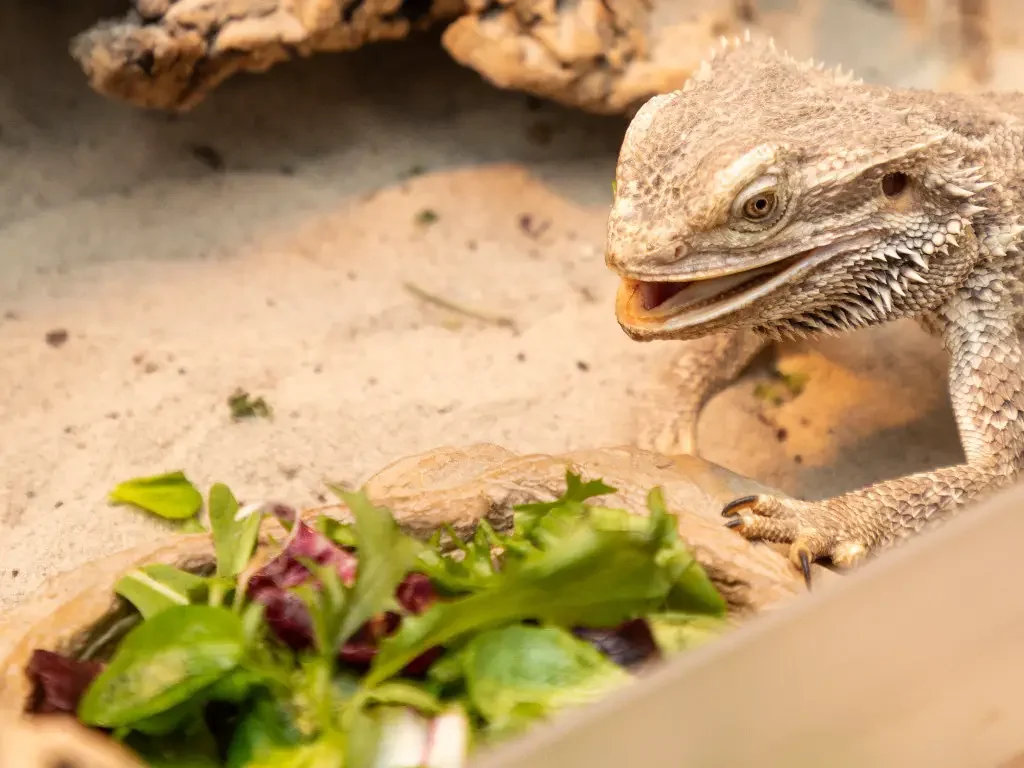
Fresh vegetables and greens are another essential component of a bearded dragon’s diet, providing essential vitamins, minerals, and fiber. A variety of leafy greens, such as collard greens, mustard greens, and turnip greens, should form the base of their diet. These greens offer a great source of calcium and other nutrients. Vegetables should be finely chopped to make them easier for the dragon to consume and digest. Avoid feeding iceberg lettuce, which has little nutritional value. Make sure to provide a mix of different vegetables to ensure a broader range of nutrients, and always wash them thoroughly to remove any pesticides. Introduce a variety of different vegetables to ensure your dragon gets all the necessary vitamins and minerals. A regular supply of nutritious greens ensures that your dragon has a balanced diet and supports overall health.

Nutritious Greens for Bearded Dragons
Nutritious greens are the cornerstone of a healthy bearded dragon diet, providing essential vitamins and minerals that contribute to their overall well-being. Collard greens, mustard greens, and turnip greens are excellent choices, offering a high concentration of nutrients. It is important to vary the greens to ensure a wide range of vitamins and minerals. The greens should be finely chopped or shredded to make them easy to consume and to prevent choking hazards. Avoid spinach and other greens with high levels of oxalates, as they can interfere with calcium absorption. Introducing different nutritious greens into your bearded dragon’s meals adds variety and ensures a comprehensive nutrient intake. Always wash the greens thoroughly to remove any pesticides or contaminants. A consistent supply of nutritious greens is critical for keeping your bearded dragon healthy and thriving.
Collard Greens
Collard greens are an excellent staple for bearded dragons due to their high calcium content and balanced nutritional profile. They are relatively easy to find and can be offered regularly. Provide fresh collard greens regularly, chopping them into bite-sized pieces to assist with digestion. Collard greens have a favorable calcium to phosphorus ratio, crucial for bone health. The greens should be washed thoroughly to remove any potential pesticide residue. Collard greens offer essential vitamins and minerals necessary for growth, energy, and overall health. Supplement collard greens with other greens to diversify the diet and offer a broader range of nutrients. They should be a regular part of your dragon’s meals. Their nutritional value makes them a must-have in your dragon’s diet.
Mustard Greens
Mustard greens offer a nutritional punch for bearded dragons, packed with vitamins A, C, and K, along with essential minerals. They can be part of the variety of greens offered to your dragon. These greens should be served chopped and washed to remove any potential contaminants. Mustard greens have a favorable calcium to phosphorus ratio. While they can be a part of a regular diet, it’s best to rotate them with other greens to maintain a balance. Like collard greens, mustard greens support overall health, aiding in the maintenance of healthy bones, skin, and immune function. Mustard greens add a bit of variety to the diet, which helps avoid nutritional deficiencies. A good balance of different greens provides a complete nutritional intake for your bearded dragon.
Fruits in Moderation
Fruits should be given to bearded dragons in moderation, acting more like a treat than a staple. Fruits provide essential vitamins and natural sugars, but overfeeding them can lead to obesity and digestive issues. Opt for fruits that are rich in vitamins, such as berries, melons, and apples (without the seeds). Offer small portions, no more than a few times per week. Always ensure the fruits are thoroughly washed and chopped into manageable pieces. A balance is key to avoid any health problems. Fruits are not a requirement for survival. Bearded dragons don’t need them, but offering them occasionally can add variety to their diet and make mealtimes more engaging.
Fruits to Avoid

Some fruits should be avoided altogether or given in extremely limited quantities to bearded dragons. Citrus fruits, such as oranges and lemons, are too acidic and can cause digestive upset. Certain fruits, like grapes, should only be given in very small quantities, due to their high sugar content. Avocados are toxic to bearded dragons and should never be given. Always research fruits before offering them. Pay close attention to the sugar levels and acid content, and avoid feeding any fruit that is not safe. Always monitor your dragon’s reaction to new fruits, and if any digestive issues arise, discontinue their consumption. Prioritizing the safe selection of fruits helps ensure a balanced diet and the health of your bearded dragon.
Water and Hydration

Fresh, clean water should always be available to your bearded dragon. Hydration is essential for maintaining bodily functions, and preventing dehydration. Provide water in a shallow dish that is easy for the dragon to access and clean. Regularly replace the water to keep it fresh, which will avoid the growth of any bacteria. Some bearded dragons enjoy being misted with water, which provides an extra source of hydration, and adds to the humidity levels within their enclosure. Ensure you are not over-misting, to prevent any health issues from the humidity levels being too high. Proper hydration is crucial for digestion, nutrient absorption, and overall health, and therefore providing fresh water is one of the most important parts of caring for a bearded dragon.
Supplements for Optimal Nutrition
Supplements are essential for ensuring that your bearded dragon receives a balanced diet and prevents any nutritional deficiencies. Calcium and vitamin D3 are crucial supplements, especially for juveniles and egg-laying females. Calcium helps with bone health, while vitamin D3 aids in the absorption of calcium. Multivitamins provide a wide range of essential vitamins and minerals. Always follow the recommended dosage on the supplement packaging to prevent any overdosing. Dusting insects with calcium and vitamin D3 supplements just before feeding is a common method. The supplements should be used regularly to make sure that your dragon is getting everything it needs. Supplements can make sure that your dragon remains healthy, by making sure they get everything needed to grow, and have an active lifestyle.
Calcium and Vitamin D3
Calcium and Vitamin D3 are fundamental supplements for bearded dragons, crucial for bone development and overall health. Calcium is essential for strong bones and preventing metabolic bone disease (MBD), a common ailment in bearded dragons. Vitamin D3 helps in the absorption of calcium. Without enough vitamin D3, the dragon cannot properly absorb calcium, even if it consumes it in its food. Dust the insects with a calcium and vitamin D3 powder, or add the supplements to their food. The dosage depends on the age of the dragon and should be followed carefully. Supplementing with calcium and vitamin D3 ensures your dragon’s bones remain strong and prevents various health problems. Using them regularly will allow your dragon to live a long, and healthy life.
Multivitamins
Multivitamins provide a comprehensive range of vitamins and minerals, addressing potential nutritional gaps in your bearded dragon’s diet. They supplement the vitamins and minerals provided by food, making sure that your dragon receives a balanced intake. Choose a multivitamin specifically designed for reptiles, as they contain the correct balance of nutrients. Follow the dosage recommendations on the packaging. Over-supplementation can be harmful, so always stick to the instructions. Using multivitamins ensures that your dragon gets a variety of nutrients essential for overall health, and for many bodily functions. Including multivitamins in your bearded dragon’s diet supports healthy growth, and maintains a strong immune system. Use them regularly, but in the correct dosages for the best results.
Portion Control and Feeding Schedule
Portion control and a consistent feeding schedule are crucial for maintaining your bearded dragon’s health and preventing obesity. The amount of food you provide should depend on the dragon’s age, size, and activity level. Juveniles require more frequent feeding due to their rapid growth, whereas adults need fewer meals. Overfeeding can lead to obesity, which increases the risk of health problems. Observing your dragon’s body condition is essential; you should be able to see a slight curve in their body and feel their hip bones without any excess fat. Adjust the portion sizes based on their weight, eating habits, and body condition. Create a consistent feeding routine that you can maintain. A balanced diet with proper portion control is key to a healthy bearded dragon, and can avoid a lot of potential health problems.

Feeding Frequency by Age
The feeding frequency for bearded dragons varies based on their age. Juvenile dragons (under 18 months) should be fed multiple times a day, typically 2–3 times, to support their rapid growth. Offer them a mix of live insects and finely chopped greens. As they reach adulthood, the feeding frequency decreases. Adult bearded dragons (over 18 months) generally need to be fed once a day or every other day, depending on their activity and body condition. The diet should shift more towards vegetables, with insects offered in moderation. Always monitor the dragon’s body condition, adjusting the feeding frequency accordingly. Young dragons must eat a lot to support their growth, while adults will not need nearly as much. This will help your bearded dragon live a long and healthy life.

Creating a Balanced Diet Plan
Creating a balanced diet plan is vital for the well-being of your bearded dragon. This involves incorporating live insects, fresh vegetables, and fruits, while also supplementing with calcium, vitamin D3, and a multivitamin. Start by determining the correct proportion of food for your dragon’s age. Ensure that live insects form the bulk of the diet, particularly for juveniles. Offer a variety of leafy greens daily, and select fruits to serve as occasional treats. Always remember to gut-load insects to maximize nutritional value. Adjust the diet plan as your dragon grows and its needs change. Consulting with a veterinarian specializing in reptiles can help you fine-tune the plan. A balanced diet plan ensures your bearded dragon receives all the essential nutrients, promoting health, vitality, and longevity.